1 July 1863; the chains are broken. It is Freedom Day. 138 years ago, the Netherlands abolished slavery in Suriname and the Netherlands Antilles. So your grandparents' grandparents lived through that. Not even that long ago. So in these countries, 1 July is a bank holiday, and it is also celebrated exuberantly in major cities in the Netherlands. But what exactly do we celebrate? And where else can you delve into the Netherlands' slavery past in Amsterdam?
What is Keti Koti? - Broken chain
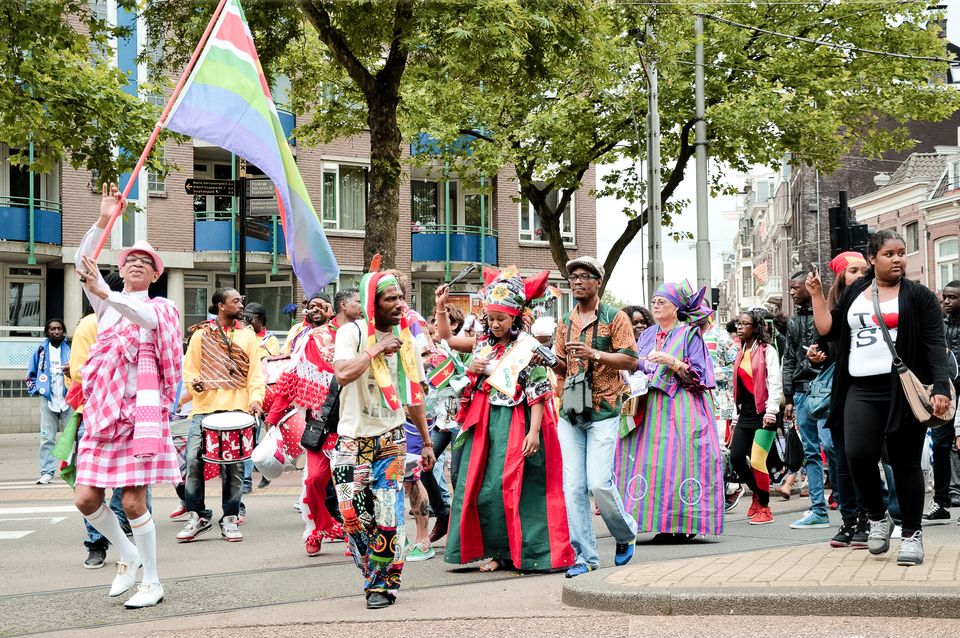
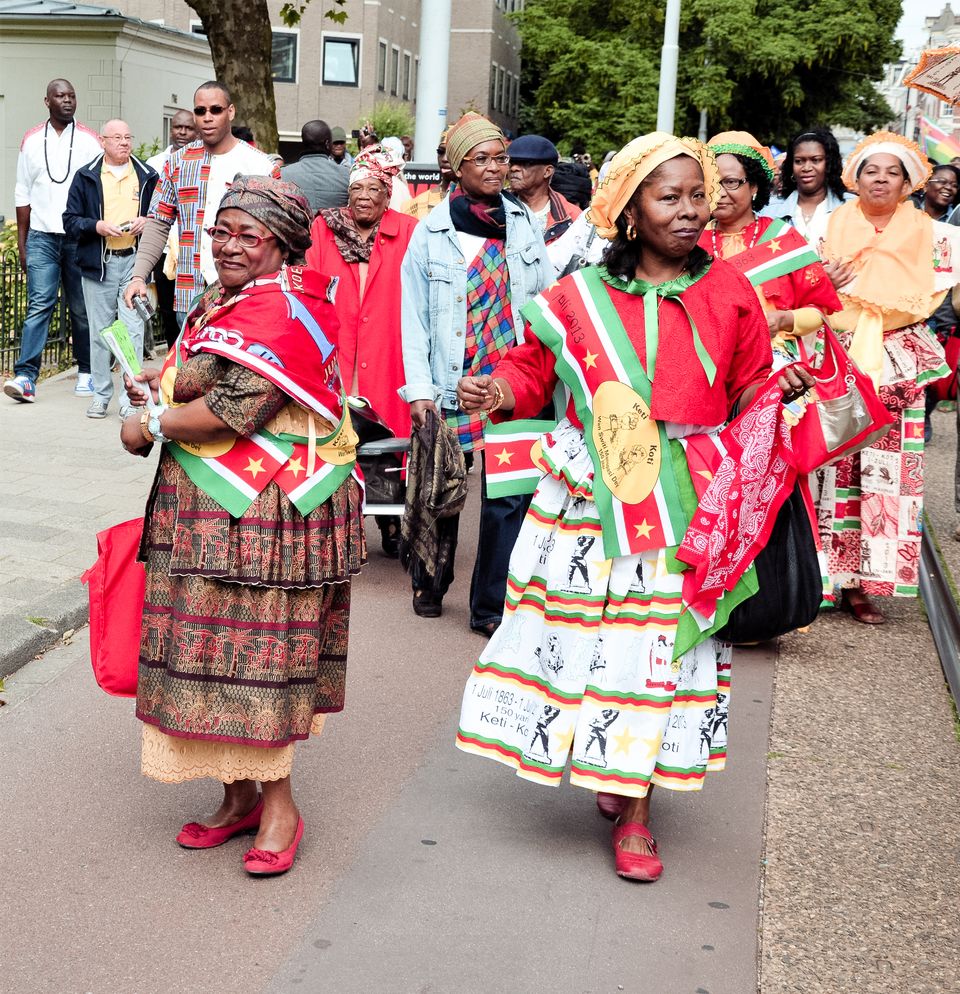
With Keti Koti, we celebrate the abolition of slavery. In the Surinamese language Sranantongo, Keti Koti means 'Chains Broken'. Enslaved people were officially free human beings from 1 July 1863, although in practice this proved to take another ten years. This made the Netherlands one of the last European countries to permanently abolish slavery and the slave trade.
Whereas this day is an official holiday in Surinam and the Netherlands Antilles, this is not (yet) the case in the Netherlands. Yet here, too, a growing group of people dwell on this day. The most famous Keti Koti commemoration takes place annually in Amsterdam's Oosterpark. A day full of festivities, music, parades, good food and commemoration. Due to corona measures, Keti Koti 2021 is online.
A public holiday or not? - remember and heal
Thanks to a petition by radio station FunX, Stichting Nederland Wordt Beter and The Black Archives, the Lower House is going to consider the citizens' initiative to make Keti Koti a national day of celebration and remembrance. A positive impact that Honeyguide also supports. When we reflect on the past, acknowledge and take responsibility for what was done in the name of the Netherlands, it creates space in society to reflect, grow and heal. Because even today, the impact of inequality and discrimination is still present. An interesting topic you can learn a lot about in Amsterdam - our magnificent capital built from money earned on the backs of enslaved people. You can do so at the following places, among others:
1. Black Heritage Tours - Afrikacentric Amsterdam
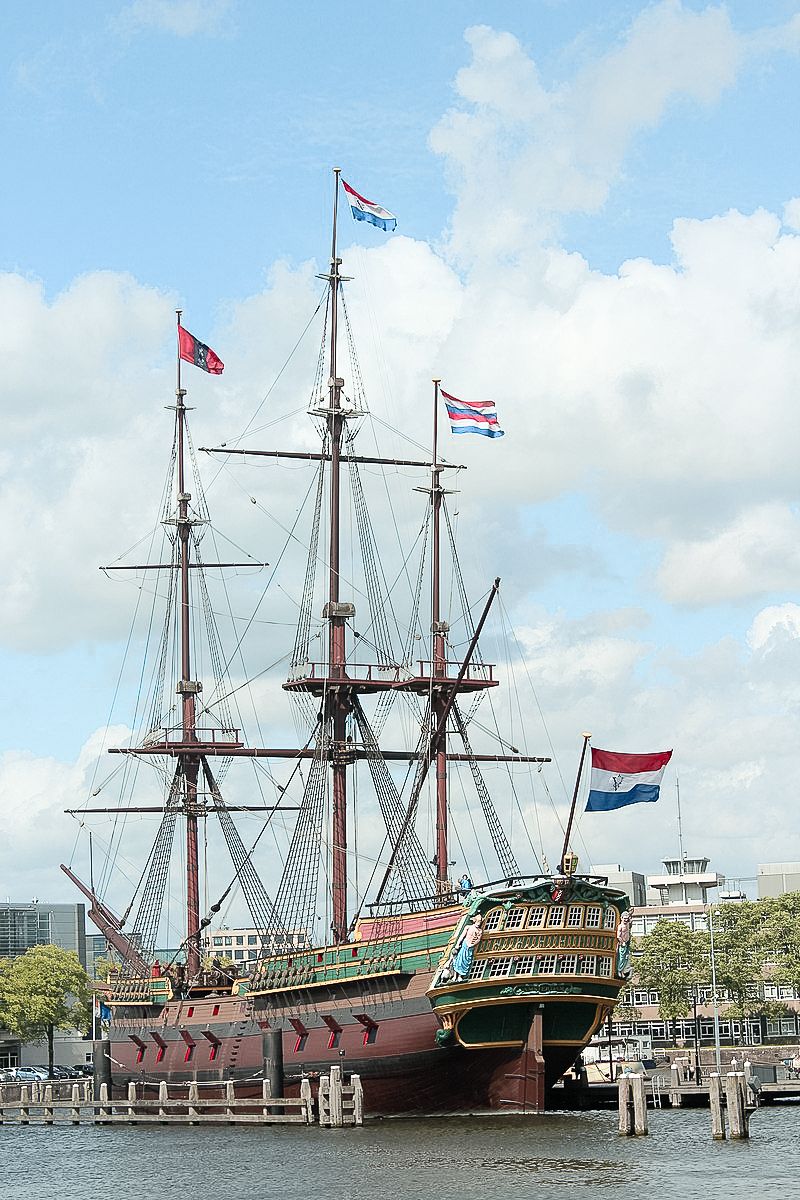
With the Black Heritage Tours, you literally and figuratively get to know Amsterdam from a different perspective. Sail through the canals and experience the city from an Africacentric point of view. Guide Jennifer tells you the stories behind buildings and monuments that played an important role in times of slavery. A piece of 'forgotten' history that can be found on almost every street corner in Amsterdam. In short, an impressive tour that will make you see the city with completely different eyes.
2. The Black Archives - an attic full of black history
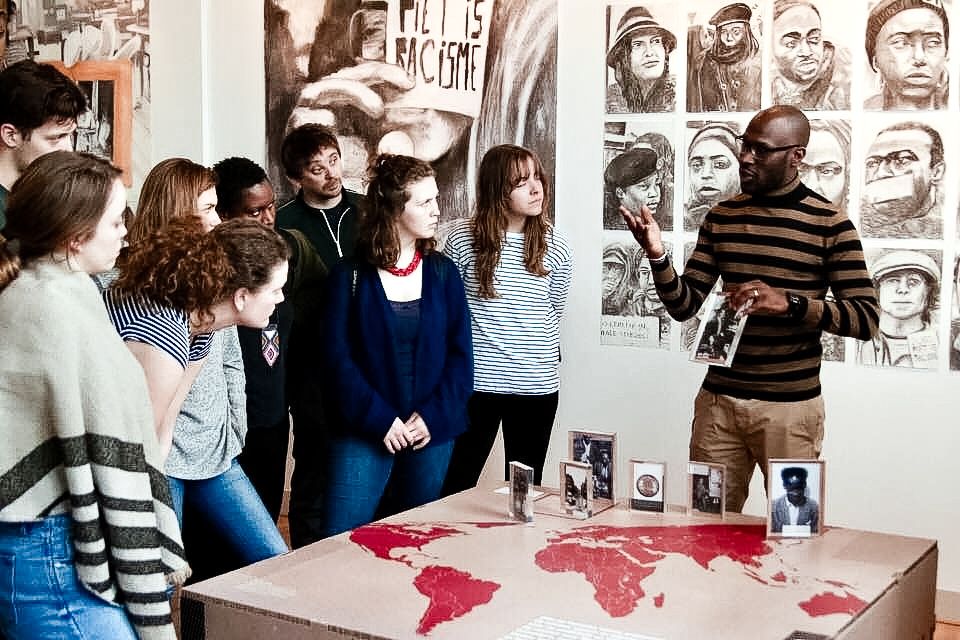
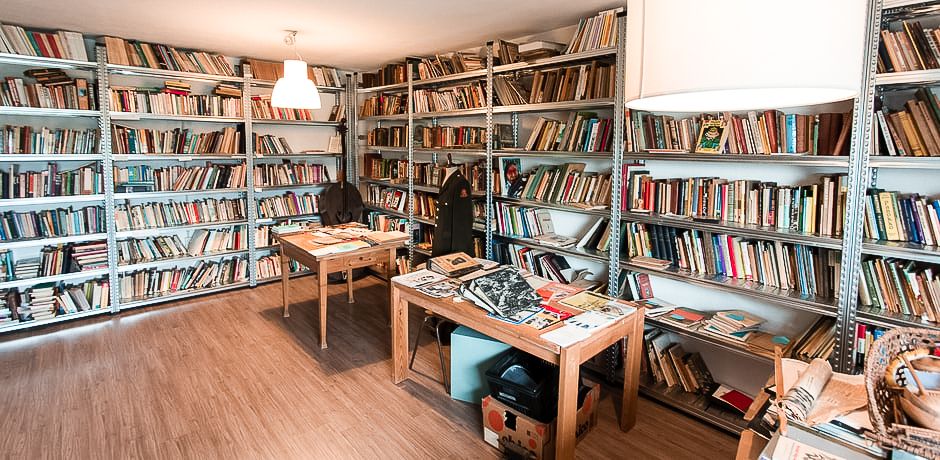
The legacy of the late sociologist Waldo Heilbron, whose mission was to add new perspectives to historiography and social science by, became the starting point for The Black Archives. A place that has grown from an attic full of black history to a historical archive and cultural centre where people can go for inspiring conversations, substantive activities and books from black and other perspectives that too often remain underexposed.
3. The Tropenmuseum - cultural diversity
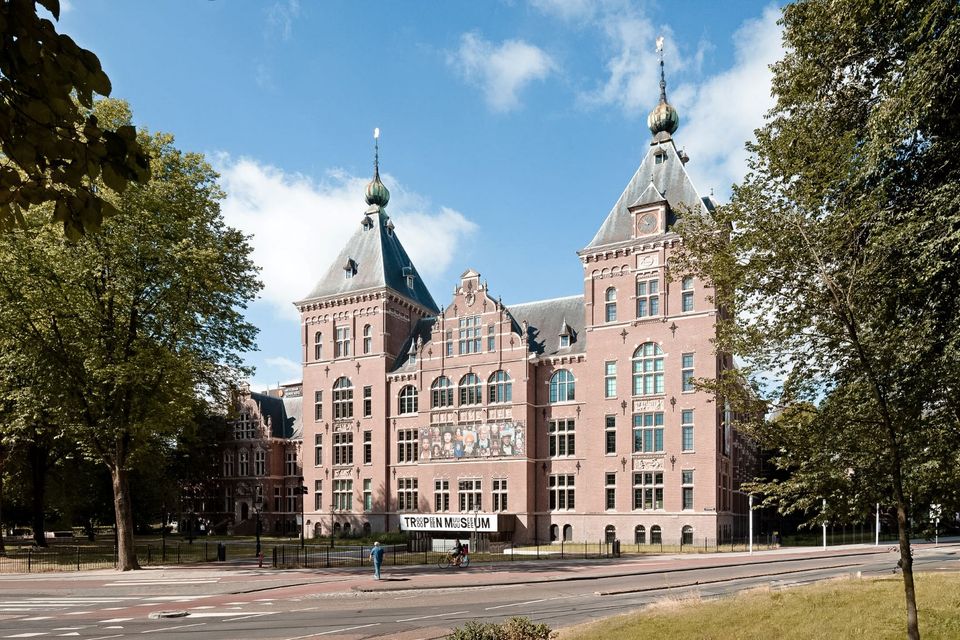
Located on the Oosterpark you will find one of the most beautiful museums in the Netherlands. The most beautiful if you ask me: the Tropenmuseum. A museum where you are introduced to the world's cultural diversity. A subject like the history of slavery and Keti Koti cannot be left out of this museum. So they have an online Keti Koti programme for you. And also in the museum itself, several exhibitions focus on broader historiography and the human experience of what we know as history. From June 2022 comes the exhibition 'Our Colonial Heritage', A new comprehensive exhibition on the colonial and slavery past.
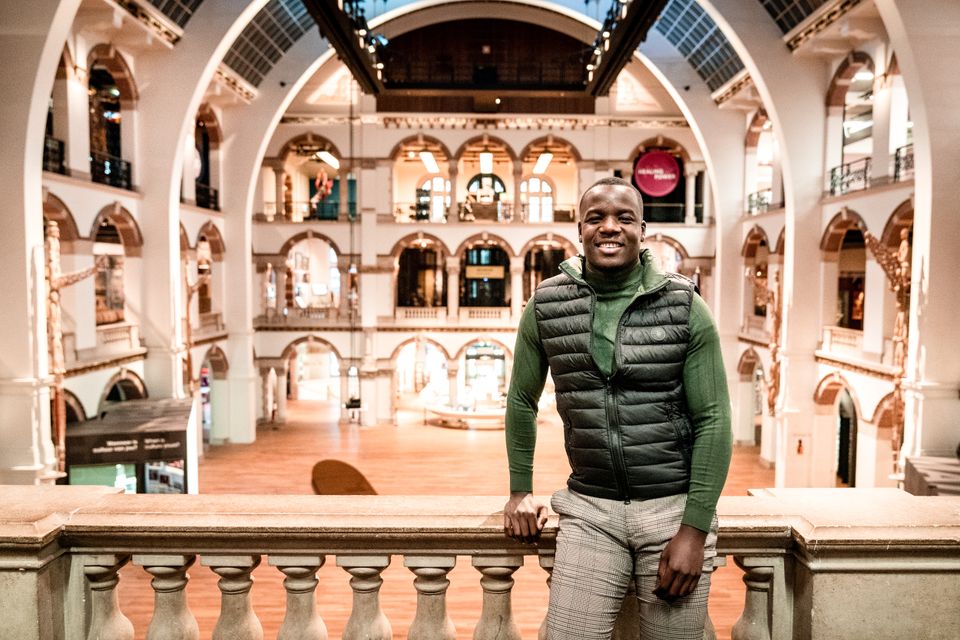
The history of slavery in the Netherlands is extensive and has many sides. However, the perspective of the enslaved is often left out. After all, history is written 'by the winners'. And that used to be the Dutch state, which became enormously rich by trading people. Not even that long ago. It is time to delve into the many faces of slavery. From then and now.
These three places are just a small selection of wonderful initiatives (in Amsterdam) where you can delve into colonialism, slavery and Keti Koti. Let us know if you have any additions? You can do so via a message on Instagram.
Love,
Yalou
More history in the Netherlands - Discover the Netherlands
-
Walk the bunker route in Goeree-Overflakkee
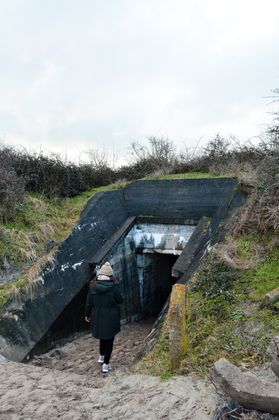
Honeyguide Laura discovers World War II stories at the Bunker Route in Goeree-Overflakkee.
-
Road trip along the Nieuwe Hollandse Waterlinie
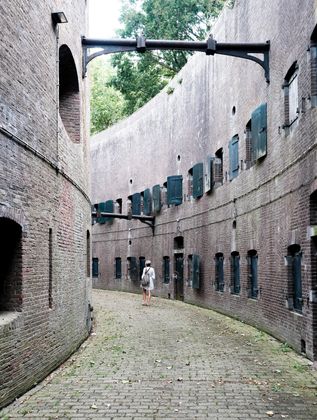
Honeyguides Simone and Brechje set off for two days to discover a special and unknown part of the Netherlands: the Nieuwe Hollandse Waterlinie.
-
Discover Radio Kootwijk
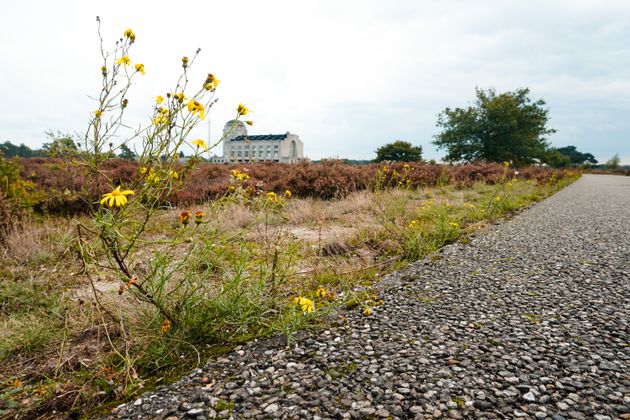
The former transmitter station Radio Kootwijk has fascinated Honeyguide Laura for years. She sets out to discover the stories behind this monument.