

There is a strong wind when we get out of the car at de Punt, the southernmost part of the island of Goeree-Overflakkee. Via the verge, we walk towards the rise of the dune, to a very historic piece of land. Indeed, thanks to its strategic location, De Punt was very attractive to the Germans in World War II.
The Germans soon started building bunkers here and that is how Goeree-Overflakkee became part of the Atlantic Wall. The stories of this impressive history can be found today at the Bunker Route.
A day at Goeree-Overflakkee - The island of Zuid-Holland
Until today, Goeree was relatively unknown to me. Goeree-Overflakkee is an island in the province of Zuid-Holland. This area once consisted of all kinds of small islands but with the advent of dykes, the water gained less influence and Goeree became one big island. That influence of the water has ensured that you now find unique landscapes, special nature reserves and a whole collection of animal species here. On to the bunkers near the Punt, it promises to be an interesting day.
300 bunkers further - Goeree as part of a defence line
As a true history buff, this place has been on my wish list for some time. Because in the dunes of recreation area De Punt, you can still find a real bunker complex from World War II.
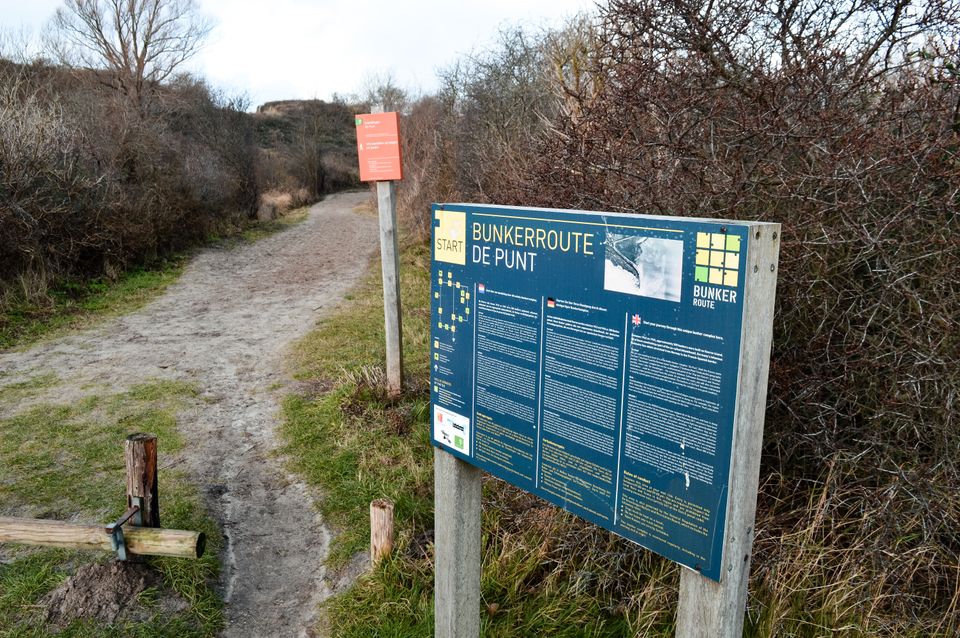
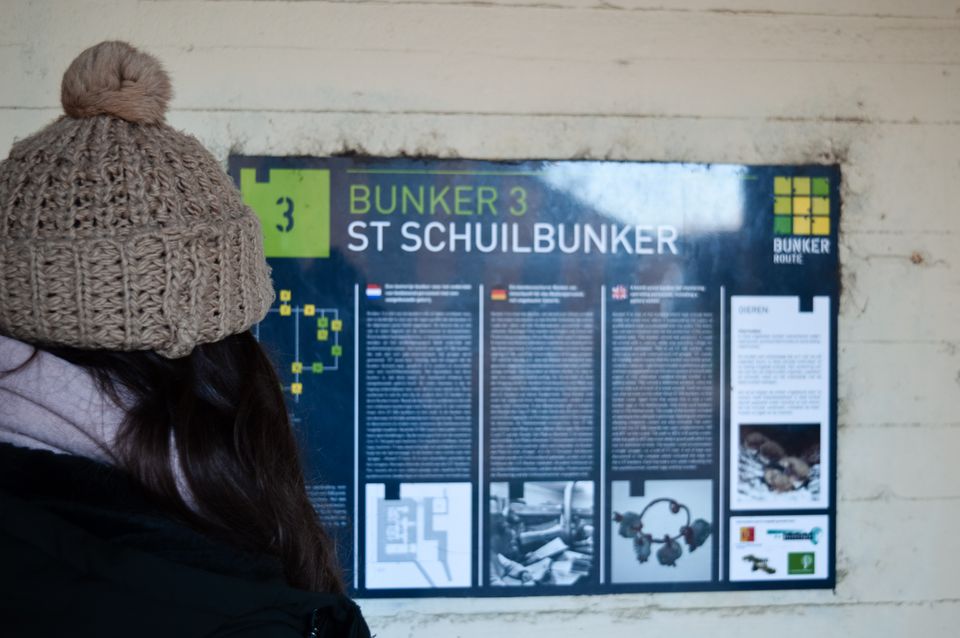
The information board at the entrance tells us that between 1942 and 1945, as many as 300 bunkers were built on Goeree-Overflakkee as part of the Atlantic Wall, the German defence line that ran all the way from Norway to the Spanish border. Goeree was perfectly in line with this defence line with De Punt as a strategic post from which to keep a close eye on the enemy both at sea and on the surrounding islands.
Sand as a preservative - The renovation of the bunker complex
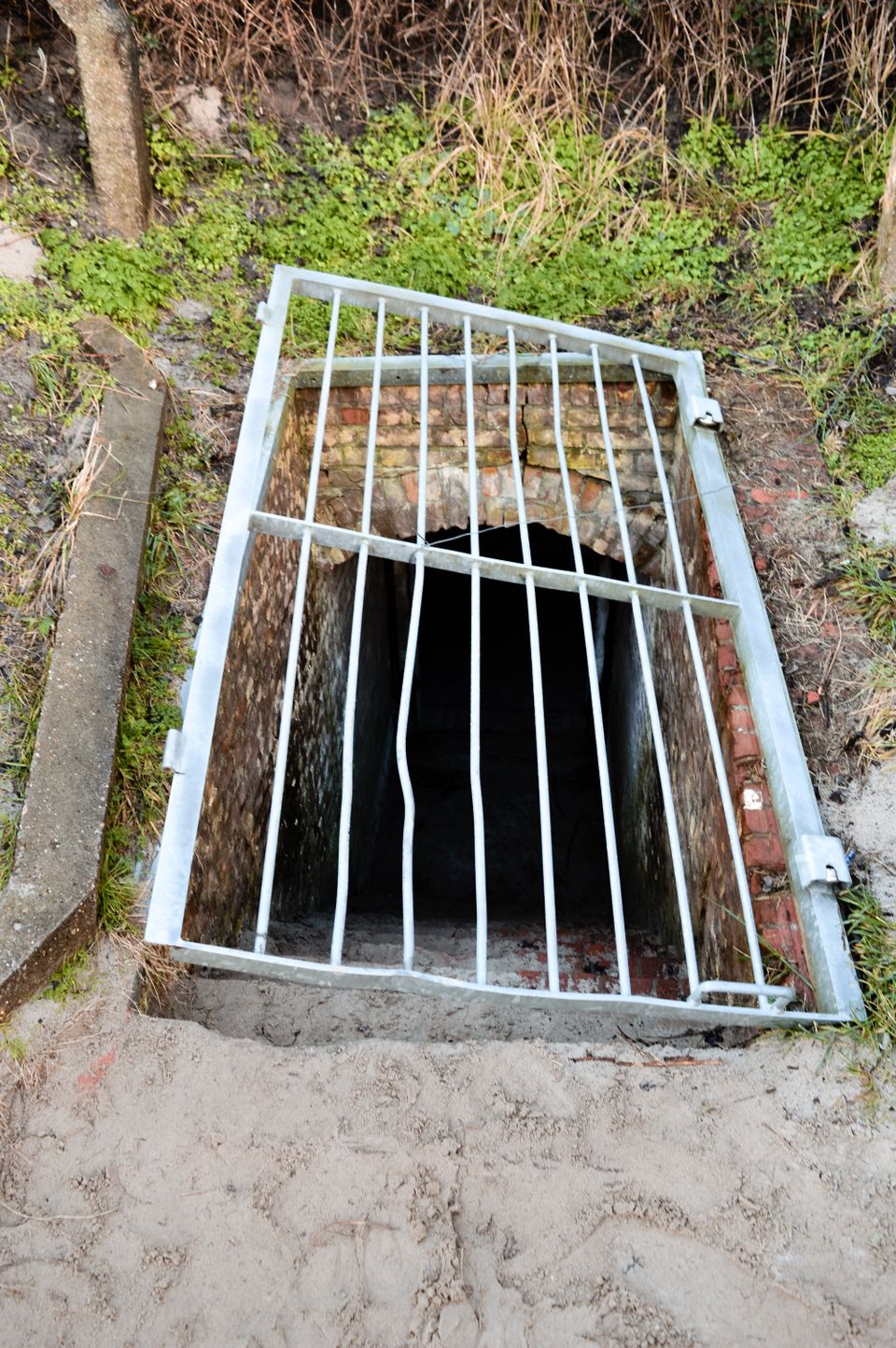
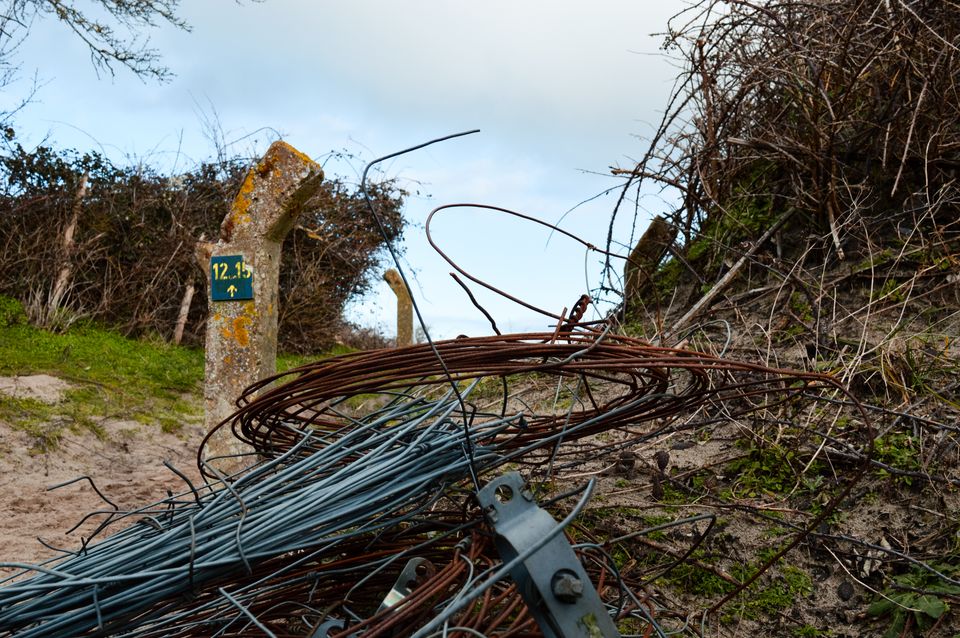
When WWII came to an end, the bunker complex was abandoned and soon became covered under a considerable layer of sand and prickly brambles. Until a few years ago, when a group of volunteers joined hands and together they dug out the entire complex. And what did they find out? Thanks to the layer of sand under which the complex shrouded itself for decades, it remained virtually intact!
The Dutch Forestry Commission then set about creating a footpath where nature and the animals that have lived here over time are not hindered by visitors. Thus, the one-kilometre Bunker Route was created here, taking you past 15 different bunkers. Open all year round, the route is a very accessible way to learn about the stories of WWII.
From machine gun to toilet bunker - The components of the bunker route
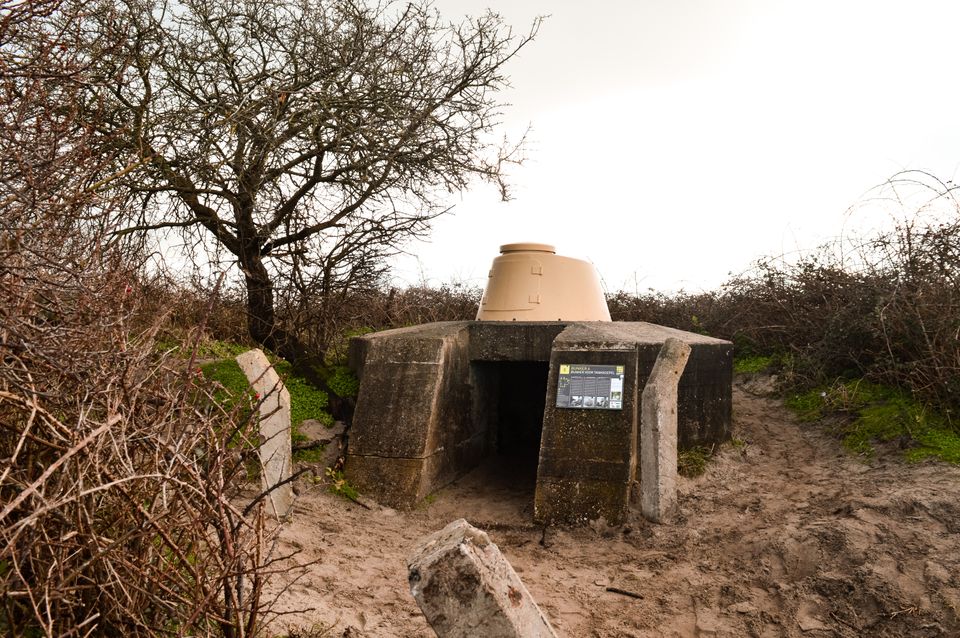
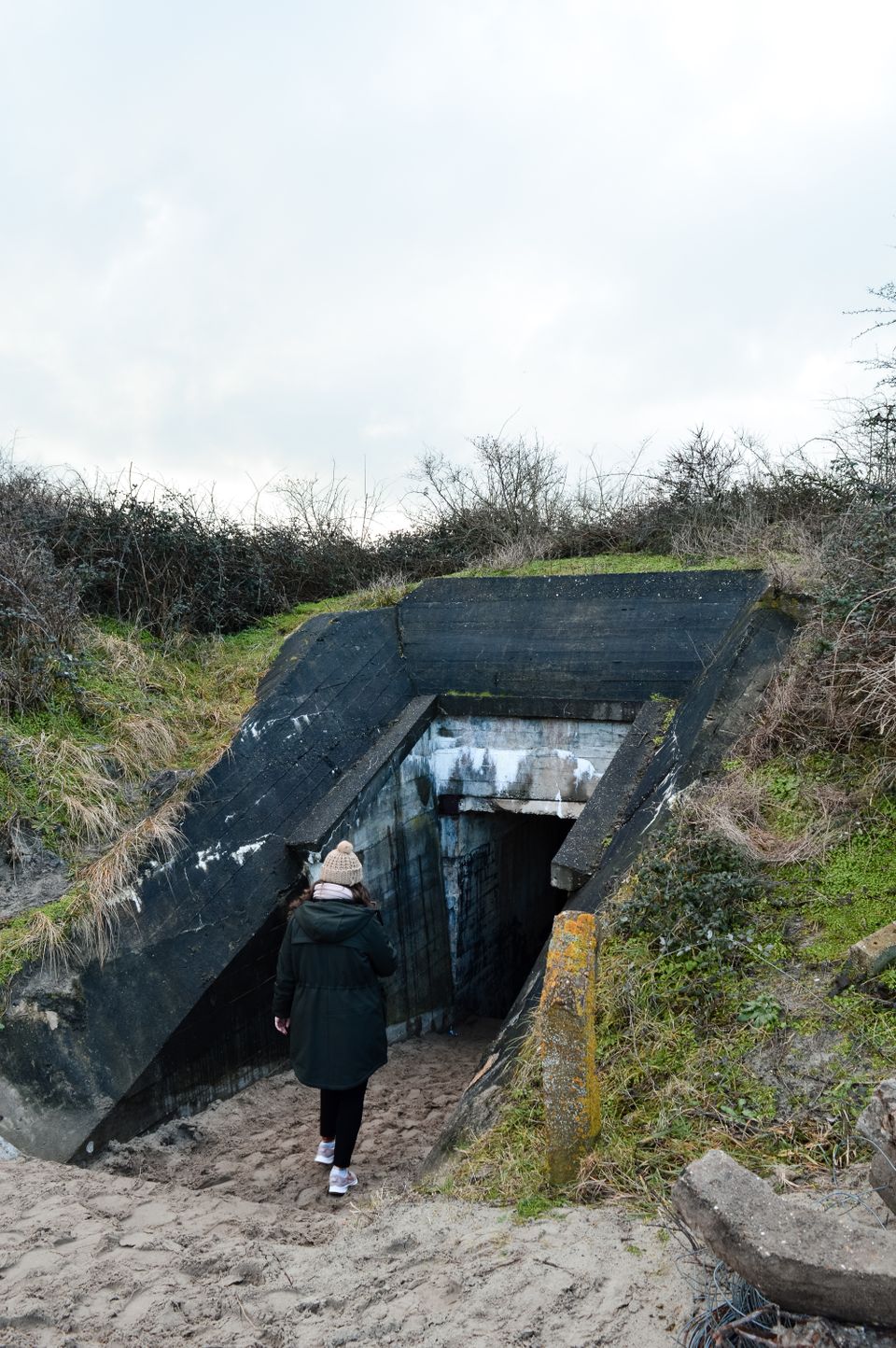
Stimulated by curiosity, we clamber up the dune, searching for the 15 bunkers of the complex. As soon as we turn left at the top of the dune, we find ourselves on the route and see the first bunkers looming. It is quite a complex and we marvel at how complete it is.
So the route takes us past an ammunition bunker, a water supply bunker, an observation bunker and even a toilet bunker. We slowly begin to see before us how people walked around here for years, only concerned with spotting and attacking the enemy.
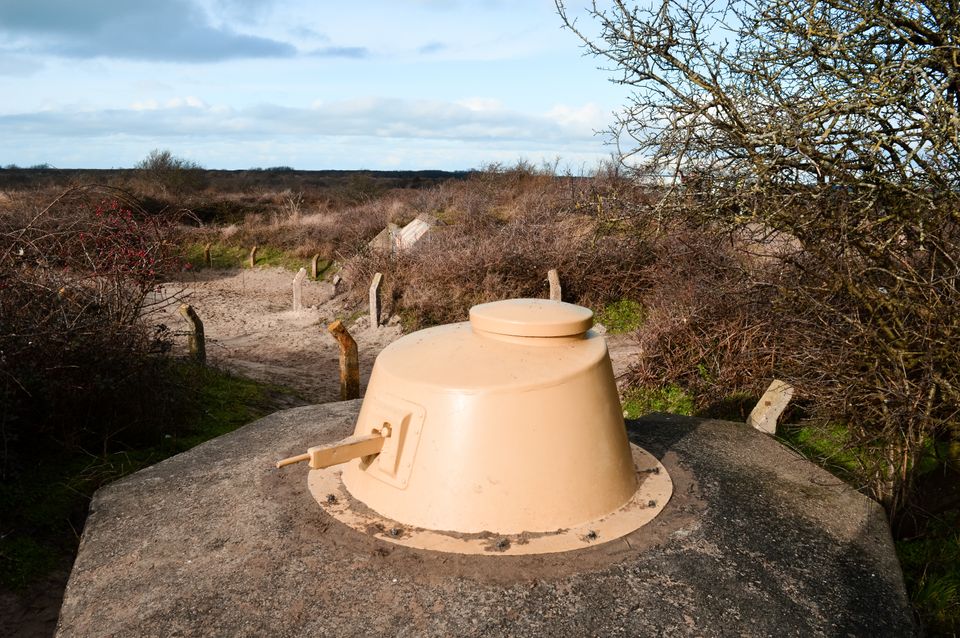
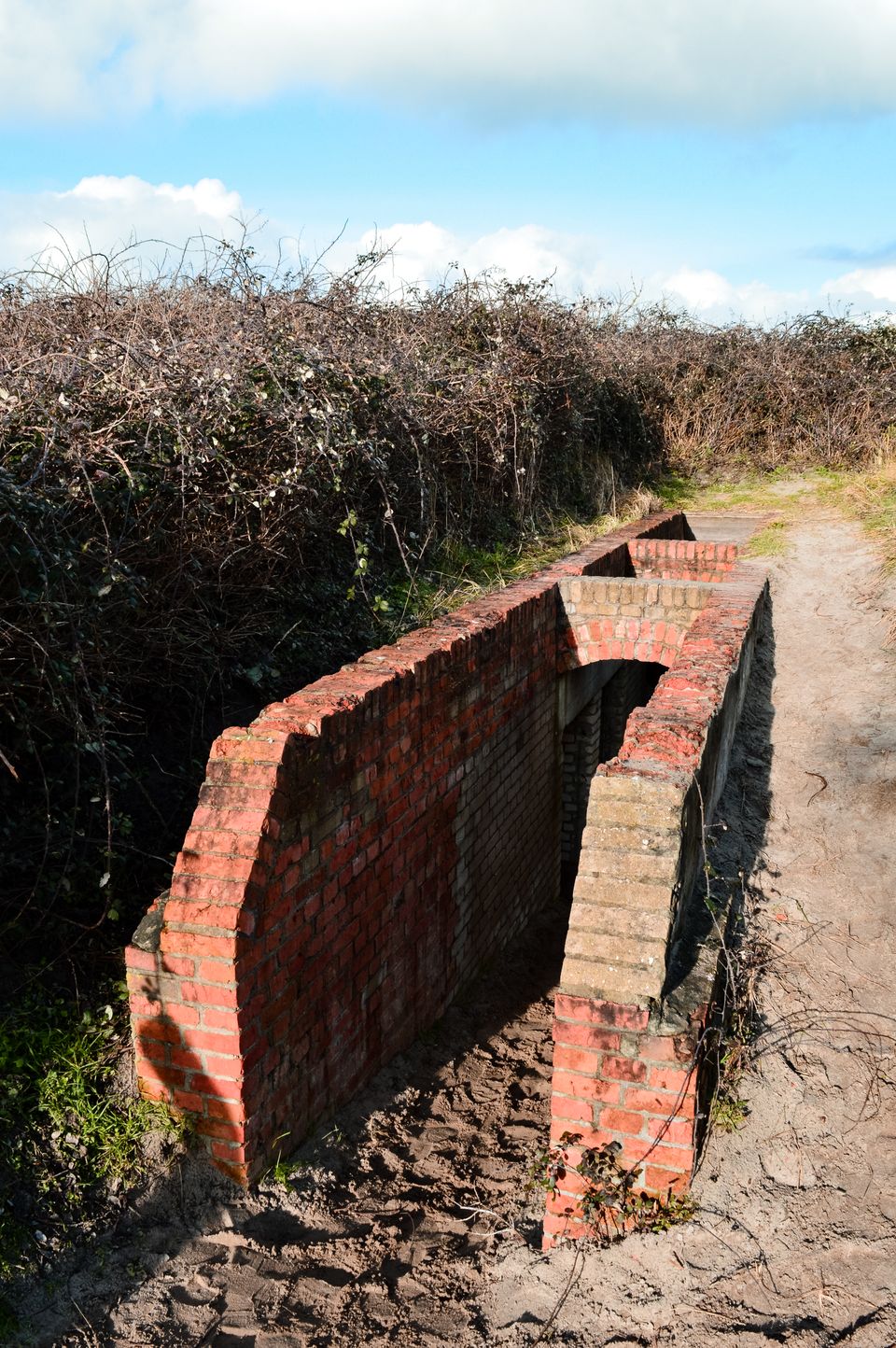
They were clearly not afraid to use weapons at the time. Many bunkers have embrasures and bases for machine guns and tankers on the roof. From the machine gun bunker, the North Sea beach could be shelled.
Walking around it, we come across four names in the border: Anthon, Bertha, Cäsar and Dora. Mysterious. Later, we read on the information board that these are names from the German game and telephone alphabet that were used to indicate the direction from which an attack could be expected.
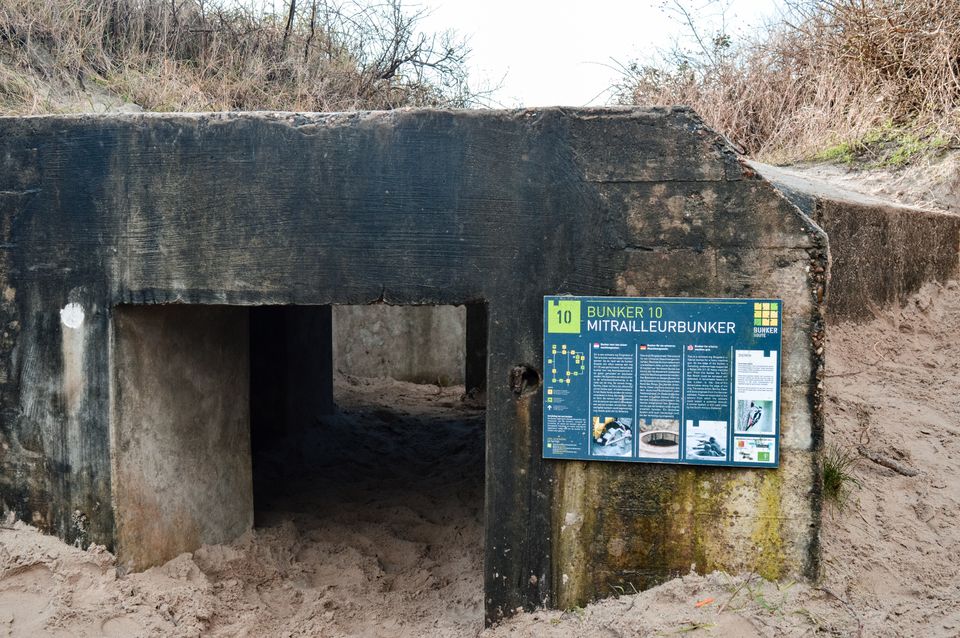
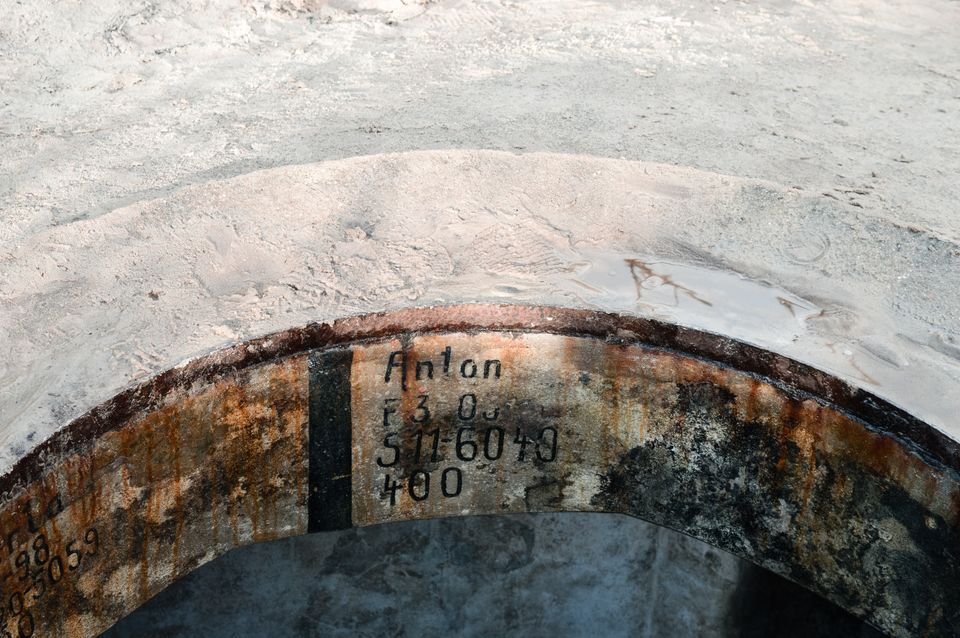
A few metres further on, we come face to face with a large, open bunker that served as a garage for the searchlight. Its beam of light reached as far as four kilometres and was used every night to keep a sharp eye on the beach and coast.
Cold walls and dark rooms - Life in the bunkers of Goeree
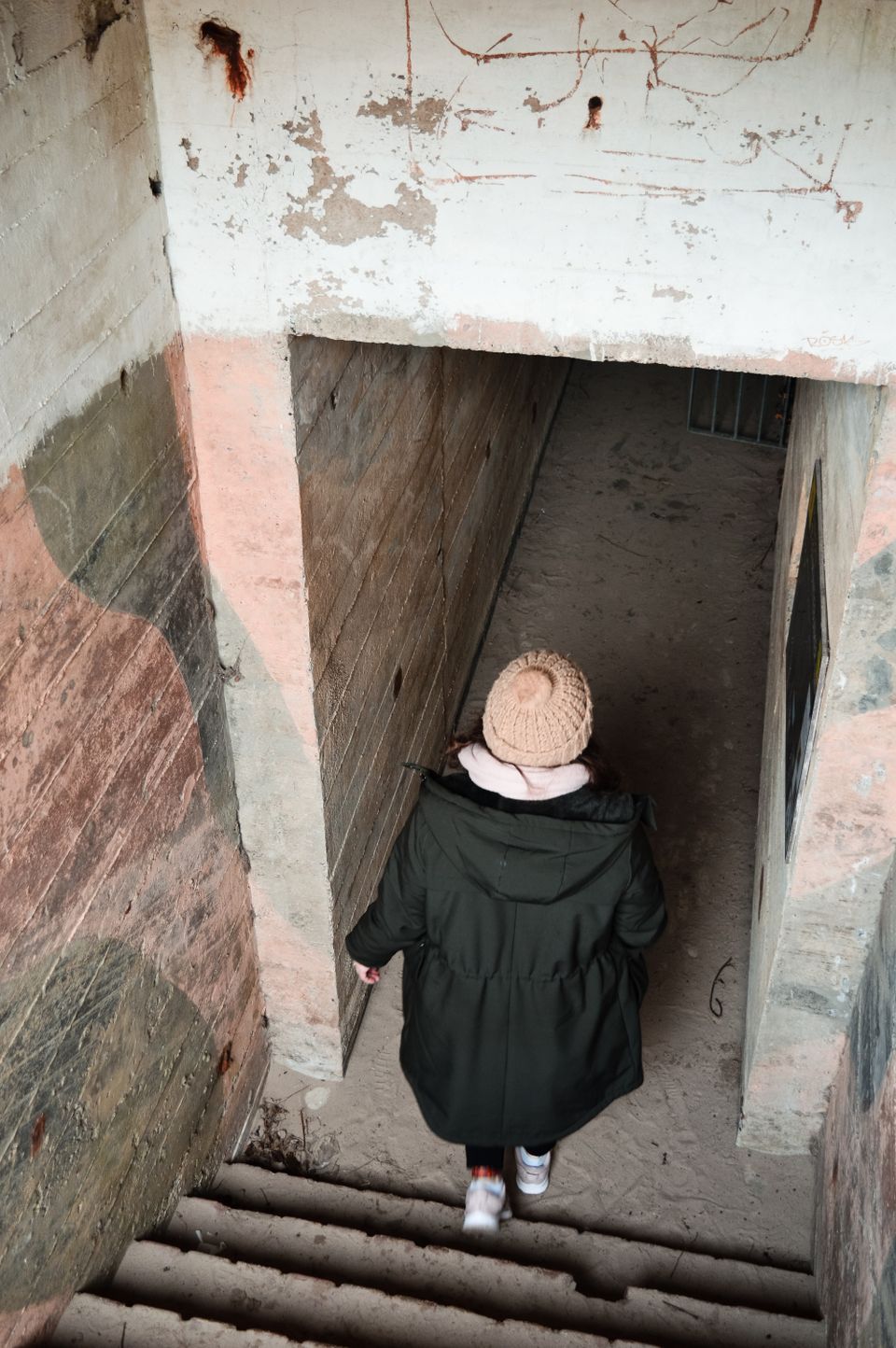
Besides the ammunition bunkers, we also discover more 'living bunkers'. For instance, we come to the bunker where the service personnel stayed. Eleven men could stay here in reasonable conditions as this bunker could be sealed gas-tight and had an air filtration system.
Today, the entrances are partly closed off for the bats that now live in here, but all in all it looks grim. The cold, thick walls and the dark, small rooms. They must have been harsh times. Especially when you also remember that it was war outside and the gunshots regularly flew around your ears.
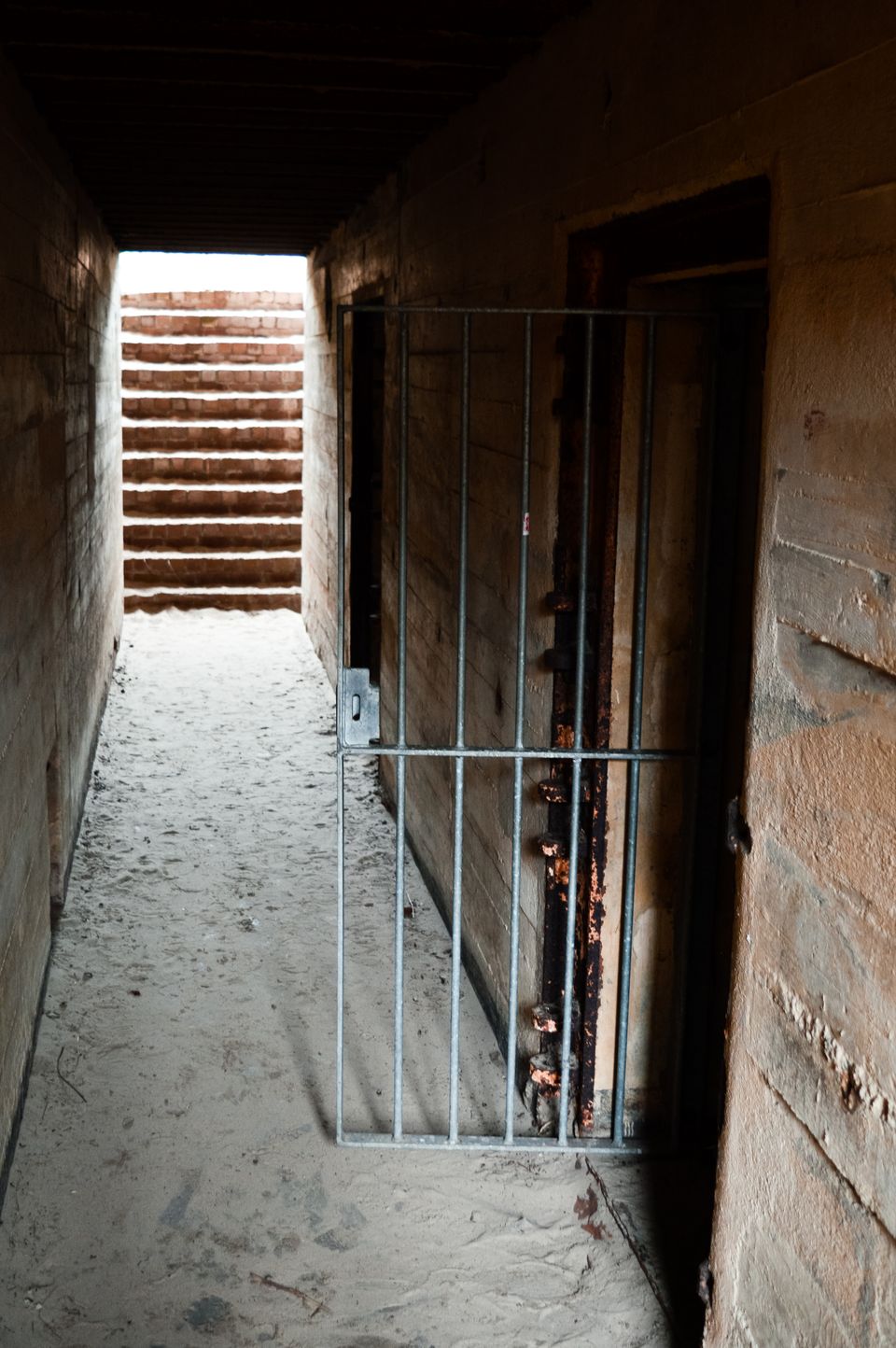
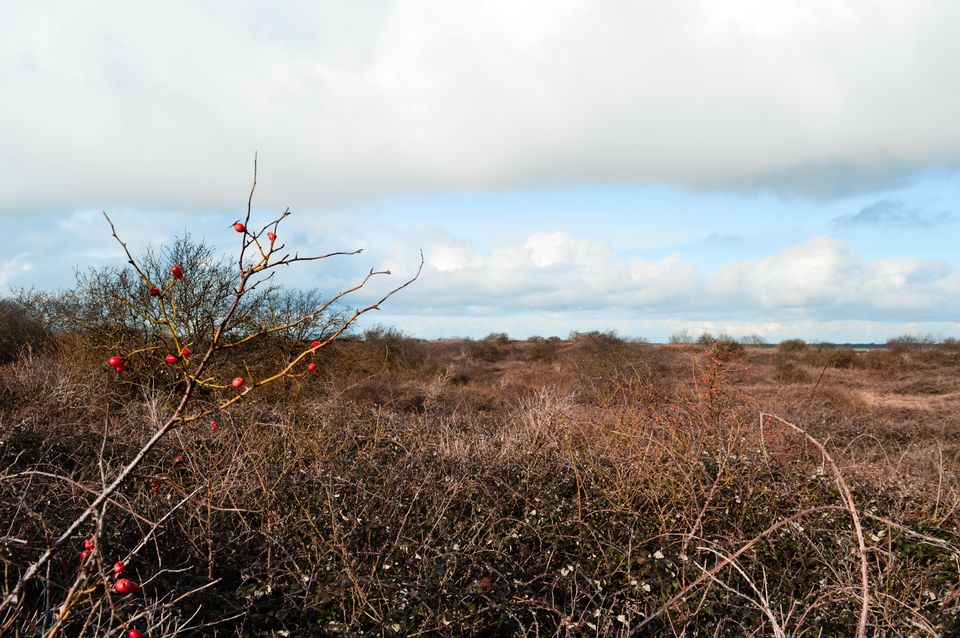
At the highest point of the bunker complex, we stop for a moment. A viewpoint has been created from where you can see the different areas of Goeree-Overflakkee. Here you also have a good view of the bunkers. It is an impressive place. The contrast of children playing around the bunkers today and the horrors of the Second World War back then could not be greater.
Satisfied bats - Decades of peace
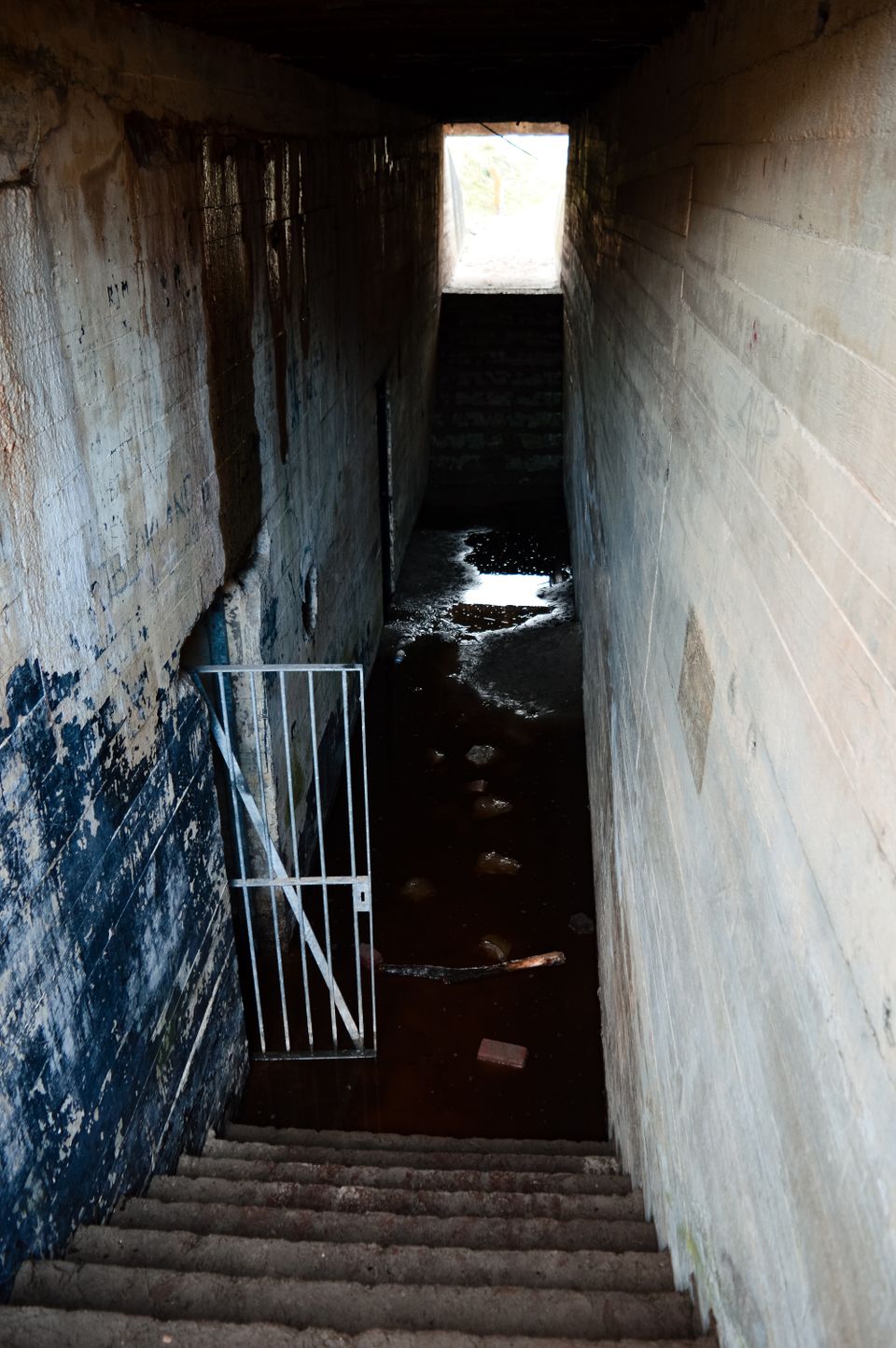
The last bunker on the route is filled with a layer of water, so we cannot get in properly. However, we can look inside for a bit from the steps. A very happy group of bats has found a very nice, dark spot here. It is a nice sign that the actual function of the bunkers has not been needed for decades.
I am so glad that there are organisations that ensure the stories of WWII are told, I think as we walk back. Hopefully places like this will continue to make people think. Living in peacetime is such an important thing, something we should all be damned careful of anyway.
Love,
Laura