

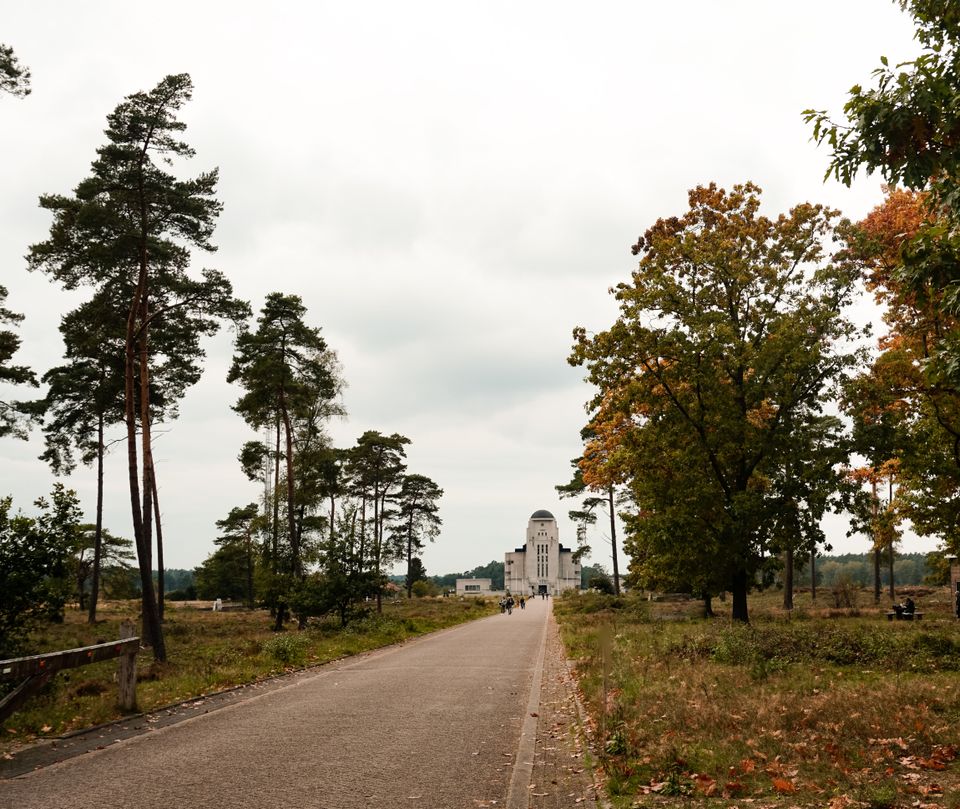
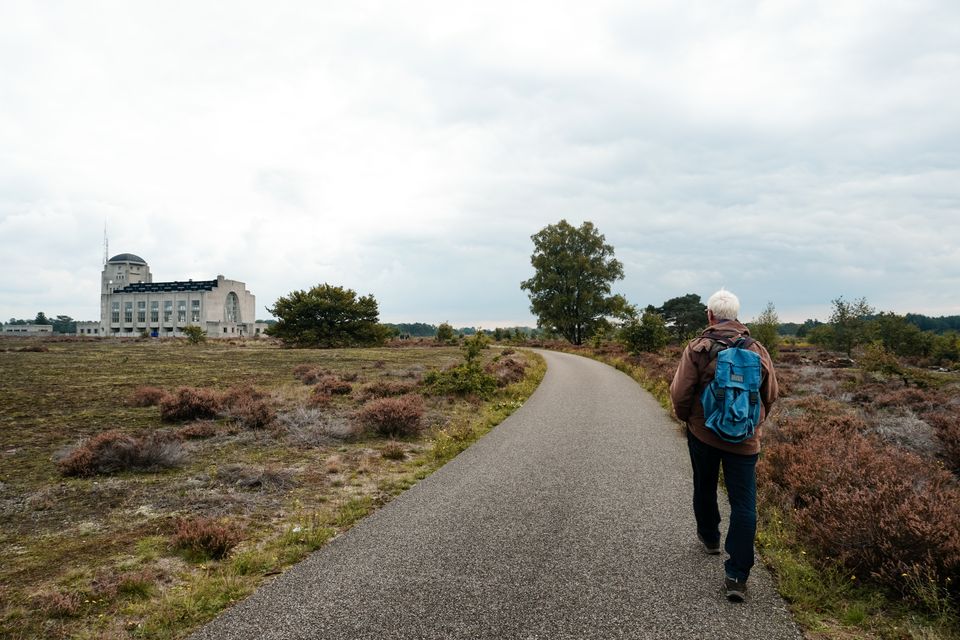
It has just stopped raining when we park our bikes at the sheepfold in Hoog Buurlose Heide. From here it's about a three-kilometre walk and then we should be able to catch the first glimpse of Radio Kootwijk's imposing cathedral. You can also get to the monumental radio station Radio Kootwijk just fine by car, but we find this walk through the beautiful surroundings absolutely no punishment.
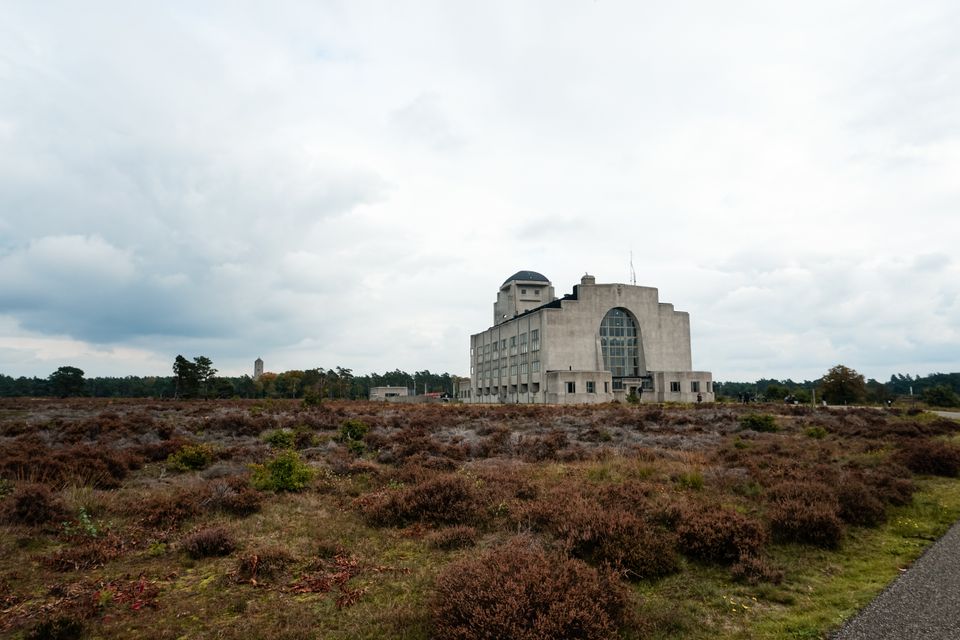
Radio Kootwijk is situated in the middle of the Kootwijkerzand, an enormous sand drift area. It is a mysterious sight when we see the cathedral tower looming before us in the rugged and empty landscape. We decide to explore the footpath around the cathedral first, so we can admire it from all sides. The image of the cathedral so in the middle of "nothingness" continues to fascinate me.
Hiking routes around Radio Kootwijk - BeleefRoutes app
We sit down on a bench at one of the viewpoints. Time to download the app BeleefRoutes. In it, you will find two routes for Radio Kootwijk, and the nice thing is: you also get some information. A little more information about this special place can't hurt. We choose the short 0.5-kilometre route "Around the Radio Building". Every time we get close to an information point, my phone reports back to share some information and bit by bit, we find out the story of Radio Kootwijk.

The origins of Radio Kootwijk - "Hello Bandung"
For the origins of the station, we jump back to the 1920s. During this period, Radio Kootwijk was built with the aim of maintaining radiotelegraphic contact with what was then the Dutch East Indies. This left the Netherlands behind the cable link, which was really a milestone at the time. It was the P&T, or Post and Telegraph (the forerunner of P.T.T.) that commissioned Radio Kootwijk as a radio broadcasting station from 1923 and provided the radio link between the Netherlands and the Dutch East Indies for many years.
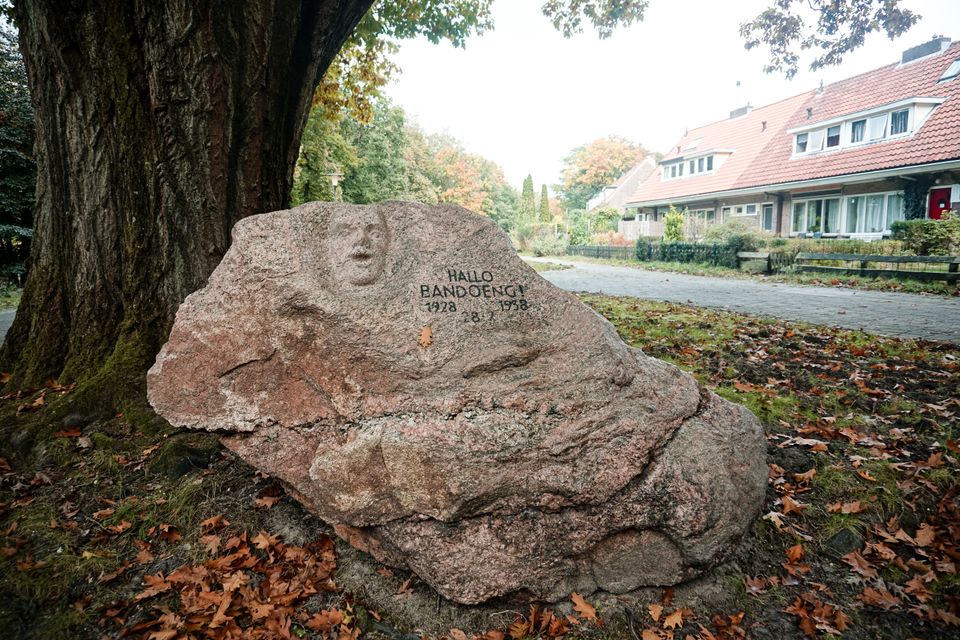
In 1929, the radio telephone connection was added. Queen Emma opened this first telephone link between the Netherlands and the Indonesian island of Java with the historic words: "Hello Bandoeng, this is Radio Kootwijk, can you hear me?". From that moment on, Dutch people could make phone calls to the Dutch East Indies, which was quite a happening.
First, to do so you had to go to a special "India cell" in a telegraph office that could only be found in a few major cities. Then, for as much as 33 guilders, you could make a three-minute call. This was usually too short: people often hadn't spoken to each other for months. But no problem, because for eleven guilders a minute you could extend the call. Well, the days of unlimited calling minutes were definitely far away.
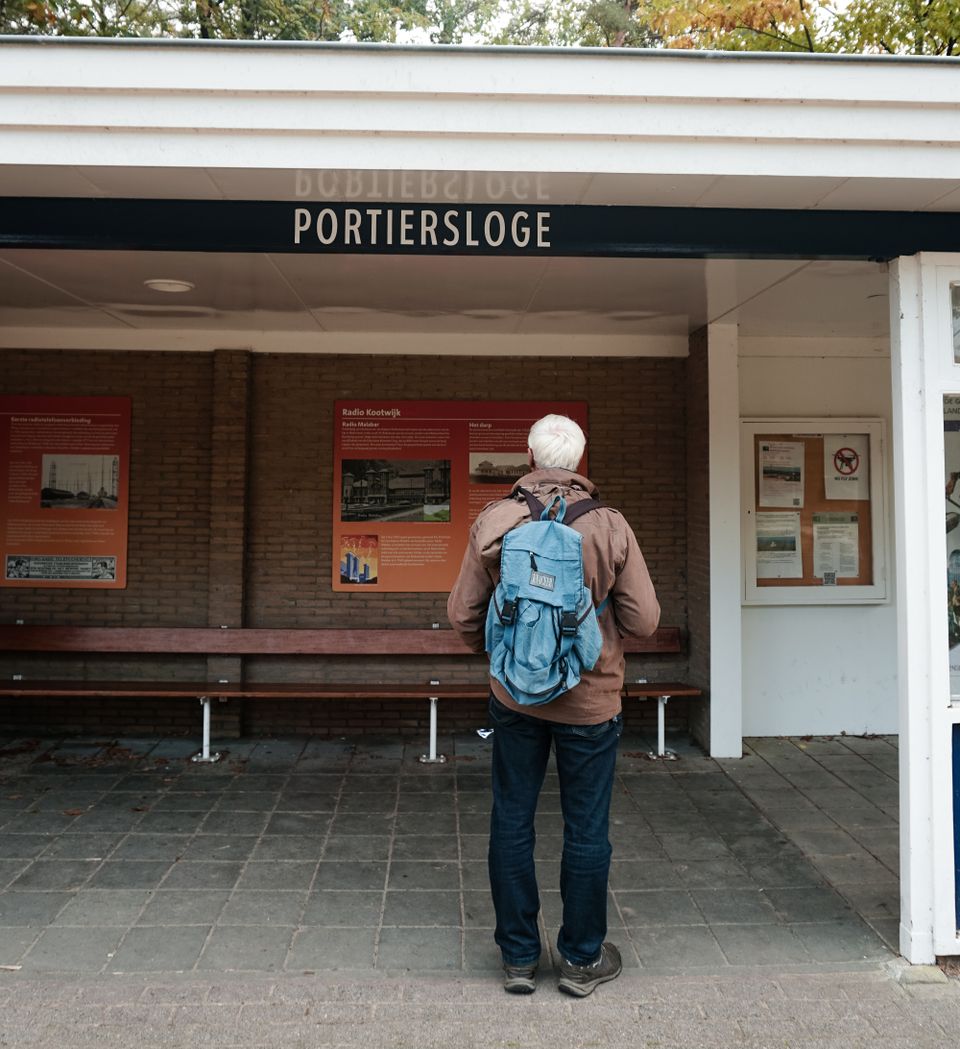
The development of Radio Kootwijk - Technical marvel
After these first milestones, technology soon got better and better. From 1933, radio transmissions to countries like Suriname, Curaçao and America also became possible. In World War II, Radio Kootwijk was occupied by the Germans for a few years, but when it came back into Dutch hands in 1945, technological developments continued as usual. Thus, in the years that followed, Radio Kootwijk played a major role in telephony with shipping, air traffic and even in the emergence of satellite transmitters in the 1970s.
By the end of the last century, technology had developed so far that the broadcasting station started to become obsolete. On 31 December 1998, Radio Kootwijk, after 75 years of playing an important role in the world of radiotelephony, therefore went off the air for good. Since then, the monument has been owned by the Forestry Commission.
Today, you can still see the inside of the cathedral by joining one of the guided tours organised by the Forestry Commission. Check the agenda on the website for tour dates. The cathedral is also the stage for events such as concerts from time to time. Talk about unique experiences...
The concrete cathedral - Radio Kootwijk
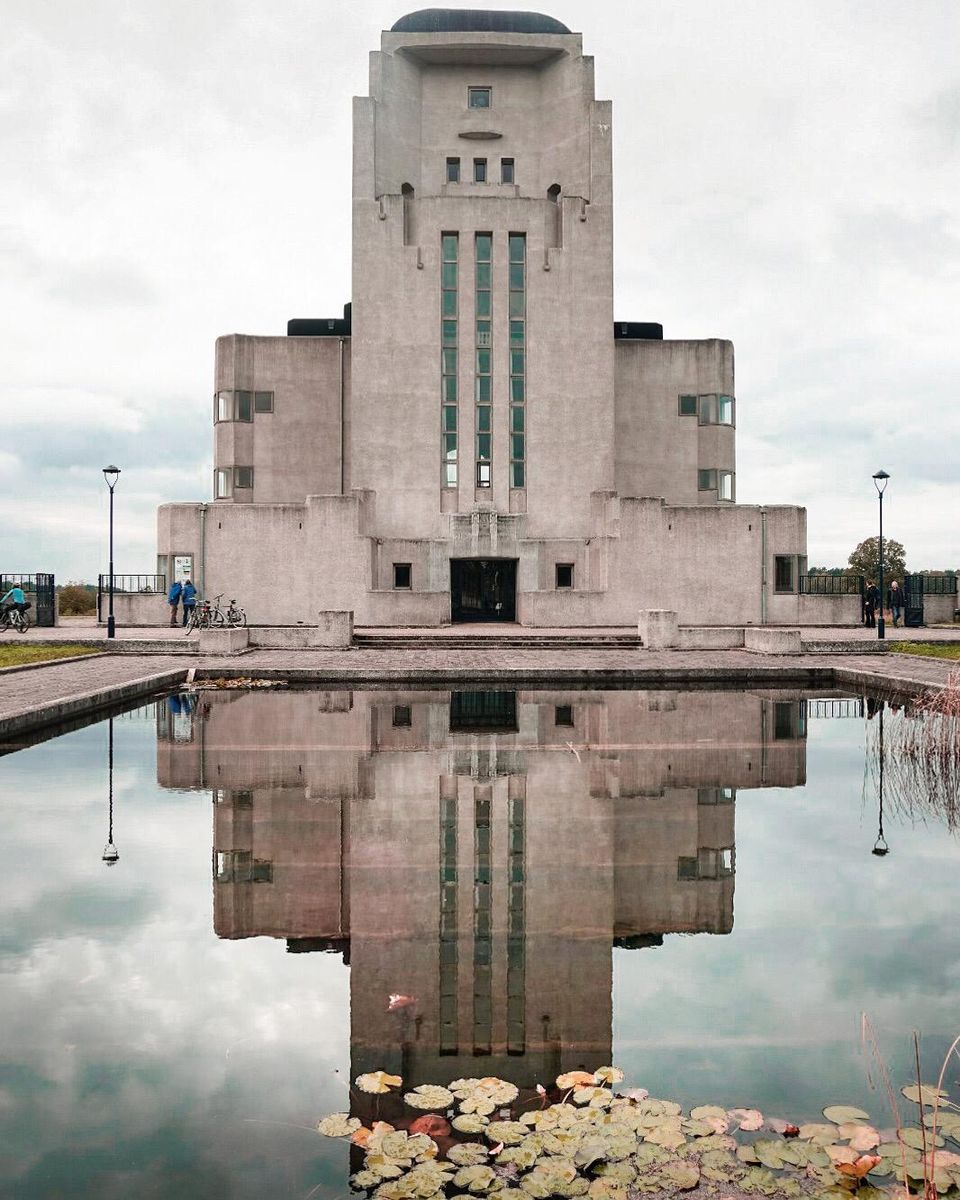
Peering upwards, we walk around the building. At the front is the well-known pond in which the reflection of the cathedral can be seen. Just the place for a spectacular photo. The building of Radio Kootwijk is popularly known as "The concrete cathedral". Fun fact: it was one of the first concrete buildings in the Netherlands. And that the architect used concrete was no surprise. After all, this - then state-of-the-art - building material could absorb the heat of the transmitting equipment much better than other materials. And - not unimportantly - concrete did not interfere with radio signals.
For the shape of the building, the architect is said to have been inspired by the shapes of temples and Egyptian sphinxes. So when we walk past the entrance, we spot two sphinxes, showing off between the words "Radio Station".
Living between the masts - The village of Kootwijk
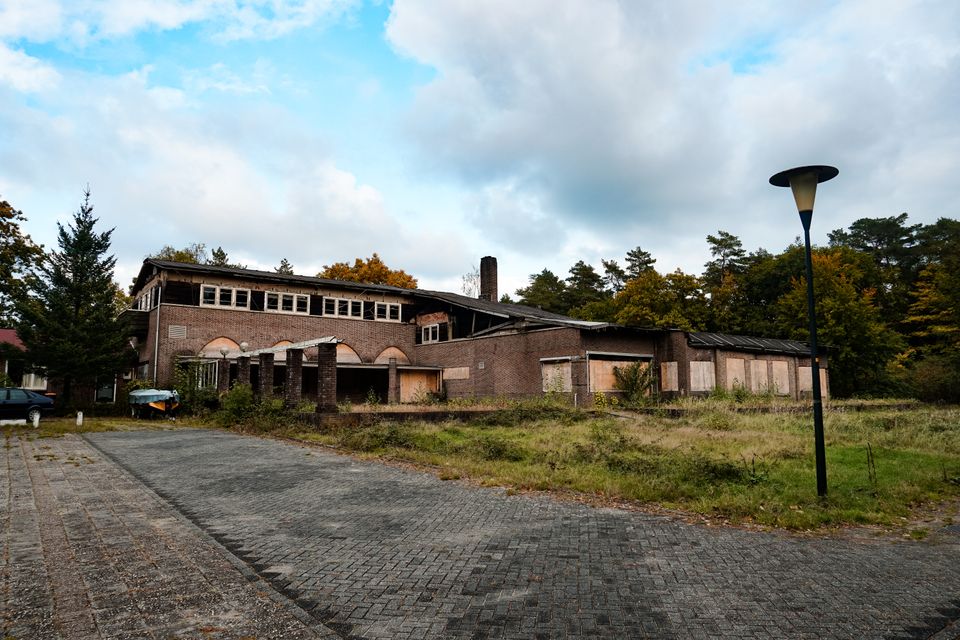
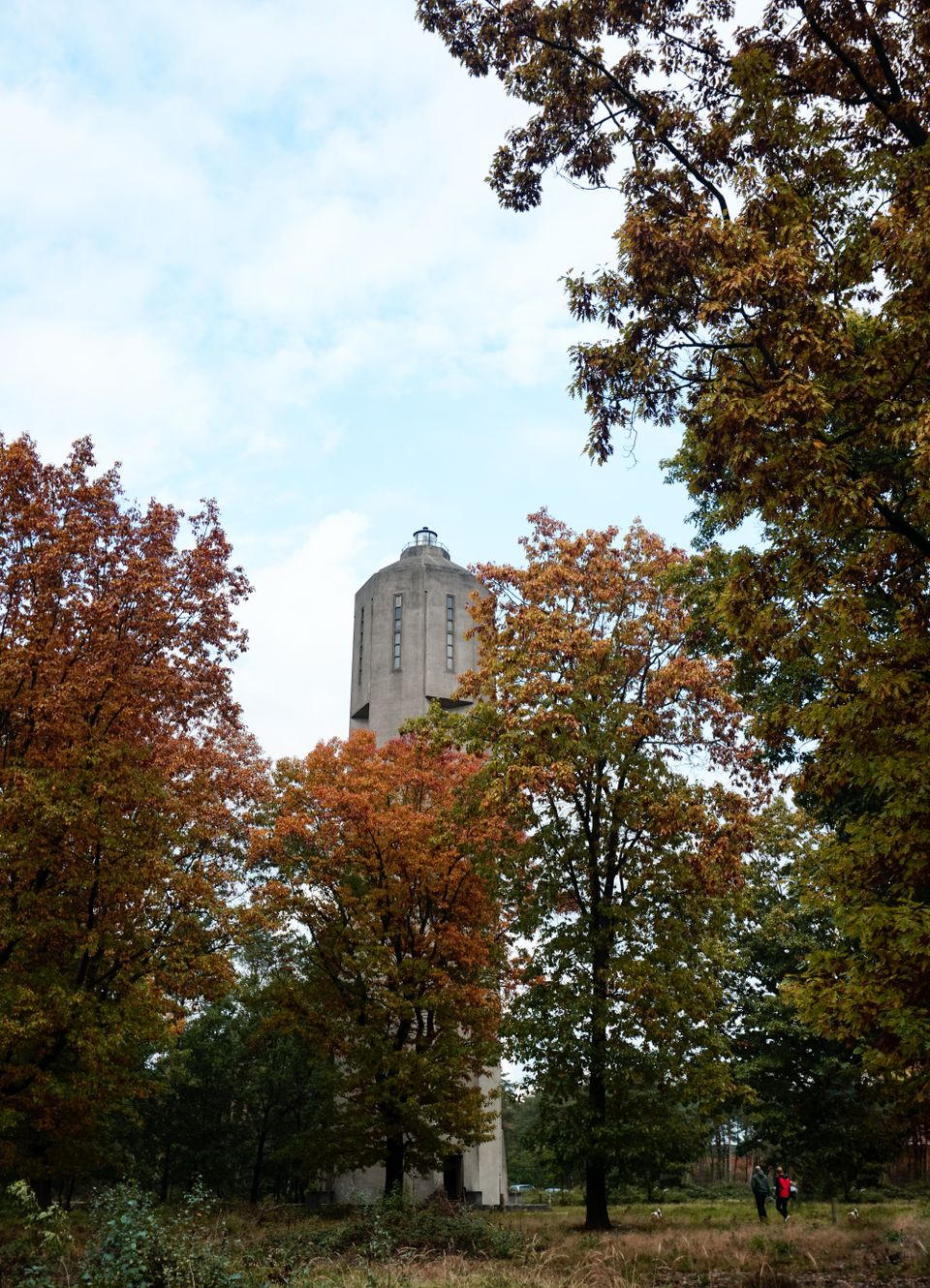
Walking down the driveway of Radio Kootwijk, we soon see signs pointing to the village of the same name. To keep the huge broadcasting station running, many workers were naturally needed. They were housed together with their families in this village, which was built especially for this purpose. Workers without families were allowed to stay in Hotel Radio, near the cathedral. We pause for a moment at the now dilapidated building. The water tower that once served as a water supply for the workers towers high above the trees in the background.
The employees formed a society in their own right. Radio Kootwijk was located fairly far from the inhabited world to avoid radio communication failures, and in the absence of a good road network to surrounding towns, the residents were therefore very dependent on each other. A close-knit community developed. Today, the village still has about 100 inhabitants and will exist for the foreseeable future. In 2012, it was declared a protected village. We decide to take another stroll through the village. The story of Radio Kootwijk is complete.

A full SD card and richer with special stories, we start our walk back. Before we turn into the forest, I cast one last glance at the tip of the cathedral towering above the trees. Something tells me I will probably come back here again.
Love,
Laura