

When I hear desert island, I quickly think of sun, clear blue sea and palm trees. Yet you can also find an uninhabited island closer to home. In fact, the Netherlands has quite a few unique and uninhabited islands. There are dozens of places where no people live and often are not allowed to go. The islands consist of untouched nature and are often home to many different types of animals. In this blog, I share with you three uninhabited islands within the borders of the Netherlands.
Rottumeroog & Rottumerplaat - Island group Rottum
Rottum is actually a collective name for a small group of islands consisting of Rottumeroog, Rottumerplaat and Zuiderduin. Rottumeroog is the main island of this island group. This island has existed since the 12th century but is slowly moving eastwards. The island has a rich history full of governors and rich merchants. Since the 1990s, this island has not been physically managed or inhabited and is home to special plants, birds, seals and insects.
Although Rottum used to be one big island, the construction of sandbanks created the neighbouring Rottumerplaat. These two neighbouring islands are also considered bird islands: sometimes this island is home to more than one per cent of the entire Western European bird population!
Zuiderdam Island
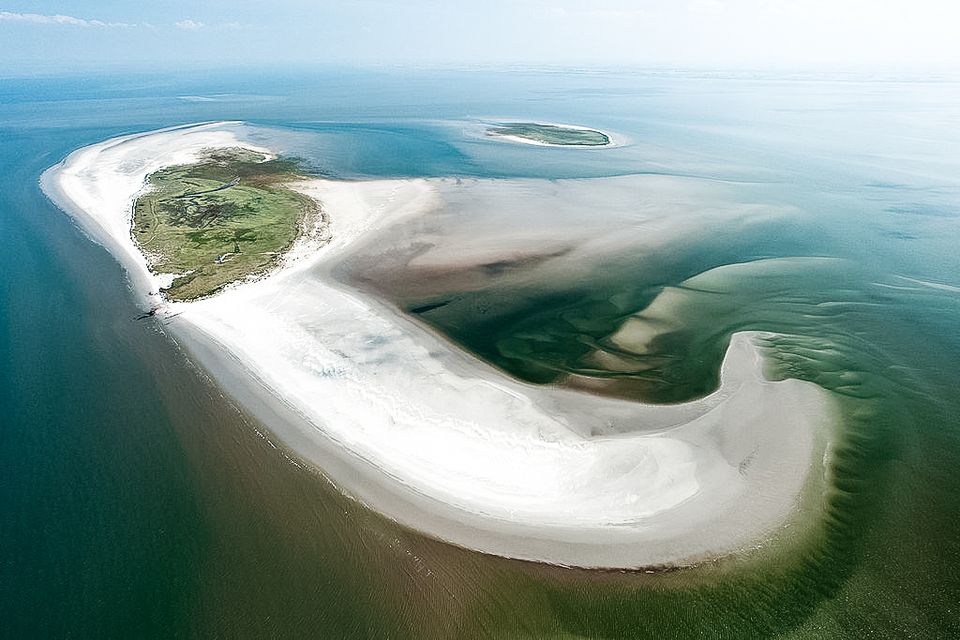
The heart-shaped island of Zuiderdam was created in 1930 after being naturally separated from Rottumeroog. The island is only tens of hectares in size and is unknown to many people because of its size. The difference in height of the two islands and the swelling waves created a channel through which, at low tide, the islands are briefly prohibited from each other again. When the sea changes and the high tide starts, the Zuiderduin is once again on its own. .
This small island is therefore also very important to many birds as an ideal place to flee from high water. The island is therefore considered a high-water refuge. This keeps many birds dry when the water rises, and they can rest here until the water subsides again.
Would you like to explore this unique archipelago? Staatsbosbeheer organises 24 expeditions to Rottumeroog every year. An adventurous trip where you set foot on this uninhabited island and walk along Rottumerplaat and Zuiderdam.
Tiengemeten - Holiday feeling close to home
This island is a beautiful piece of nature close to the village of Haringvliet, under the smoke of Rotterdam. Despite the fact that we include this island in a list of uninhabited islands, that is in fact not entirely true. Nine permanent residents live on the island and 26 permanent residents live on the care farm. This also keeps the nature around the farm beautiful. When visiting this island, you won't notice any of this, and there is plenty of time and space to wander the nature on your own or with company.
Tiengemeten used to be leased by farmers who were bought out in the 1990s. Since then, this 'uninhabited' island has been divided into three different areas where you will be surprised by varied nature.
-
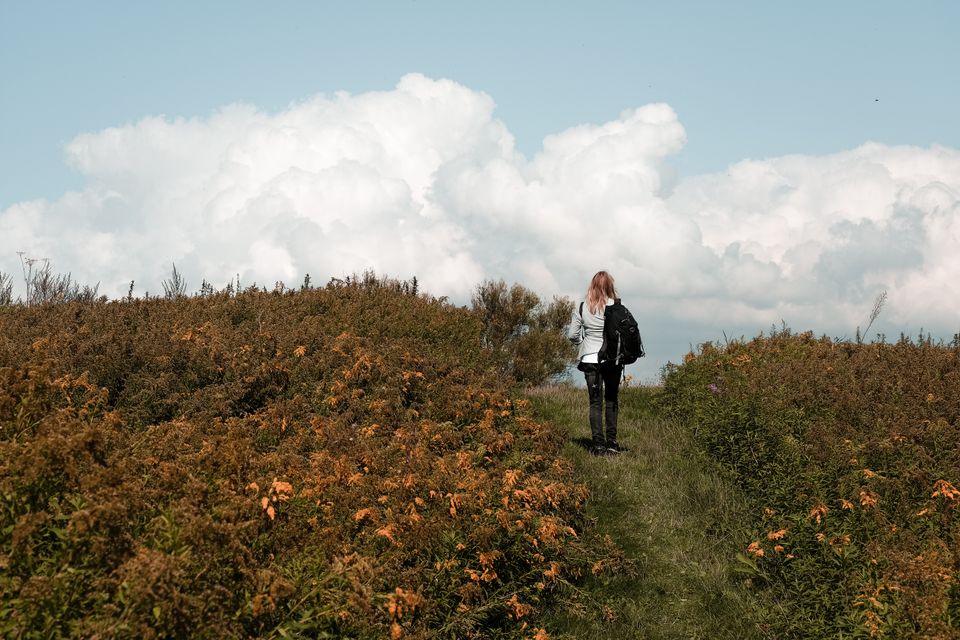
In the east of the island is the Oude Polder, the part of the island that used to be inhabited. Here, you walk through old farmland from the 19th century. Spread across small-scale fields, you will find flax and buckwheat, and in summer you can pick apples and pears in the orchard.
- Continuing your exploration on the island, you enter the bog, consisting of rough grassland and an open water swamp. For bird lovers, this is a veritable walhalla. Visiting this changing landscape, you can spend hours tracking unique bird species.
- There is also plenty to see on the west side of Tiengemeten. Here, water plays the leading role, creating a dynamic area full of untouched pieces of nature. One day on this island is actually not enough to discover the diversity of nature.
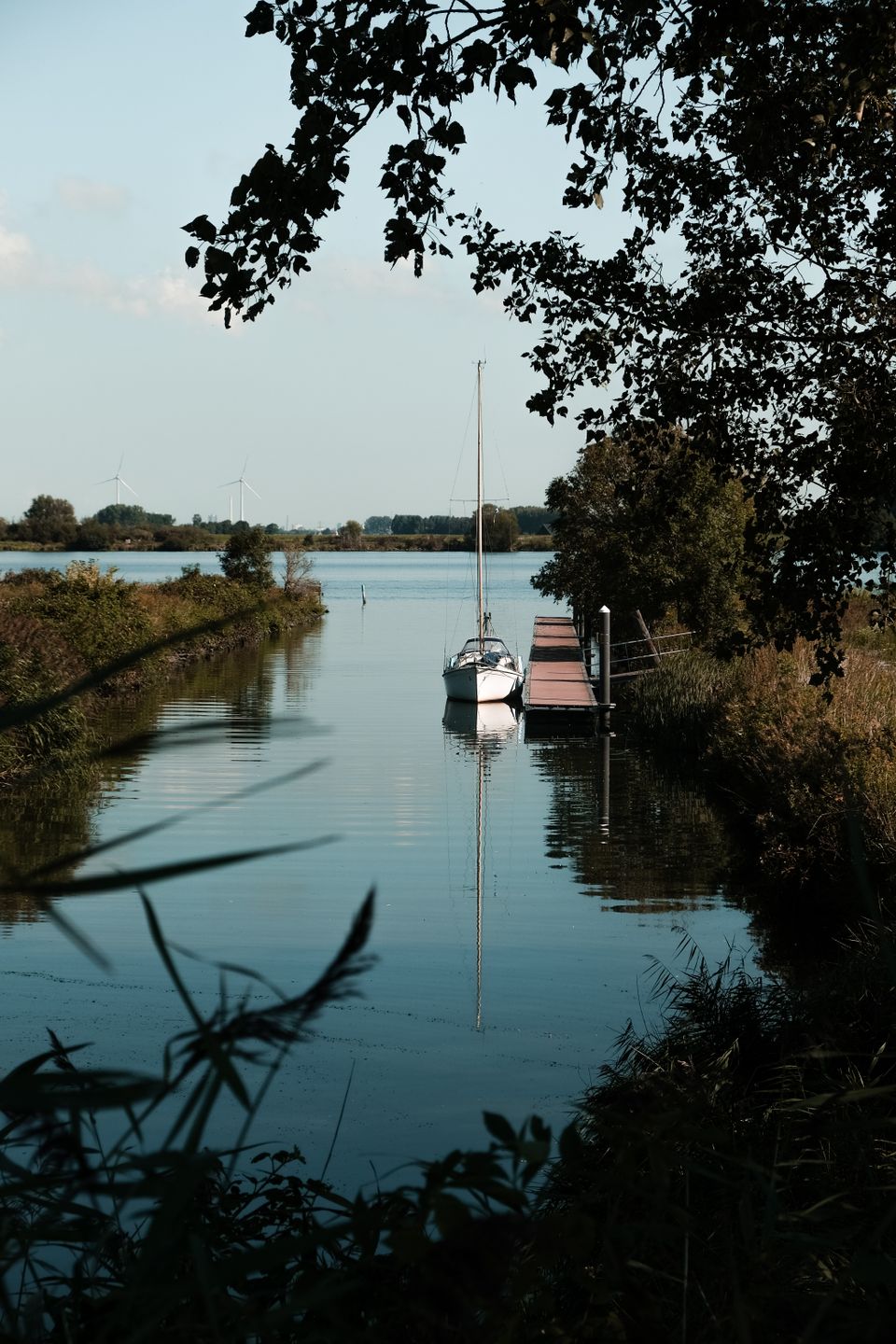
Would you like to visit Tiengemeten yourself? At several times of the day, a ferry to Tiengemeten departs from the village of Haringvliet.
Raging Globe - A dynamic part of the Netherlands
De Razende Bol, also known as Noorderhaaks, did not earn its nickname lightly. This uninhabited island between Den Helder and Texel is a dynamic piece of the Netherlands. Due to the changing tide, the movement of the rough Wadden Sea and the wind, this island is constantly on the move. During heavy storms, this island is briefly submerged and when the wind dies down again, you can see the island to the west of the Marsdiep.
This uninhabited island in the Wadden Sea was created because the water from the Wadden Sea meets the tide from the North Sea at low tide. The currents cancel each other out and the sand in the water slowly settles. Meanwhile, the Razende Bol is as large as 700 hectares at high tide.
De Razende Bol is an important area for many animals. When winter sets in in the Netherlands, many birds land on De Razende Bol. They rest here before migrating further towards their warm destination or they nest in the sandbank to breed here. But also during the summer months, many different bird species come to this island. You will find the herring gull, cormorants and even the endangered Great Tern here.
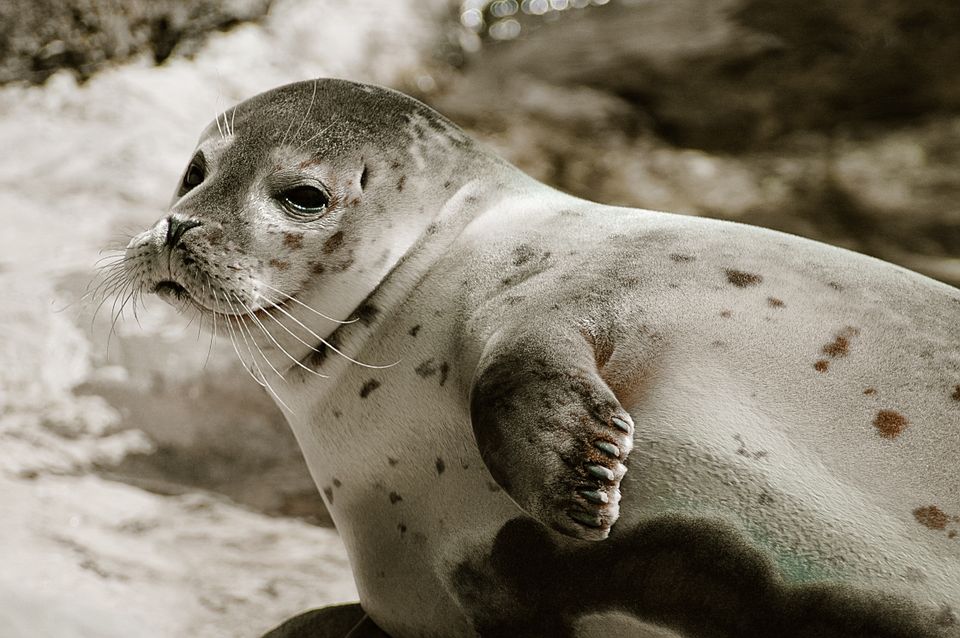
The Razende Bol is also important for the seals. No people come here for much of the year, so up to 350 grey and common seals gather here to give birth and suckle young.
The island is closed between 15 May and 1 November to give nature and animals on the island some peace and quiet. The rest of the year you can reach the island by private boat. Respect nature and animals, of course. This piece of the Netherlands belongs to the 2000-Natura area of the Unesco World Heritage List for a reason.
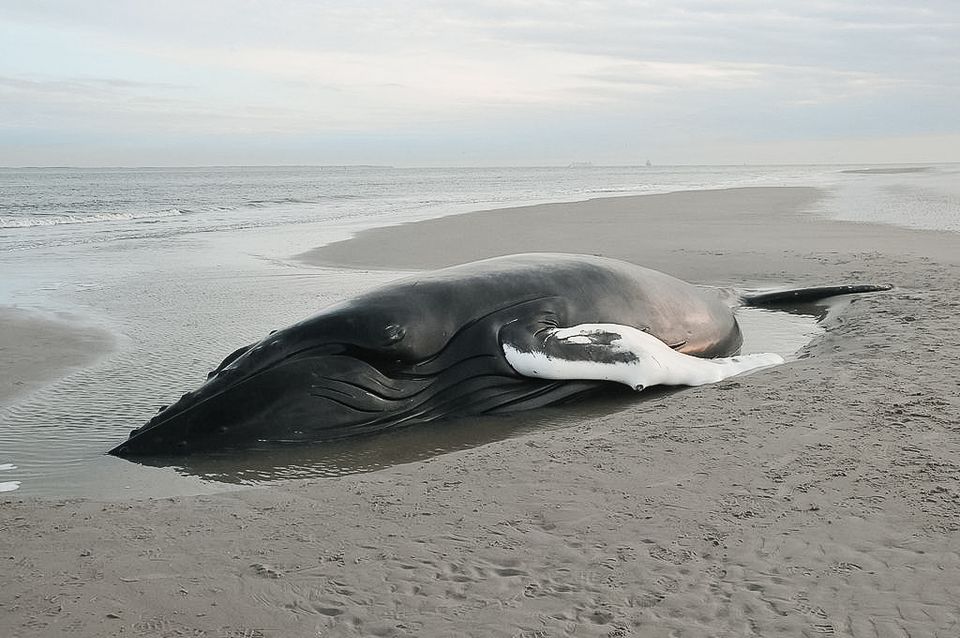
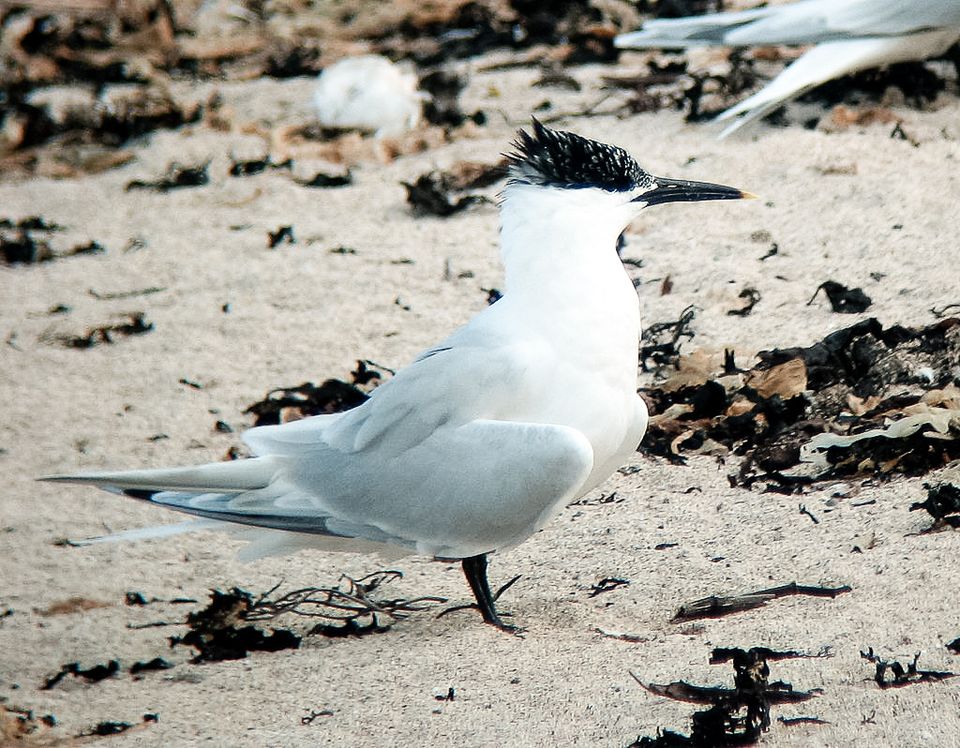
Dutch nature continues to surprise you. Yet this is only the tip of the iceberg. There are many more special uninhabited islands to be discovered in the Wadden Sea. Despite the fact that you cannot always discover the nature of these islands, it is still important to keep caring for these dynamic pieces of the Netherlands. So that dreaming away at an uninhabited island is actually closer than you think.
When will you discover the Netherlands’ uninhabited island? Share your most beautiful nature photo with us at @honeyguide.nl/en and don’t forget to tag us #heyhoneyguide!
Best wishes,
Maxim
Discover the Netherlands - Go into nature
-
Night-time mudflats to Ameland
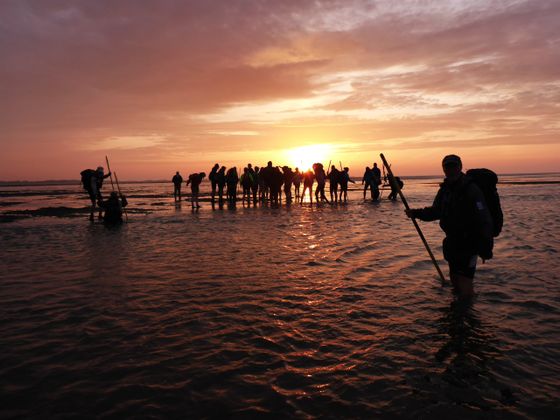
Renate de Backere talks about her best mudflat walking experience, crossing from Holwerd in Friesland to the Wadden island of Ameland.
-
Beachcombing on Terschelling
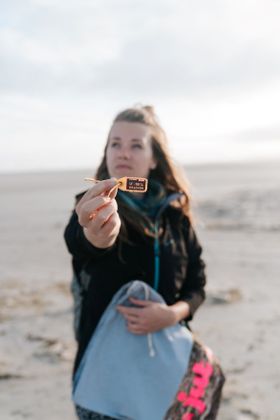
Honeyguide Maxim takes you to the beaches of Terschelling. In this guide, she shares 4 places where you can go beachcombing on this restful Wadden island.
-
Weekend on Voorne-Putten
Do you already know Voorne-Putten? Honeyguide Angelique spent a weekend on this Zuid-Holland island and tips you on the peace and space you will experience here.