

Have you always wanted to go beachcombing, but don't know where to start? Then you have come to the right place on the peaceful island of Terschelling. On the beaches of Terschelling, there is plenty to collect at the salt marshes and on the beach. Several organisations are committed to cleaning up and processing the found rubbish. In this blog, I list four of them for you.
What is beachcombing? - Litter & plastic soup
Beachcombing is the collection of (plastic) litter along the coast. Did you know that per hour a quantity of litter is dumped in the sea that could fill 11 Olympic swimming pools! Due to the tide of the sea and the force of the wind, this is washed up on the coast. Also on the beaches of Terschelling.
Animals get caught, eat it and microplastics end up in our food. So it is not only bad for nature, but also us. Your delicious bowl of chips with mayonnaise takes nine years to disappear from sight and your bottle of cola 450 years. It never disappears completely; because it breaks down into micro- and nanoplastics.
Fortunately, you can contribute to the fight against litter and plastic soup. Not only from home but also on the beaches of Terschelling. During your search, you will not only find litter, but also nature's treasures. There are countless algae and ray eggs to be found and with a bit of luck you can even see an egg capsule of the dogfish. Not only do you enhance nature, it is also incredibly educational. And if I am to believe Honeyguide Yalou, beachcombing is even a bit meditative.
1. Environmental Beachcombers Terschelling - Alone or together
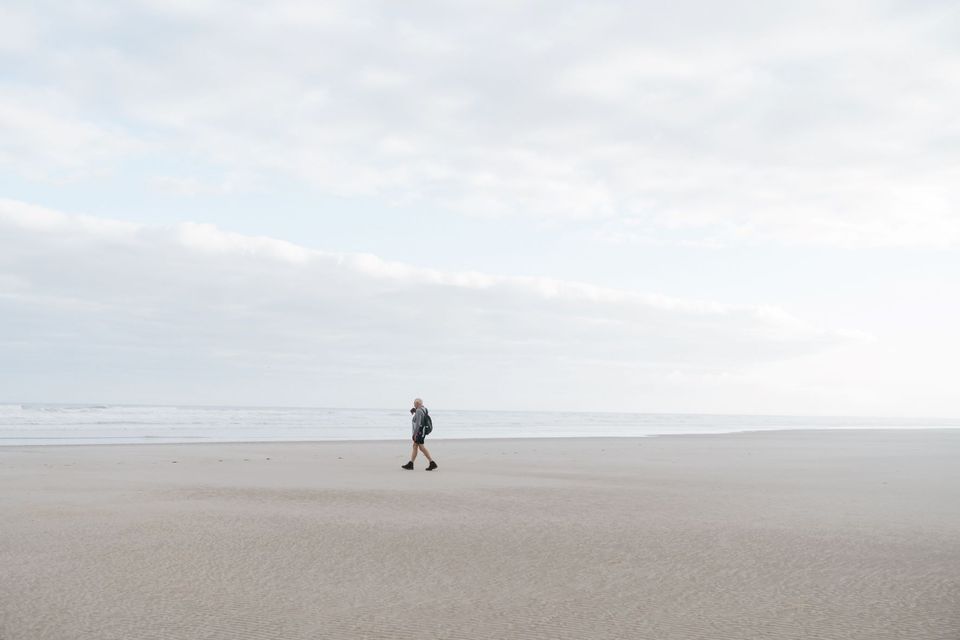
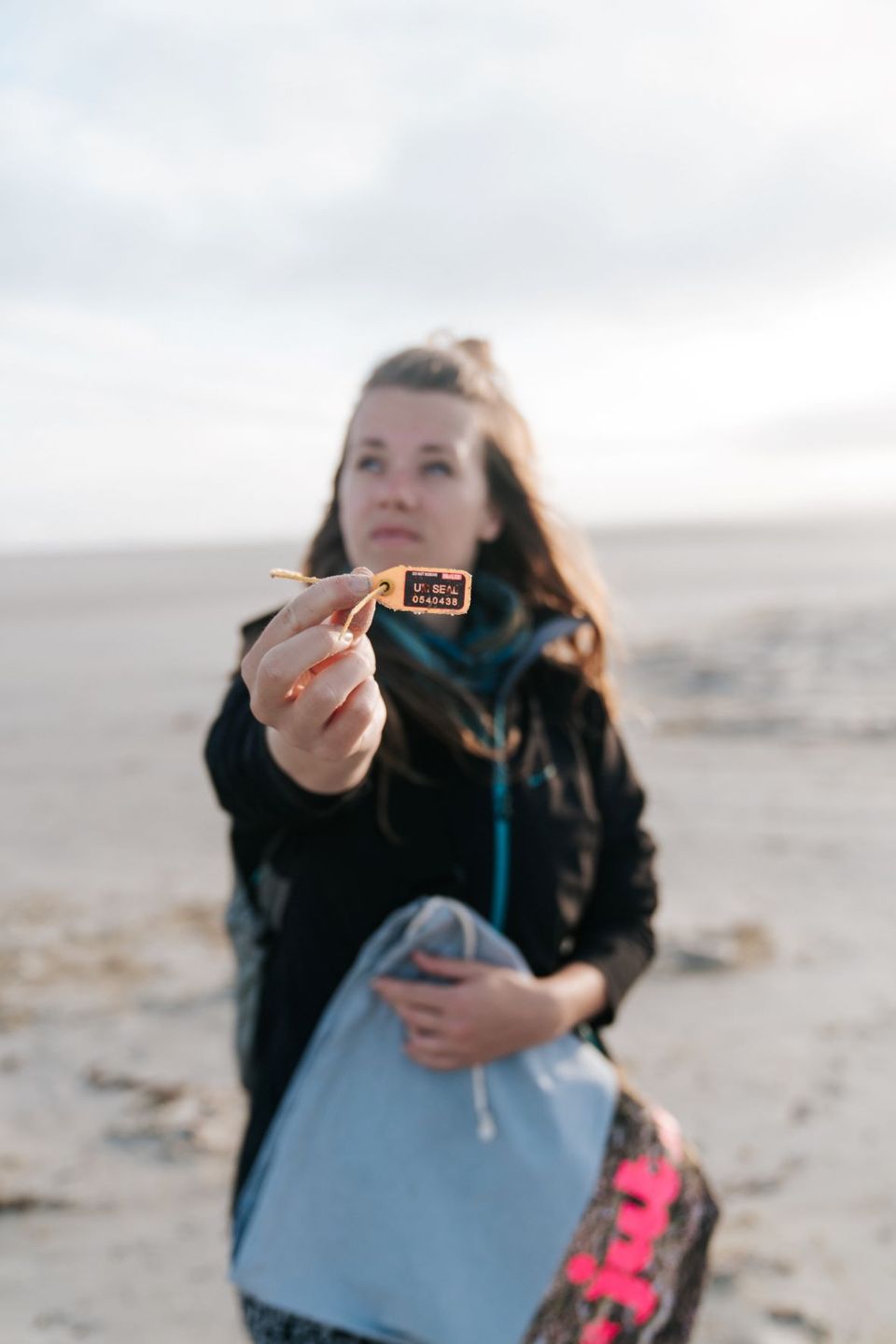
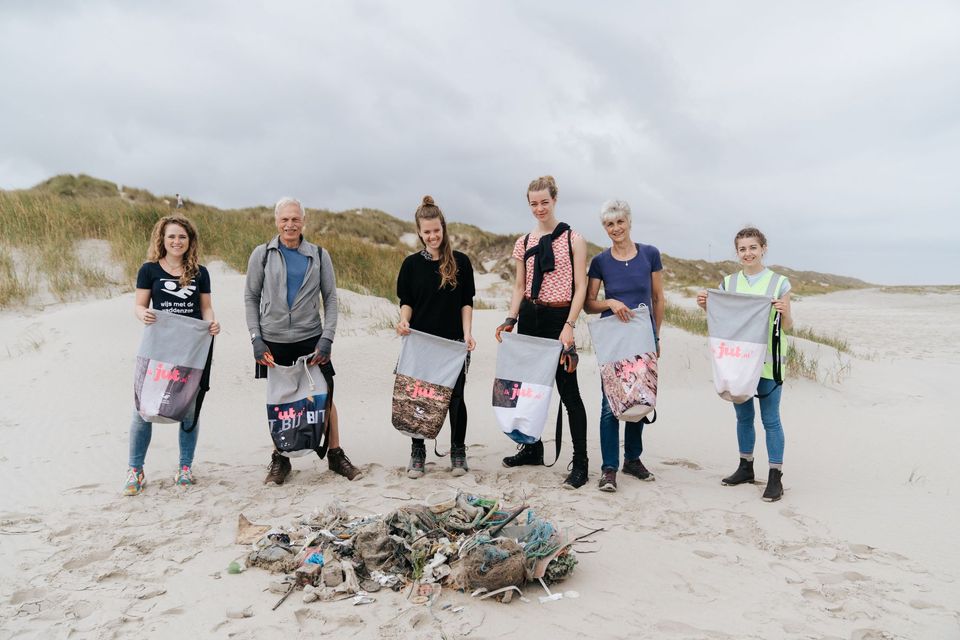
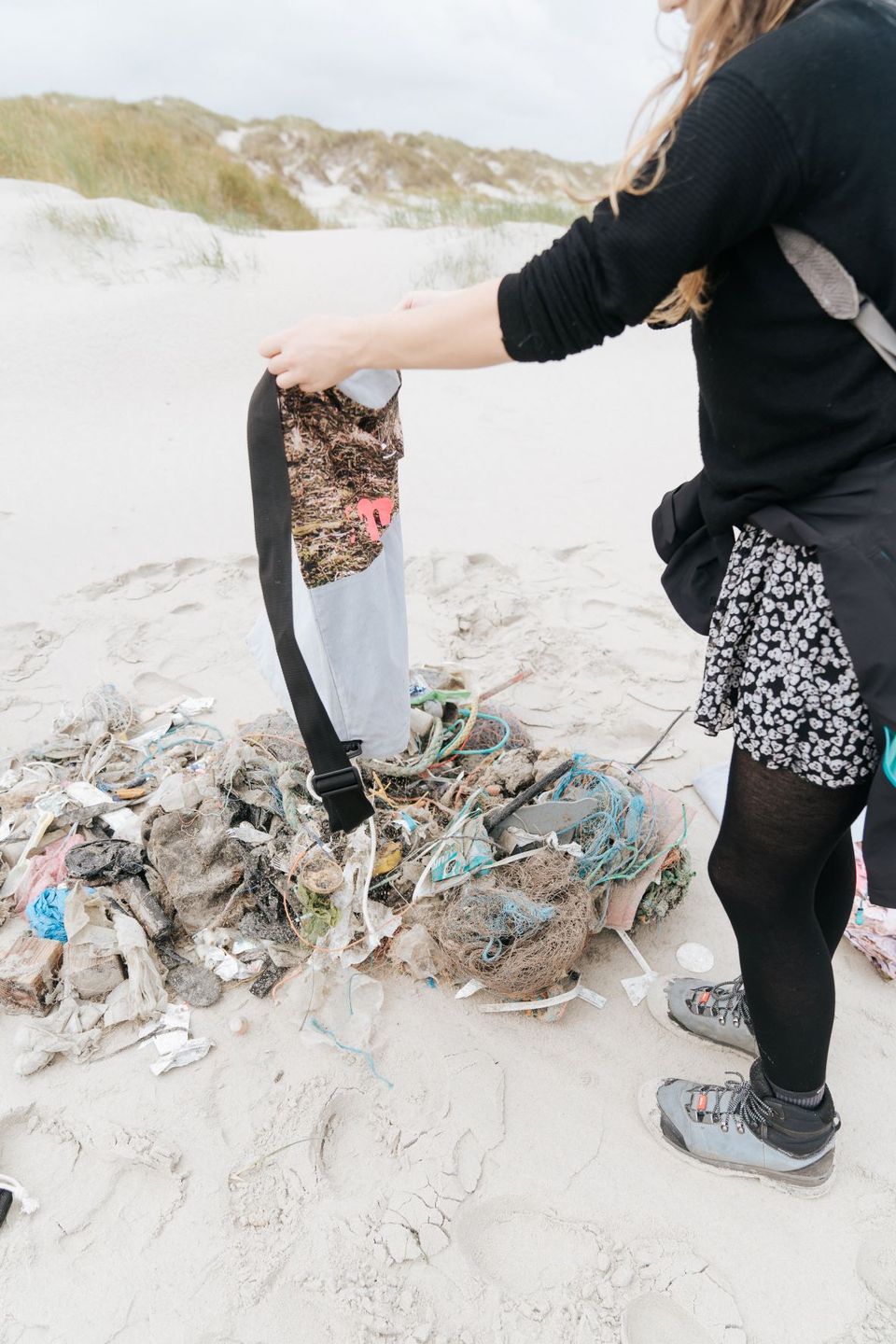
Go collect litter together with Guus, Jan or Flip of the Environmental Beachcombers . With a green jute bag under your arm, you stroll down the beaches of Terschelling. With a detective eye, you look for small pieces of plastic, caps or strings. At the Environmental Beachcombers organisation, they do everything to keep the beaches and dunes of Terschelling clean.
Would you rather do it on your own? That's no problem either. De Milieu Jutter has a waste container at every beach pavilion. Here you can throw away your rubbish after a long day of beachcombing. If you are very fanatical and can no longer carry the collected litter, they will come and collect it personally. All you have to do is forward your location to them!
2. Jut Safari - On safari in Terschelling
IkJut is an organisation where volunteers join forces to make a real difference on the beaches of Terschelling. By mudflat lovers and for mudflat lovers. Their motto; ''Together we roll up our sleeves''. This initiative started after the container disaster of mcs Zoe in 2019. The freighter lost one of its containers and the north wind turned Terschelling's beach into a rubbish dump. Mud lovers took action then and they still do to this day. Indeed, rubbish from the mcs Zoe still washes ashore daily.
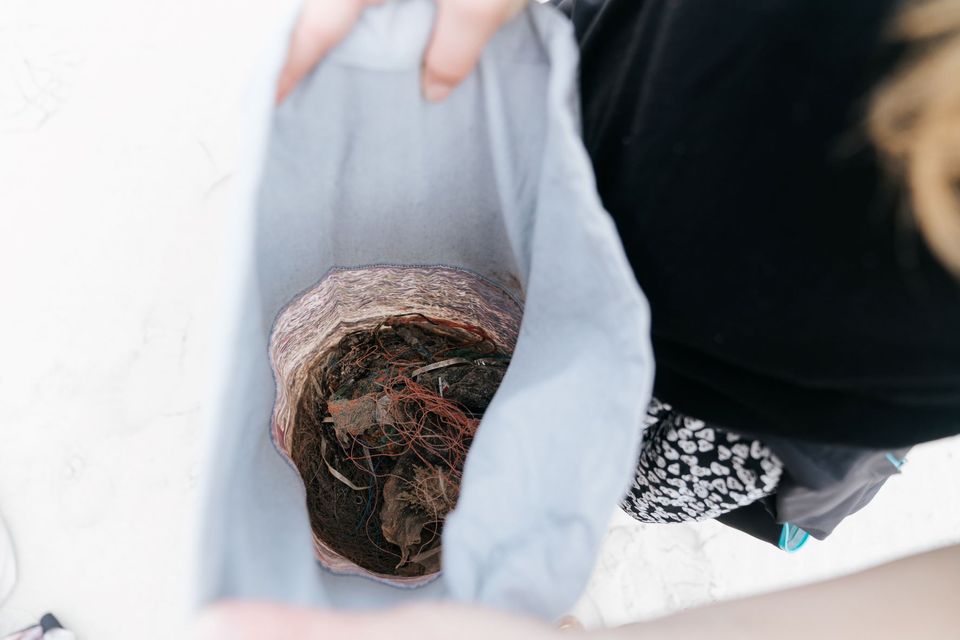
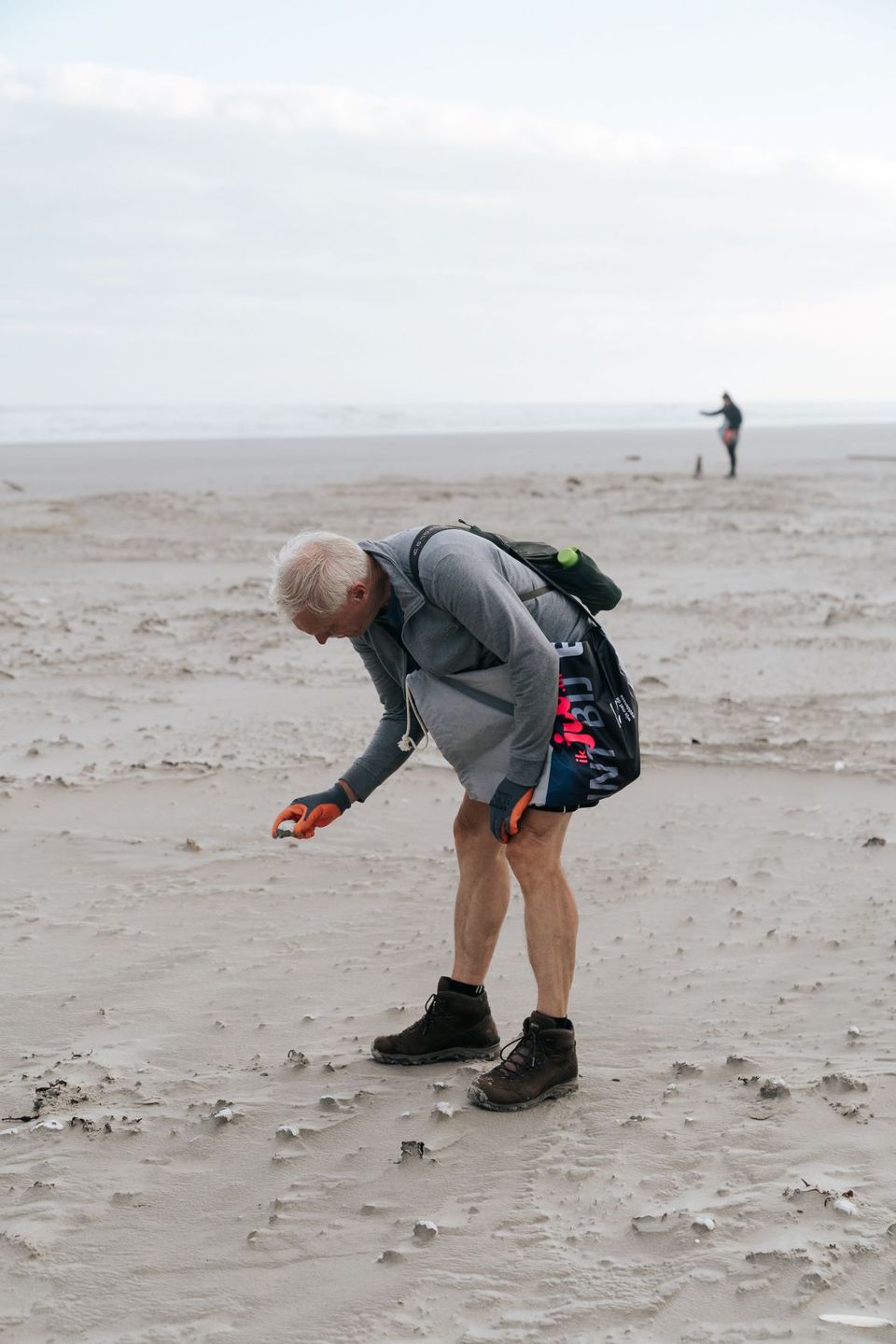
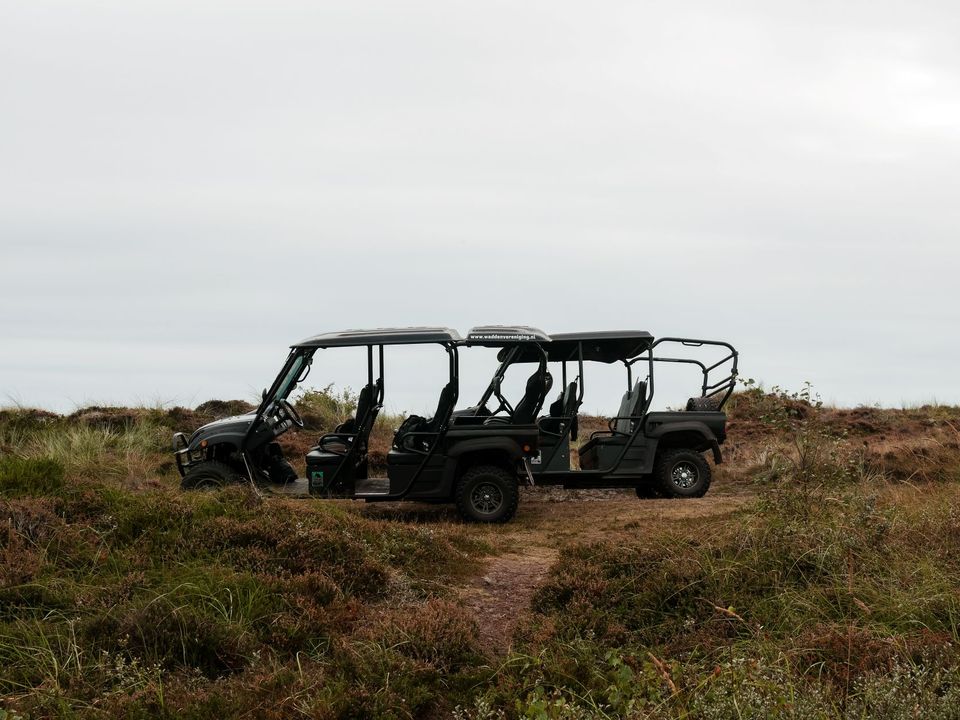
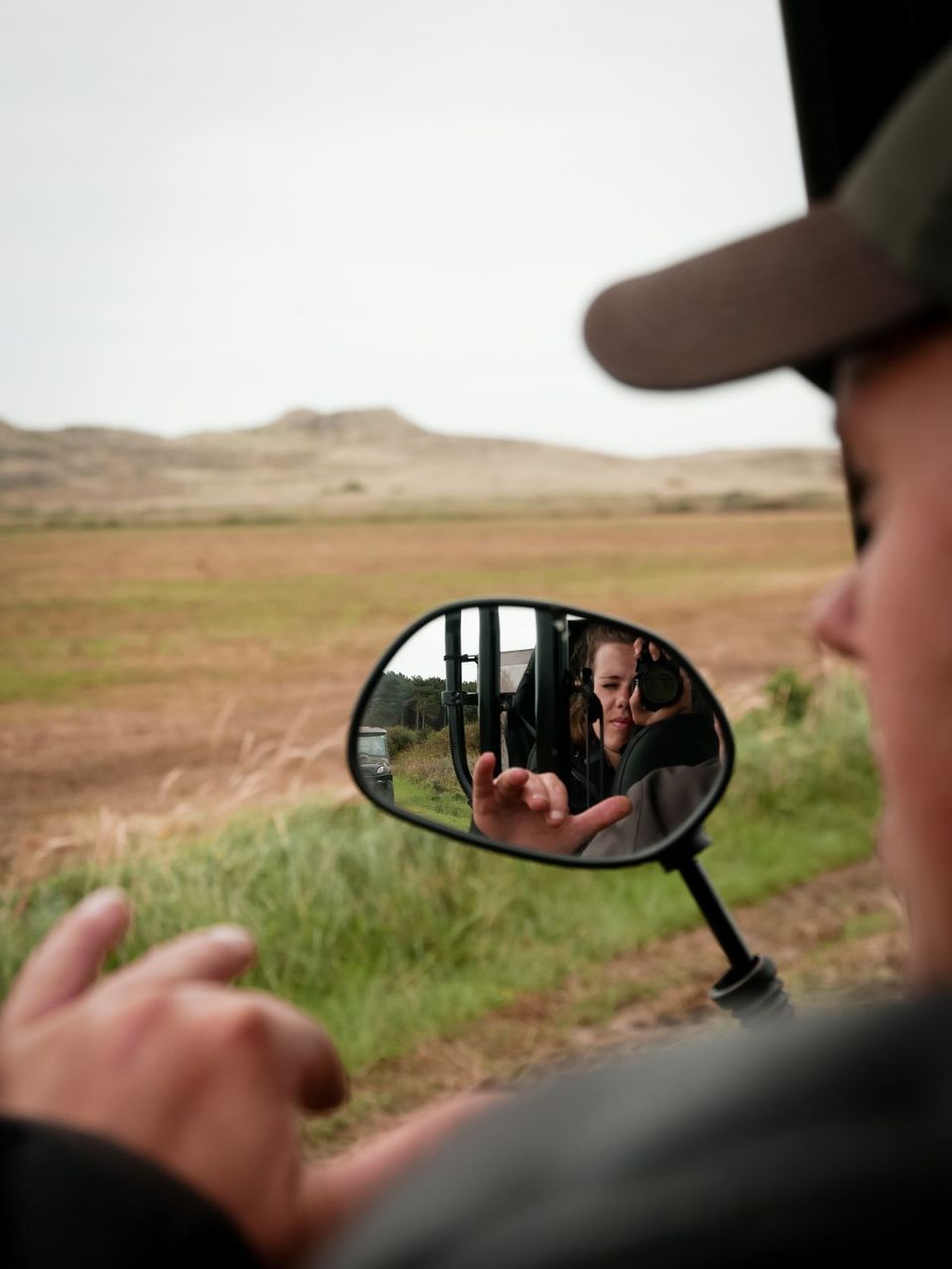
You too can help leave the beaches of Terschelling cleaner. IkJut organises monthly jut safaris. In an electric cart you drive over the unpaved roads of dunes and salt marshes. During this safari, you collect litter and learn more about the plants and animals of the island. So not only is it very educational, but you also leave Terschelling's nature in its original cleanest form again.
3. The Jut Factory Foundation - Tinkering with found waste
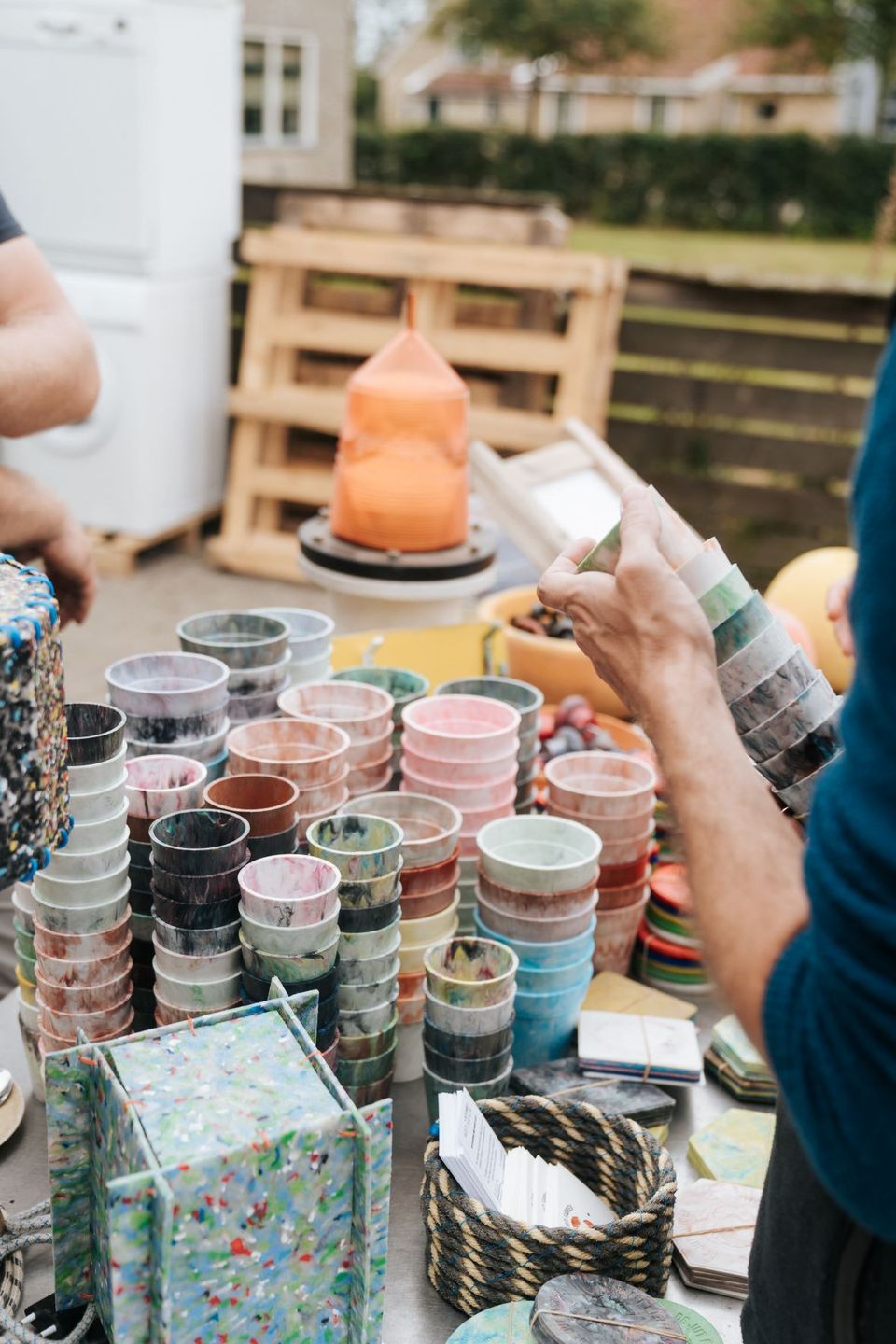
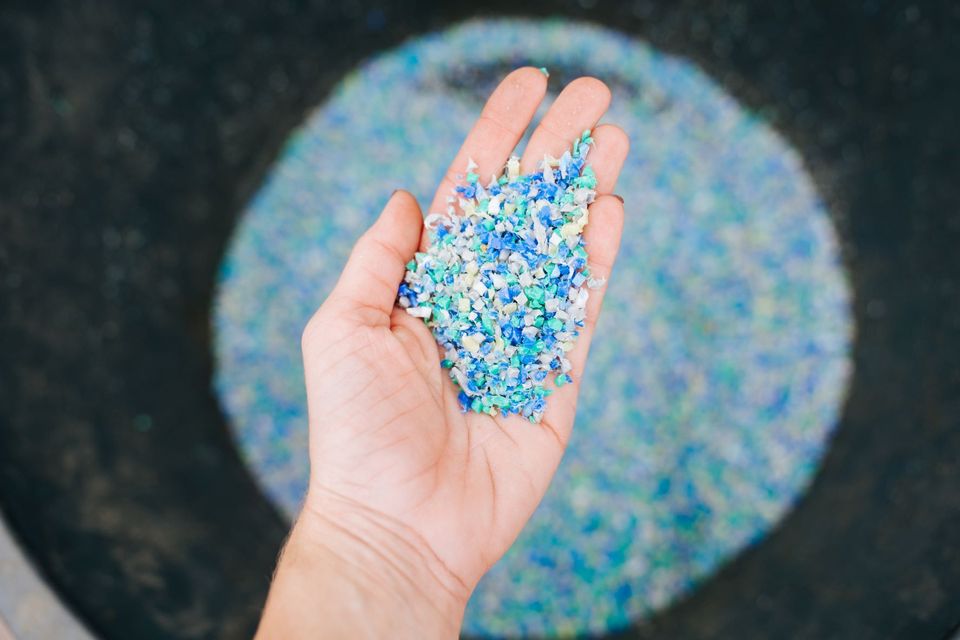
If you are not so keen on tracking down litter on beaches, salt marshes and dunes, you can also contribute in another form. Take a look at the Jut Factory. Stichting de Jut Fabriek works with the Milieu Jutter and gives new life to litter. Their mission? Giving attention to litter during workshops, collaborations and even information sessions in schools. Did you know that 5 to 13 million tonnes of plastic disappear into the sea every year? The Jut Factory recycles some of this found plastic.
You can help all the volunteers. During one of their workshops, you dive into the process of plastic recycling. Cleaning, remelting and processing into a new product. This is how you give found waste a new lease of life. Go home with new doorknobs, a coaster for your wine glass or new coat hooks to hang your favourite coats on at home. There is no better souvenir.
4. Jut XL - Making a big difference
Islanders, travellers, nature lovers and real sleuths join forces once a year during a Jut XL event. JutXL was started by the Wadden Association, working step by step towards a clean coast. They do this together with jut organisations across the island. Honeyguides Yalou and Adriënne took part in the first JutXL event at the end of September.
During JutXL there are various jut expeditions, also to places you normally don't get to easily. For instance, some of the beachcombers went to vulnerable nature reserves such as Boschplaat. An important area for flora and fauna that is endangered by (plastic) waste.
Through such a large action as JutXL, beachcombers make a big difference in a short time. Last September, 110 beachcombers together collected 1,120 kilos of waste. Over 700 kilos of this was plastic waste. Now we are not there yet. At the moment, 800,000 kilos of waste are still wandering in the sea. So JutXl could really use your help next year!
Terschelling is not the only place for a day of beachcombing. Scattered over the Dutch coast are organisations that like to take you on a beachcombing adventure. One example is the Grondstofjutters in Noordwijk. At the moment, 150 million tonnes of plastic still litter the oceans. This washes up on beaches every day and has major consequences for animals, people and, of course, nature. Let a day out on the beach go hand in hand with cleaning it up.
Tag us in your beachcombing photos with @heyhoneyguide; together we clean up.
Best wishes,
Maxim