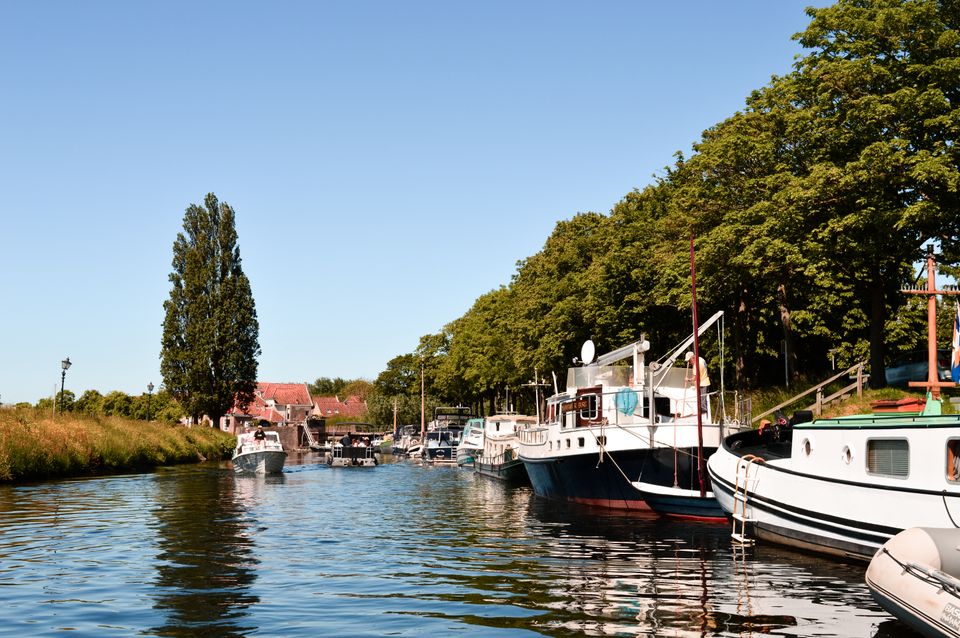
Step by step I turn into the centre of Brielle, the historic harbour where it is a coming and going of boats, on the left. It's around half past 10 when I park my car in the already sun-drenched car park at Camping de Meeuw. In cooperation with OP Voorne-Putten and Simone Wittgen, we are organising a cultural instameet today where we will dive into the past and present of Voorne-Putten, an island just below Rotterdam, together with a group of Instagrammers. With the sun high in the sky, we start this inspiring day.
Voorne-Putten - The island of contrasts
The fact that the Netherlands has so many unique islands is something that even I did not realise until recently. So until today I had never set foot on Voorne-Putten, even though it is relatively close by. From Rotterdam it is only a half-hour drive to Voorne-Putten and from the rest of the country it is a matter of crossing the Hollands Diep via one of the connections. So no reason not to dedicate a free Saturday to a day on Voorne-Putten. After all, this is one of those places where you walk around and keep asking yourself why on earth you haven't been here before.
Voorne-Putten is the island of contrasts. One moment you are here spotting the local Big Five in one of the nature reserves, the next you are on the beach of the Maasvlakte with the contrasting skyline of industry of Rotterdam in the background. Fortified towns like Brielle and Hellevoetsluis no doubt steal the hearts of many a history buff, and landmarks like Droogdok Jan Blanken and Bedevaartskerk Brielle make culture sniffing a particularly addictive activity.
Holiday atmosphere on the Brielse Meer - Start the day well on Voorne-Putten
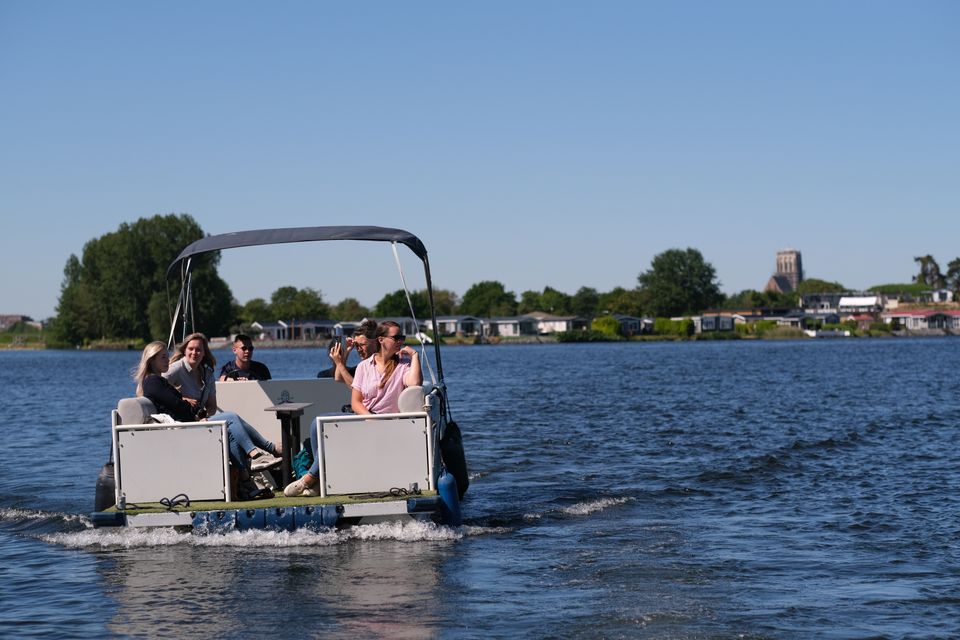
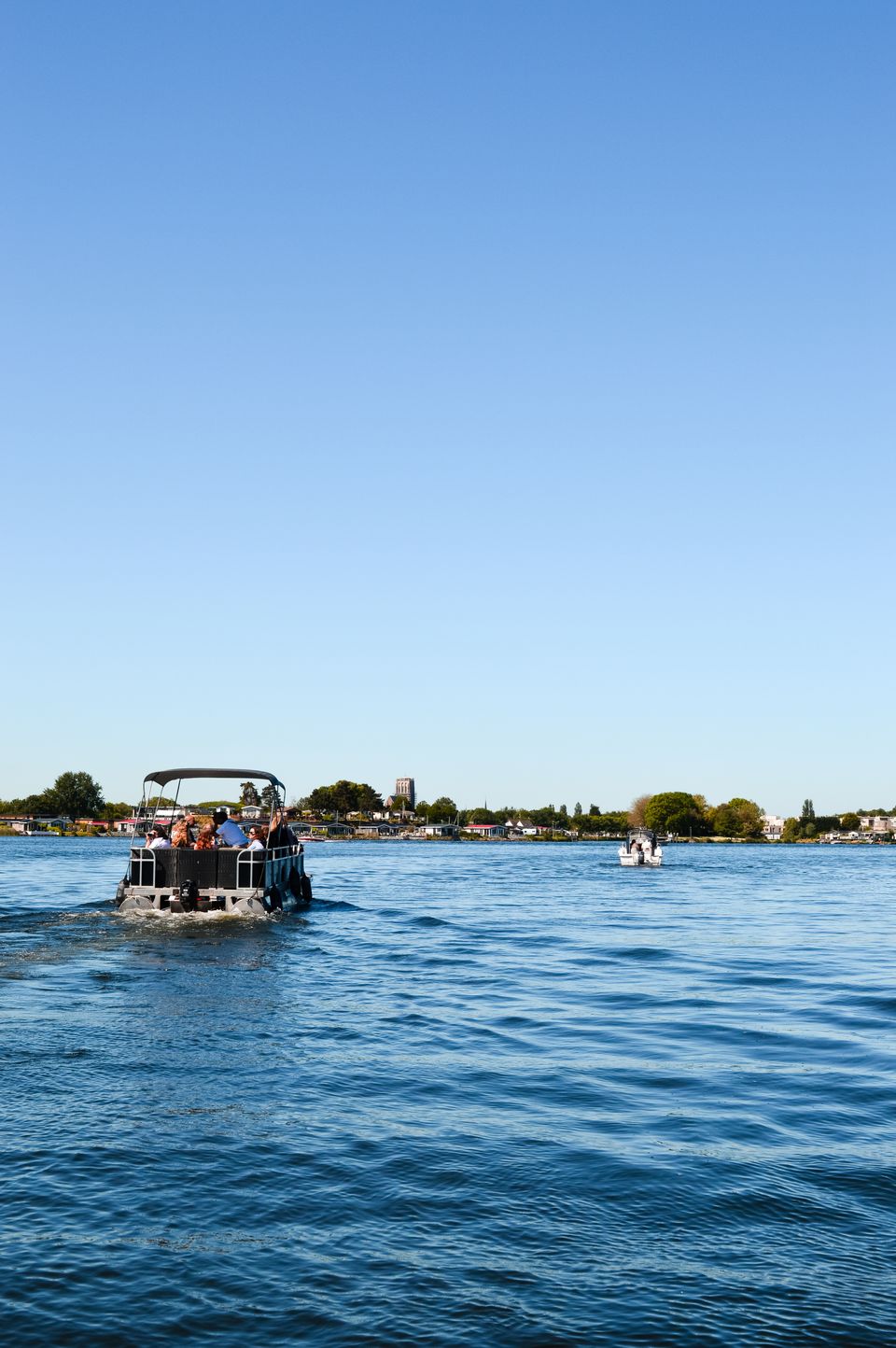
The programme starts in Brielle, which can rightly be called a very good start of the day. We board the boats that are already waiting for us in the harbour and are taken on a short trip across the Brielse Meer. Everyone seems to be in the holiday spirit on this sunny day. There are boats bobbing all over the lake, with sunbathing owners on the roof. There is diligent paddling by a group of youngsters on SUPs and here and there a fisherman waits patiently along the shore until he has a bite.
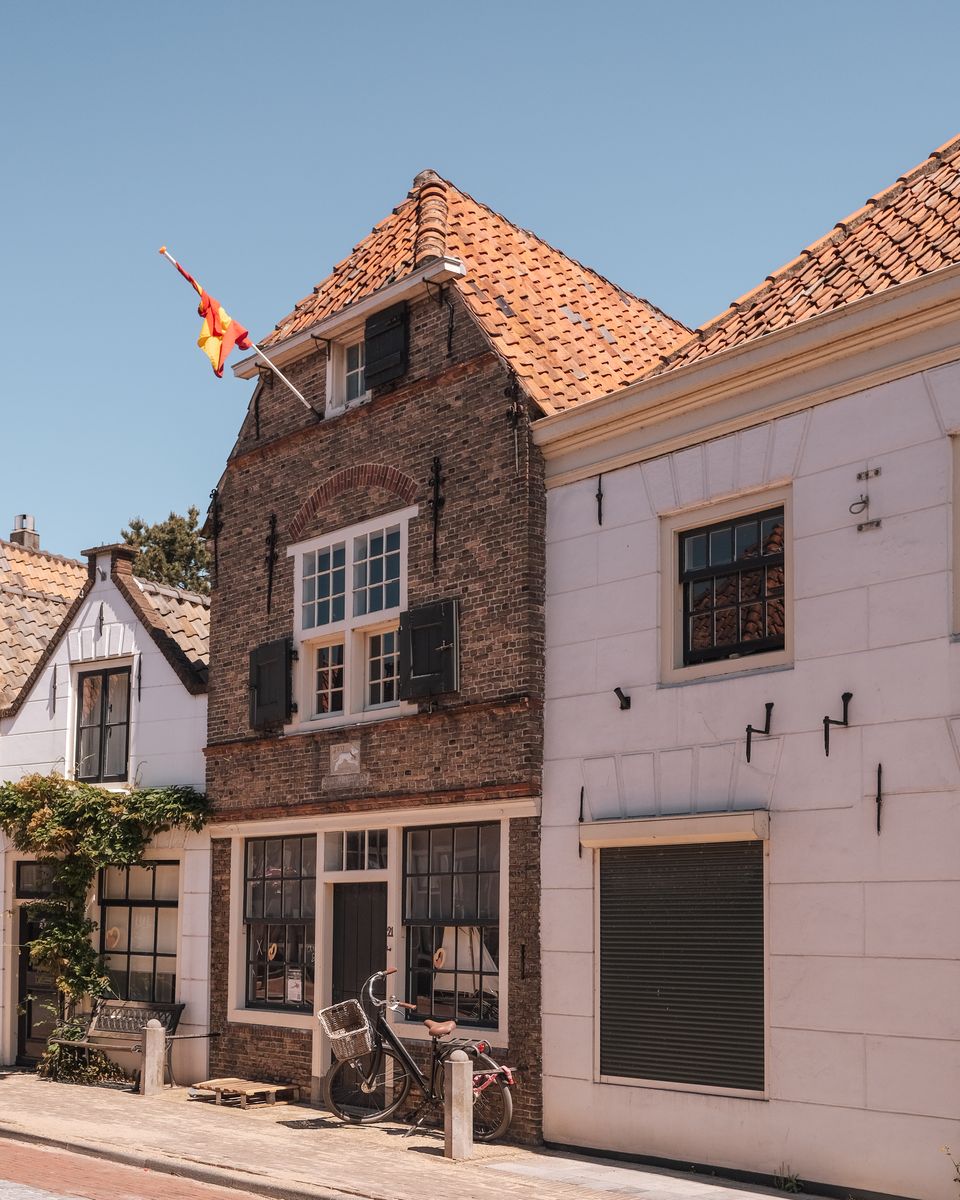
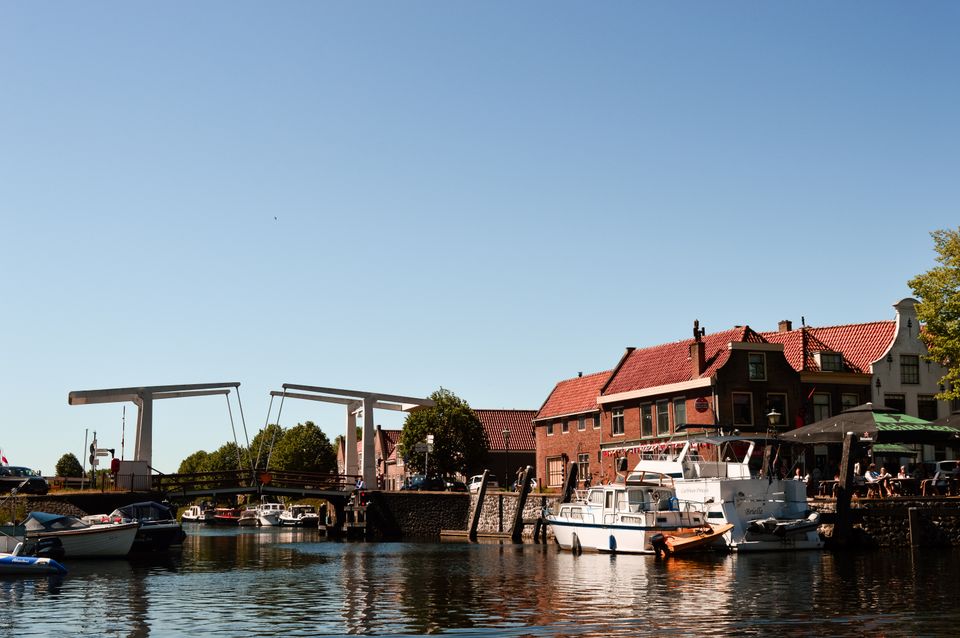
After a round trip on the Brielse Meer, we sail back towards the city centre. Soon the church tower of Brielle looms up as we sail in through the city walls. Brielle is a fortified town, so the city walls form a star from above. The 17th-century fortress is a genuine national monument and is among the best-preserved defences in the Netherlands. Part of Brielle is therefore a protected townscape and with almost 400 (!) national monuments, the city - together with Harlingen - counts the most monuments per inhabitant in the Netherlands.
City walk Brielle - 1.572 metres distance please!
During the city walk that follows the boat trip, we see signs with '1.572 metres distance' in several places because of corona. Why they now use this particular number in Brielle soon becomes clear when we talk about an important event in Dutch history.
To do so, we jump back in time, to 1 April 1572 to be precise. The Netherlands was occupied by Spain and the Eighty Years' War was in full swing. During this period, the Water Beggars formed the resistance fighters who stood up as freebooters at the beginning of the Dutch Revolt. Once they managed to take a Dutch town and make the Spaniards retreat, the foundations of the Dutch state's struggle for independence were laid.
Which city was taken first by the Sea Beggars? Right. Brielle! This has given the city an important place in the history books. Every year, this event is commemorated during the 1 April celebrations in Brielle, when the people of Brielle enthusiastically re-enact this memorable spectacle.
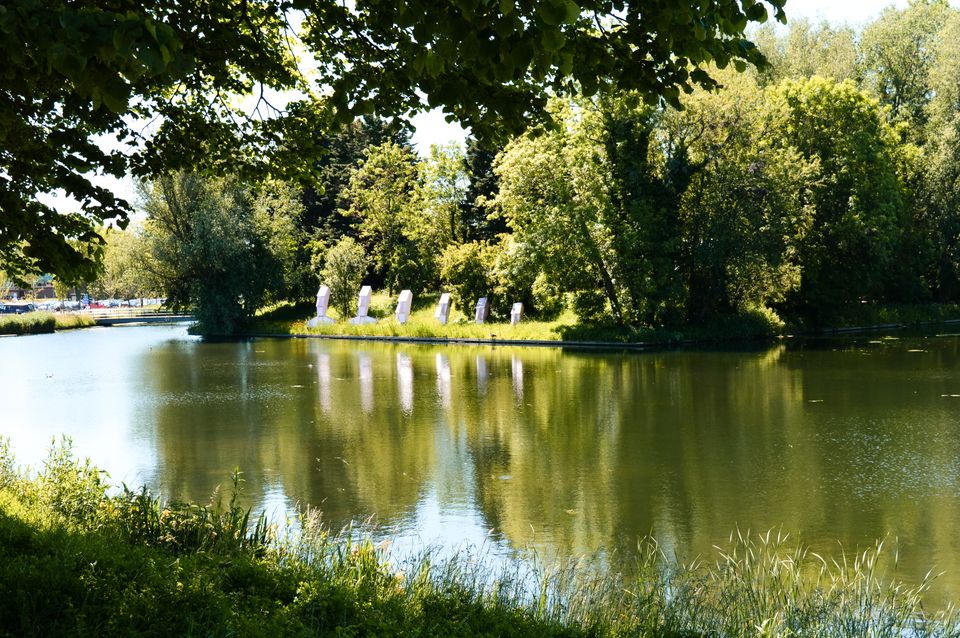
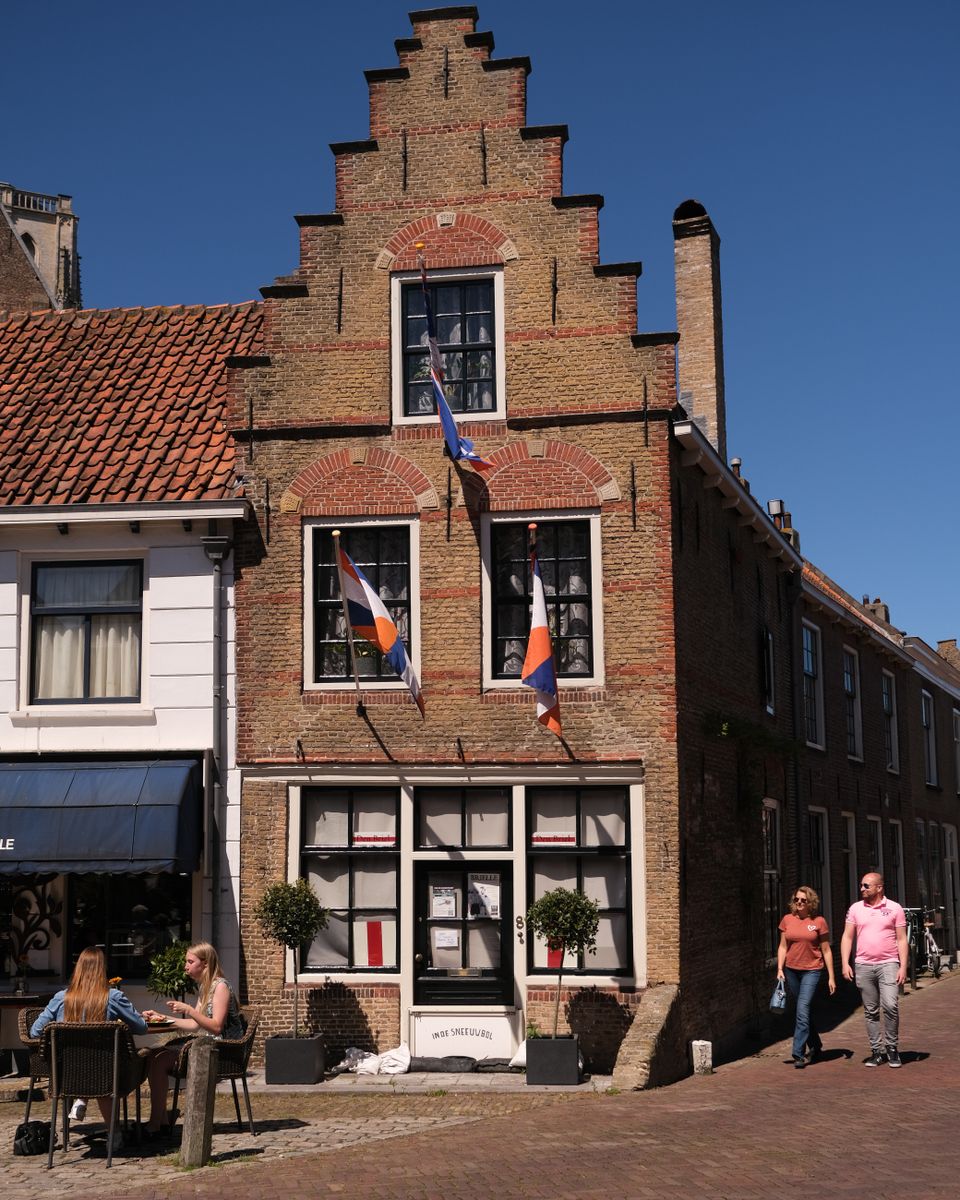
Pearls of Brielle - From national monument to national monument
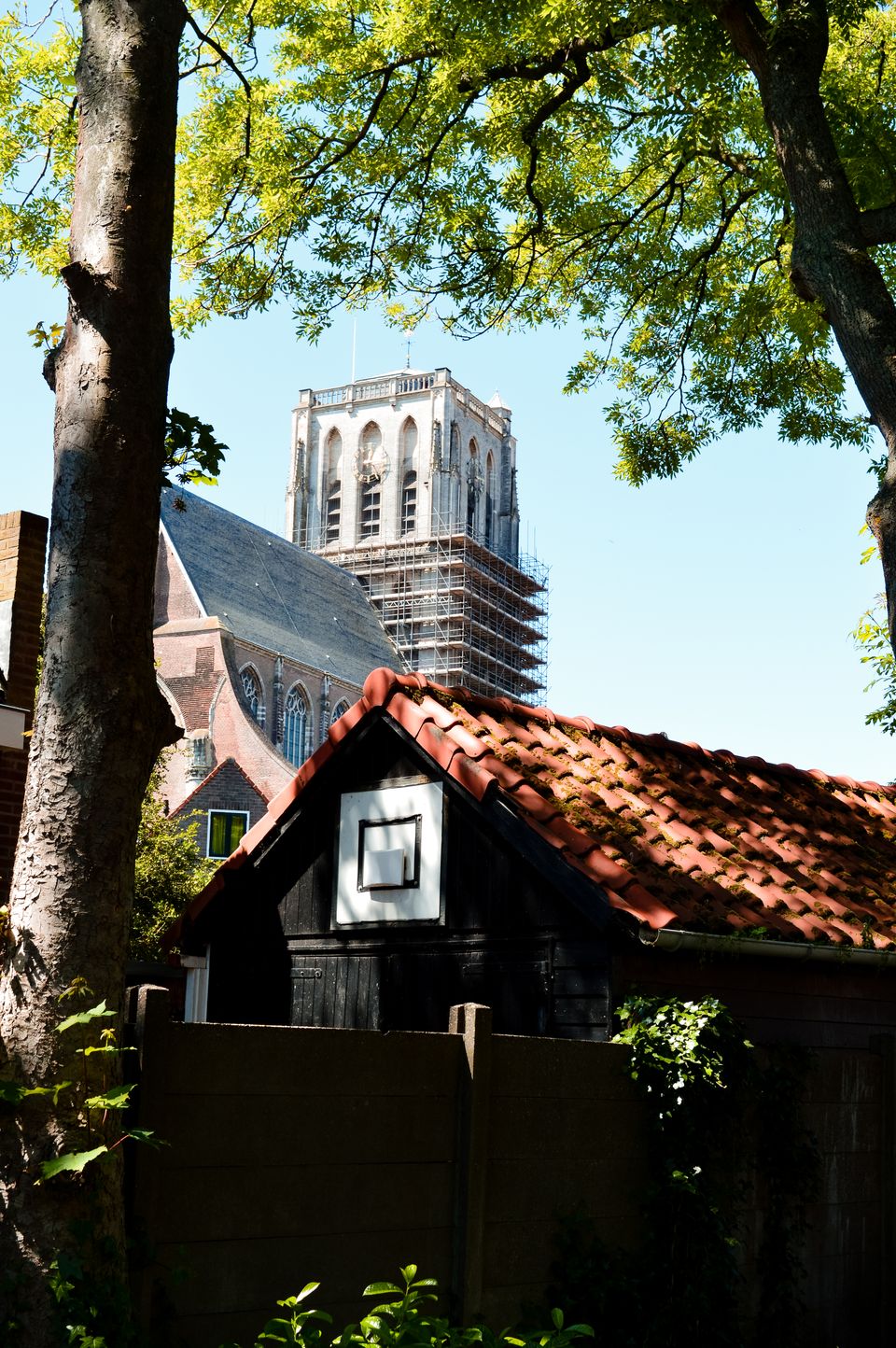
The city walk through Brielle takes us past all kinds of gems of the city, such as the striking Sint-Catherijnekerk. If the original design is to be believed, St Catherine's Church was supposed to be the largest in Holland. But when a fire broke out after construction started, the money went through unexpectedly quickly anyway, and construction had to be halted in 1482. The result? A stubby tower 57 metres high. Oh well, it didn't become any less of an eye-catcher because of it.
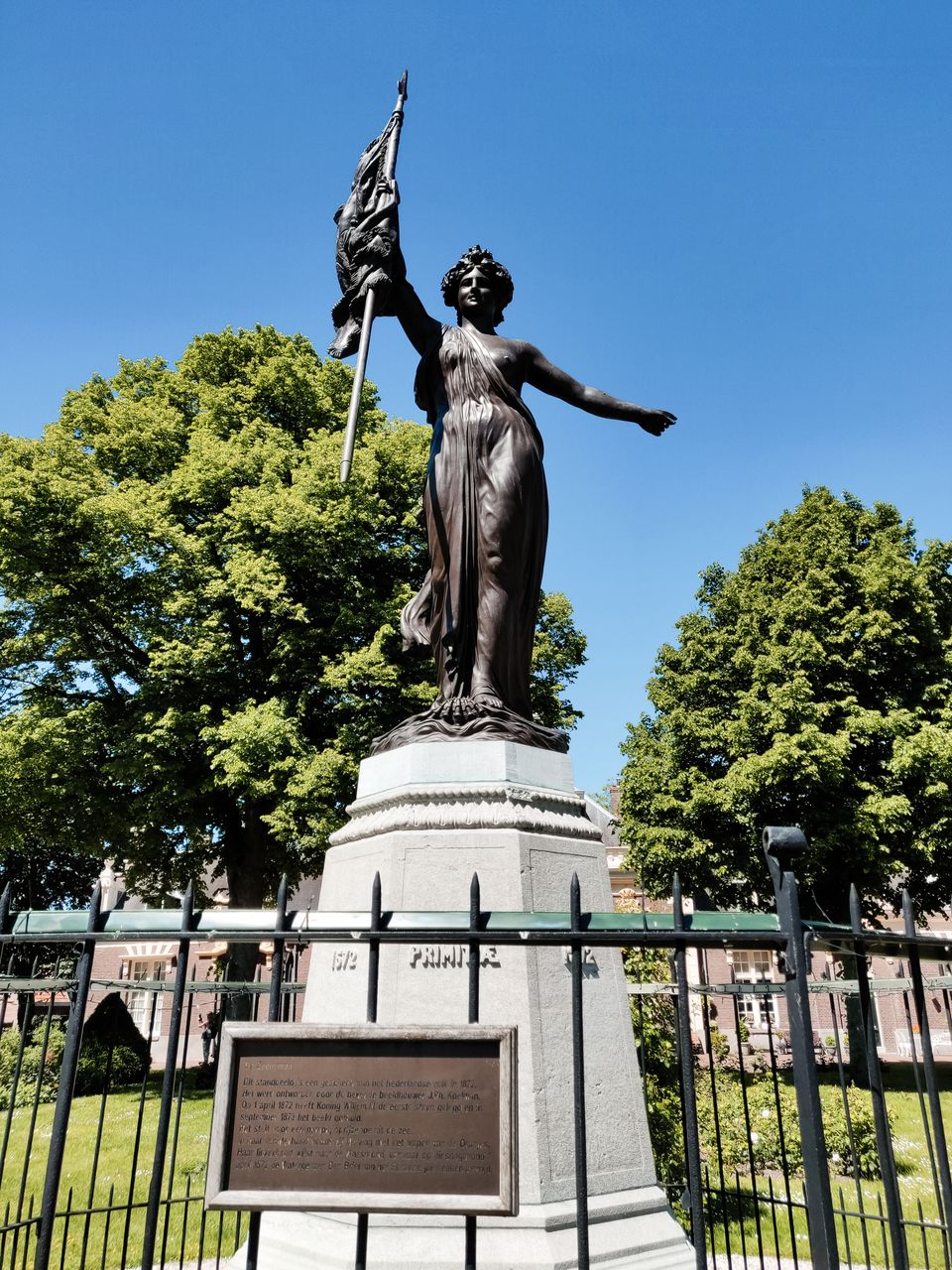
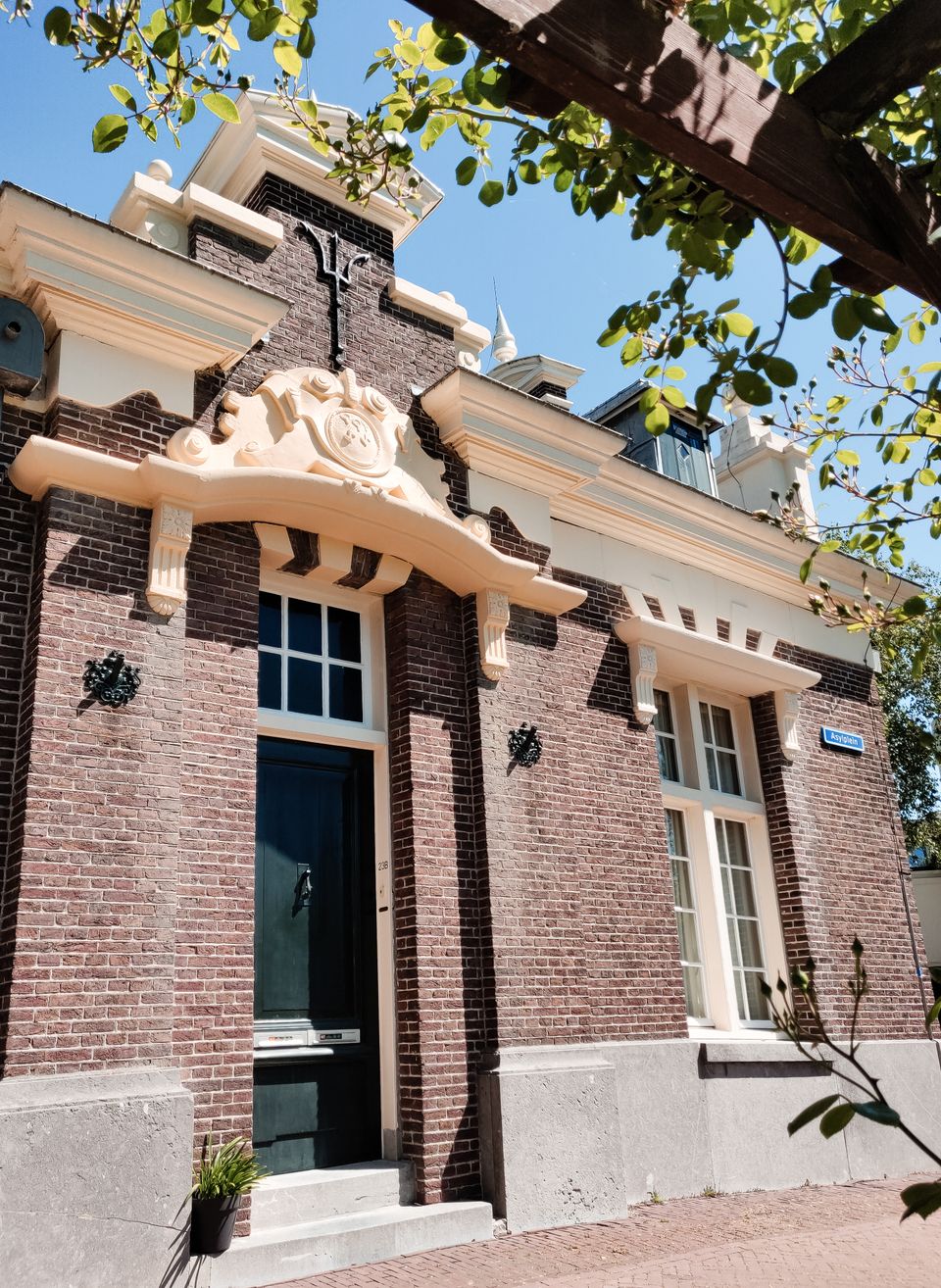
The next gem on the route is the Asylplein. The 14 houses surrounding the square were inhabited several centuries ago by old and infirm sailors who were allowed to live out their last days here. And well, there are worse places to spend your old age, I guess. In the public garden in the middle of the square, the statue 'The Zeenimph' catches my attention. The bronze woman points with one hand to the Maas estuary from where the Sea Beggars came ashore in 1572, in her other hand she carries the flag with the coat of arms of the Orange family. The Asylplein including statue has now been recognised as a National Monument.
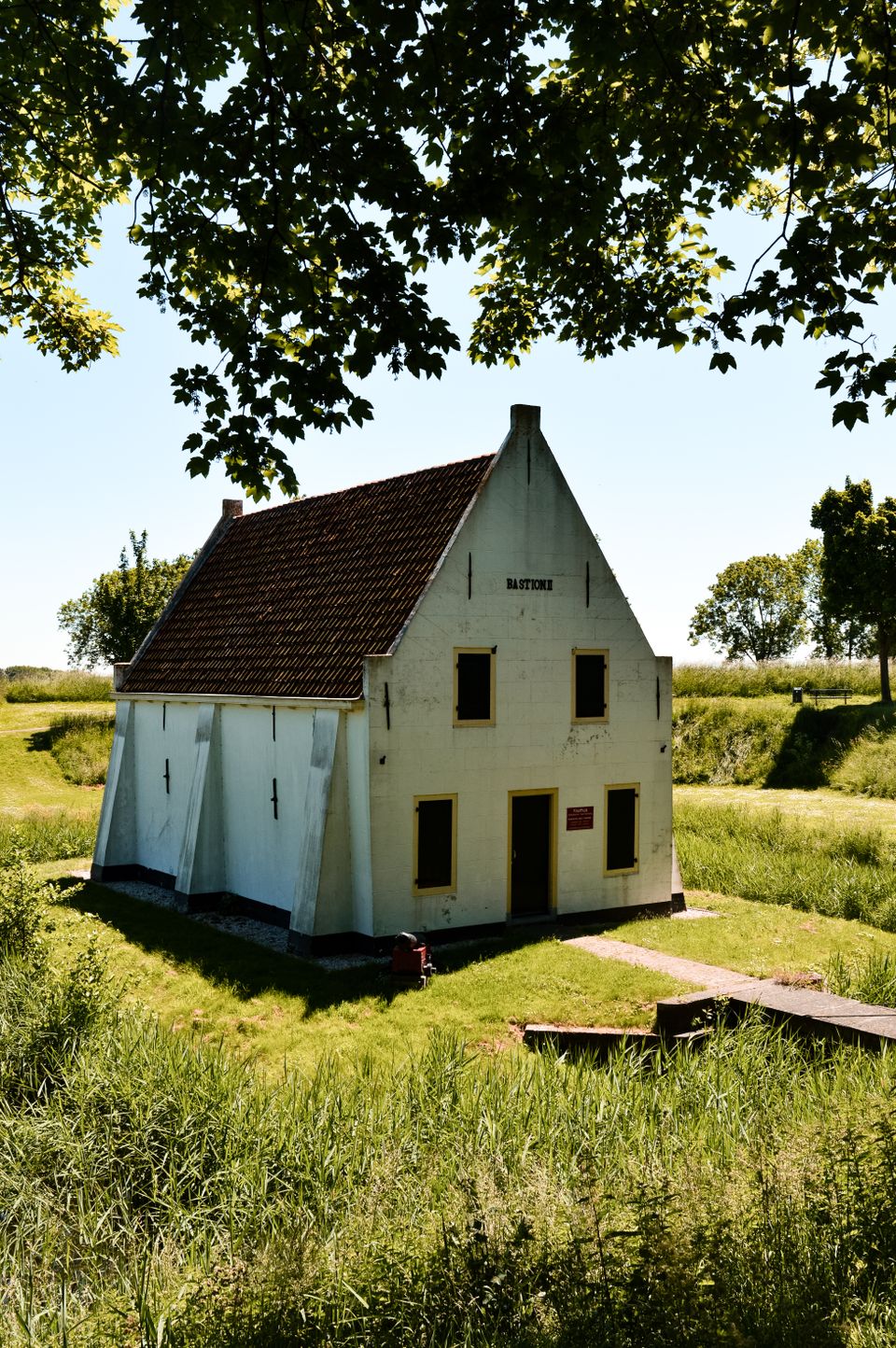
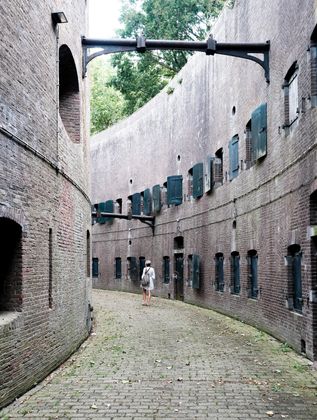
Finally, we take a stroll along the city walls surrounding Brielle. Since the 18th century, little or nothing has changed to this structure, so you'll find many remains from that time. The complete tour is about two kilometres long and takes you past various bastions, city gates and monuments such as the Kruithuisje (gunpowder house), once built to store gunpowder.
Brielle Pilgrimage Church - A church with a story
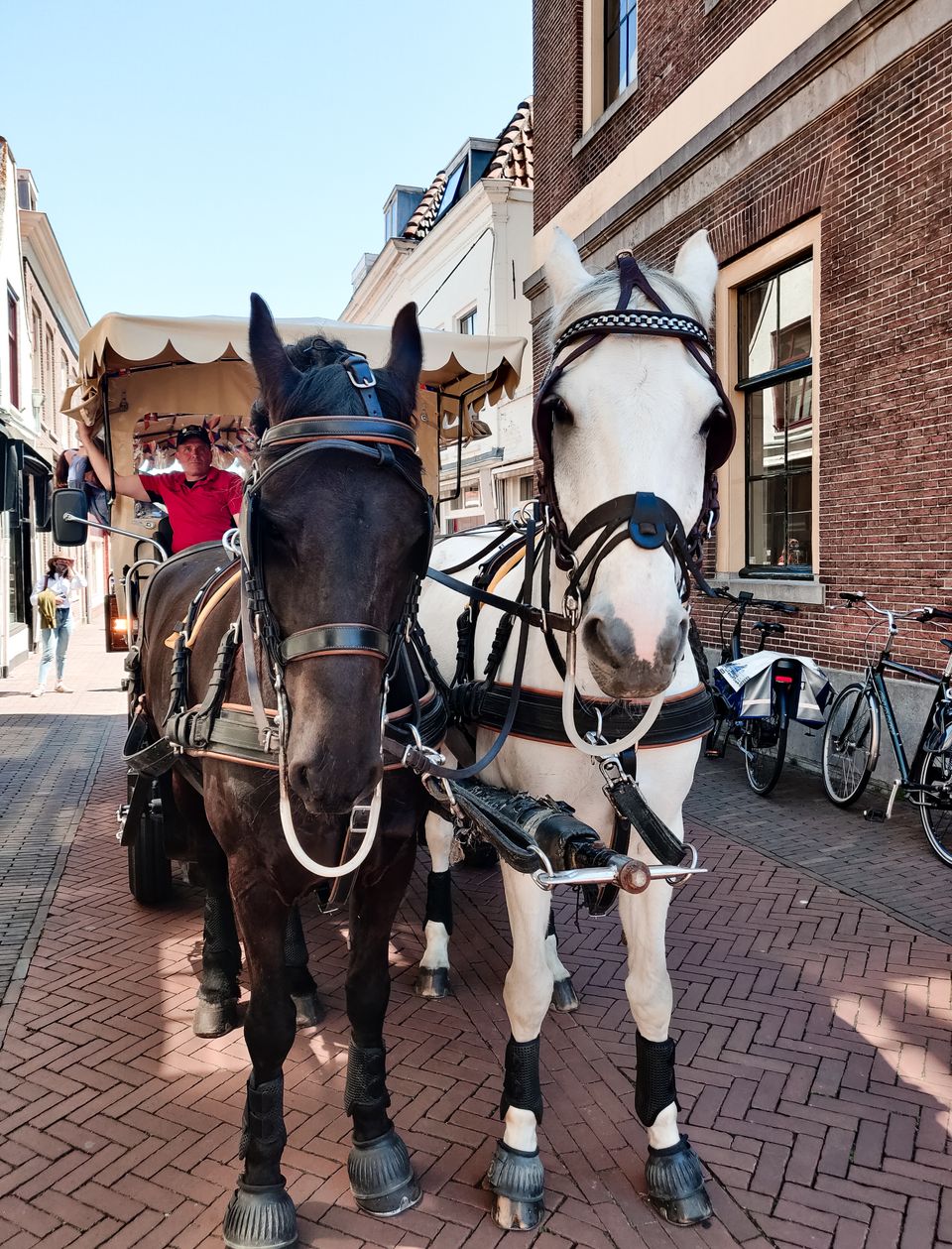
After a delicious lunch on the sunny terrace of restaurant de Hoofdwacht, we board the horse-drawn tram that drops us off in front of Brielle's Bedevaarts Church. Again, a place with many stories. In fact, this national pilgrimage site is dedicated to the martyrs of Gorinchem.
For this story, we make the same little leap back in time, to when the Eighty Years' War was in full swing. By now, the Water Beggars were on a roll in pushing back the Spaniards and took the Catholic religion as their target for murder and looting. The 19 priests now known as the martyrs of Gorinchem also met their deaths as a result. The martyrdom field behind the Pilgrimage Church in Brielle was where they were hanged in the 16th century.
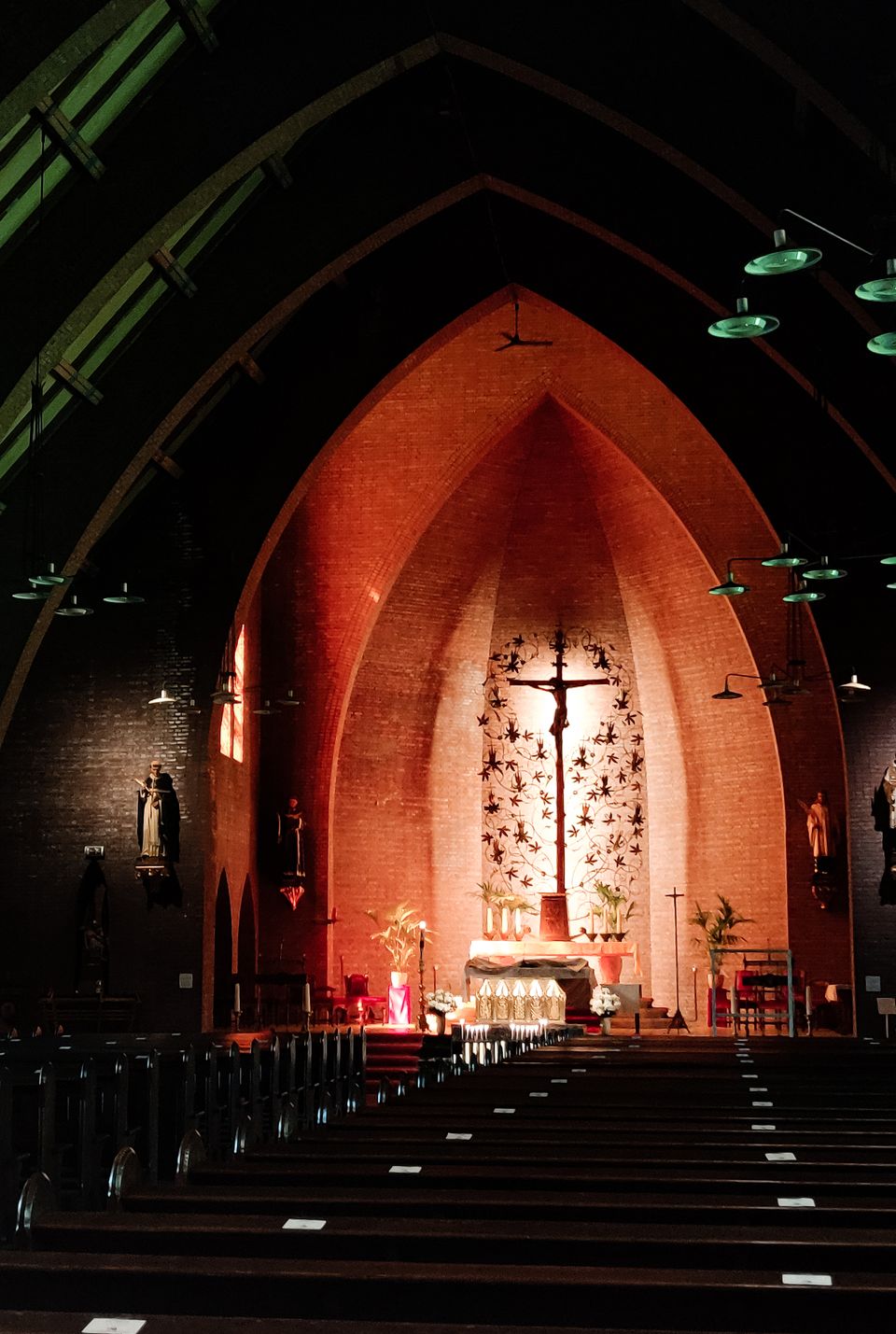
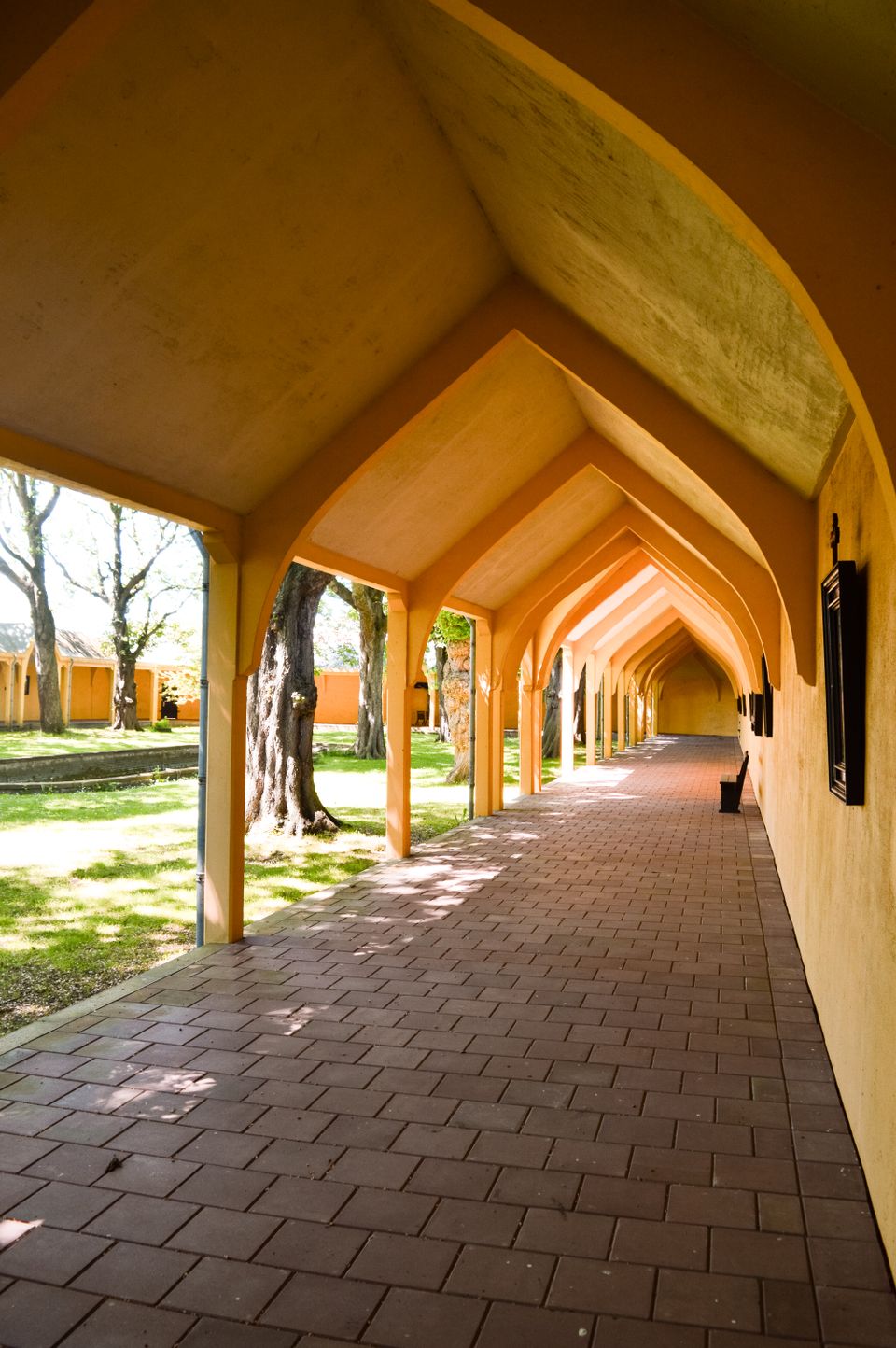
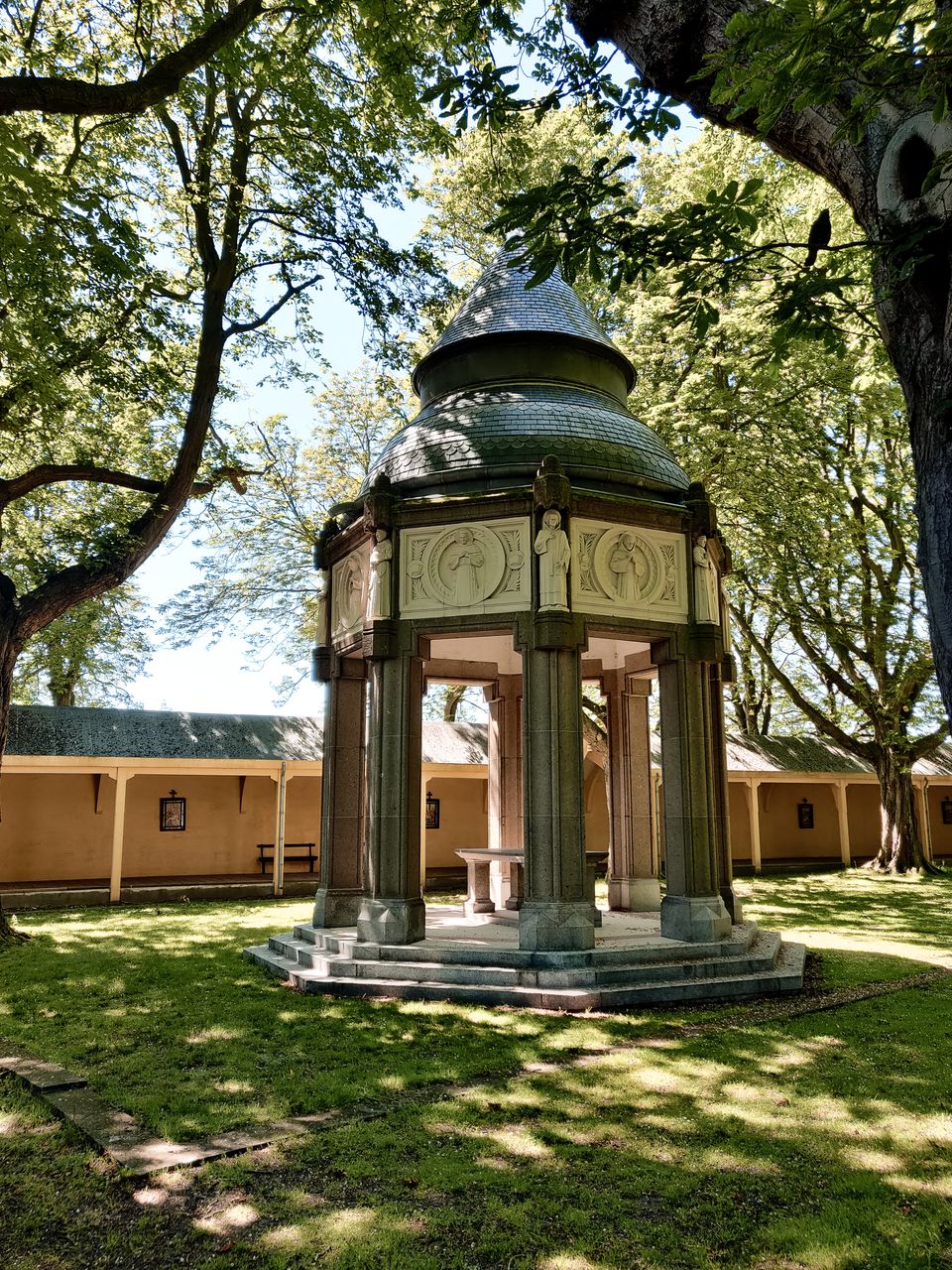
Despite this somewhat gory history, the Bedevaartskerk is really a place that, in my opinion, should not be missed during your visit to Brielle. We marvel at the impressive altar and the colourful windows create photogenic scenes. Next to the altar, we dive into a corridor that takes us to the martyr's field. Originally not a cosy place, in recent years it transformed into a lovely garden with an altar and a pond in the middle.
The Sandwatch - Art and activity on the Maasvlakte
When the horse tram takes us back to the city centre, we exchange Brielle for the Maasvlakte. This industrial area was built in the Maas estuary and is in direct contact with the North Sea. The Maasvlakte is part of the port of Rotterdam, so impressive ships regularly sail by. Behind a wide strip of dunes lies the vast, not too crowded beach where you can lay down your towel for a great beach day. Industry stands out against the horizon in the distance, creating an impressive contrast in a crazy way.
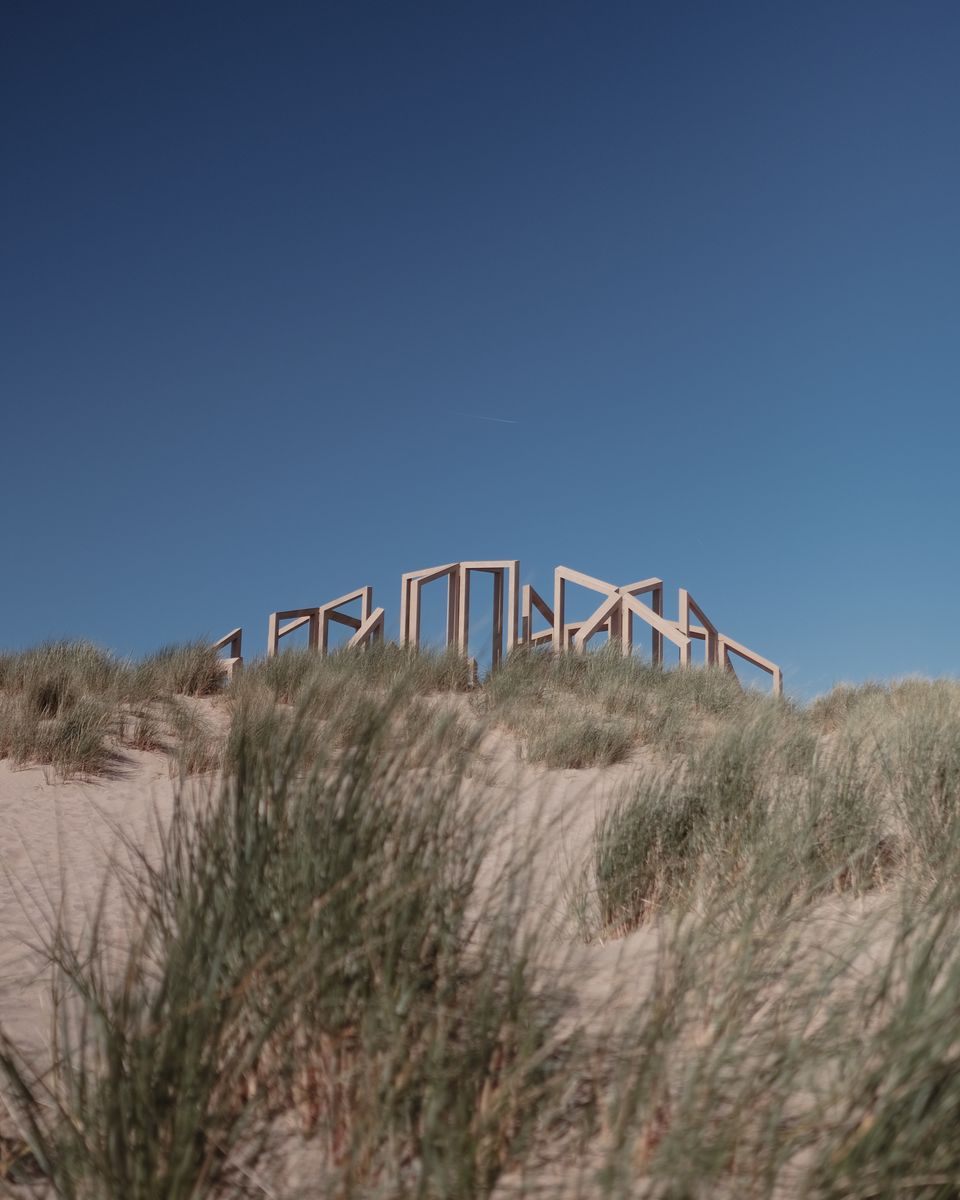
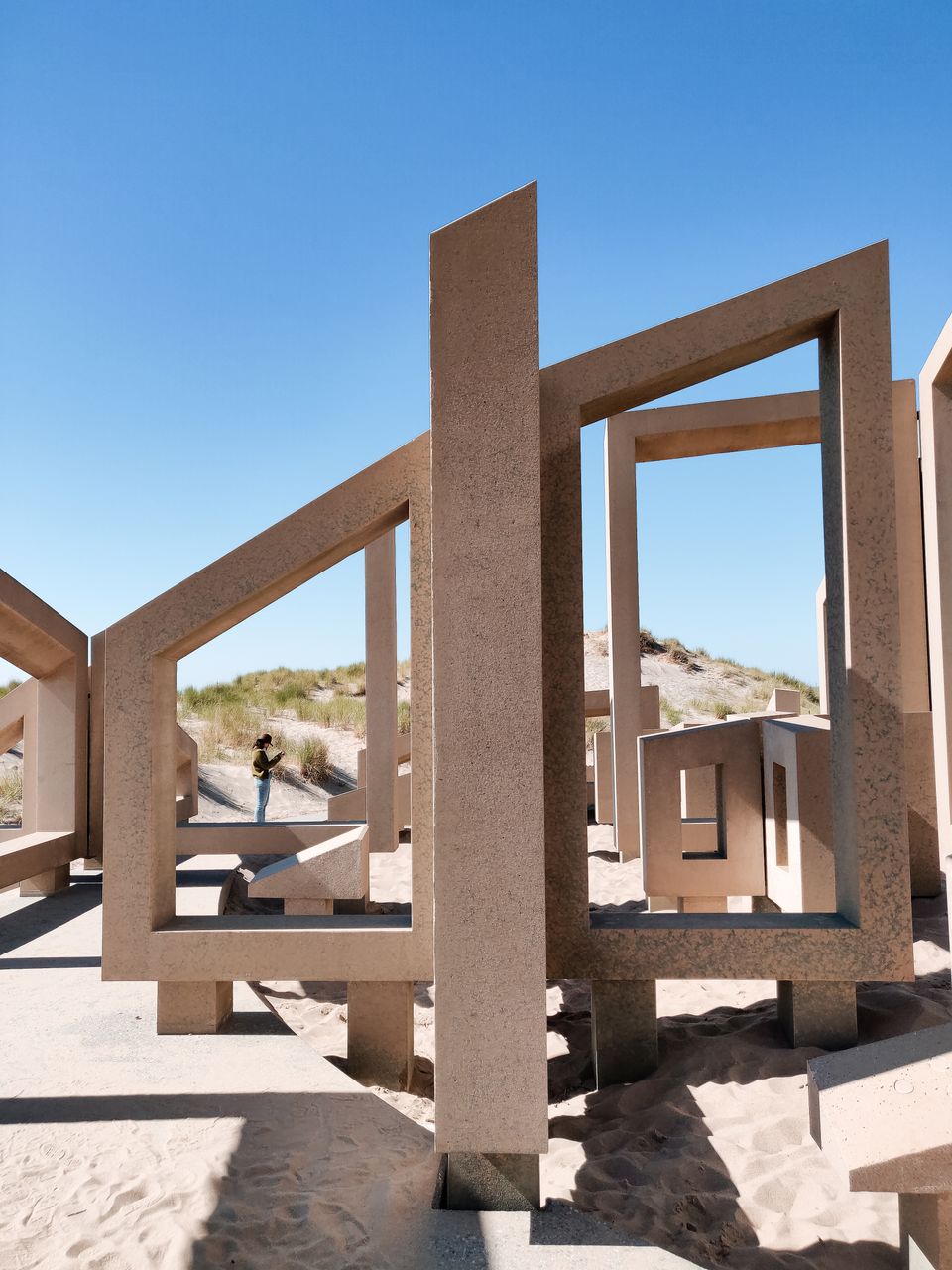
In the burning sun we find our way through the dunes. It takes some scrambling, but this is doubly rewarded by the artwork De Zandwacht on top of the dune on Voorne-Putten. The inspiration for this 40-by-20-metre structure comes from the play of sand in the surrounding dunes. It is impressive: every side of the artwork surprises me. Many a (drone) photographer could spend quite an afternoon here.
Dry dock Jan Blanken - An ingenious structure
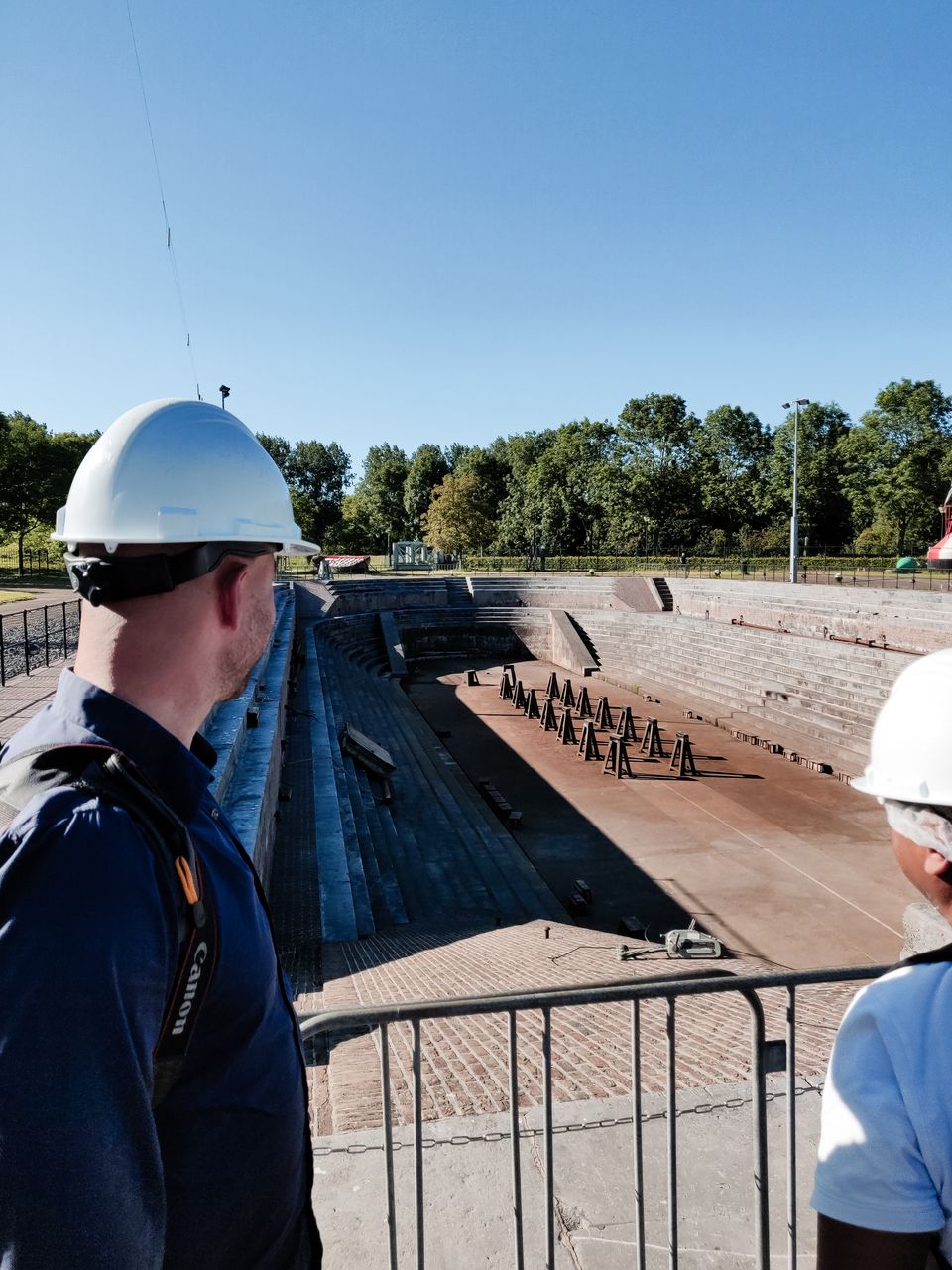
The end of the afternoon is approaching and we have another special stop on the programme. Dry dock Jan Blanken in Hellevoetsluis to be precise. Here you will find the oldest stone dry dock in Europe, and the special thing is: the dry dock is still in use! Our visit starts with a video explaining the construction and operation of the dry dock. Some extra information about this extraordinary place can't hurt. After the video, we put on our helmets and descend into the huge structure.
The dry dock consists of two parts: the Timmerdok - for long maintenance jobs - and the Kieldok, for smaller repairs. The Timmerdok can accommodate ships up to 65 metres and the Kieldok up to 56 metres. Handy for all the big boats from Rotterdam and Antwerp, we walk around open-mouthed in the huge cockpits where many a ship has already been parked.
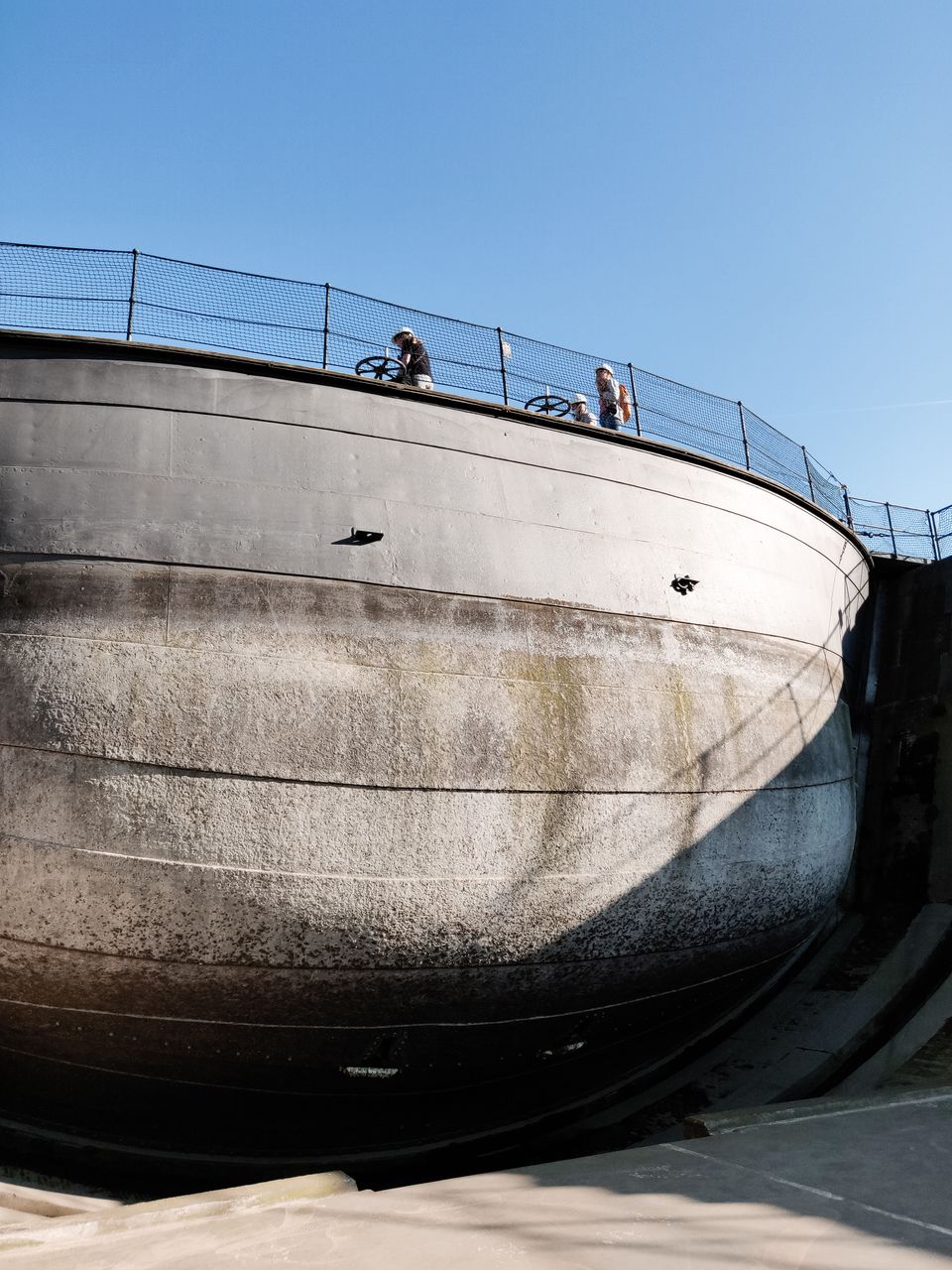
The dry dock is separated from the canal by an old ship's bow that towers somewhat menacingly above us. When it opens, the dock fills with thousands of litres of water so that ships can enter. Draining the dock - manual work! - then again takes hours. It is a job in itself, such a dry dock.
As icing on the cake, we are allowed to enter the corridor system running around the dock. A bit of crawl through, sneak through it is. The helmet comes in handy. Designer and builder of the dry dock, Jan Blanken, had an incredible eye for detail. This is also reflected in the corridor system by the special spherical bricks that provide a lot of strength. Corners in the corridors are finished to perfection with specially tailored bricks. This precision means that, even after several centuries, the dry dock still stands like a house.
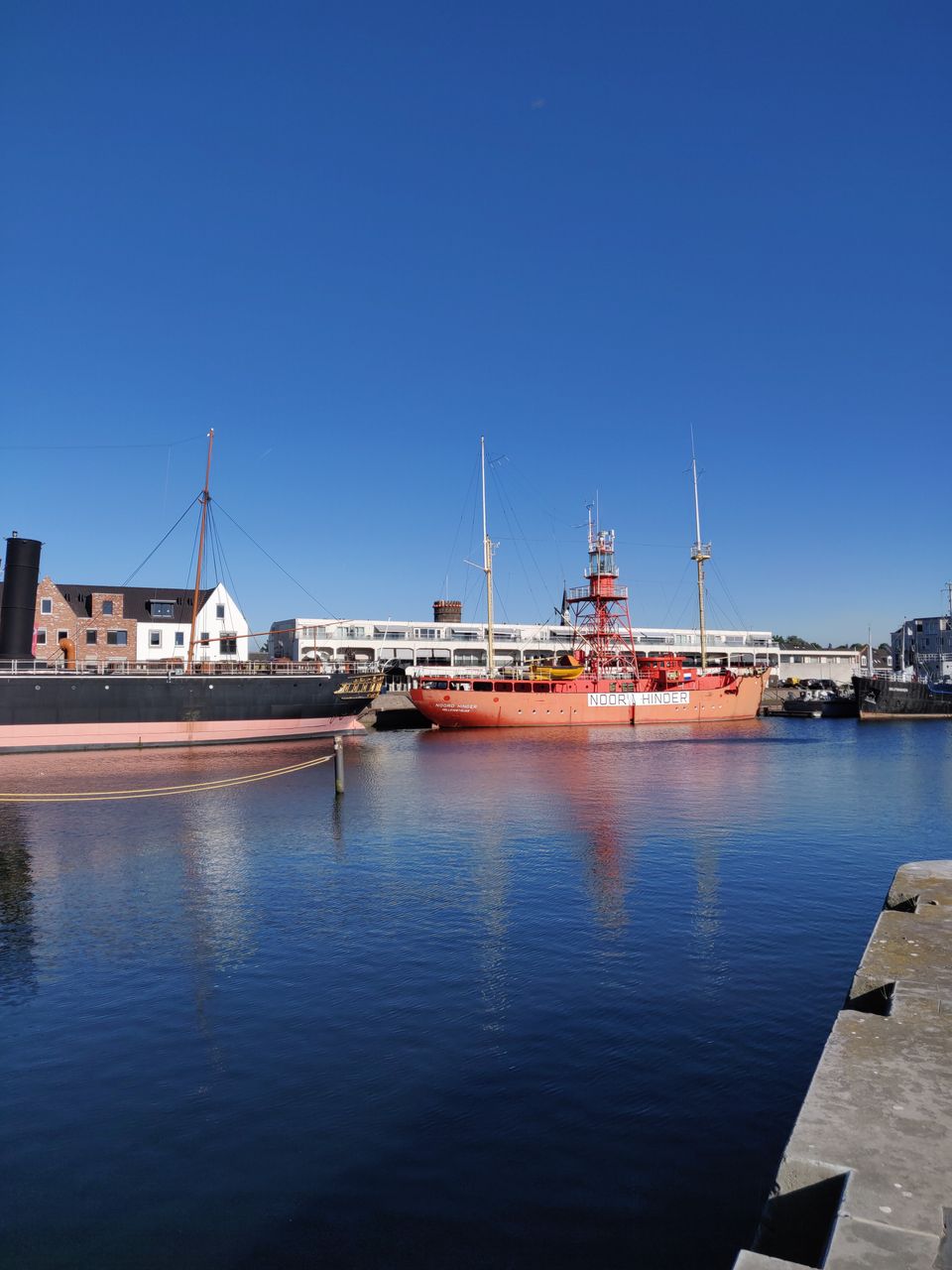
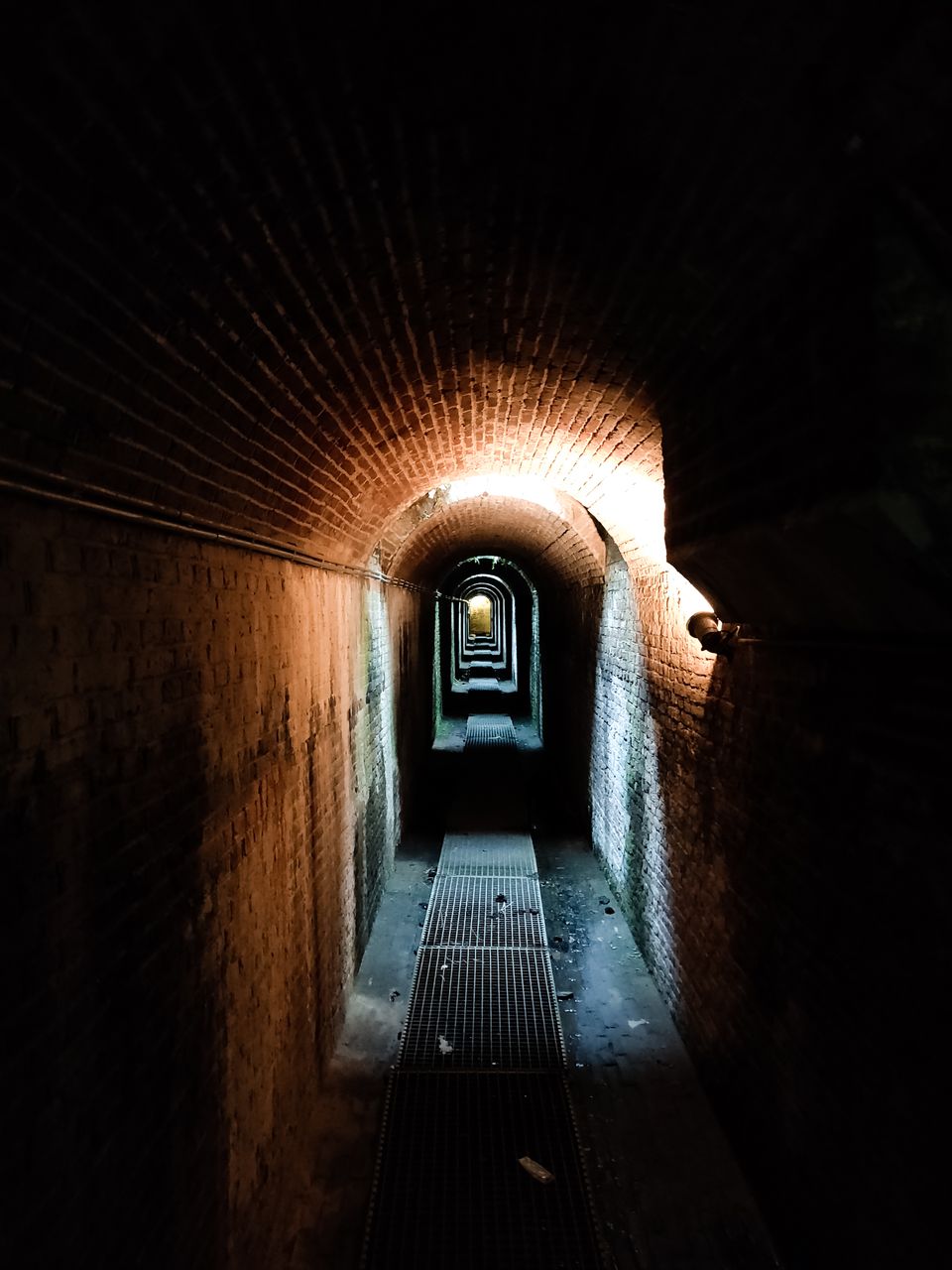
We conclude the day with dinner at restaurant Fortezza in Hellevoetsluis. Overlooking the harbour, we enjoy a bite to eat and a drink on the terrace. An hour later, I drive across the Hollands Diep again, back to Brabant. The many stories of Voorne-Putten etched in my memory. I smile. It won't be long before I will devote another free Saturday to a day on this versatile island so just below Rotterdam, I guess. What about you?
Love,
Laura
Would you like to read more about the island of Voorne-Putten? Then take a look at the website!
-
Walk the bunker route on Goeree-Overflakkee
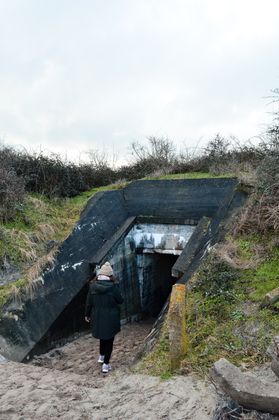
Honeyguide Laura discovers World War II stories at the Bunker Route in Goeree-Overflakkee.
-
5x inspiration for a holiday in Zeeland
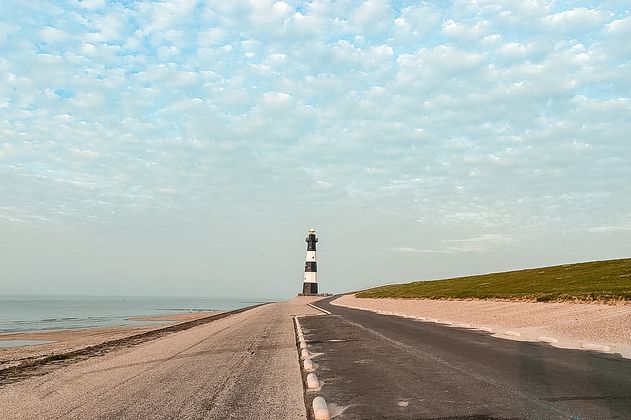
Honeyguide Laura wants to go on a staycation in Zeeland this summer. In this blog, she shares five inspiring tips she would like to do.
-
Roadtrip along the Nieuwe Hollandse Waterlinie
Honeyguides Simone and Brechje set off for two days to discover a special and unknown part of the Netherlands: the Nieuwe Hollandse Waterlinie.