
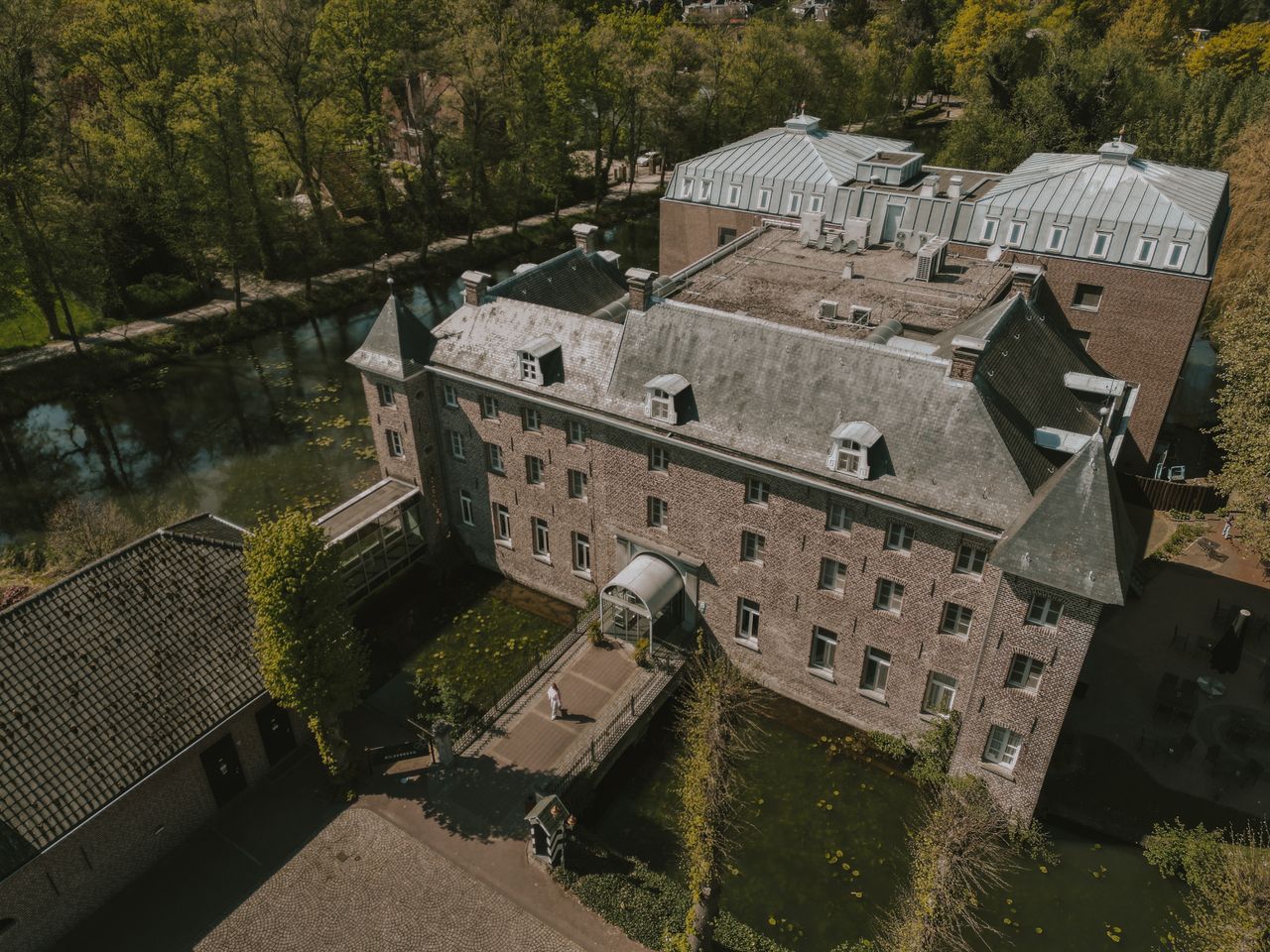
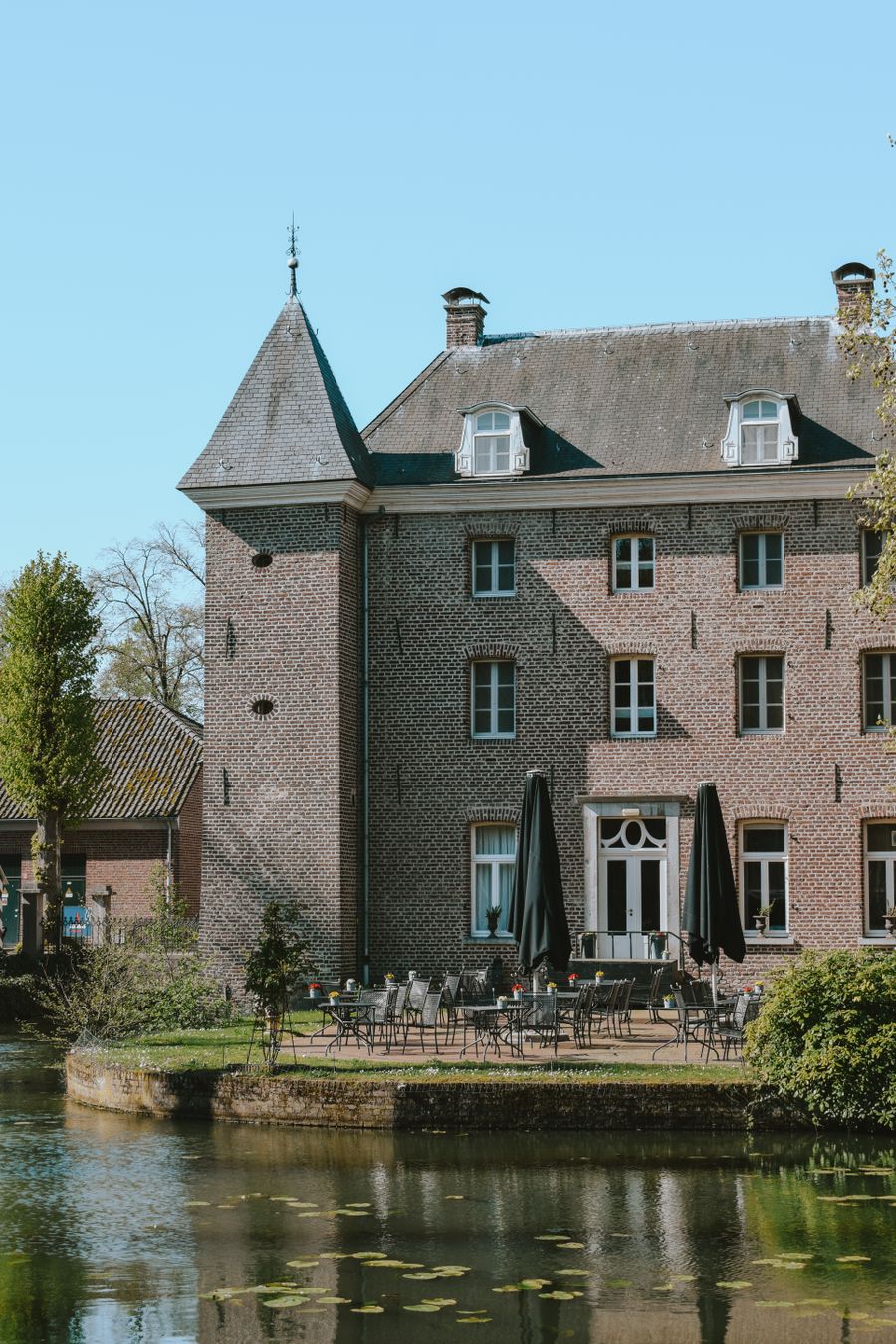
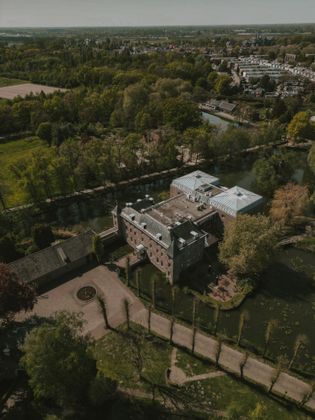
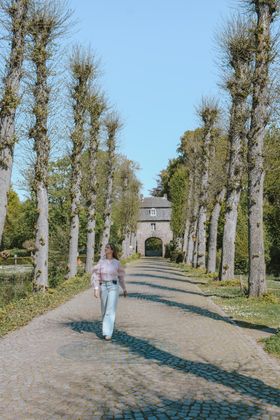
Tucked away amongst greenery, water and centuries-old buildings lies Château Holtmühle in Tegelen. Together with Fenna, I visited this special castle hotel in North Limburg. On arrival, we were welcomed by Suzanne, who works at Bilderberg Château Holtmühle. She took us on a tour of the estate and shared the stories behind this place. The estate brings together history, nature and local cuisine. What’s more, you don’t have to be a hotel guest to soak up the atmosphere: you can also take a stroll around the grounds, grab a bite to eat in the restaurant or relax on the terrace. Later that day, we took a stroll through the herb garden with head chef Adin Cevro and sampled a classic asparagus dish made with asparagus from North Limburg.

An estate full of stories
From historic gateways to ancient routes leading to Germany
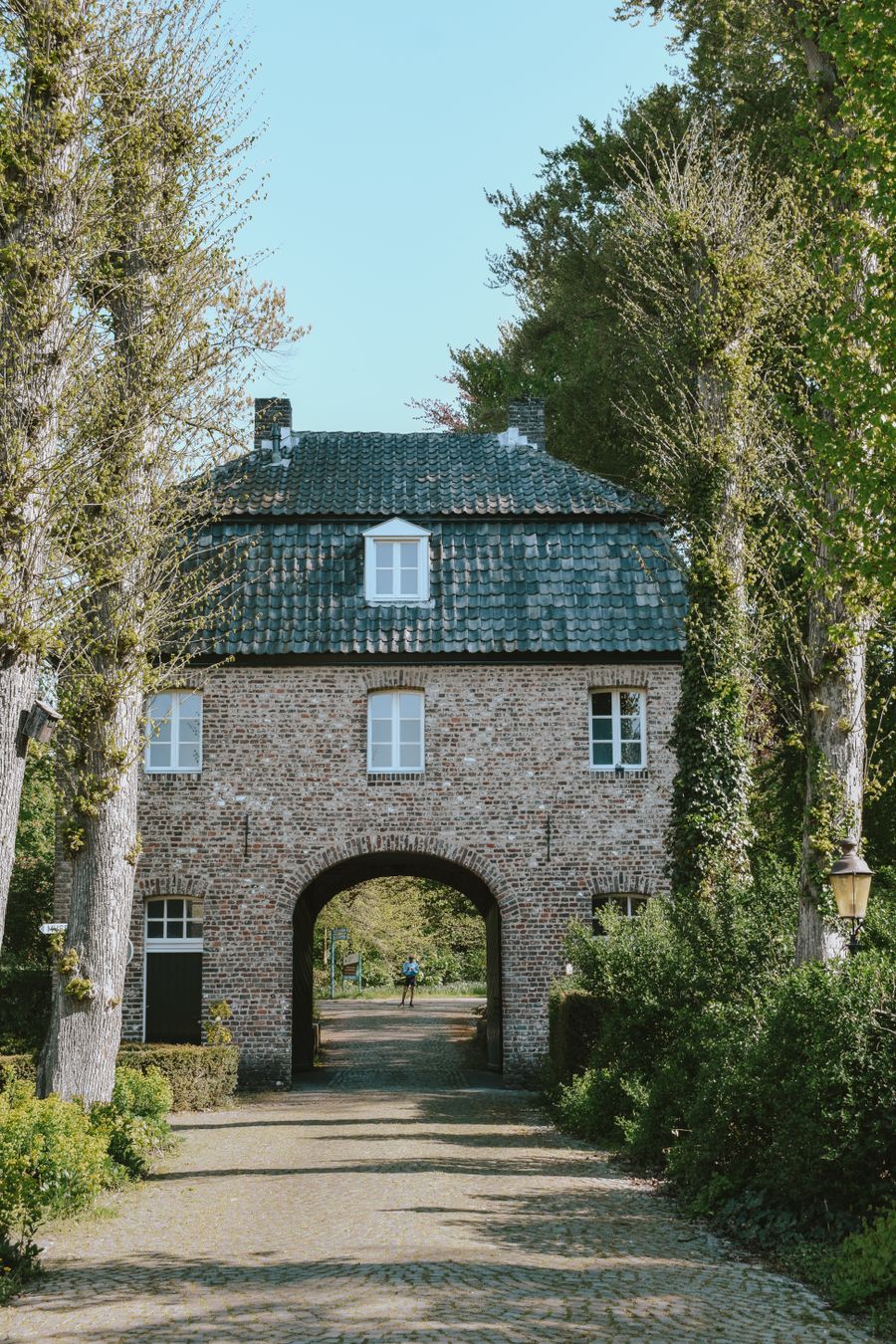
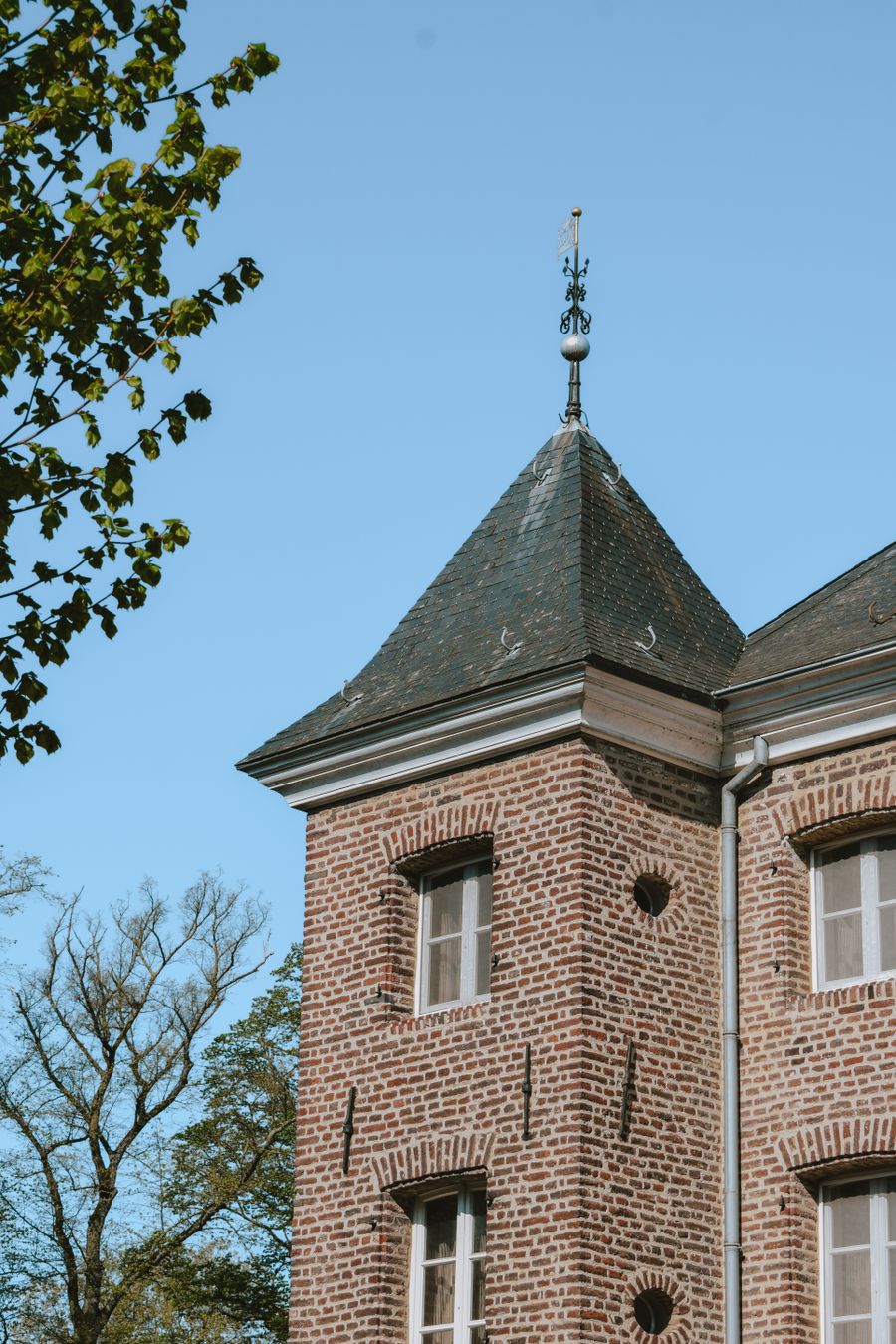
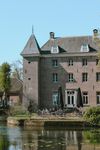
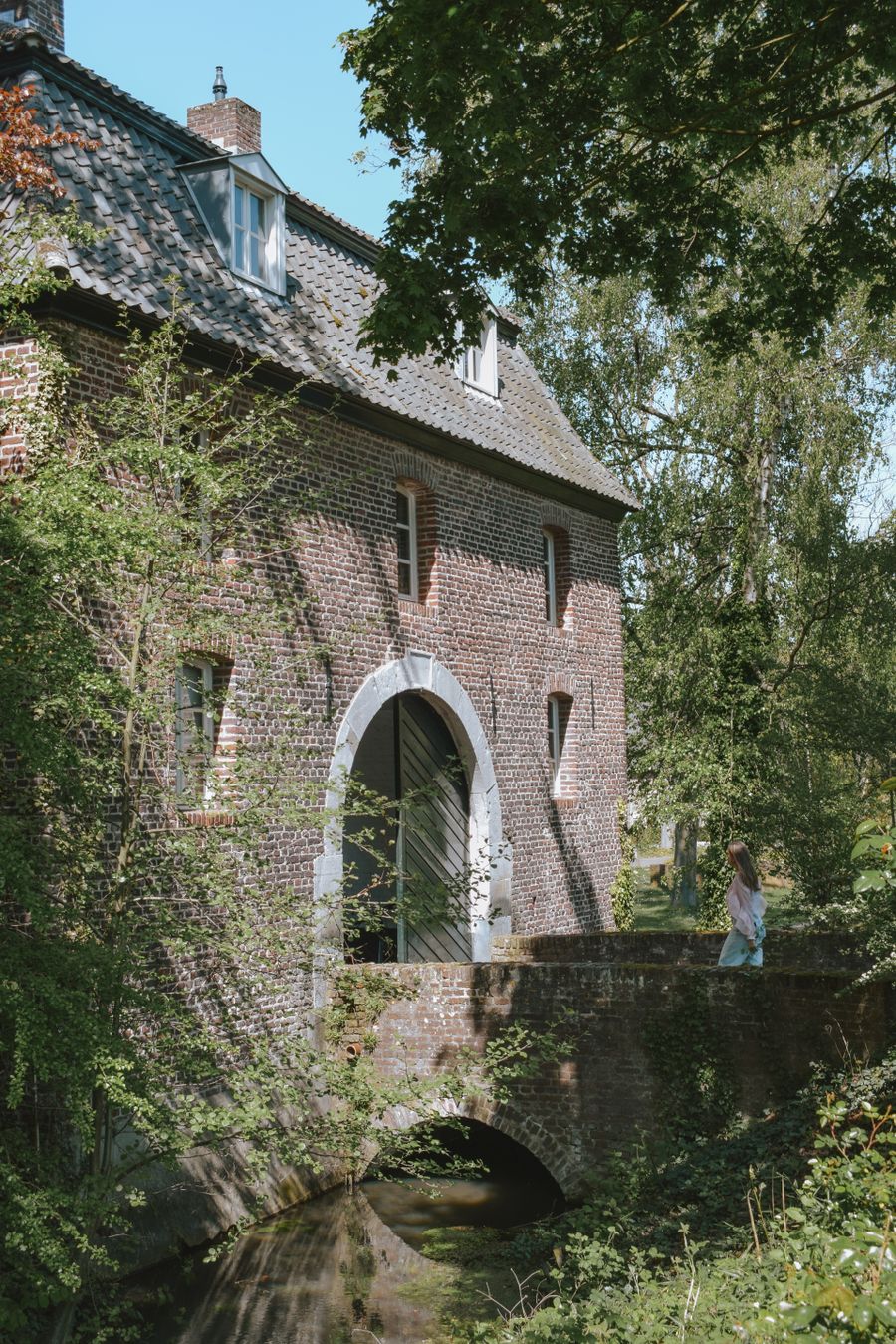
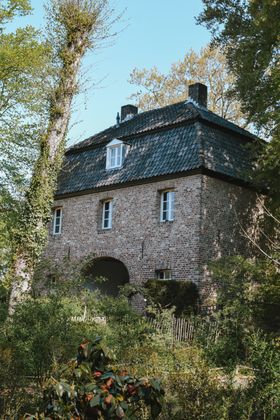
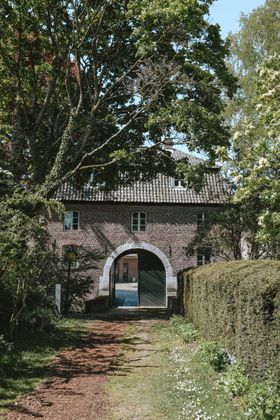
When you think of Château Holtmühle, the first thing that probably springs to mind is the castle with its moat. Yet the estate consists of more than just the main building. On the grounds, you’ll find, amongst other things, the Tiendschuur, the Venlosche Poort, the Kaldenkerkerpoort and the Remise.
Suzanne explains that the Kaldenkerkerpoort is named after Kaldenkirchen, just across the German border. According to the stories, an important route towards Germany ran through this side of the grounds. As a result, the buildings not only show how the castle used to function, but also how closely this place was connected to its surroundings.
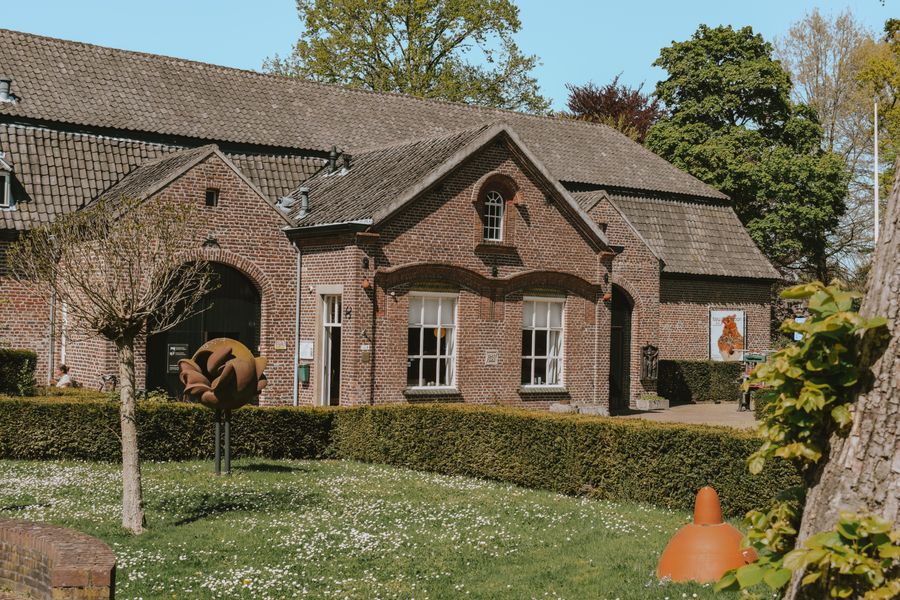
One of the most striking buildings next to the castle is the Tiendschuur. In the past, this is where the so-called ‘tithes’ were stored: taxes that farmers and tenants paid not in cash, but in kind. Think of grain, vegetables or other produce from the land. The barn was therefore more than just a storage facility; it was a place where the region’s harvest was gathered and redistributed.


The history of Château Holtmühle
Moat, defences and the legacy of Joachim Reinhold von Glasenapp
The water surrounding Château Holtmühle mainly adds to the atmosphere these days, but it used to serve a very practical purpose. The moat made the castle more difficult to reach and thus played a role in the defence of the estate. Anyone wishing to enter the grounds could not simply walk straight up to the main building.
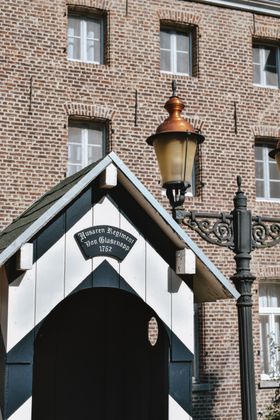
Joachim Reinhold von Glasenapp is also linked to the history of Château Holtmühle. This Prussian military officer became associated with the castle in the eighteenth century through his marriage to Anne Elisabeth von Hundt. In 1747, he inherited the castle and the title of Lord of Tegelen. He later founded his own Frei-Husarenkorps, a regiment of 120 men.
On certain days, that military history comes back to life. Performances are still regularly staged by a re-enactment group that recreates life as it was back then. The estate also occasionally serves as the backdrop for a re-enactment of the Battle of Holtmühle, in which military life is portrayed by several groups.


Ceramics, clay and the identity of Tegelen
How Tegelen’s ceramic heritage lives on at the estate
Tiles and ceramics go hand in hand. This history is also reflected on the Château Holtmühle estate. The Tiendschuur now houses the Keramiekcentrum Tiendschuur, a museum where historical ceramics and changing exhibitions of contemporary ceramic art come together.
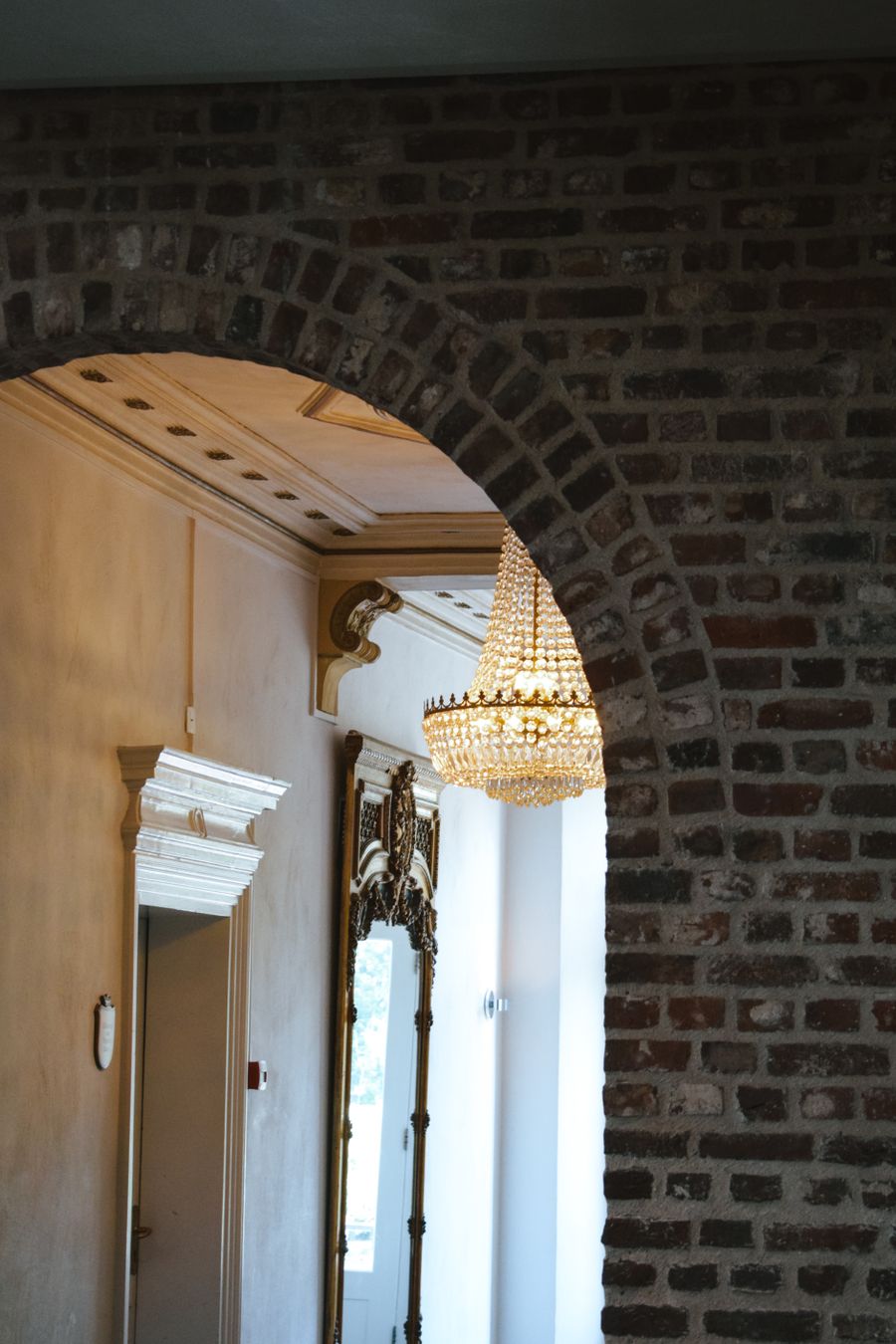
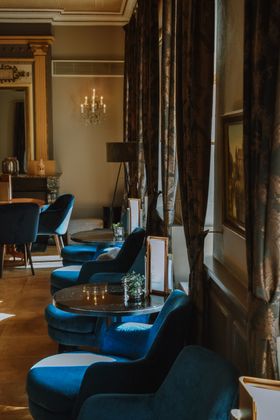
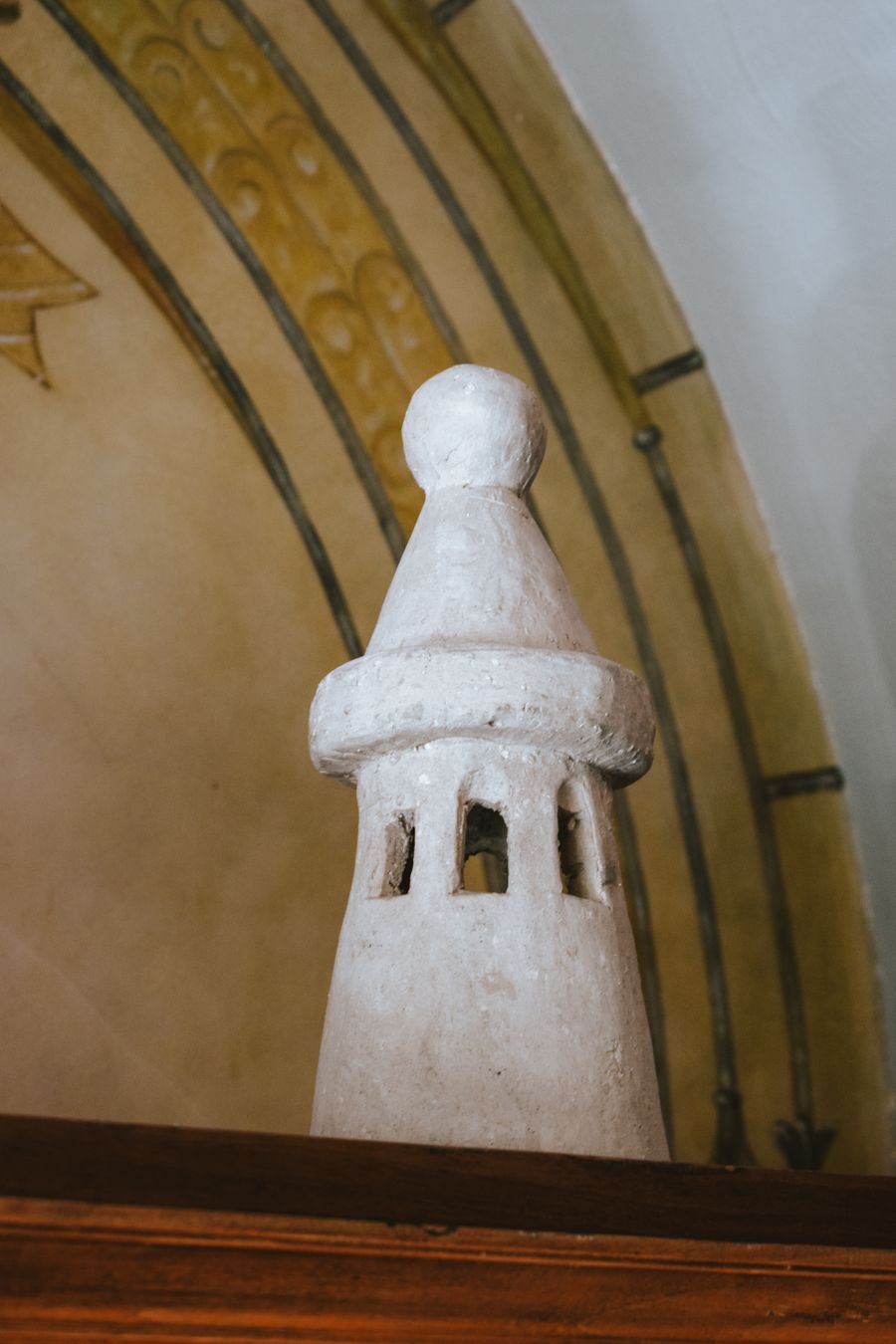
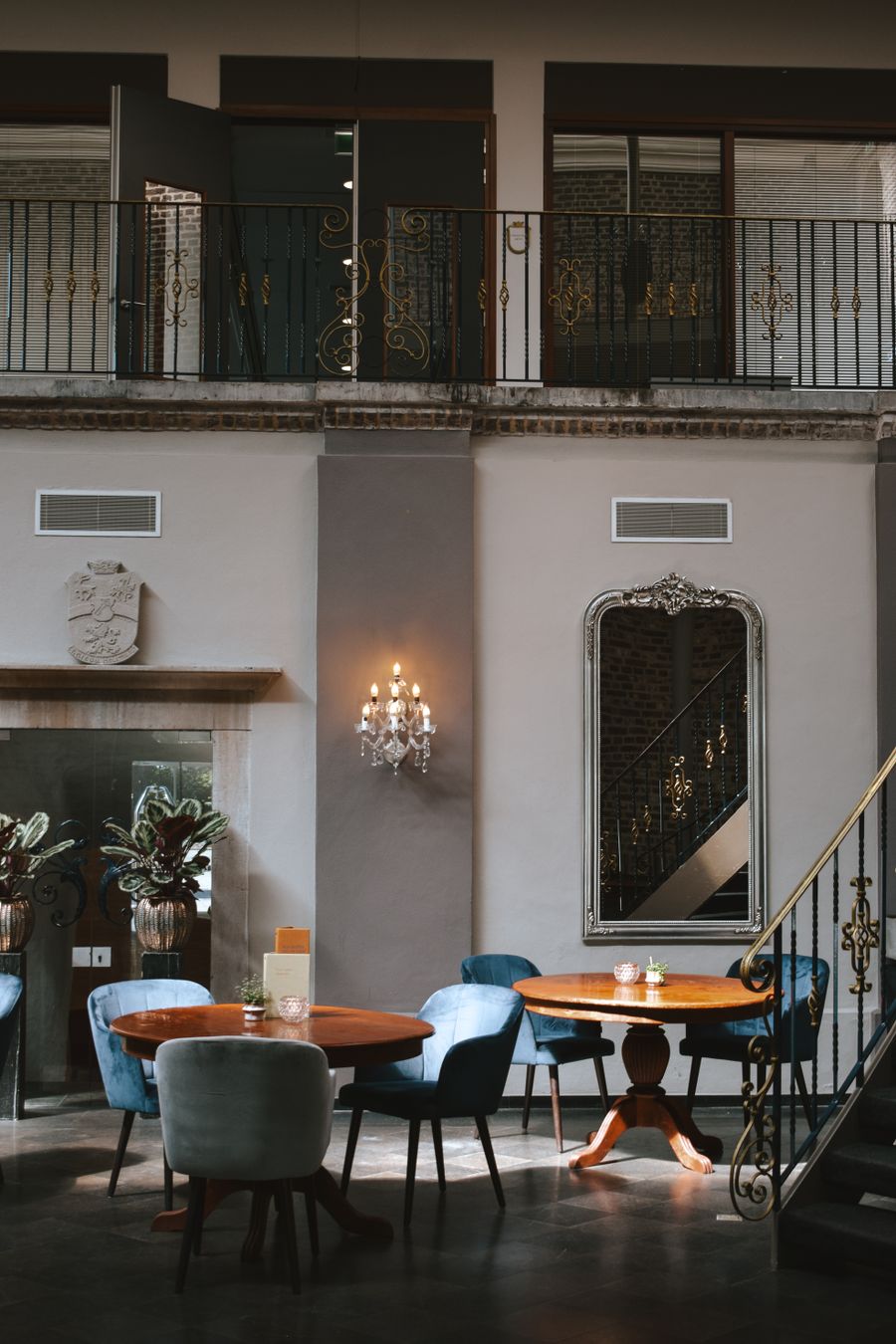
The collection tells the story of the Tegelen pottery industry, from Roman roof tiles to earthenware and ceramic art. You’ll also come across ceramics inside the château itself. In the reception hall stands a cabinet displaying historical ceramic objects. My gaze lingers on a small ceramic castle turret. Suzanne explains that it used to be a tradition for couples who got married at Château Holtmühle to receive such a turret as a gift. And this tradition continues to this day.


Dining at Die Alde Heerlickheijt restaurant
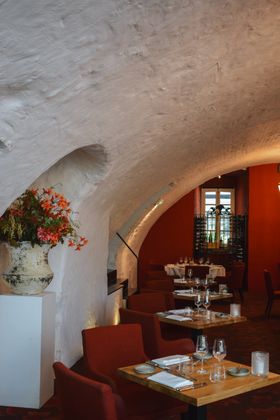
Seasonal regional dishes in the castle’s vaulted cellars
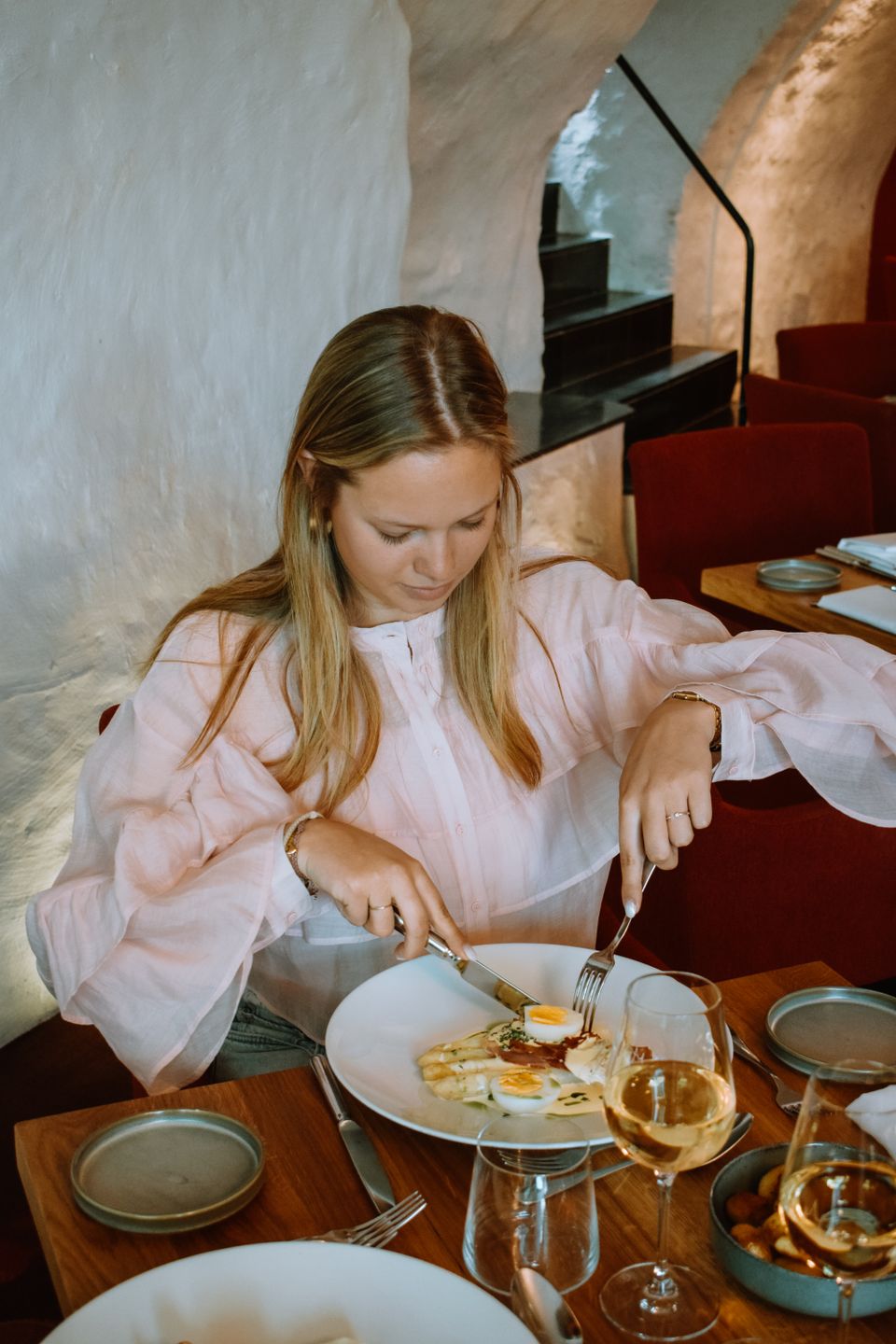
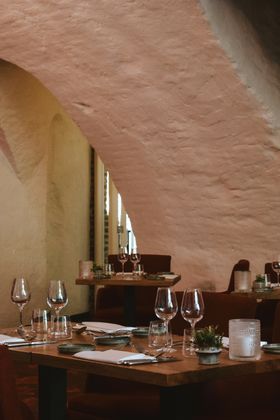
At the bottom of the castle, in the former cellar vaults, lies the restaurant Die Alde Heerlickheijt. Here, the focus is on seasonal cooking, regional produce and herbs from the restaurant’s own herb garden. Head chef Adin Cevro works from a French foundation, complemented by modern and international touches. This results in light, fresh flavours and refined combinations.
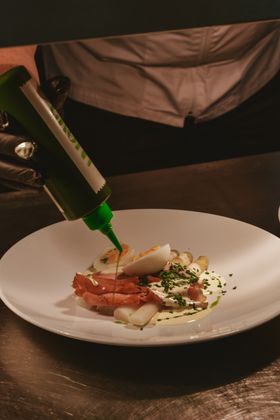
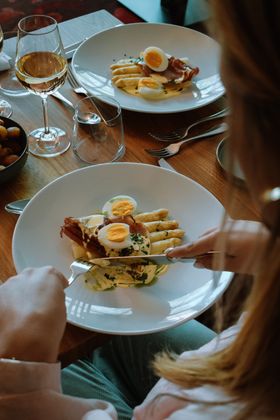
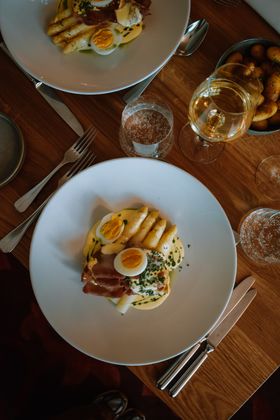
During our visit, Adin prepares a classic dish featuring asparagus from North Limburg. The plate features a combination of asparagus, hollandaise sauce, ham, egg, baby potatoes and green herb oil. A familiar combination, but served fresh and carefully prepared.
What I love about the cuisine at Château Holtmühle is that the farm-to-table concept isn’t overcomplicated here. The menu changes with the seasons, ingredients are sourced from the region wherever possible, and the herb garden is literally right next to the kitchen. In spring, that means asparagus from North Limburg and fresh herbs. In autumn, you’re more likely to think of game, mushrooms and warmer flavours. This way, the food not only feels well prepared, but also logically connected to the place.

“ You shouldn’t overcomplicate things with asparagus. The tastiest option is a classic asparagus dish with pure yet simple flavours. ”
Head chef Adin Cevro
The herb garden as a green larder
Volunteers, edible flowers and herbs that go straight onto the plate
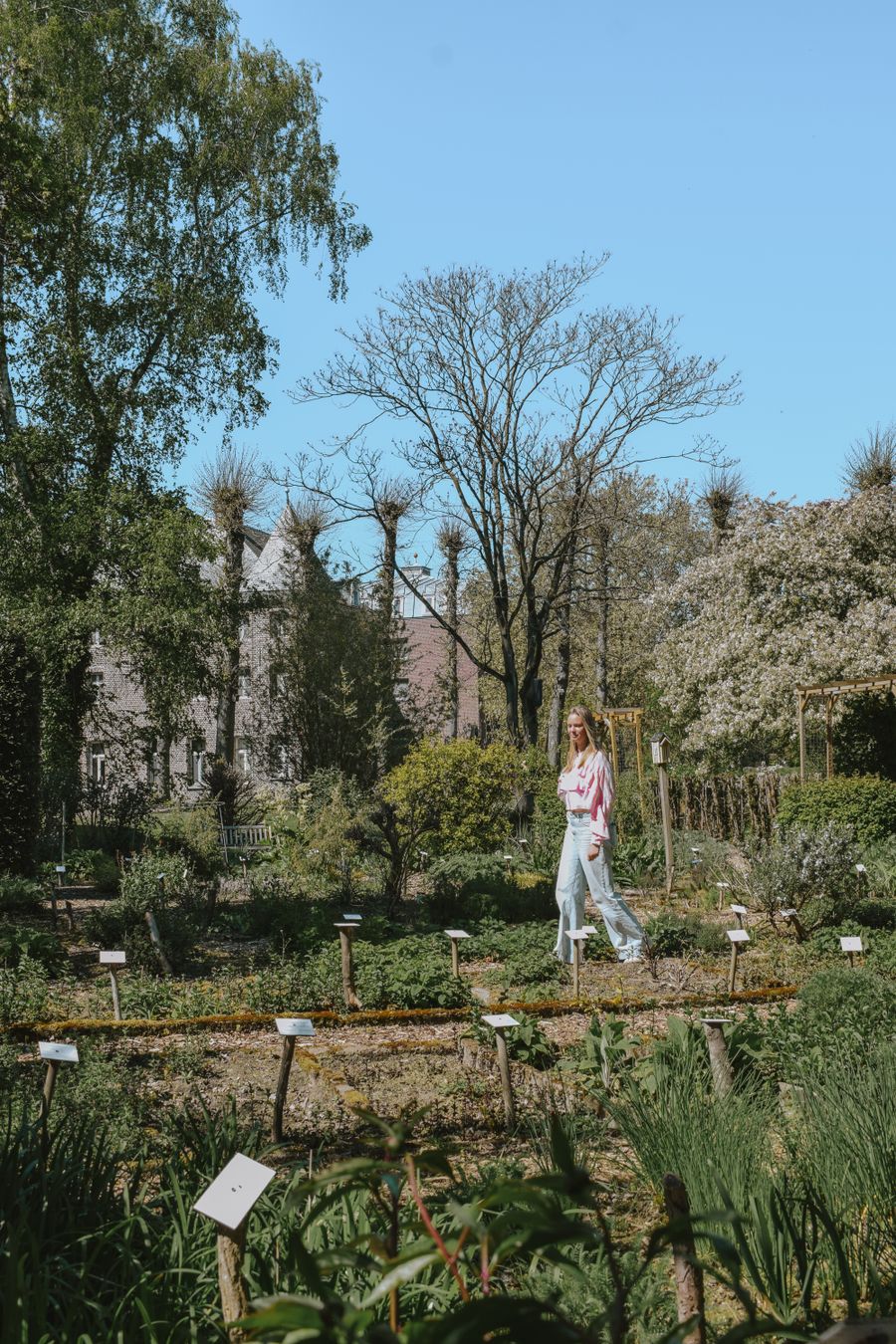
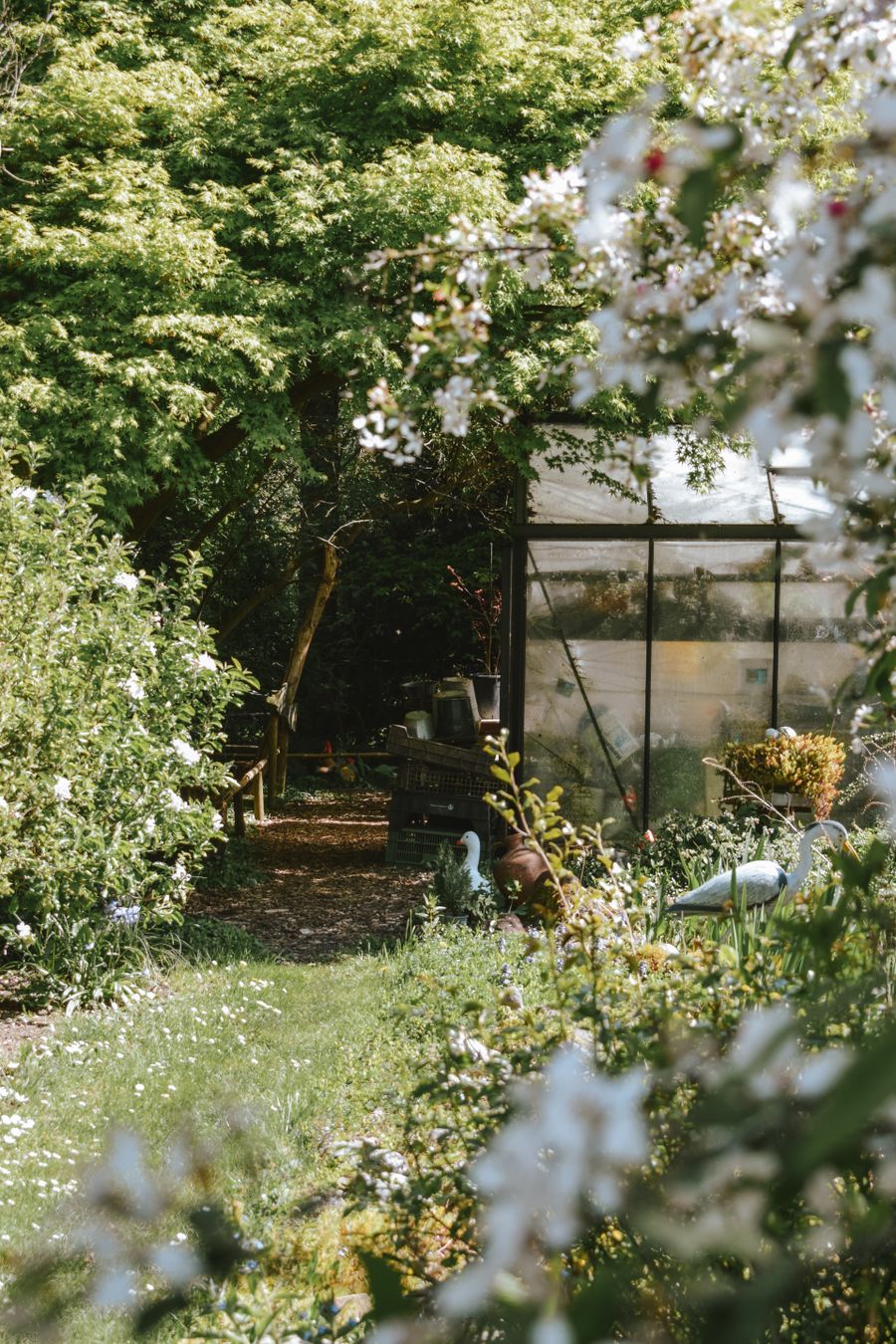
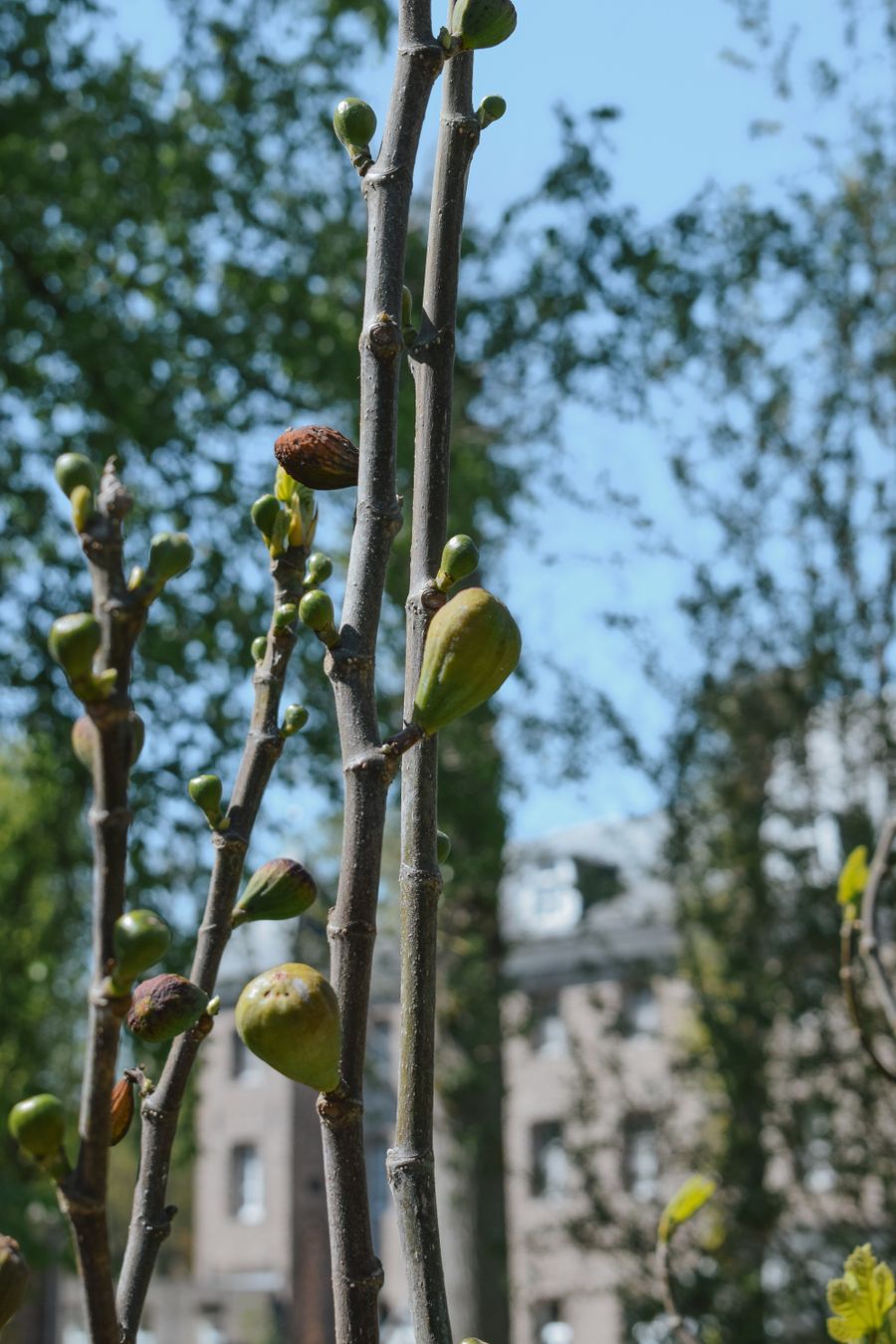
Behind Château Holtmühle lies the Tegelen Herb Garden. This green space is maintained by a dedicated group of volunteers. They look after not only the herb garden, but also the English garden, the vegetable garden and the food forest on the estate.
As a result, the garden is more than just a lovely place to stroll through. It is a place of learning and work, a habitat for plants and animals, and a venue for guided tours. Herbs, edible flowers and small seasonal harvests of fruit and vegetables find their way from here into the château’s kitchen.
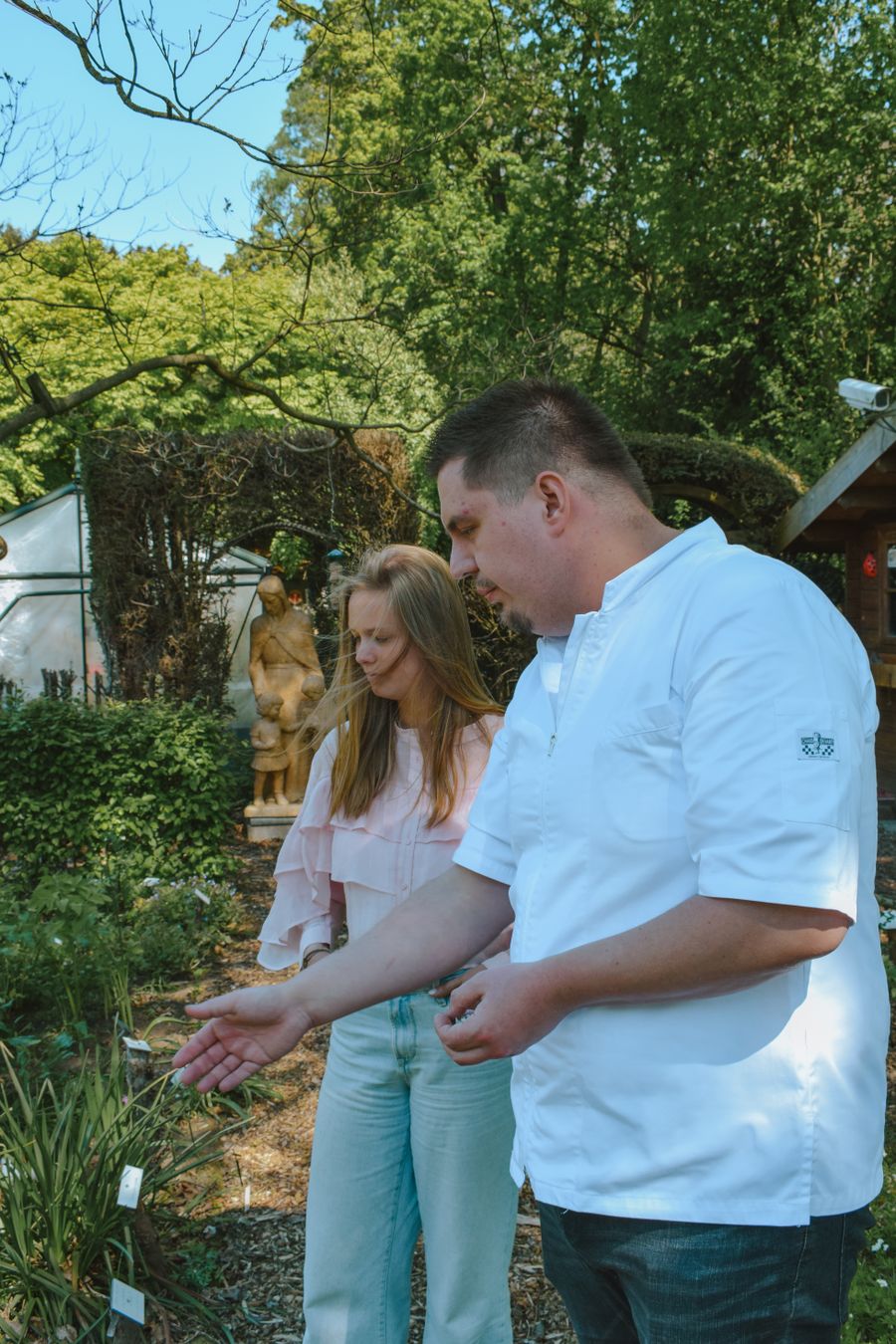
Fenna and I are strolling through the garden with head chef Adin. He lets us taste various herbs he loves to work with. We taste wild garlic flowers, which have a fresh garlicky flavour, and chocolate mint, which surprisingly tastes a lot like a natural After Eight chocolate. It’s moments like these that really highlight just how closely the kitchen here is connected to nature.
Tip from Honeyguide: start by taking a stroll through the herb garden, then take a seat in the restaurant. When you taste the asparagus dish with herb oil, you’ll immediately realise just how closely the kitchen is connected to the estate.



Animals on the estate
Chickens, Berkshire pigs and a mindful approach to wholesome food
In the past, chickens, geese and pigs roamed the estate. Each animal had a clear role. Chickens provided eggs, pigs provided meat, and geese were seen as natural guardians that kept unwanted visitors at bay.
Today, there are still chickens and Berkshire pigs. There is a philosophy behind this too, one that aligns with pure food and reducing waste. The pigs are fed by a supplier that processes food industry waste into high-quality feed. Château Holtmühle hopes to be able to feed its own by-products to the animals safely in the future, but this is not yet possible. Healthy animals, good feed and respect for the entire process are in keeping with the château’s approach to food: local, mindful and without unnecessary detours.
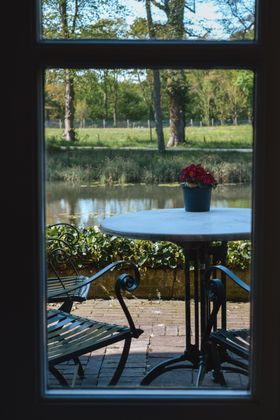
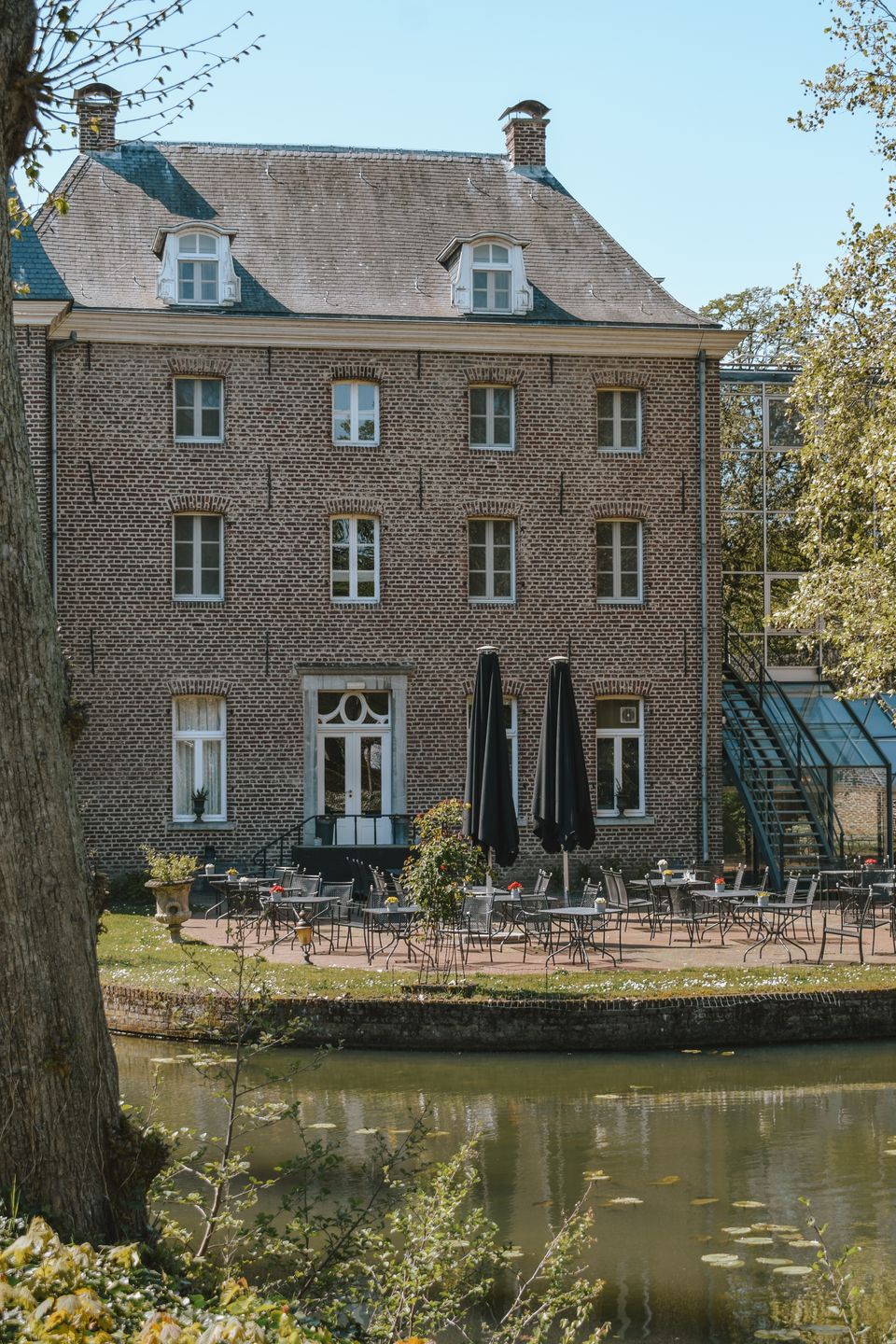
Tip: after a walk or cycle ride through the green surroundings, pop in for a drink on the château’s terrace. The terrace is accessible via the main entrance and is also open to visitors who aren’t staying overnight.
“ First, take a stroll through the herb garden, then head to the restaurant for a meal. As soon as you taste the asparagus dish with herb oil, you’ll realise just how closely the cuisine is connected to everything that grows on the estate. ”
Unique places to stay in North Limburg
From Deluxe rooms to Castle Suites, with views of greenery and water
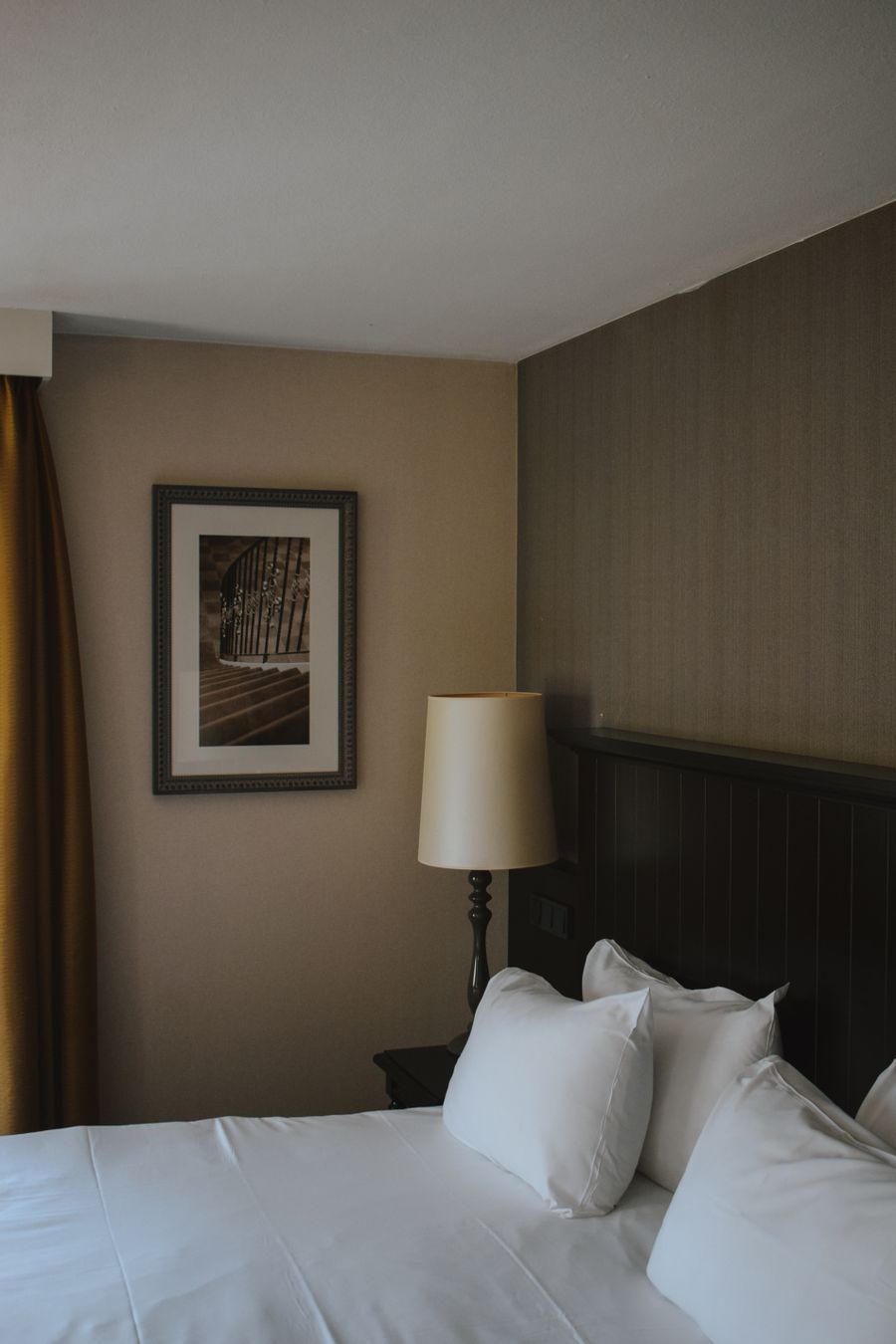
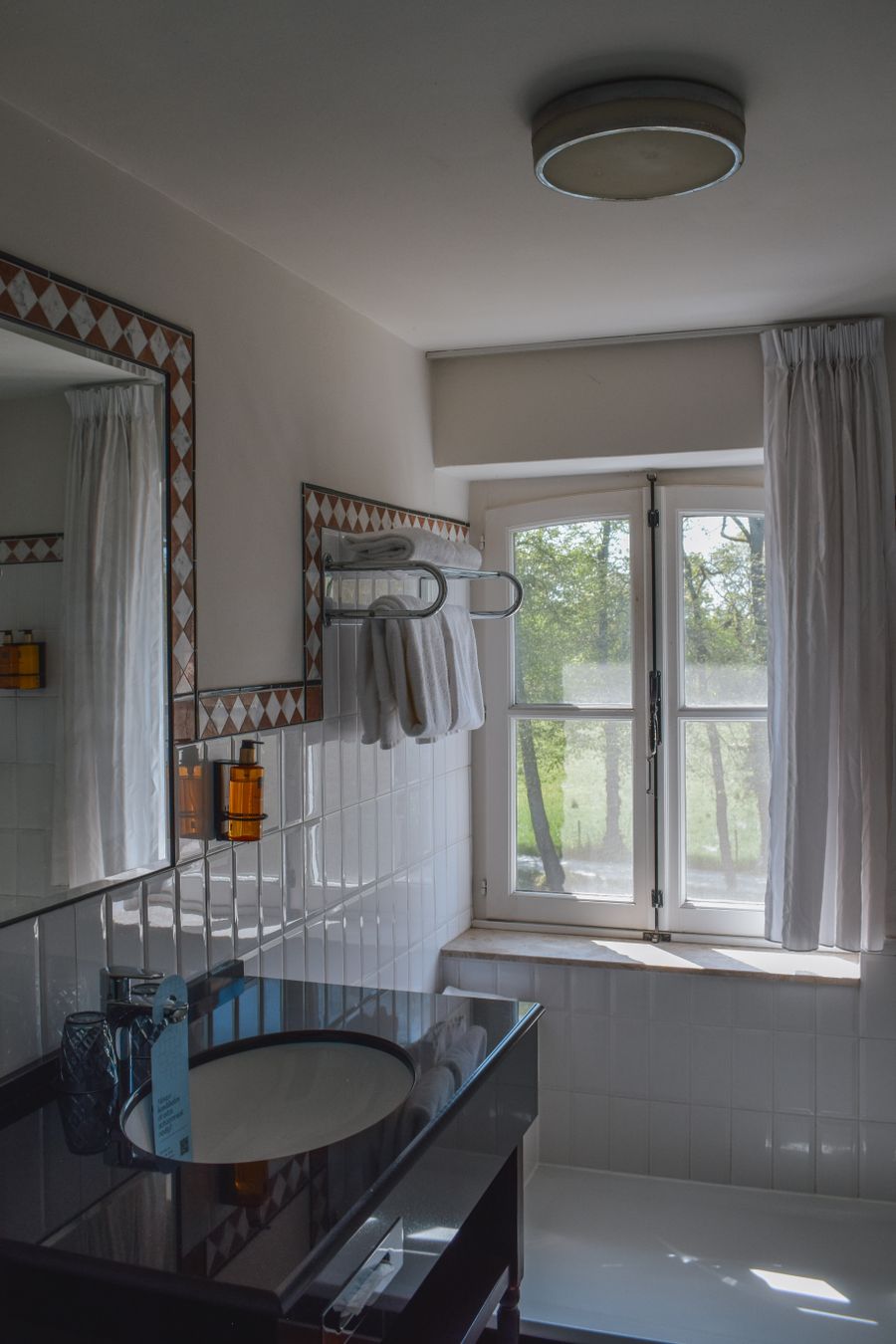
If you fancy staying a little longer after dinner or a walk, you can spend the night at Château Holtmühle. And let’s be honest: that really does round off the experience. In the evening, you can stroll along the moat as the castle gradually falls silent. The next morning, you’ll wake up to a view of the greenery or the water.
The hotel offers various room types, ranging from comfortable Deluxe rooms to more spacious Castle Rooms, Superior rooms and a Castle Suite for those who really want to splash out. If you’re looking for a special place to stay in Limburg, with atmosphere, history and excellent cuisine, then this is an address to remember.
A nice bonus: Château Holtmühle also has a swimming pool. This means a stay here isn’t just about culture and food, but also about relaxation.



Discover the area: Venlo, ceramics and De Gerdeneer
Local flavours, nature and culture just a short distance from Château Holtmühle
Château Holtmühle is a lovely base from which to explore North Limburg further. Venlo is nearby, and walking routes, nature reserves and places offering local flavours are also easily accessible.
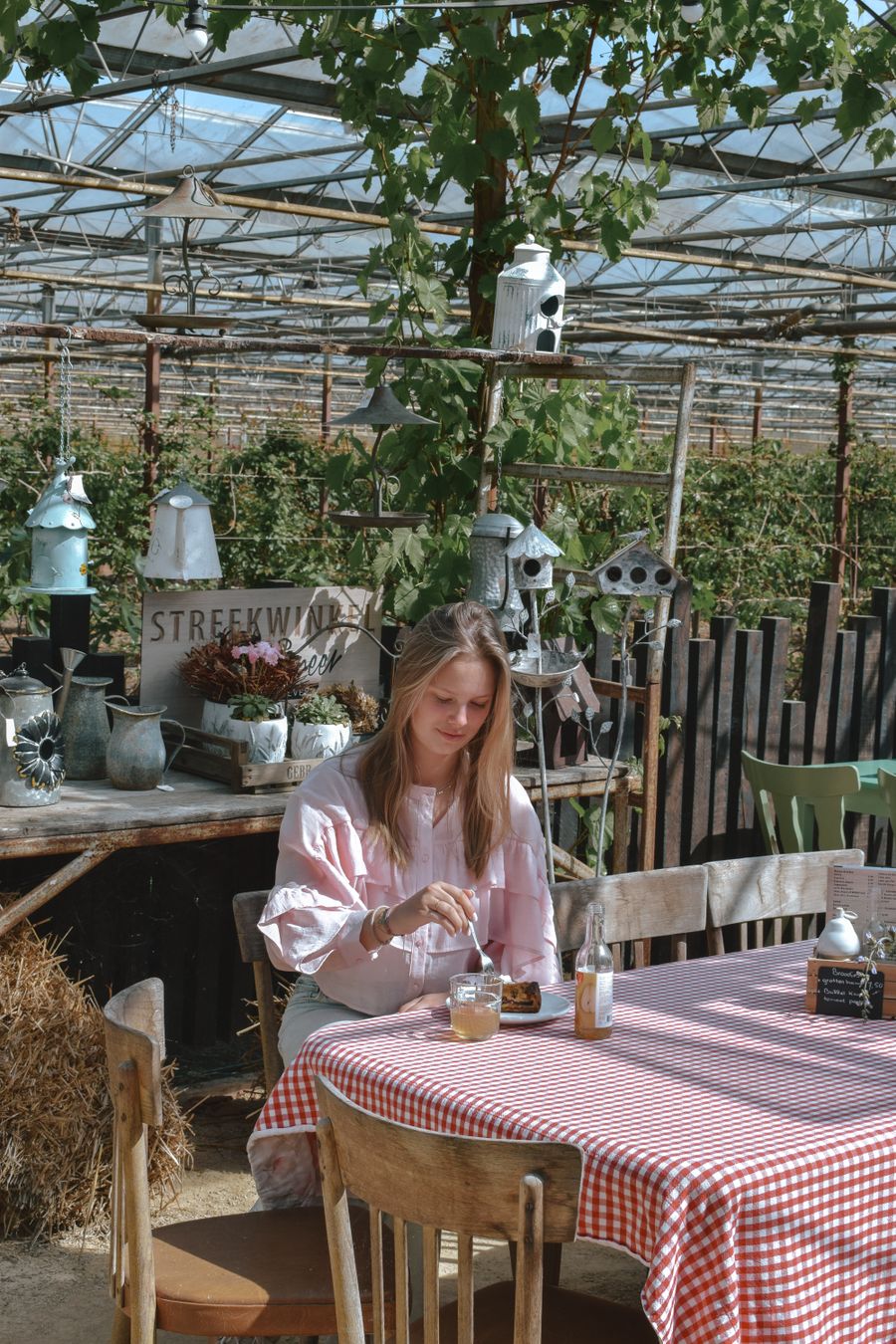
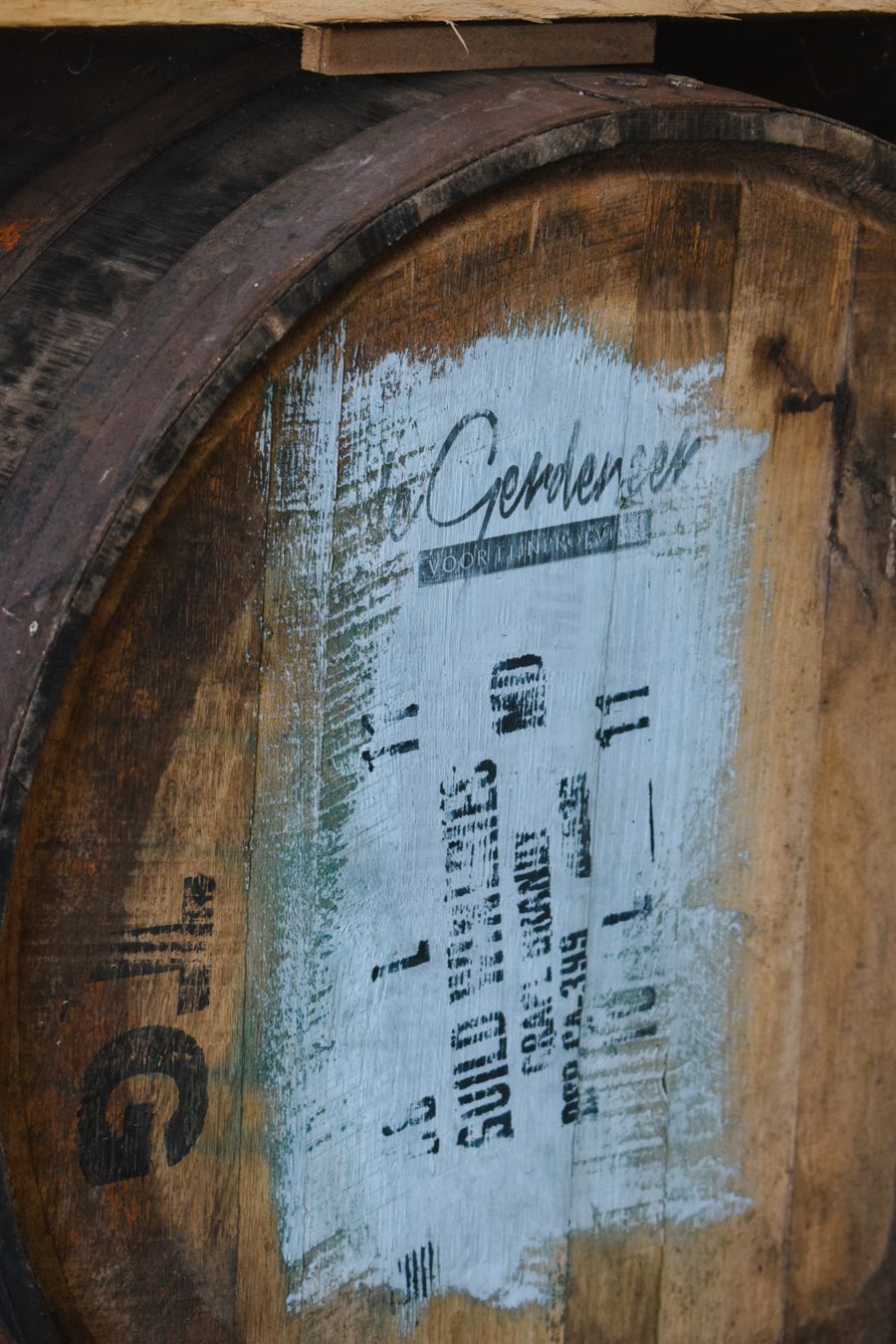
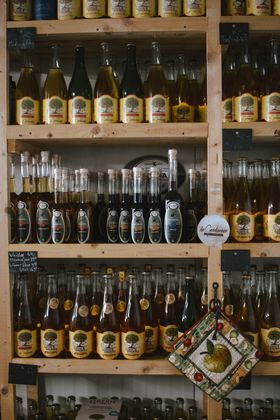
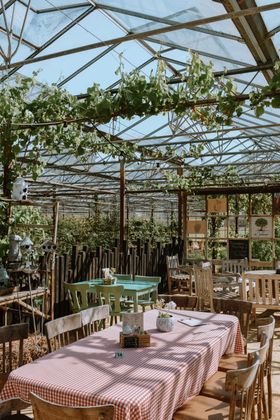
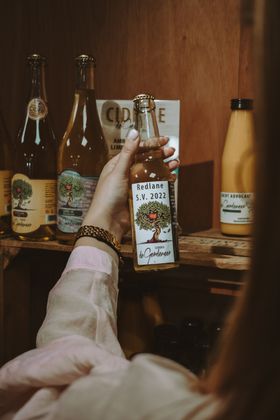
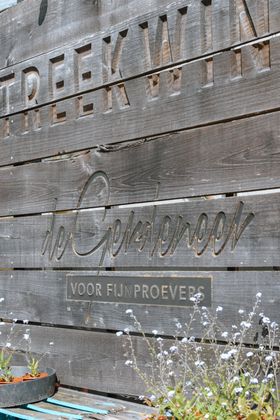
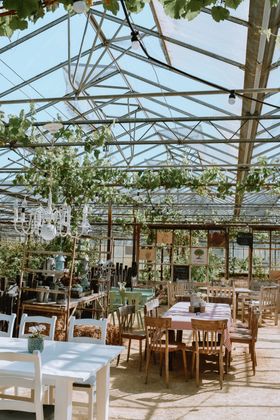
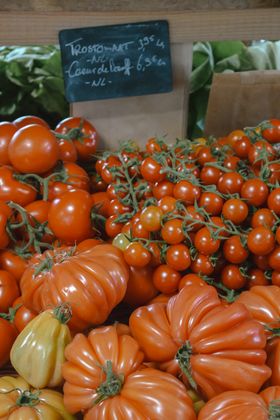
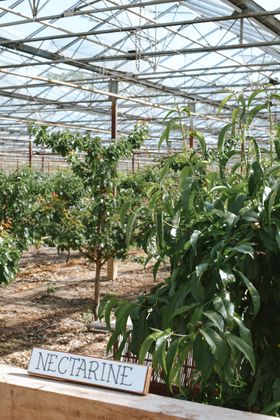
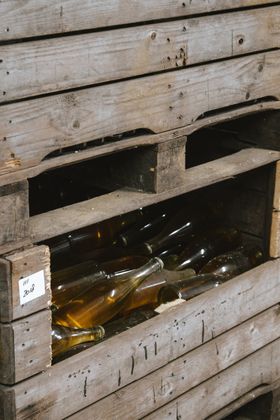
A great tip in the area is De Gerdeneer in Venlo-Boekend. This place is a local produce shop, cidery, tasting greenhouse and fresh produce market all in one. You’ll find vegetables, fruit, Limburg specialities, ciders and a terrace in or next to the greenhouse. This makes De Gerdeneer a perfect fit with the Château Holtmühle story: locally sourced food, prepared with care, and a place where you can see where flavour comes from.

As we leave the estate, I reflect on everything Suzanne told us: the moat, the tithe barn, the herb garden, the asparagus and the animals on the estate. Château Holtmühle is one of those places where you don’t just come to sleep or eat, but where you naturally become curious about the stories behind the place.
Love,
Frequently asked questions about Château Holtmühle
In North Limburg, you can stay in a castle at Château Holtmühle in Tegelen, near Venlo. This historic castle hotel is set on a leafy estate with a moat, a restaurant, a herb garden and a swimming pool. Château De Raay in Baarlo also offers a unique castle stay in the region.
Can’t get enough of staying in a castle? We previously stayed at Château St. Gerlach.
Yes, you can dine at Château Holtmühle even if you’re not staying at the hotel. Restaurant Die Alde Heerlickheijt is open to non-residents. You’ll dine in the castle’s former vaulted cellars, where meals are prepared using seasonal produce, regional ingredients and herbs from the hotel’s own garden. The terrace at the château is also open to visitors.
Château Holtmühle stands out for its combination of history, gastronomy and the local experience. You’ll be staying on a historic estate featuring a castle, a moat and various outbuildings, including the Tiendschuur. At the same time, the cuisine plays a key role. The restaurant uses regional produce, herbs and edible flowers from the herb garden, and dishes that change with the seasons. Tegelen’s history of ceramics and its location close to Venlo also make this a versatile destination.
Would you rather stay in a French château? Discover our tips for staying in châteaux in France.
During the asparagus season, Château Holtmühle regularly features dishes made with asparagus from North Limburg on its menu. The season usually runs from April to June. As the kitchen uses local and seasonal produce, asparagus fits in well with the style of cooking here. Think of classic dishes with hollandaise sauce, ham and egg, complemented by a unique twist such as herbs or oil from the herb garden.
It is precisely because ingredients are sourced locally in North Limburg and meals are prepared using seasonal produce that you can taste asparagus at its very best here.
More culinary experiences - Our restaurant recommendations
-
Trendy restaurants in Bruges
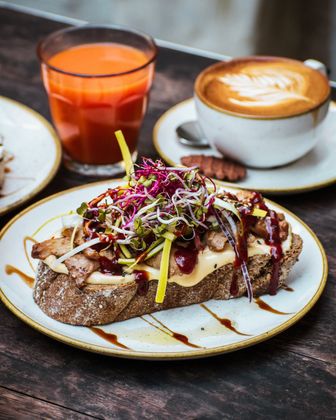
Ready to discover the tastiest places in Bruges? From creative toasts to delicious curries and home-made chocolate milk, Bruges has it all! In this blog, I take you to eight hip restaurants you should not miss.
-
Restaurants that cook with produce from their own vegetable gardens
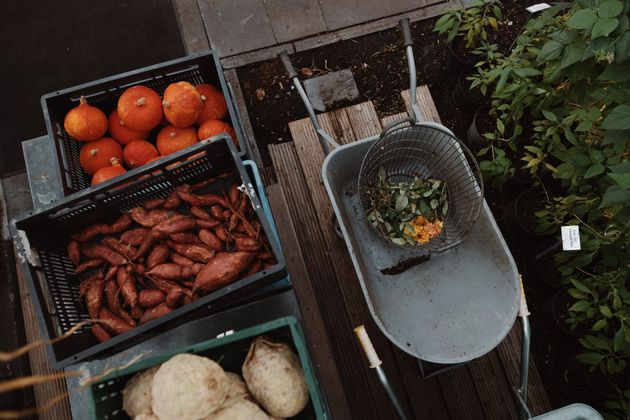
Discover six Dutch restaurants that source ingredients from their own vegetable gardens. At Honeyguide, we love restaurants that bring all their strengths together under one roof. Discover our tips for a special culinary experience.
-
The best spots and restaurants in Amstelveen
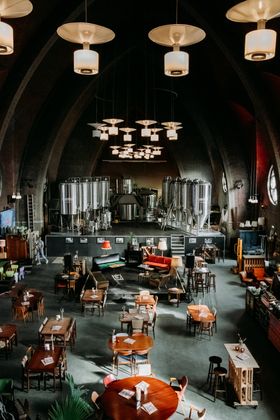
Played out the restaurants in Amsterdam, or want to get off the beaten track for once? Amstelveen has a vibrant food scene full of surprising culinary finds. Honeyguide Amanda shares a few of her favourites with you.