

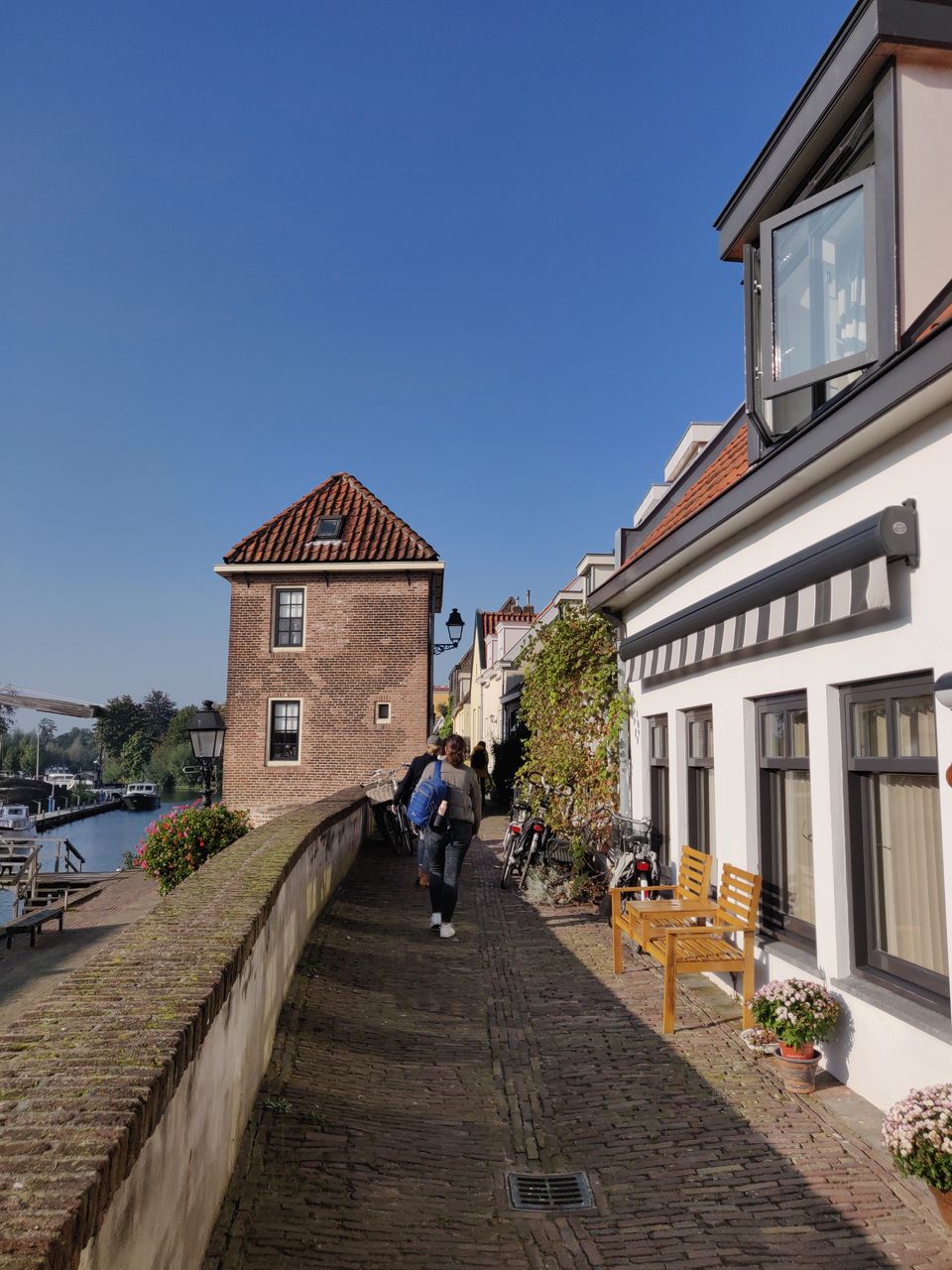
The fog has just lifted as the rays of a watery autumn sun illuminate the harbour of Leerdam. With the historic city wall on the left and the harbour on the right, I walk along the Zuidwal towards the Glasblazerij. The place where our day of cultural heritage will kick off.
Today, we take a cultural journey through the Vijfheerenlanden region, discovering the part of the Netherlands between Lek and Linge. You will find this area in the middle of the country, just below Utrecht. Here, vast floodplains, historic towns, brave dykes and lush polders play the leading role with the two rivers Lek and Linge as a lovely backdrop. Cultural heritage can be found just about on every street corner here and centuries-old crafts are the order of the day.
Glass city Leerdam - The history of glass blowers
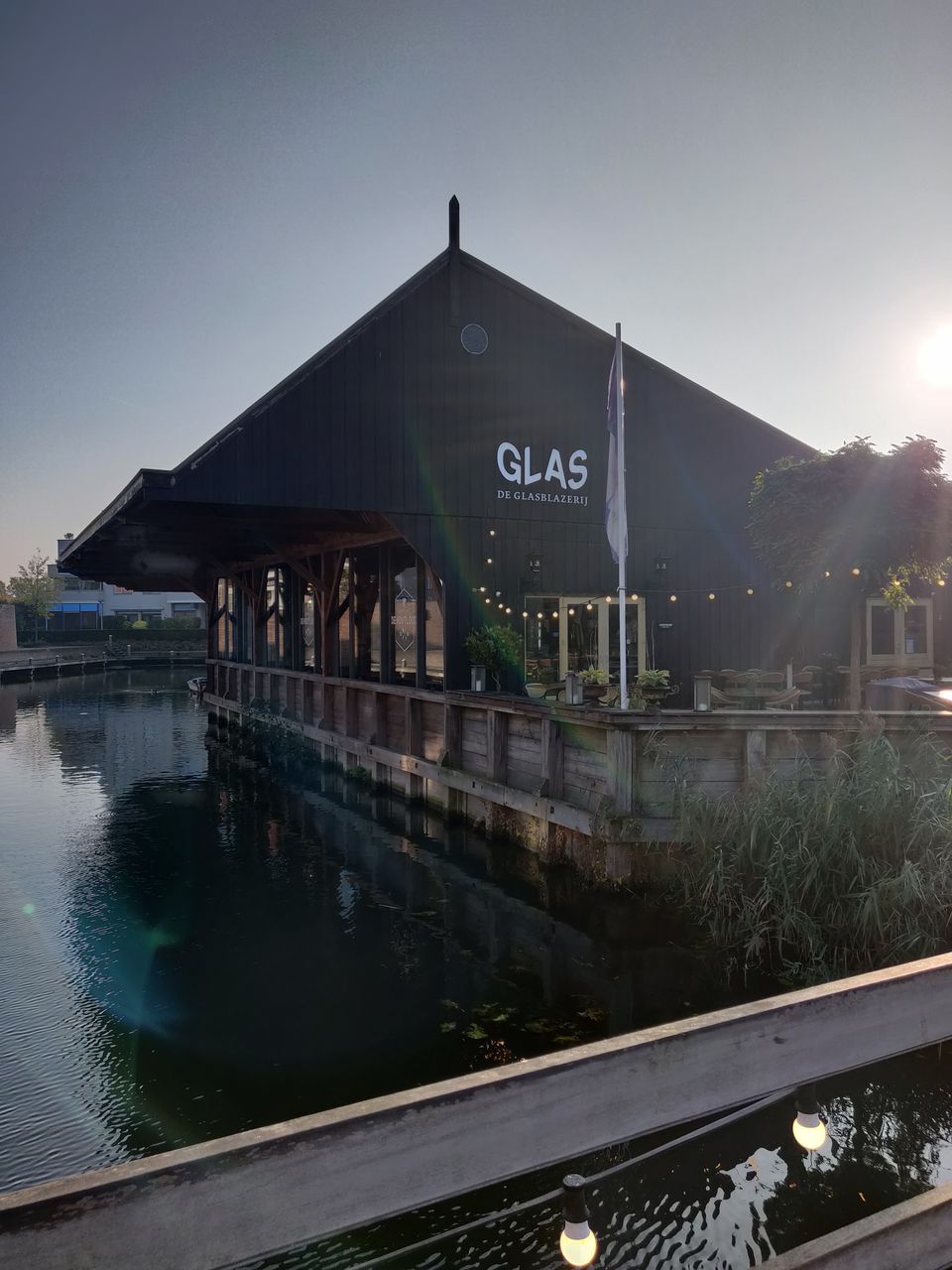
At the end of the Zuidwal, I come across a striking building across the water: the Glasblazerij in the former timber shed 'Holland'. Leerdam has been linked to glass since the 18th century because of the glass factory Royal Leerdam Crystal. The family business began by producing glass for the Netherlands, but soon this production spread all over the world.
Since August 2020, all operations of the glass factory have ceased, but you can still admire this unique craft in the glassworks and in the glass museum.
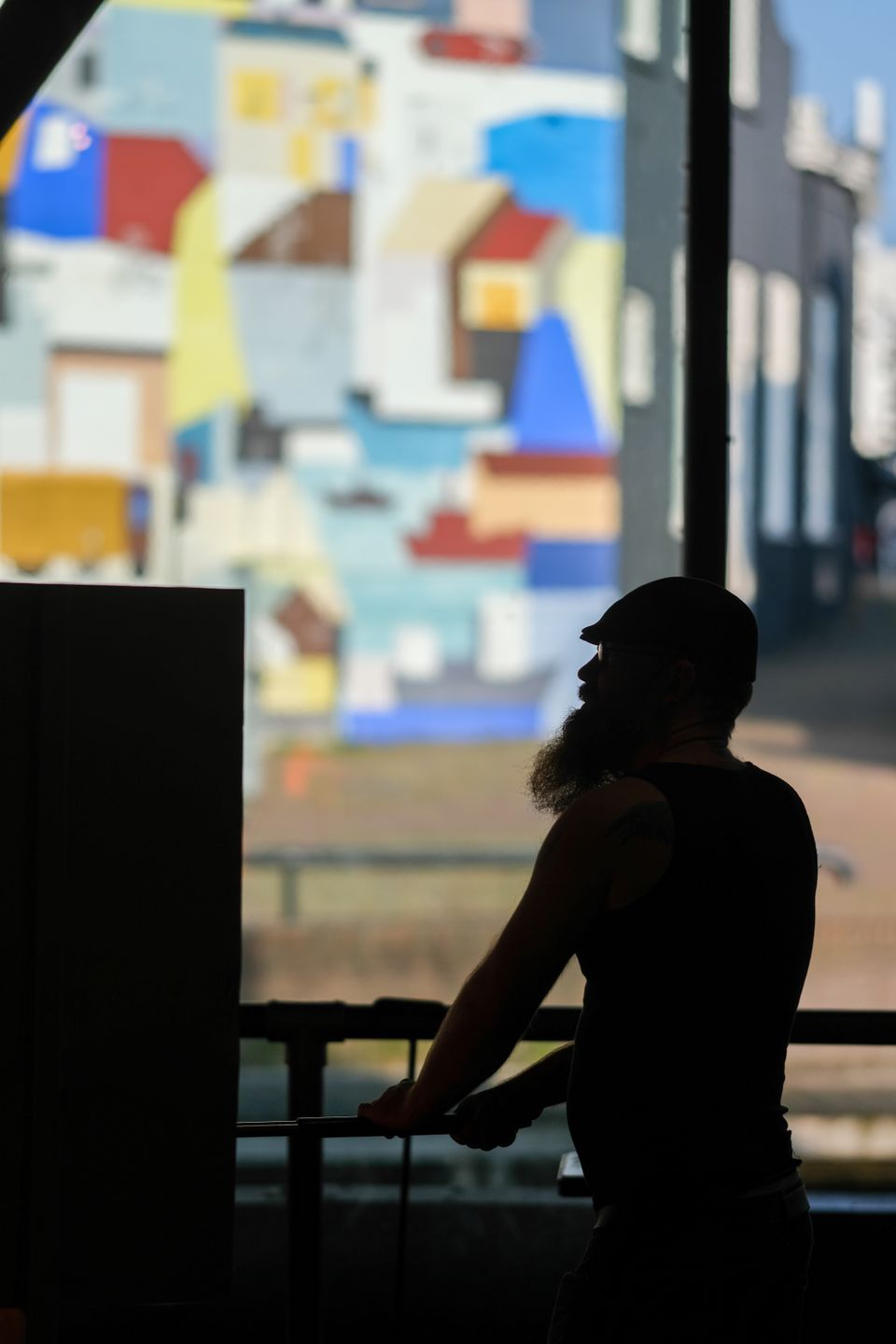
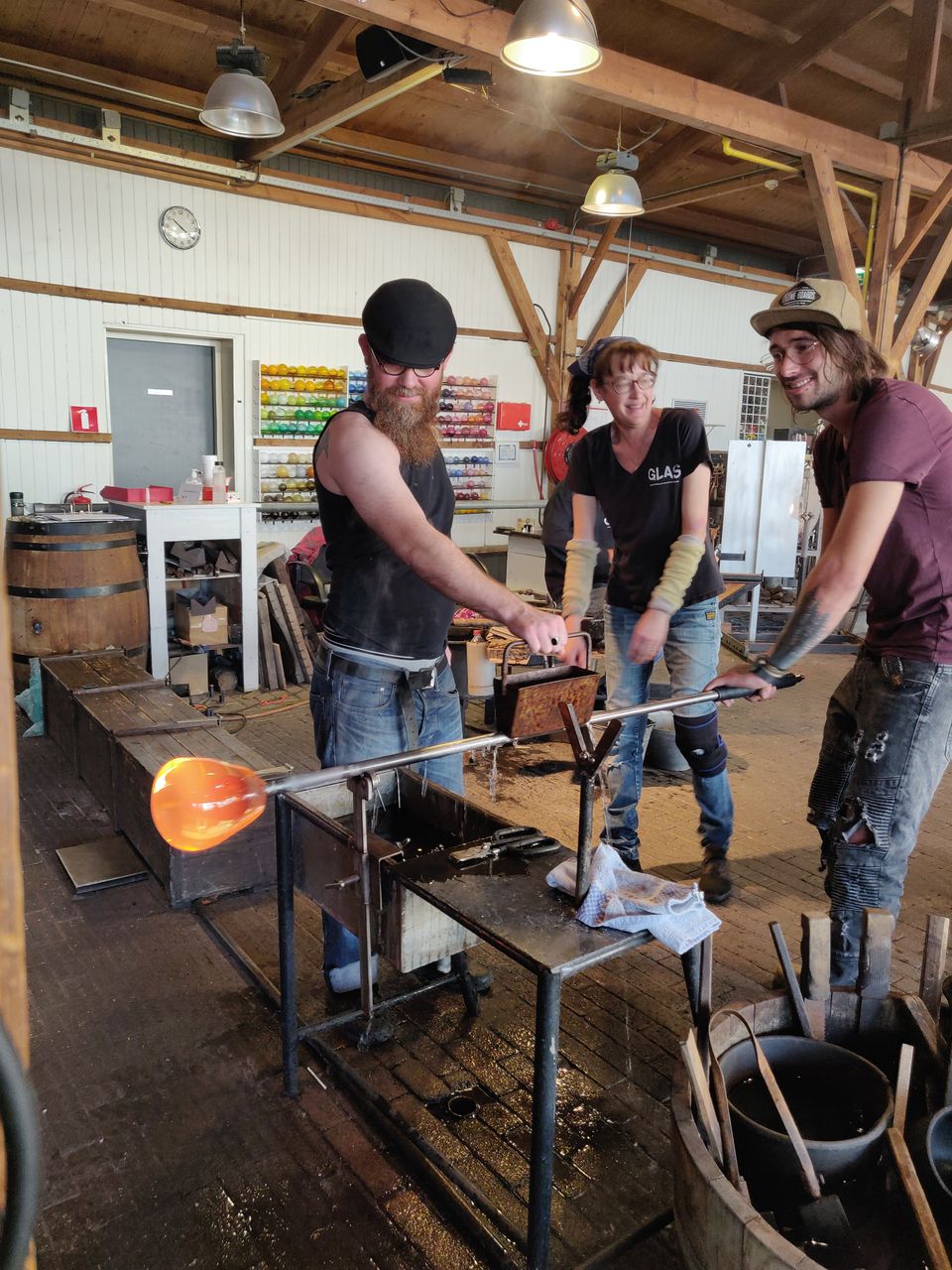
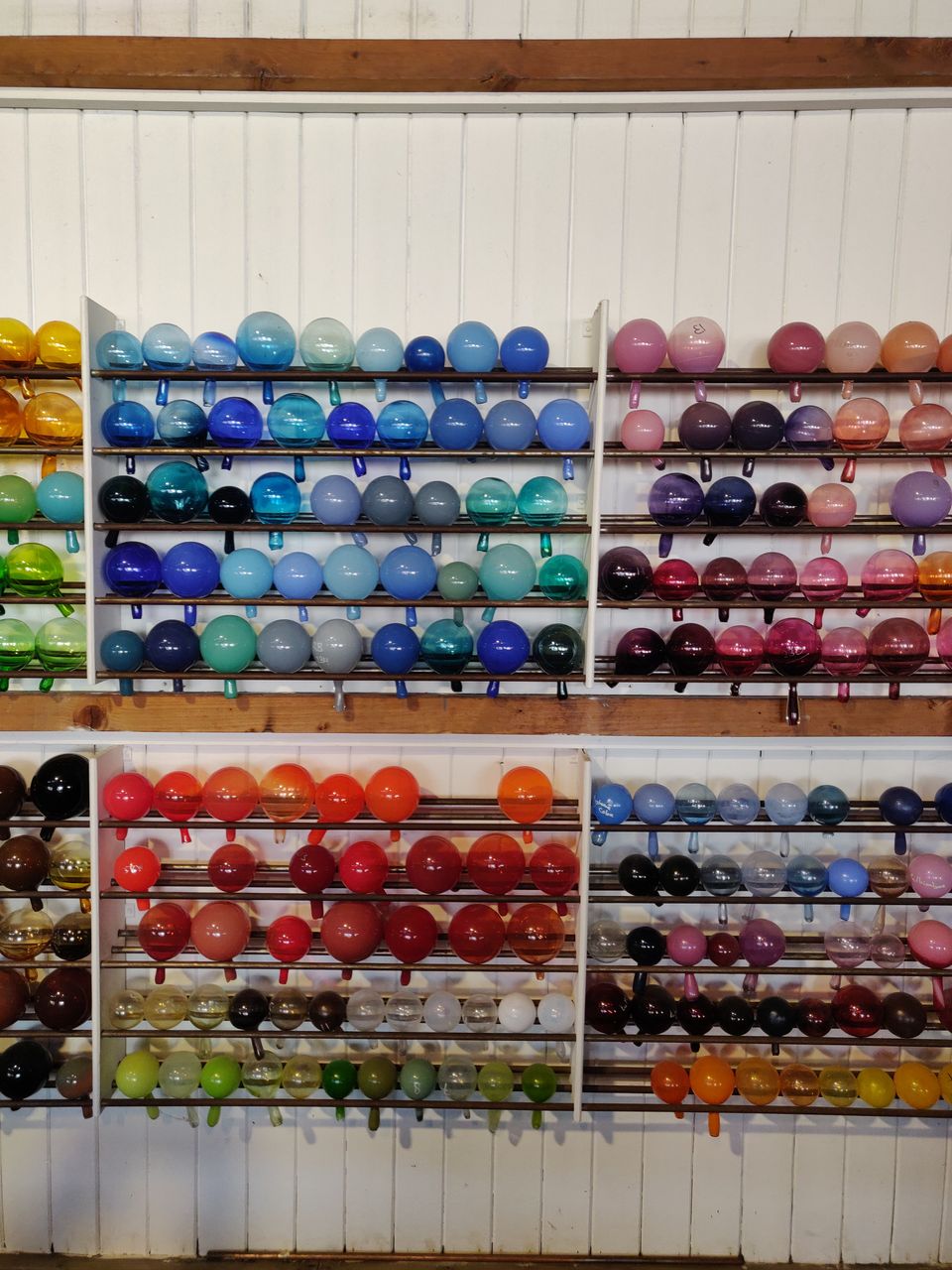
Today, we too dive deeper into the world of glass blowers and we really feast our eyes. Four glass blowers are diligently at work making two vases. They work in pairs. This is necessary because glass blowing is damn heavy work. The basis for the two vases is just a small lump of glass at the end of a long blowpipe. Each time, the hunk of glass is liquefied again in the one the ovens at a temperature of over 1,000 degrees Celsius. The glass is then liquefied for about 30 seconds and can be blown.
This process is incredibly time-consuming and requires a lot of precision and expertise. So before you can call yourself a glass blower, you are easily ten years into training.
City walk Leerdam - Life within the city walls
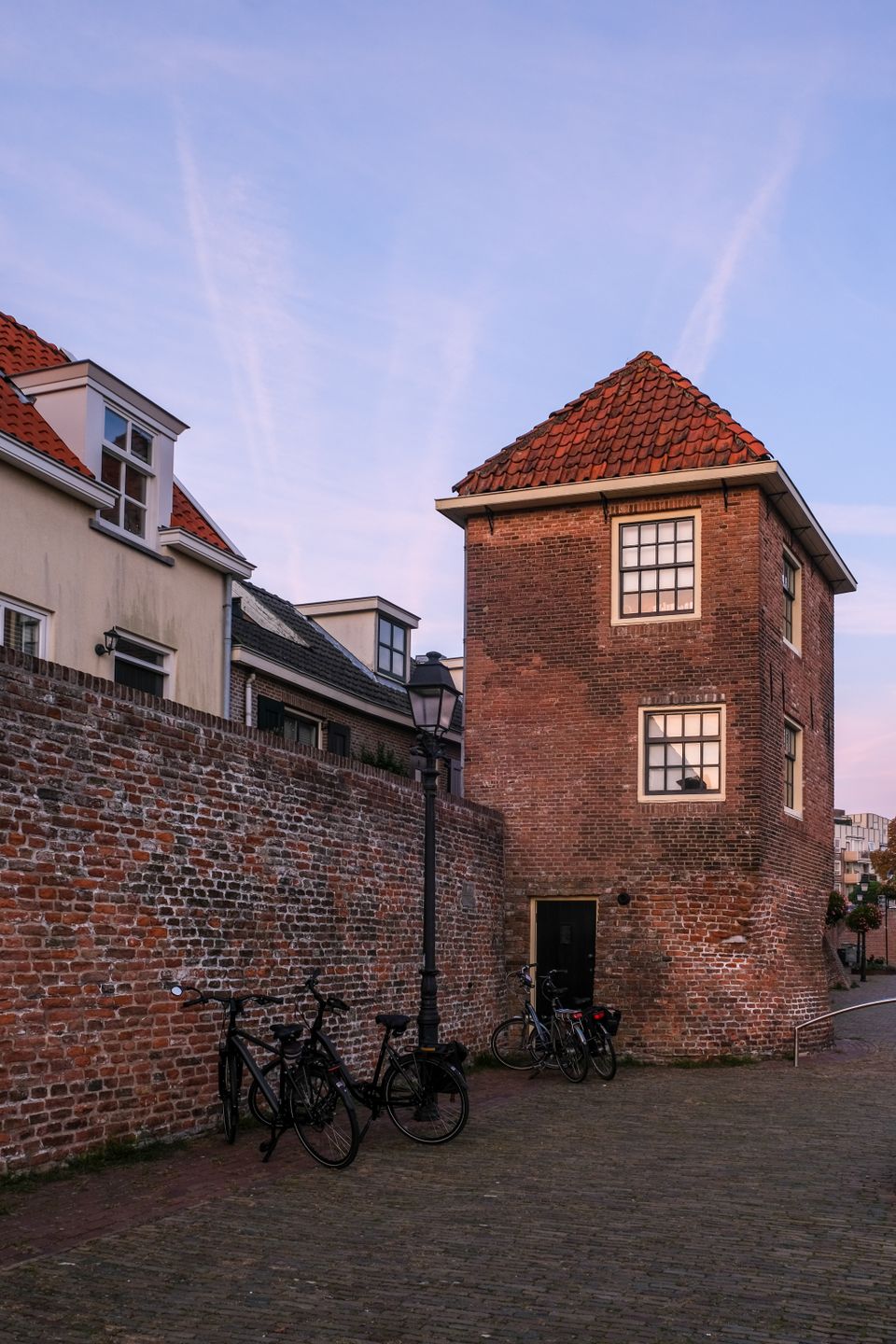
After this exciting visit to the Glasblazerij, we walk into the historical centre of Leerdam for a city walk. The entire city centre was once walled in by an imposing city wall. Remnants of this structure can still be found in the harbour today, as can the Muizentorentjes. Why the name? Because these turrets, so close to the city wall, were not exactly attractive to live in. People much preferred to live safely in the city centre. Only the mice liked these turrets.
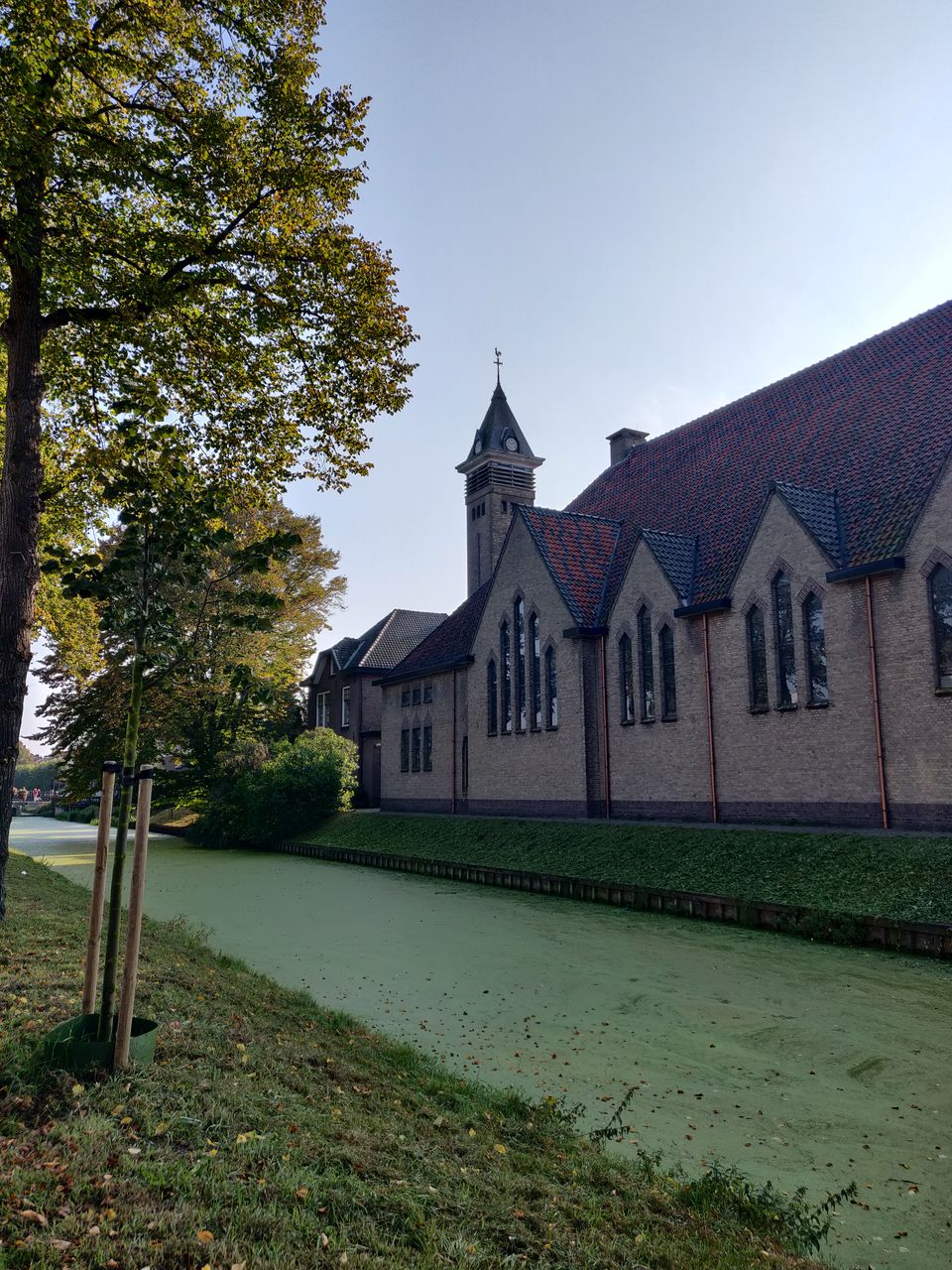
Walking through the historic streets of Leerdam, the Maria Onbevlekt Ontvangenkerk looms in the distance. With 1928 as its year of construction, it is a fairly young church. The architecture was inspired by the Art Deco movement, and that is precisely what makes the church so refreshing.
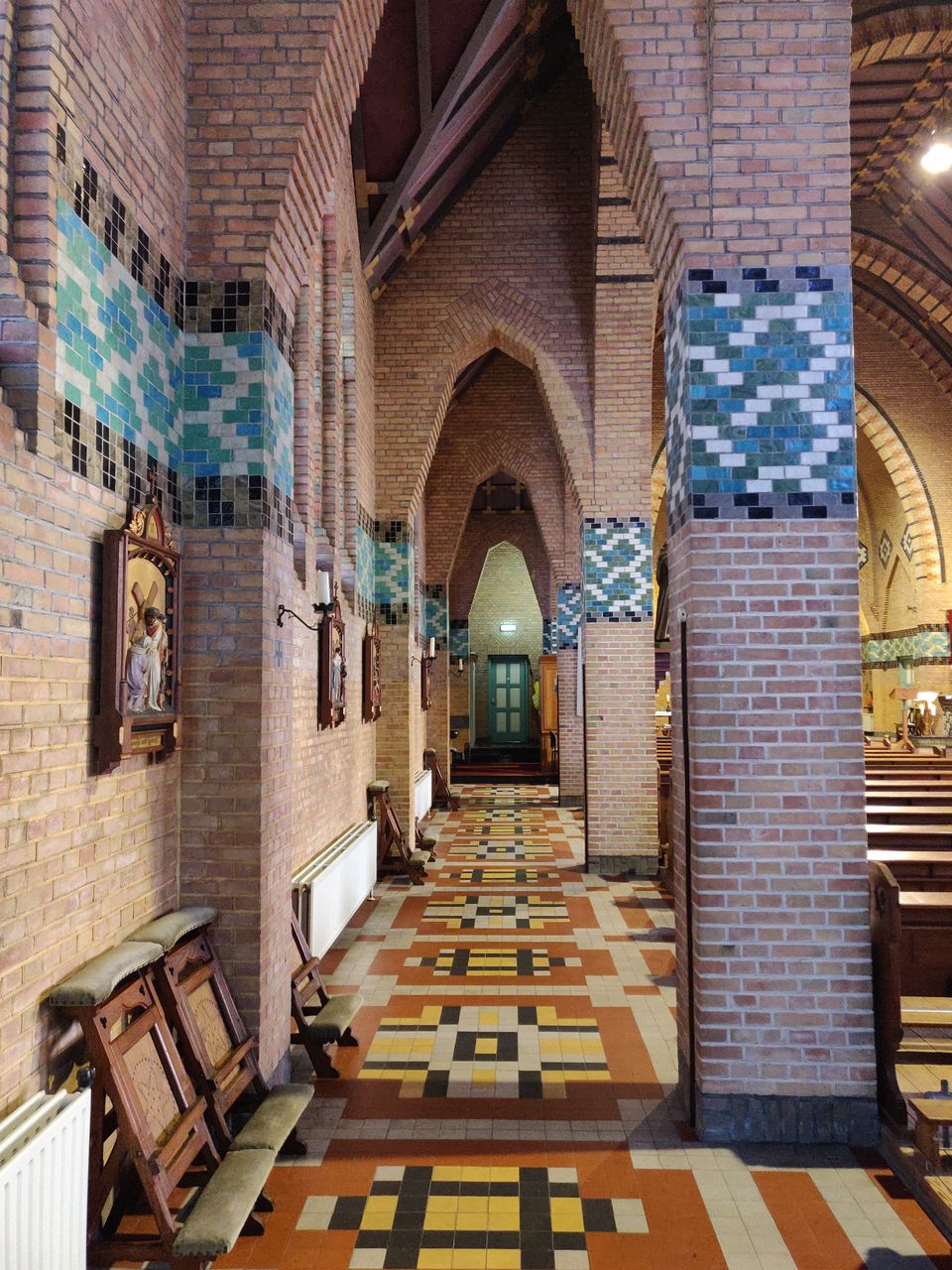
The inside is rather plain in terms of decorations but a band of azure blue tiles immediately catches my attention. The stories go that they were once made by workers at the Glass Factory with the aim of contributing to the church.
Historic Vianen - Everyone is welcome in the free city
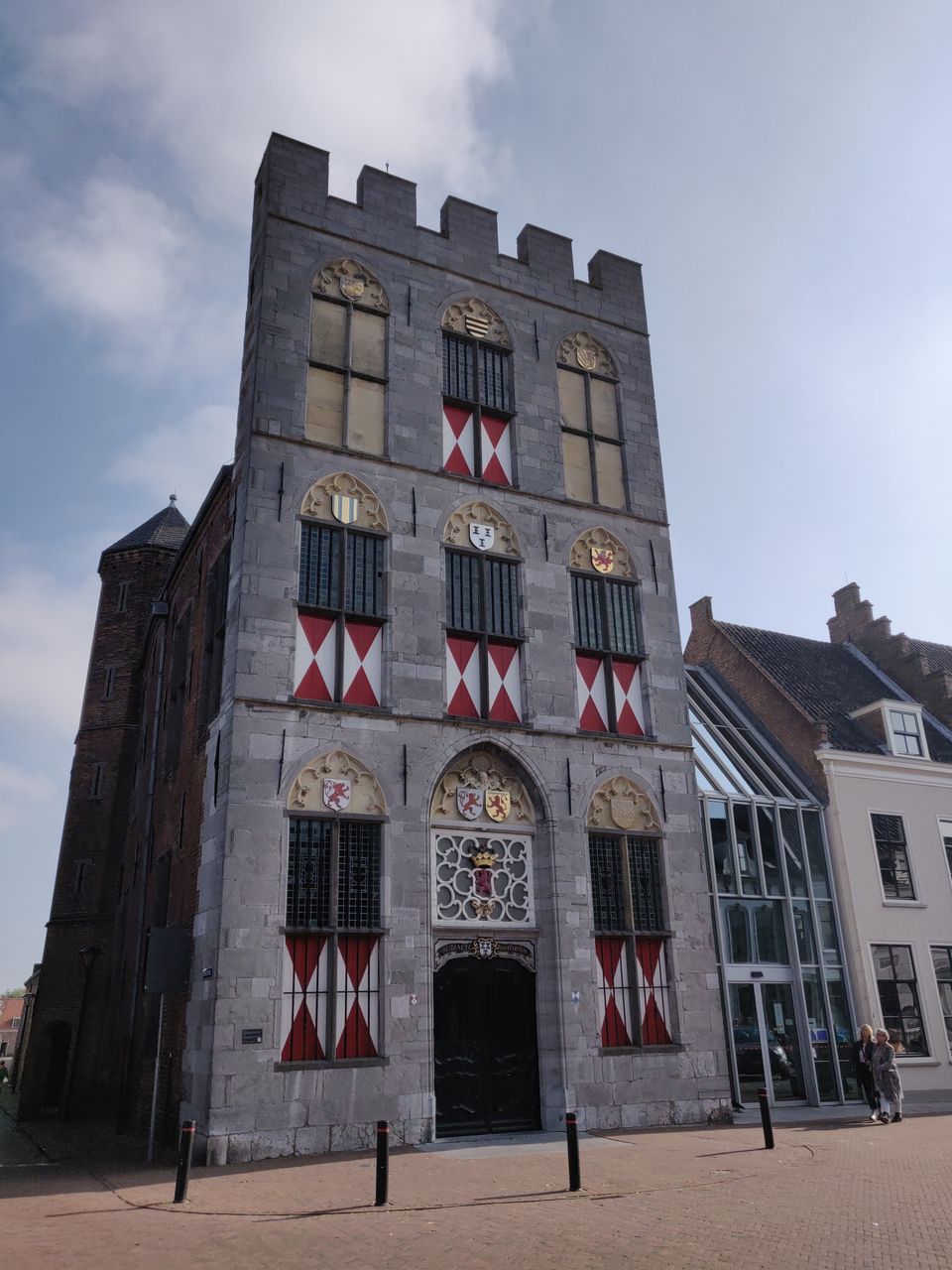
We leave Leerdam behind and travel on to Vianen, a city steeped in history. With over 190 national monuments, culture sniffing is the order of the day here. This town was once home to a large castle, complete with city walls and imposing entrance gates. Many remnants of these medieval defences can be found in the historic city centre. As a history buff, you really fall head over heels here.
In the Middle Ages, Vianen developed as a so-called free city. People who were not welcome in other places - for example, because of legal issues - found a safe haven within the city walls of Vianen. Vianen was independent and had its own legal system. Quirky as they were, they could decide for themselves who could settle in the city.
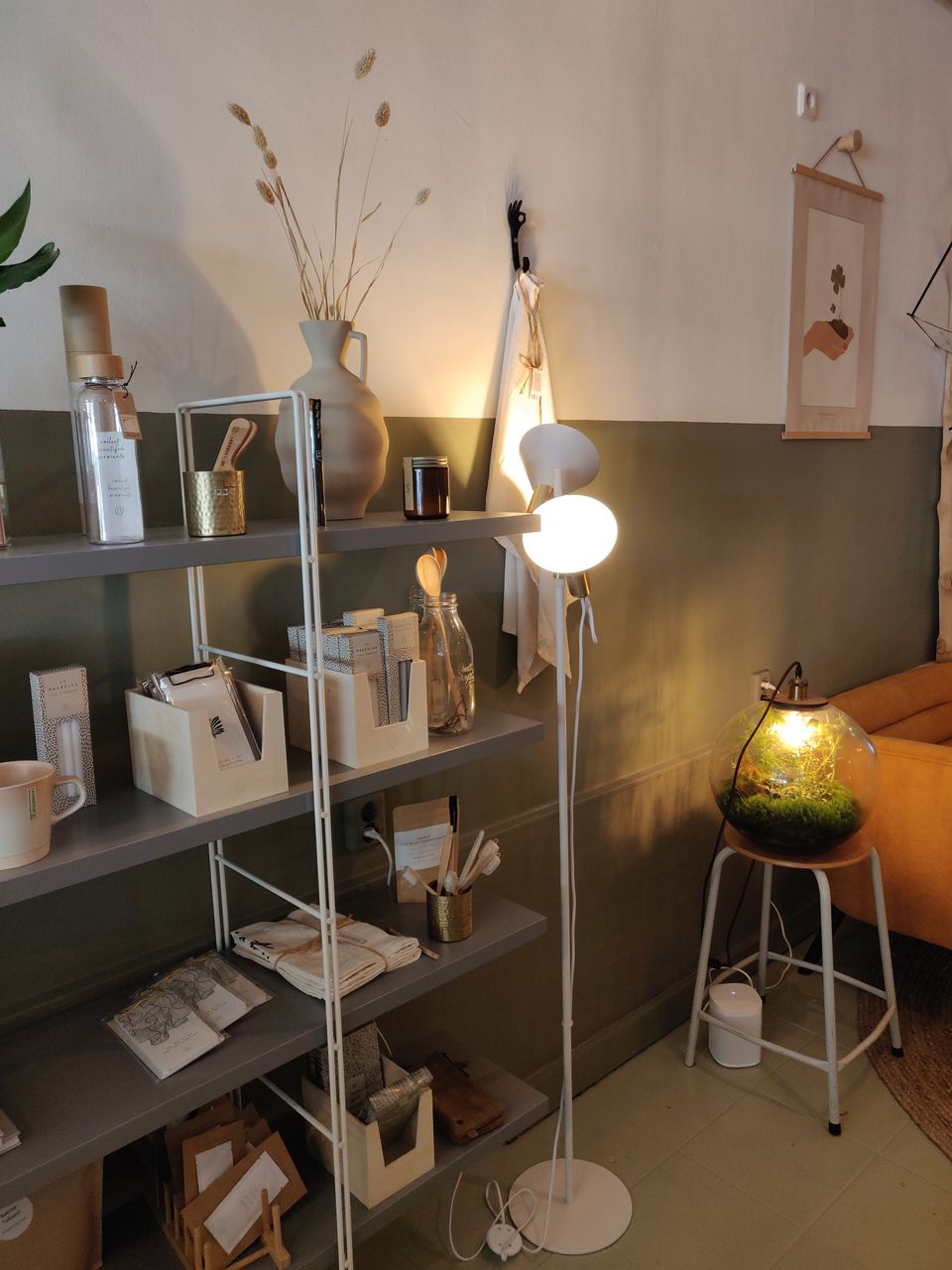
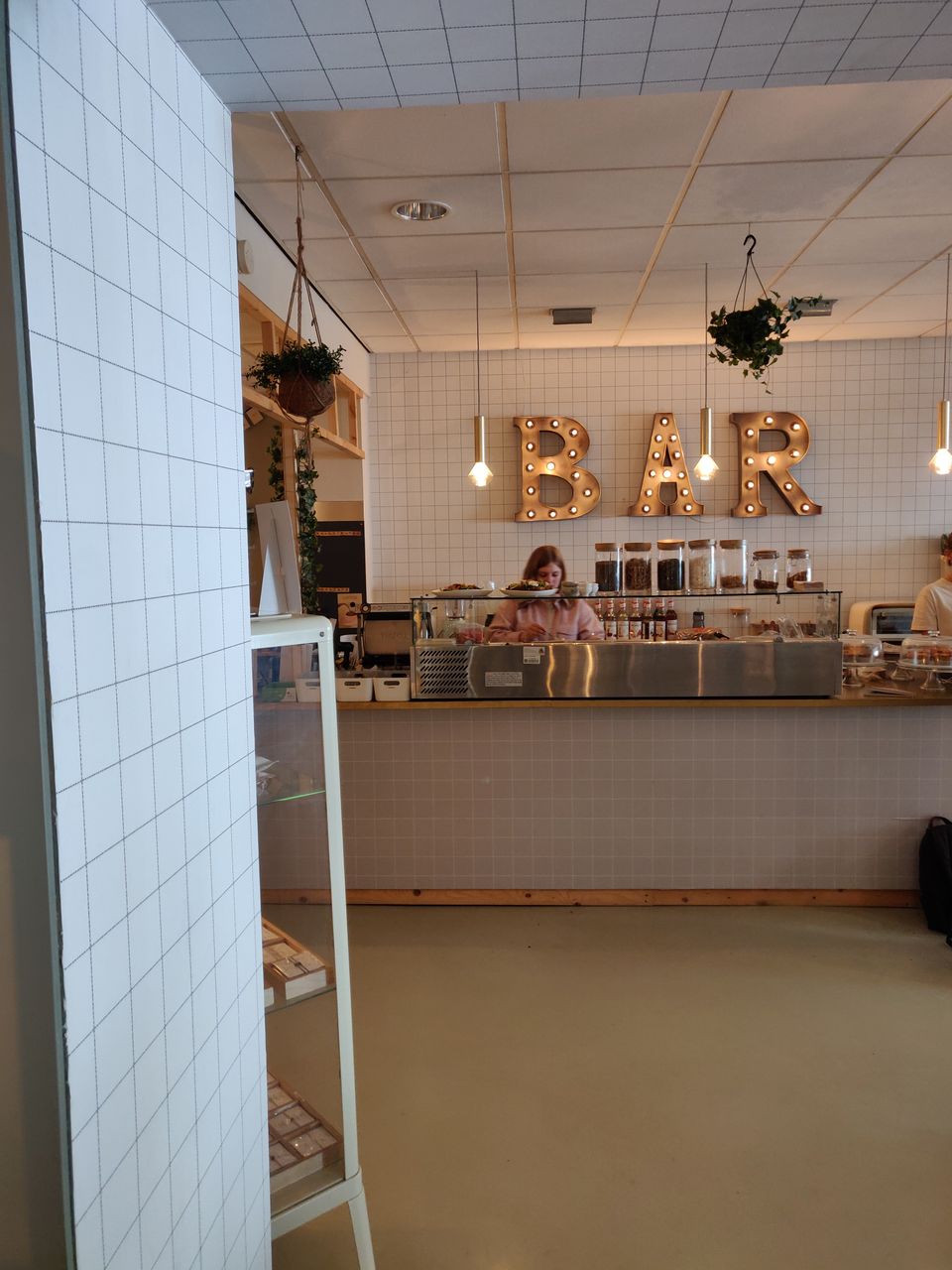
After the historic city walk through Vianen, we settle down at shop café FLINN. This fine spot is a coffee bar, lunch room and shop all in one. We feast on a delicious lunch and browse around the shop. All items have their own story and are perfect for an original gift for someone else or just for yourself.
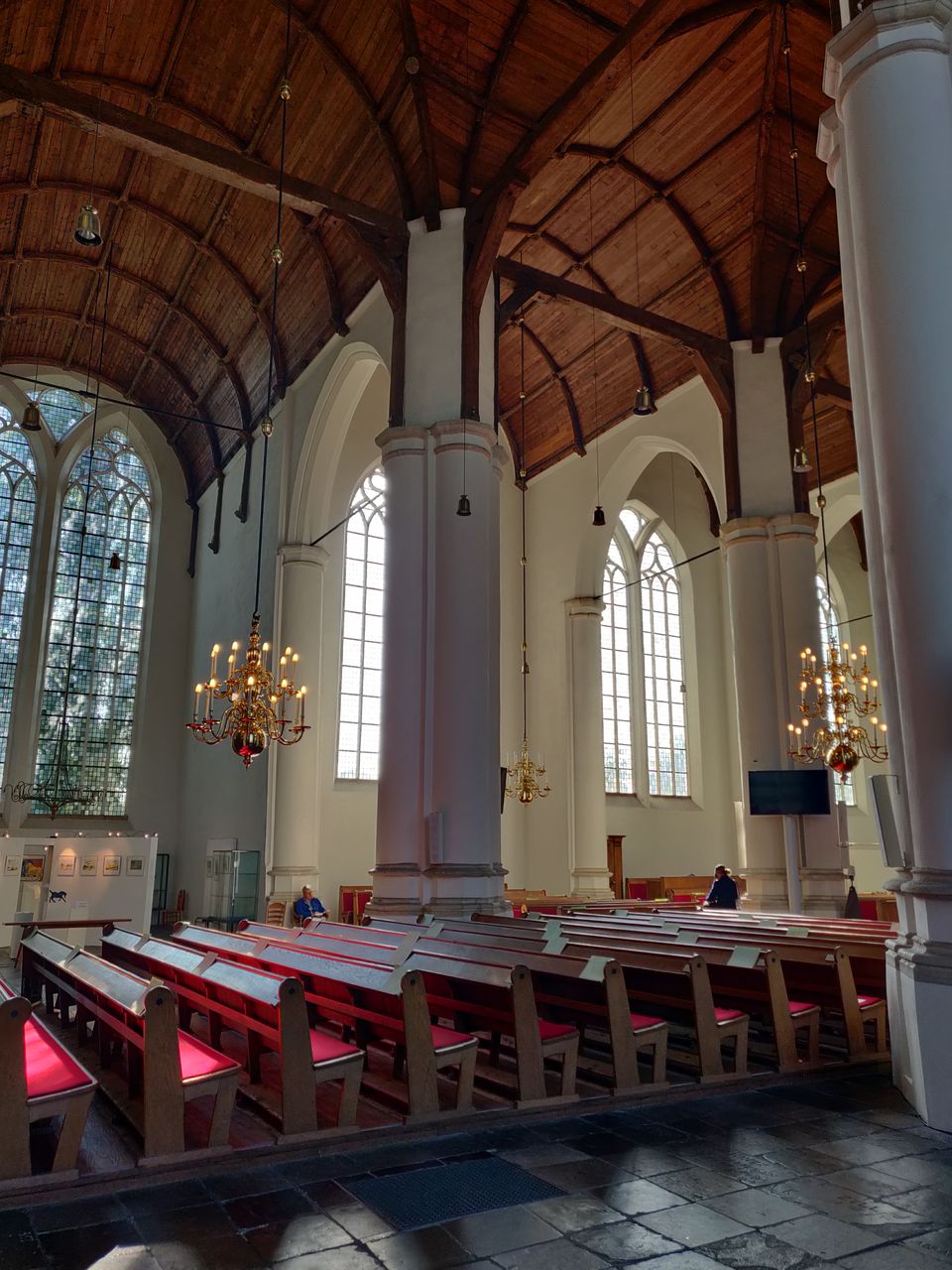
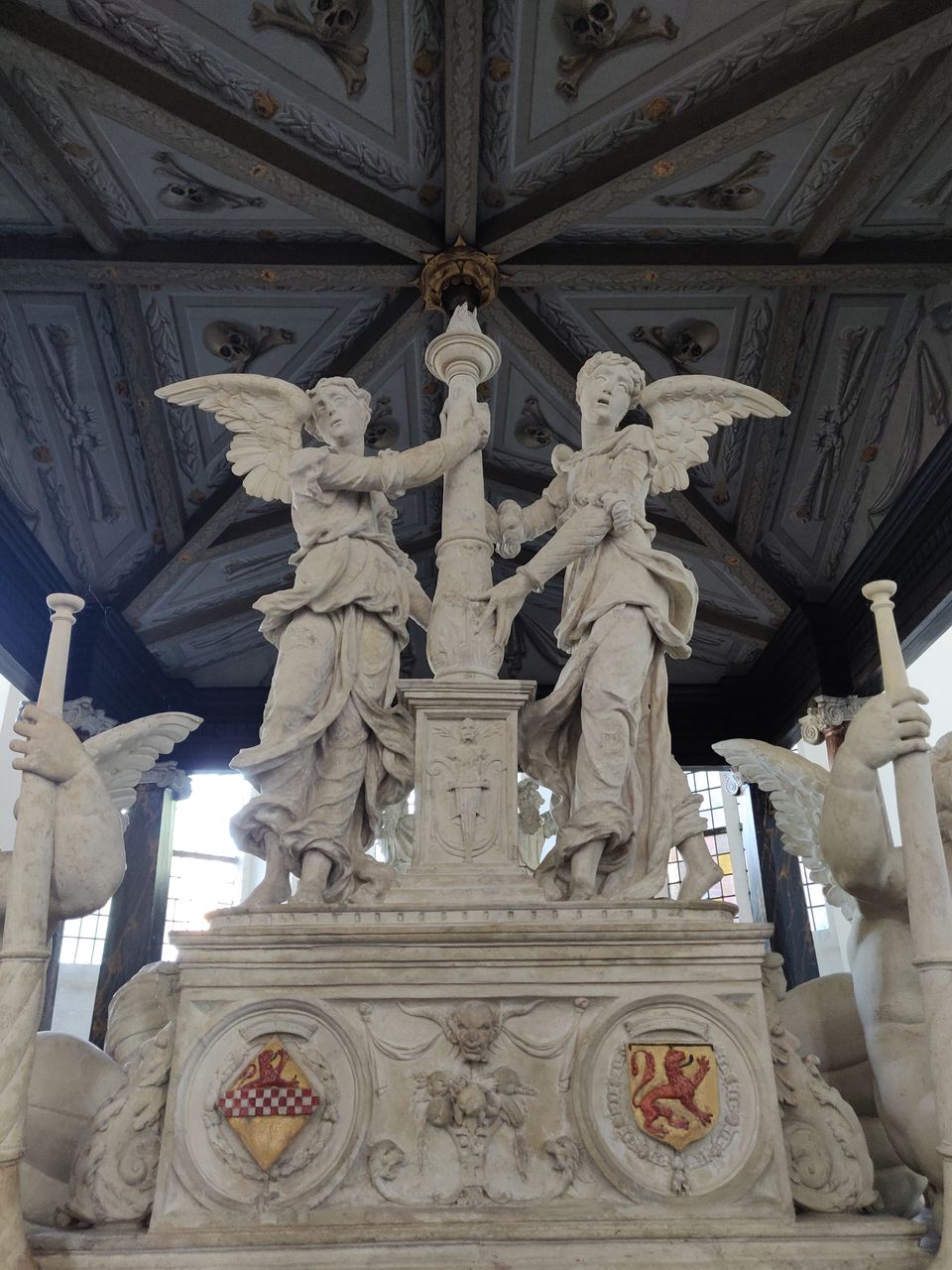
Before we continue on this cultural journey between Lek and Linge, we make a stop at the Grote Kerk in Vianen. Amazed, I look around inside - what a unique design. The wooden roof contrasts beautifully with the snow-white walls. A striking carving at the back, separates the Brederodekapel from the rest of the church. This tomb was designed by Colijn de Nole, a sculptor from Utrecht.
Positively surprised by our visit to the Grote Kerk in Vianen, we continue our journey towards the Lek river.
From fortress to brewery - On the road at Fort Everdingen
The sunny floodplains stretch far ahead of us as we drive along the dike towards Fort Everdingen. This 19th-century fort lies on the border between the province of Utrecht and Gelderland and was once part of the New Dutch Waterline. Honeyguide Simone has already made a road trip along the Nieuwe Hollandse Waterlinie.
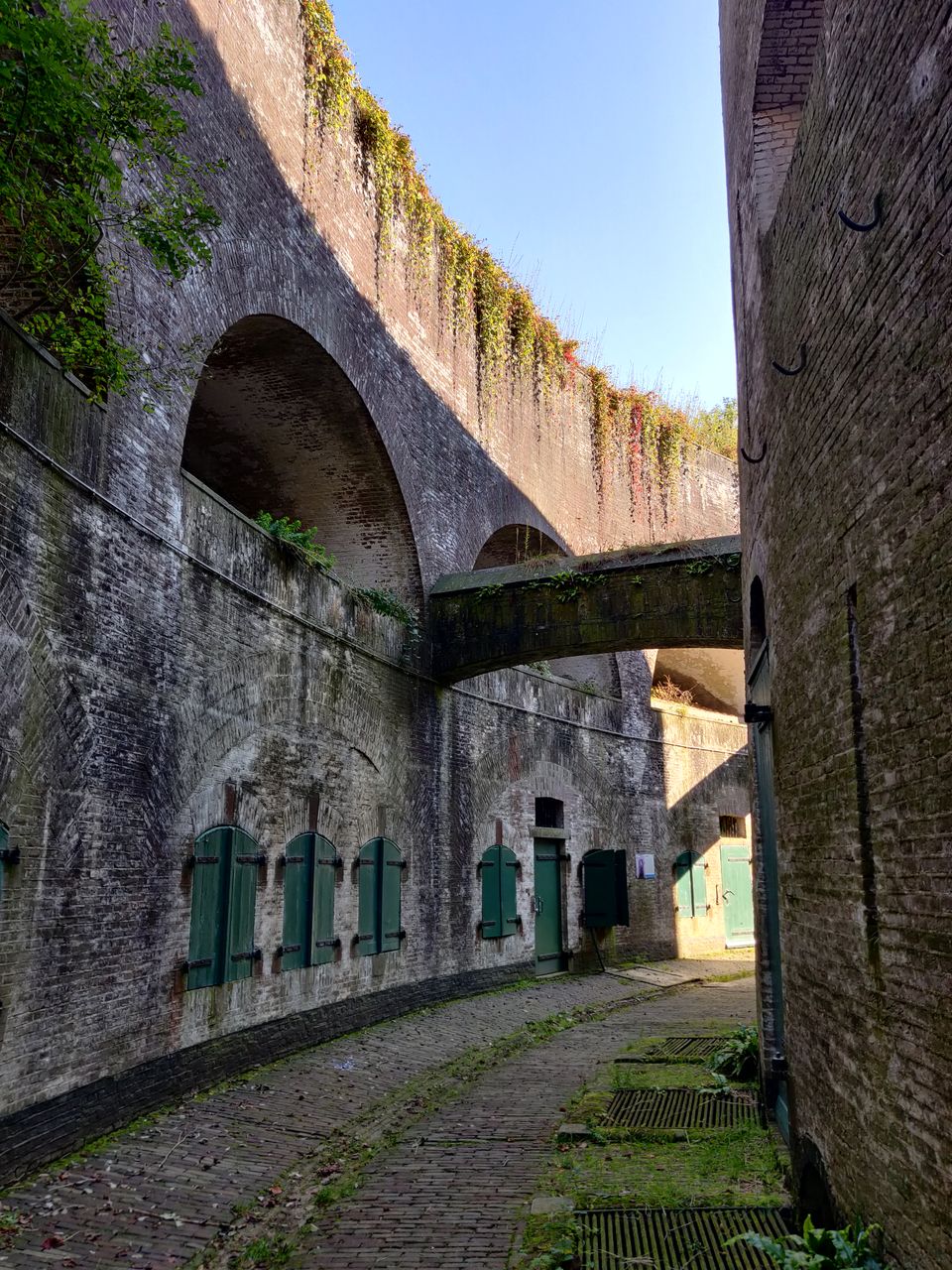
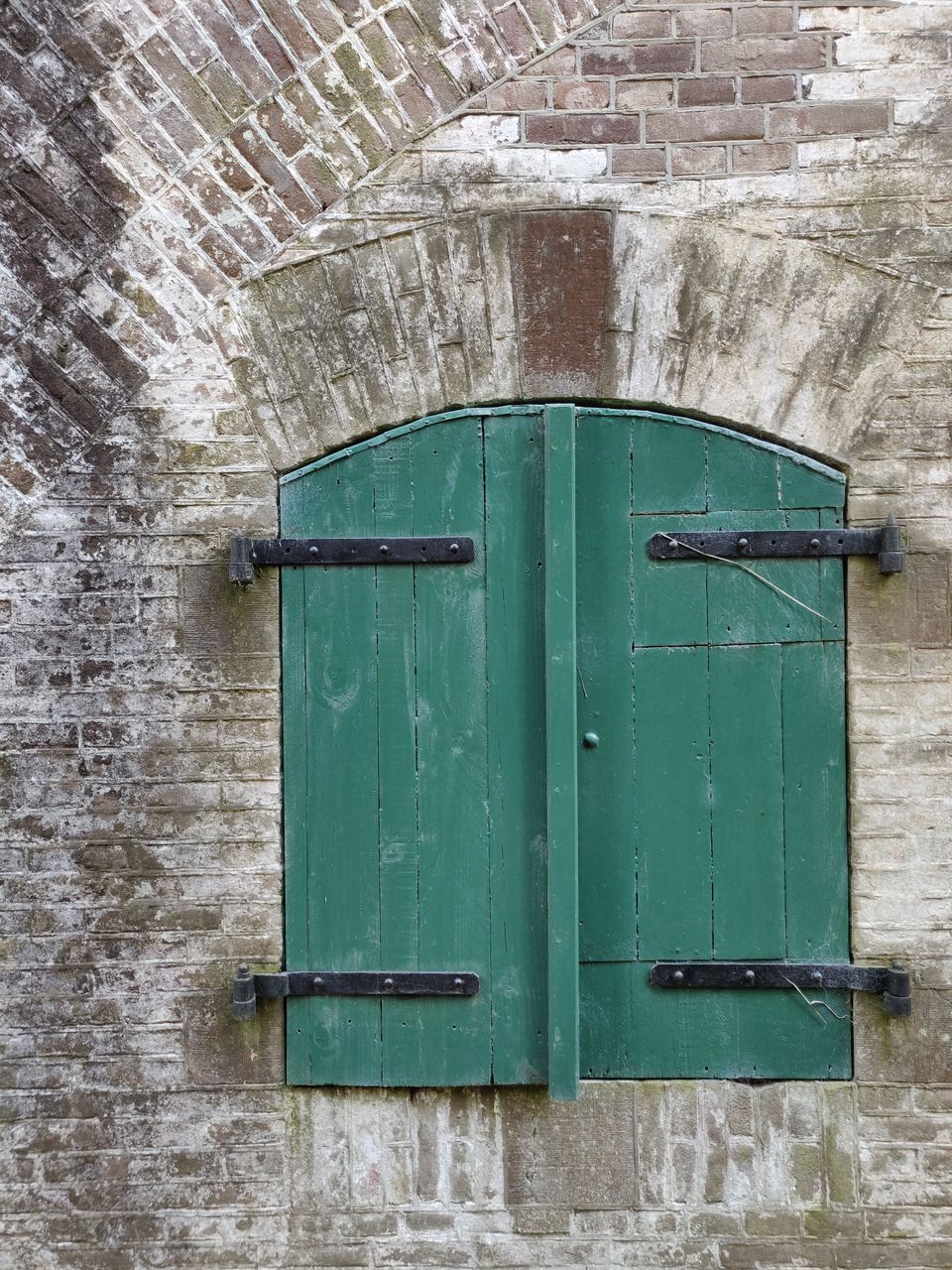
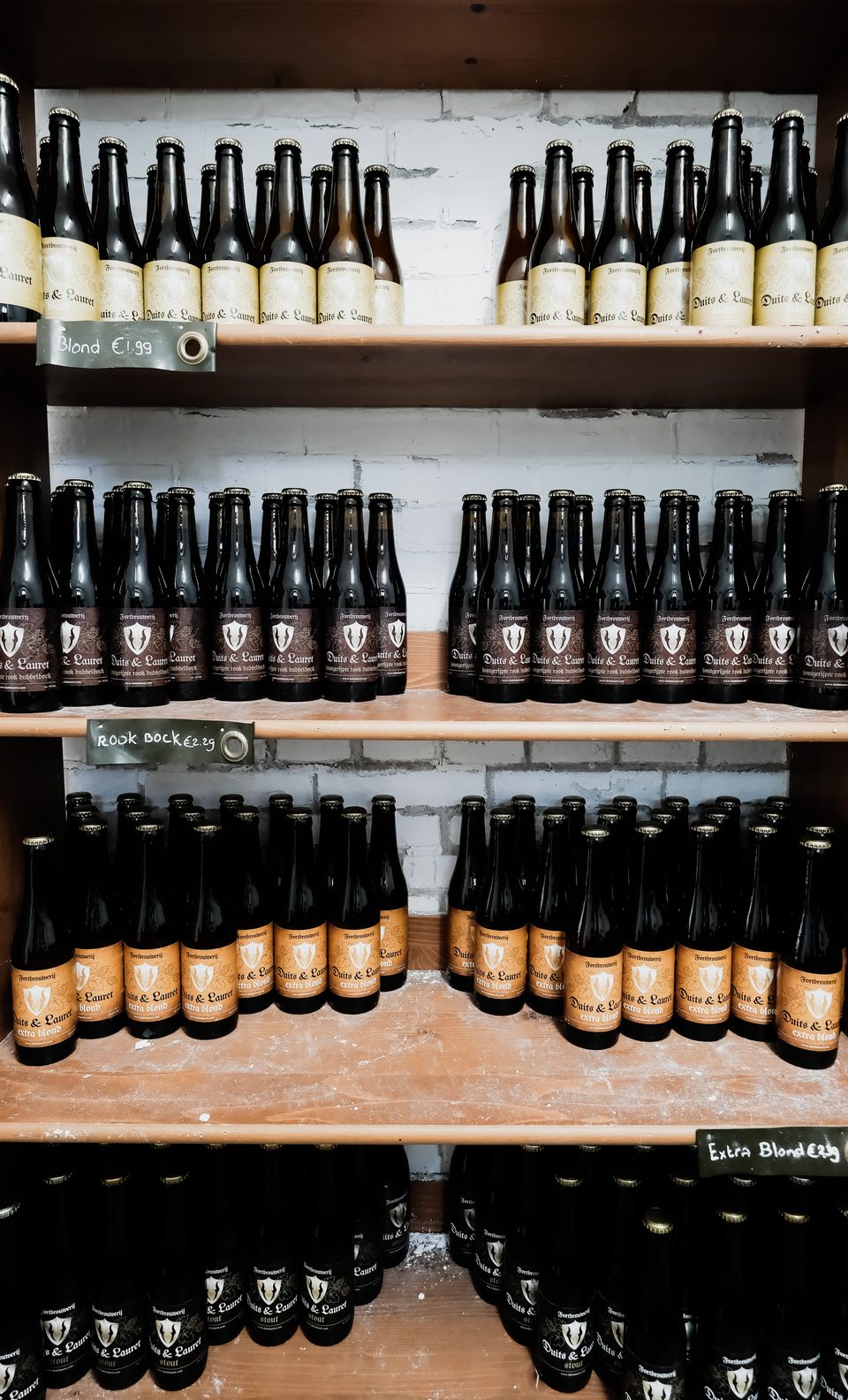
Since 2015, Fort Everdingen has been home to beer brewery Duits&Lauret. The brewery includes the shop and tasting room which is located in the former army classroom. Sustainable beer brewing is what they do here. Rainwater is collected via the roof and, via kettles, the filtered water ends up in the water basin underground. This basin then serves as a source for brewing the German&Lauret beer.
We too get to tickle our taste buds during a tasting session with a number of Dutis&Lauret beers. In the afternoon sun, we enjoy three fine beers. The flavours are sophisticated and the beer is clearly made with a lot of love and attention.
The sawn-through bunker - The Diefdijk and its bunkers
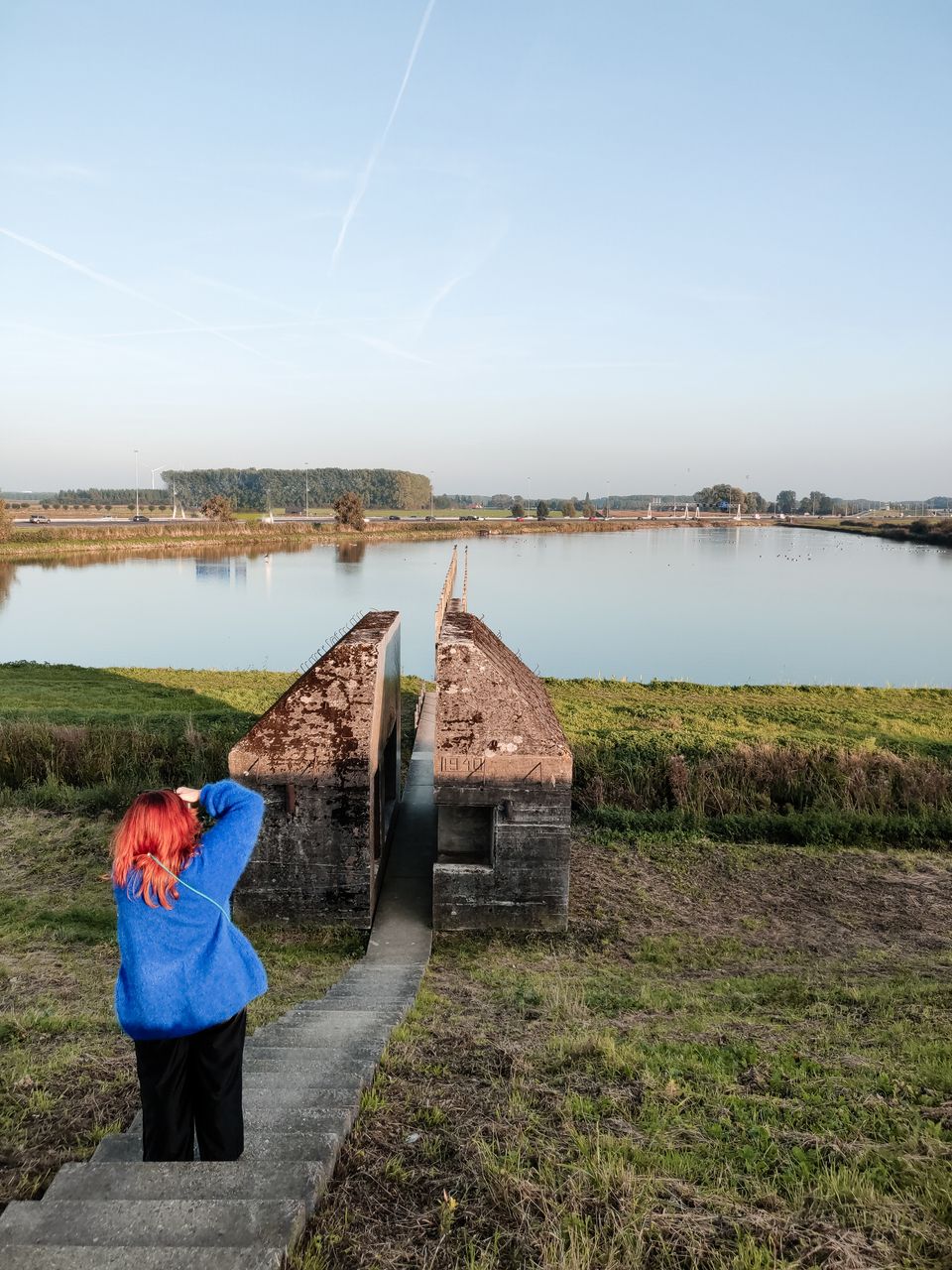
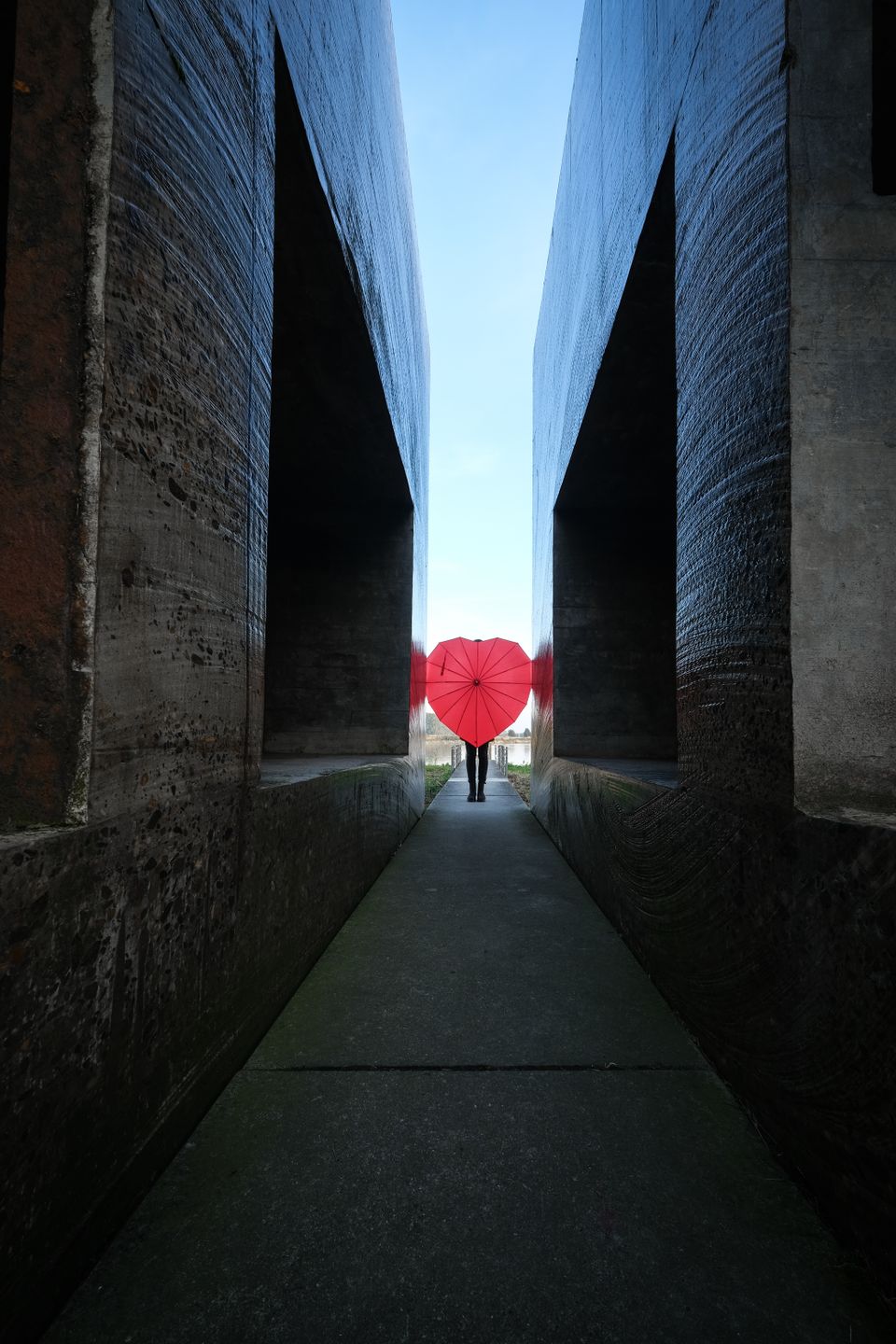
After our visit to Fort Everdingen, we drive further down the Diefdijk, on which the fort is located. In the meadows next to the Diefdijk, we spot several bunkers, all from WWII. At the end of the Diefdijk is the Saw-through Bunker, our last stop today. The Saw-through Bunker - better known as Bunker 599 - was built in 1940 as a group shelter where people could escape to when the violence of World War II broke out.
A few years ago, the bunker was sawn open, making it a real eye-catcher in the vast landscape. Via the stairs, you can walk right down the dike, through the bunker. Whether it is the history attached to this place, the idyllic dike or the calm water of the pond behind the bunker: it is a special place.
The setting sun draws bright stripes in the sky as I get back into my car after a day full of hidden heritage. Unknown to me until today, the area between Lek and Linge leaves me impressed. Dreamily, I watch the sun set over the Vijfheerenlanden and with a head full of new stories, I drive home again.
Let us know when you set off between Lek and Linge by tagging us in your stories on Instagram. Use @heyhoneyguide or #heyhoneyguide.
Love,
Laura
Discover Cultural Heritage - Read Laura's blogs
-
Discover Radio Kootwijk
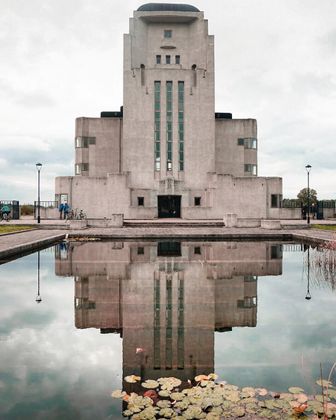
he former radio station Radio Kootwijk has fascinated Honeyguide Laura for years. She sets out to discover the stories behind this monument.
-
Authentic Spakenburg as an alternative to Volendam
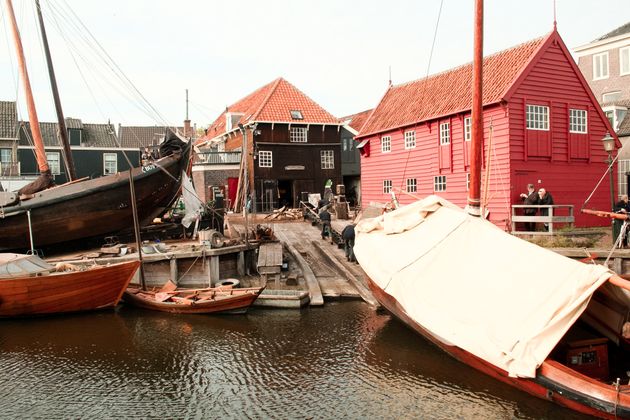
Honeyguide Laura takes you to undiscovered pearl Spakenburg. This former fishing village has at least as much to offer as Volendam.
-
5x discover the Langstraat's tannery past
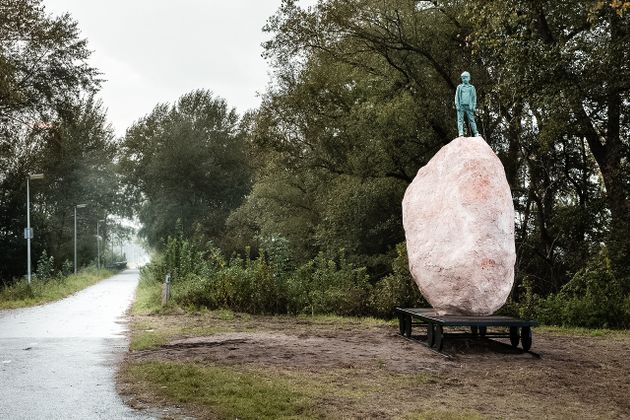
Honeyguide Laura takes you into the rich tannery past of the Brabant area de Langstraat, because it can still be experienced today.