

If you like strolling through picturesque villages and vast natural areas, then the Brabantse de Langstraat is the place to be. A special area in Dongen, Waalwijk, Loon op Zand and Heusden. But I find the Langstraat especially unique because of its still lively history as a thriving tanning area.
How it all started - The leather industry in the Langstraat
It is the beginning of the 19th century and times are hard. The harsh winters force farmers in the Langstraat area to look for another source of income to support their families. Langstraat turns out to be the ideal place for tanning leather. Cows, running water from surrounding rivers and bark from the many oak trees: everything you need for tanning leather is present in the area. Farmers find a lucrative side income. Thus, the Langstraat and especially Waalwijk grew to become the centre of the shoe and leather industry in the Netherlands.
With increasing competition from abroad, the shoe and leather industry in the Langstraat is losing importance. Most factories closed down during the 20th century and Waalwijk focused on trading shoes from abroad. Yet many gems from this influential past can still be found in this region. These are my five favourite places in the Langstraat to relive these times of yesteryear.
1. Monumental buildings in De Hooisteeg - Back in time in Waalwijk
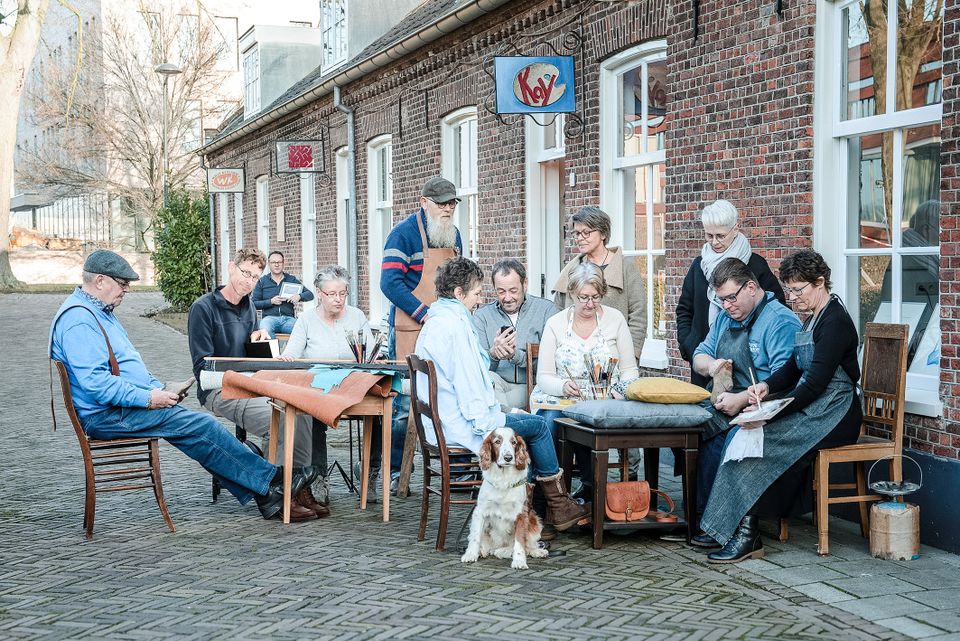
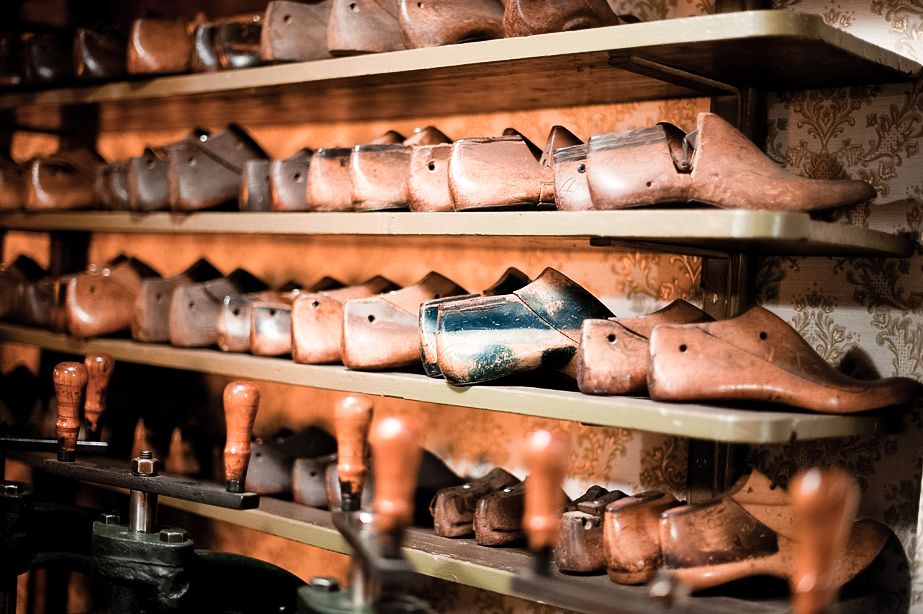
Walking through the Hooisteeg in Waalwijk takes you back in time. In the 19th century, wealthy shoe manufacturers commissioned the construction of workers' housing here for shoemakers and their families. These monumental buildings can still be admired today.
I love this beautiful part of Waalwijk, as the monumental buildings were completely renovated a few years ago. Today, they house all kinds of studios. If you are a bit lucky, you can see the artists at work or take a look at their exhibitions.
2. Walking across the Moerputten bridge - 600m long eye catcher
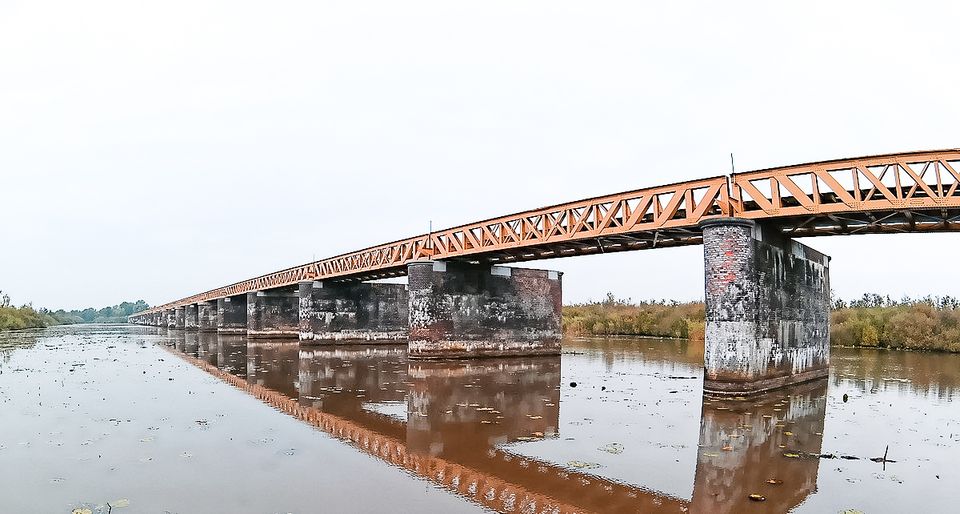
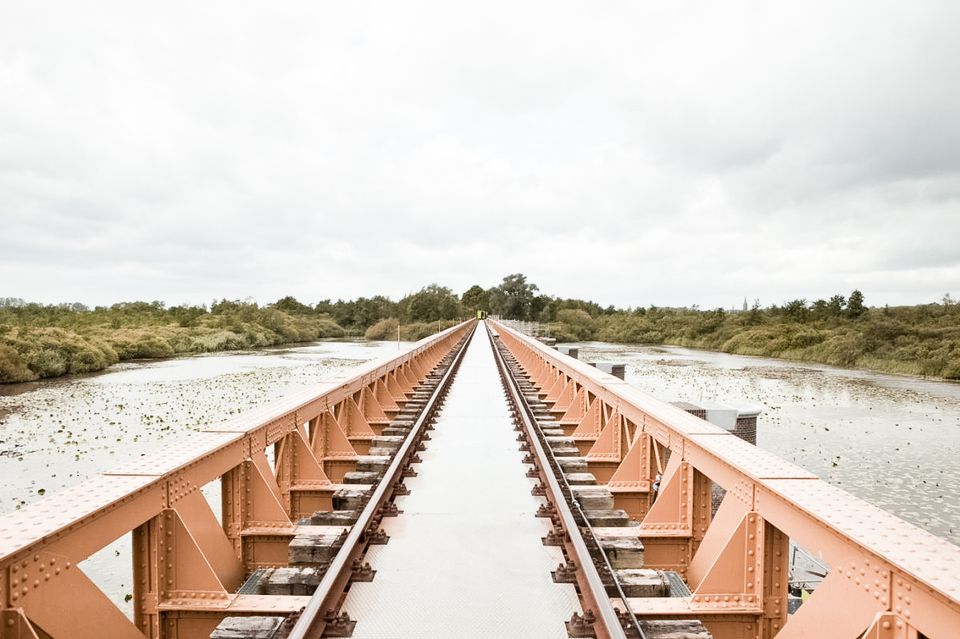
In 1880, the Moerputtenbrug was opened as the part of the Langstraat railway between 's-Hertogenbosch and Lage Zwaluwe. Since then, trains no longer run and a path runs across the old railway line.
A walk across the Moerputten bridge is definitely among my favourites. The 600-metre-long industrial bridge supported by 35 huge pillars is a real eye-catcher. When you walk across it, you really imagine yourself in another world for a moment.
3. Museum the Tannery - Exhibition 'Dongen from zero to now
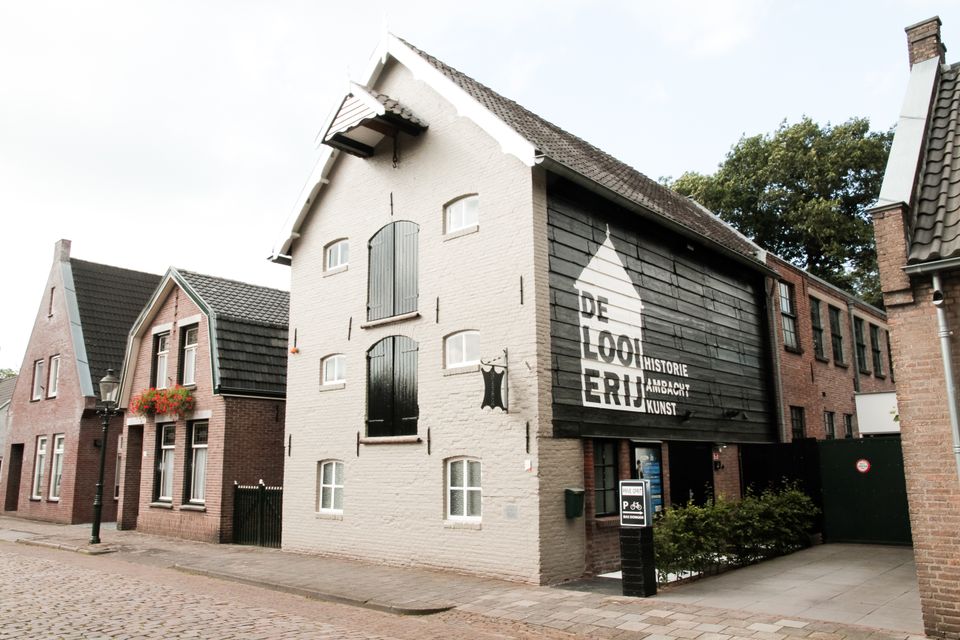
Housed in an old tannery complex in Dongen, you will find Museum de Tannierij. If you want to learn about the past of the Langstraat, this is the right place. Indeed, here you can imagine yourself in the life of the former community of tanners. The so-called slipper loft houses the permanent exhibition 'Dongen from zero to now' and changing exhibitions are held in 't Nieuwe Nathuis.
4. Walk the Wet Blue Route in Waalwijk - The colour of tanning
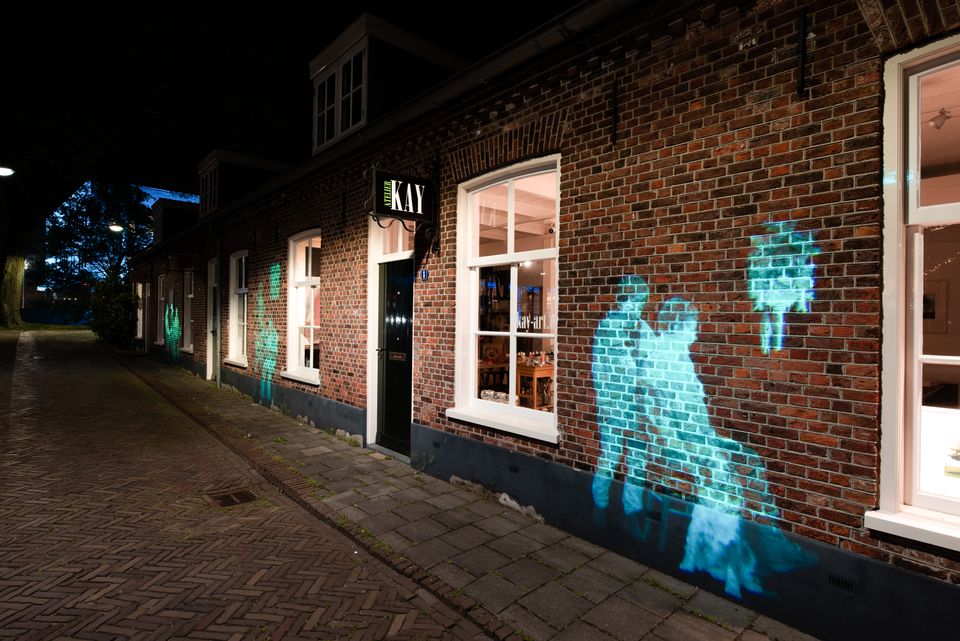
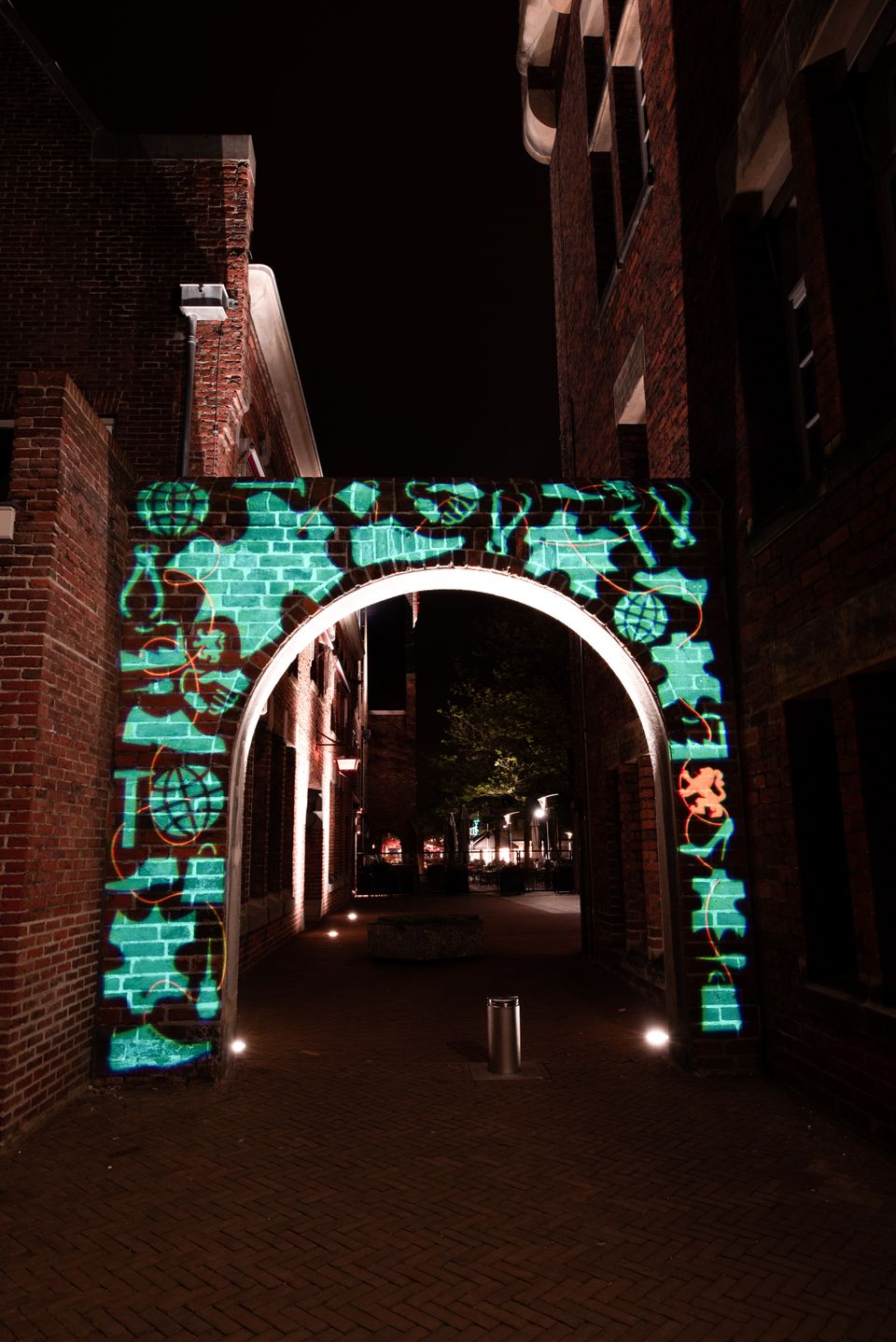
During the day you see little of it, but at night the city of Waalwijk turns wet blue. This is the colour that strikes when tanning leather. Permanent light projections on the city's buildings reveal memories of Waalwijk's shoe and leather past.
You can walk this unique walking route on your own or together with a guide. The route goes through the centre of Waalwijk and along the way tells all kinds of stories and anecdotes about its tannery past. As far as I'm concerned, a lovely evening walk with an educational touch.
5. Cycle the Halve zolenpad
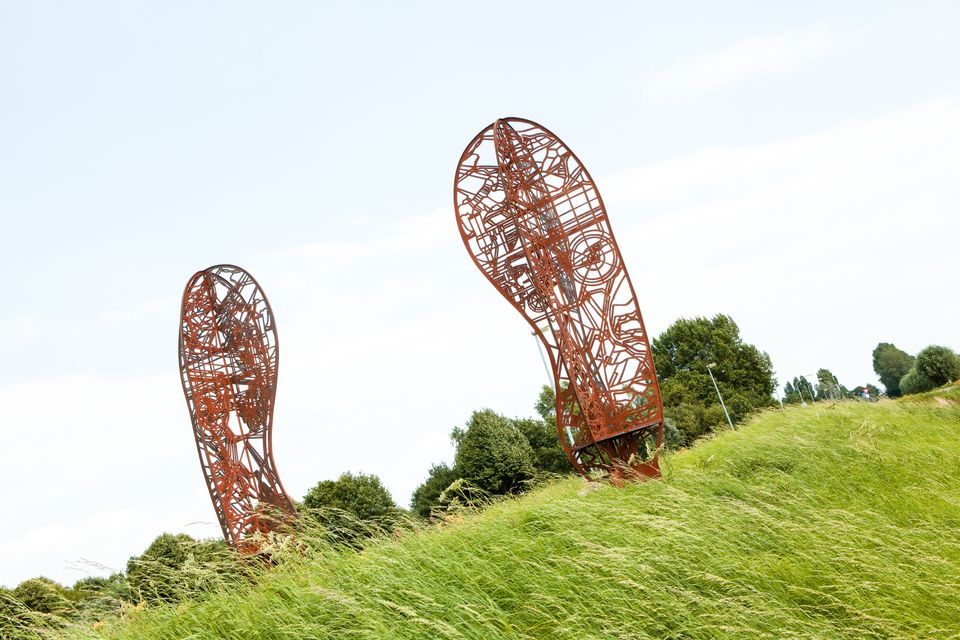
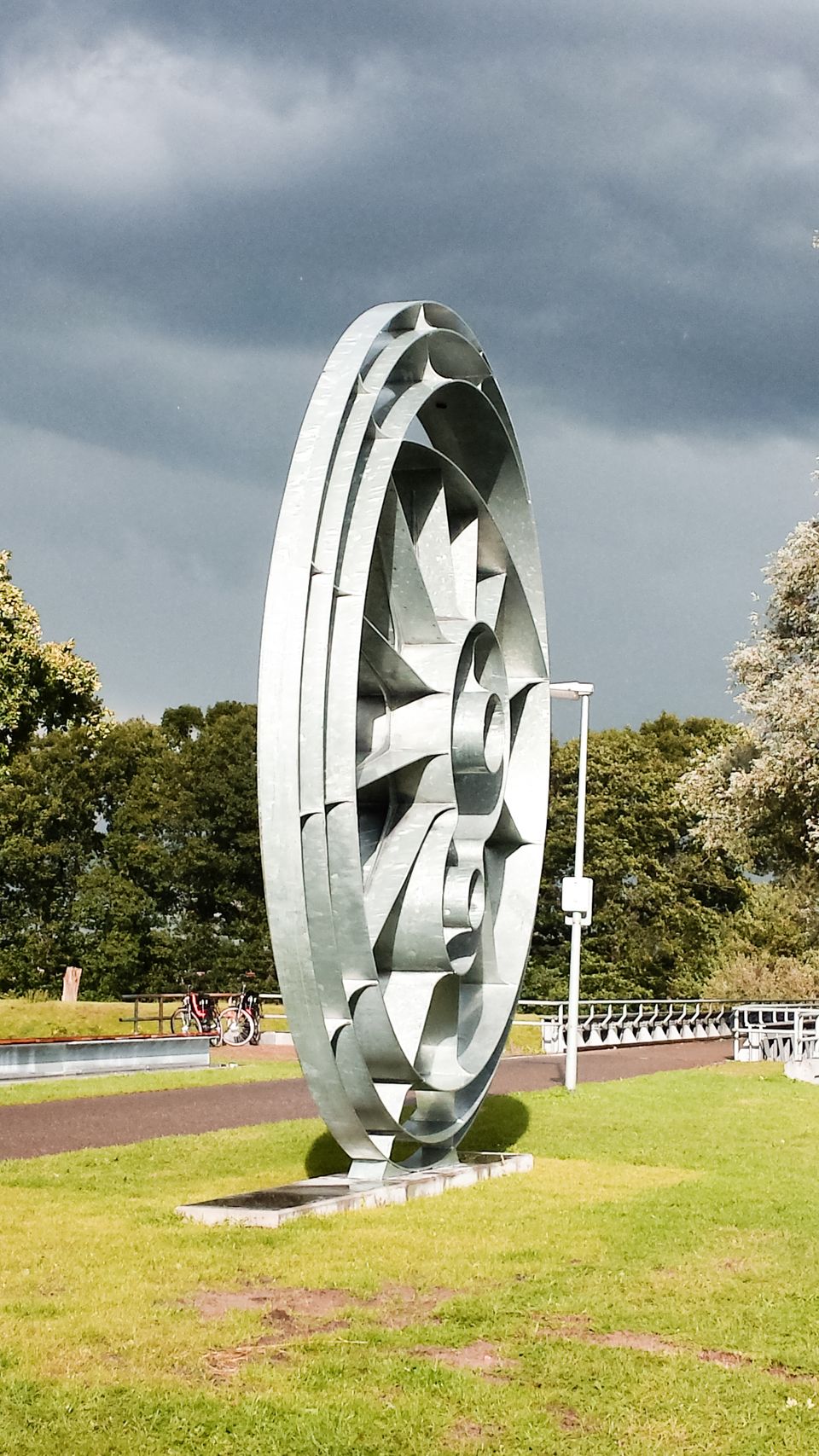
The Halve zolenpad; this name made me very curious. It is a reference to the Langstraat's past and also appears to be an ironically intended nickname for its inhabitants. The path lies on the former Langstraat railway line, which once connected Geertruidenberg and Drunen. The 20-kilometre-long cycle path takes you past five special animated films, artworks and several poems. Naturally in the theme of the tannery past.
I find this area fascinating, this piece of cultural heritage! Until recently, I did not know that the Netherlands had such a rich history in the tanning and shoe industry. That said, discovering cultural heritage in your own country is always interesting anyway, right? Which piece of cultural heritage in the Netherlands would you recommend to me? Let us know by using #heyhoneyguide on Instagram, or send us a message!
Love,
Laura