

I happily load my backpack in the boot, ready for a road trip with my boyfriend to a part of the Netherlands that is still unknown to me. Stupid really: I have been to the other side of the world but I have never been able to cross provinces like Drenthe and Overijssel off my list. This week, that is about to change. The travel jitters are therefore fluttering through my stomach. Exploring the Netherlands is unexpectedly starting to feel like a huge adventure.
We start this road trip in Drenthe. As soon as we drive into the province, we enjoy the space and nature that suddenly seems to be all around us. We drive through villages where one farm is more beautiful than another. Young lambs in the meadow come running towards us when we stop for a moment at a farmyard. That I never went here before....
Cabiner - Little house in green
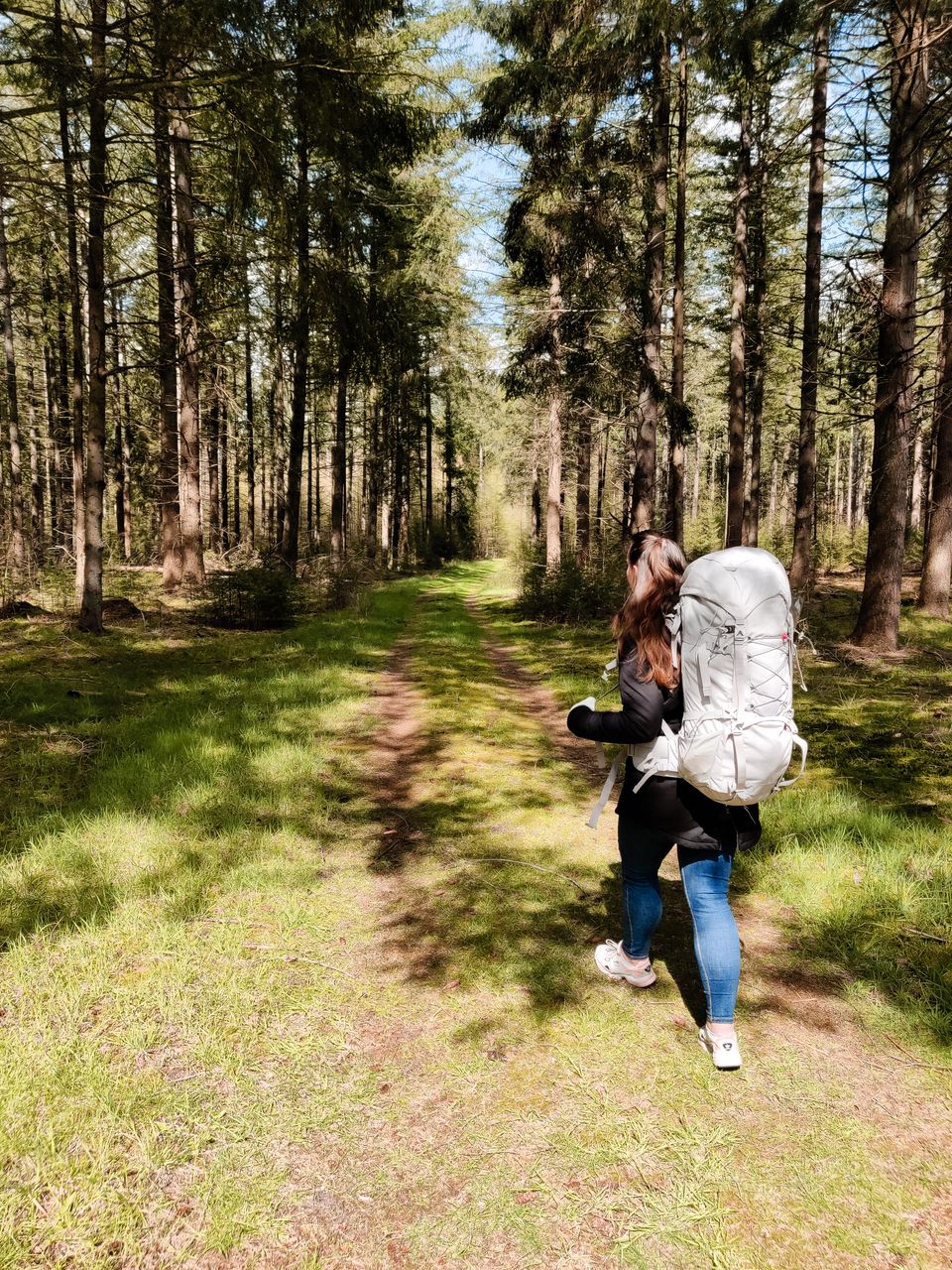
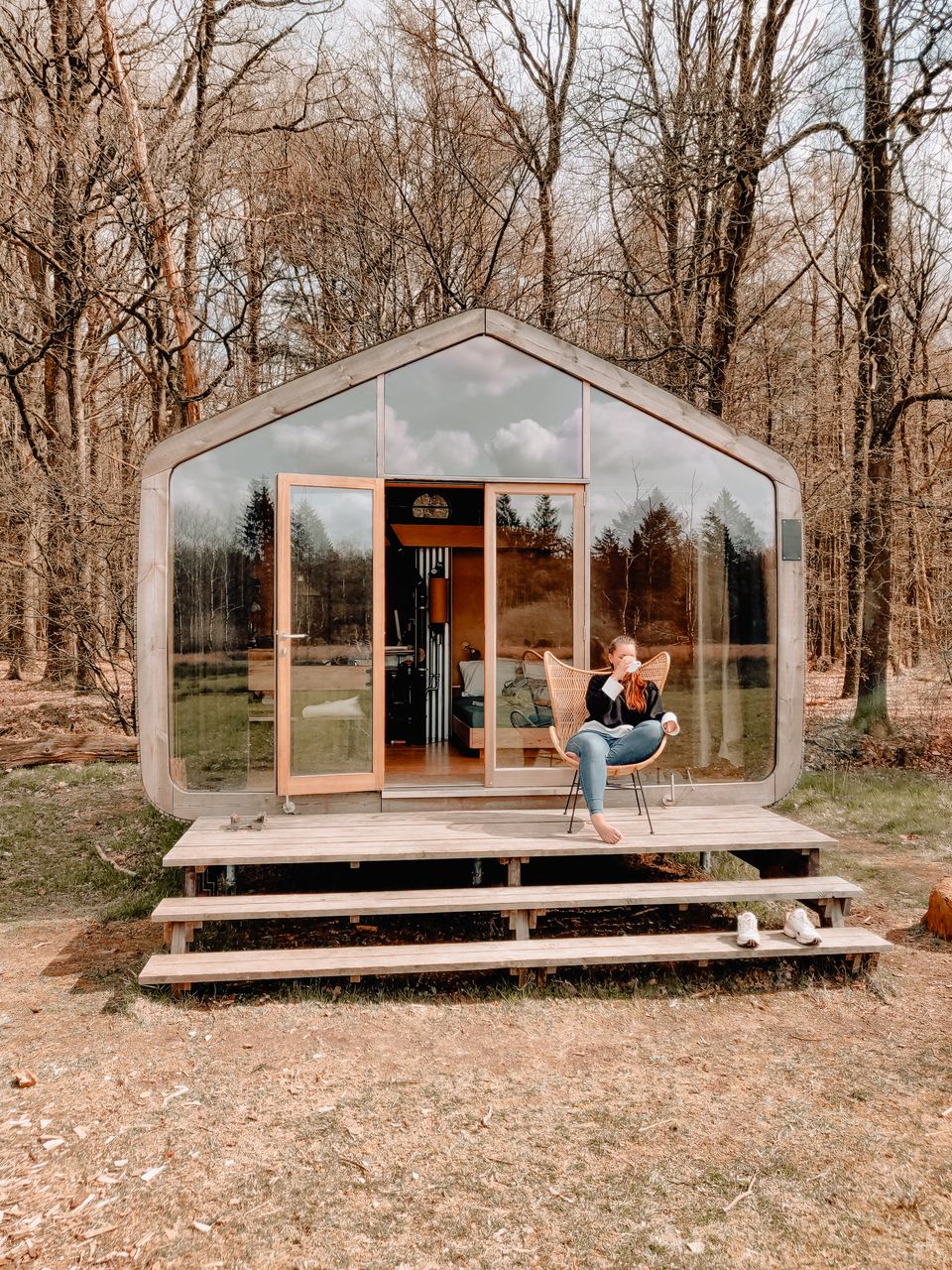
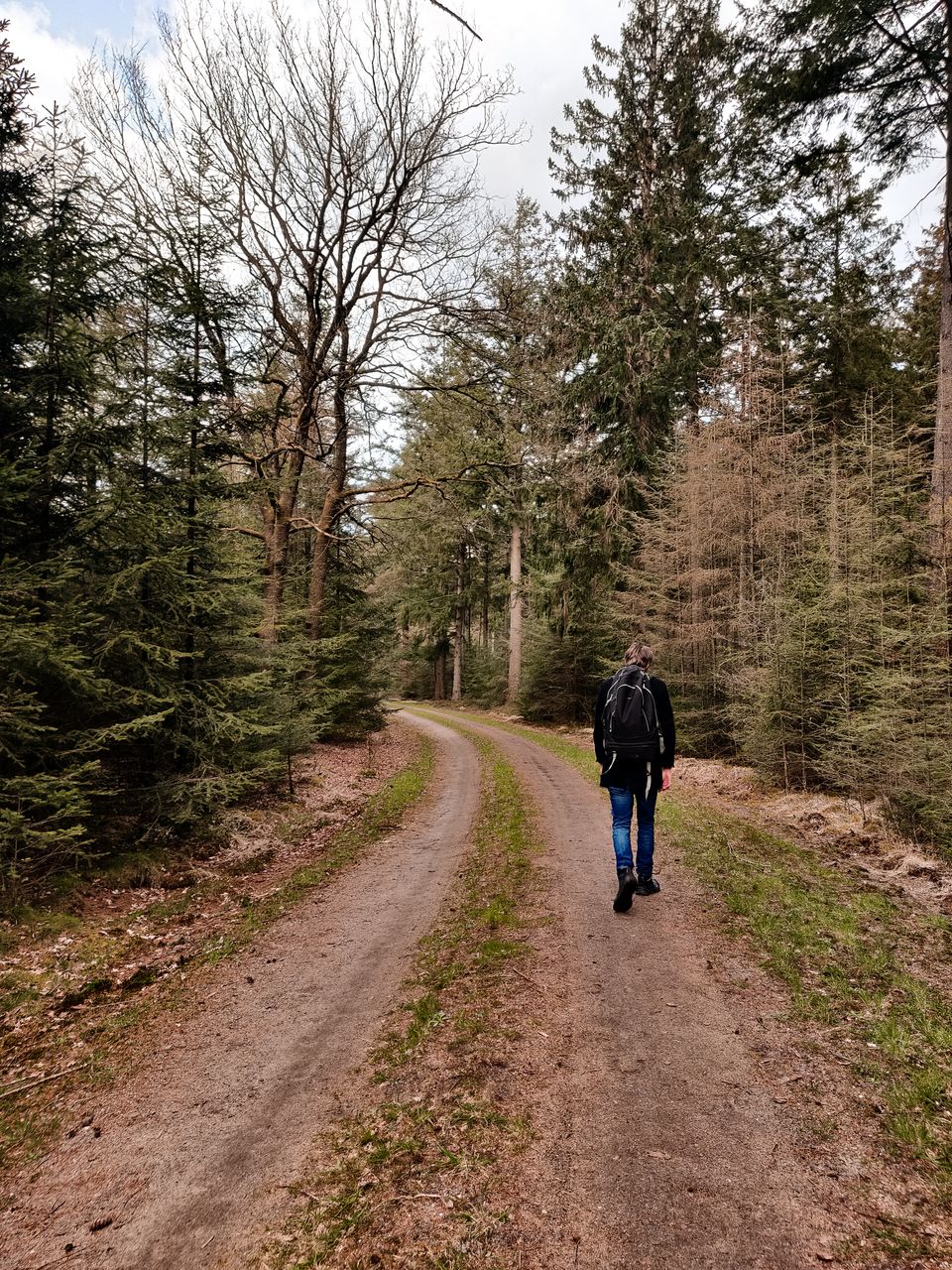
Drenthe is also known as the Netherlands' best-kept piece of wilderness. To fully experience this, we spend the night in a Cabiner cabin. This unique concept consists of 9 cabins in National Park the Drentsche Aa. You can't reach any of them by car, so the idea is to hike there with everything you need on your back. After throwing all unnecessary stuff out of my backpack, we too start the walk of about six kilometres to our cabin, tucked away deep in nature.
It is a beautiful walk that takes us past special pieces of forest, countryside and heathland. It is wonderfully quiet on the footpaths and we enjoy ourselves. We round a bend in the forest and a large clearing reveals itself. There, across a grassy field with a little pond in the middle, we spot a cottage. That must be it! The closer we get, the more details we can see of the idyllic cottage in the forest where we are going to spend the night.
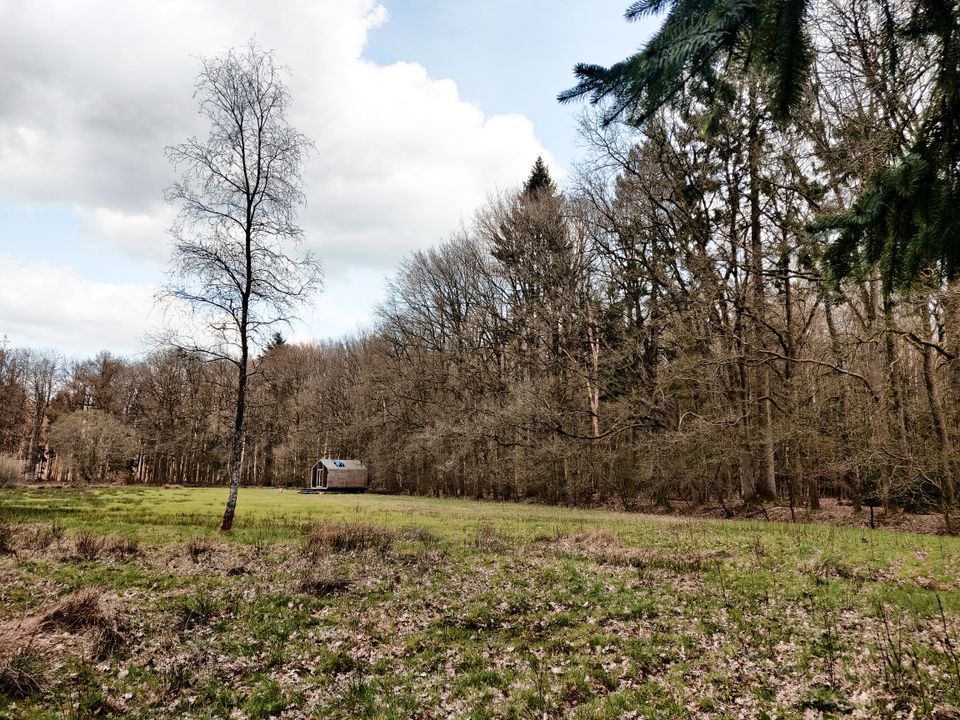
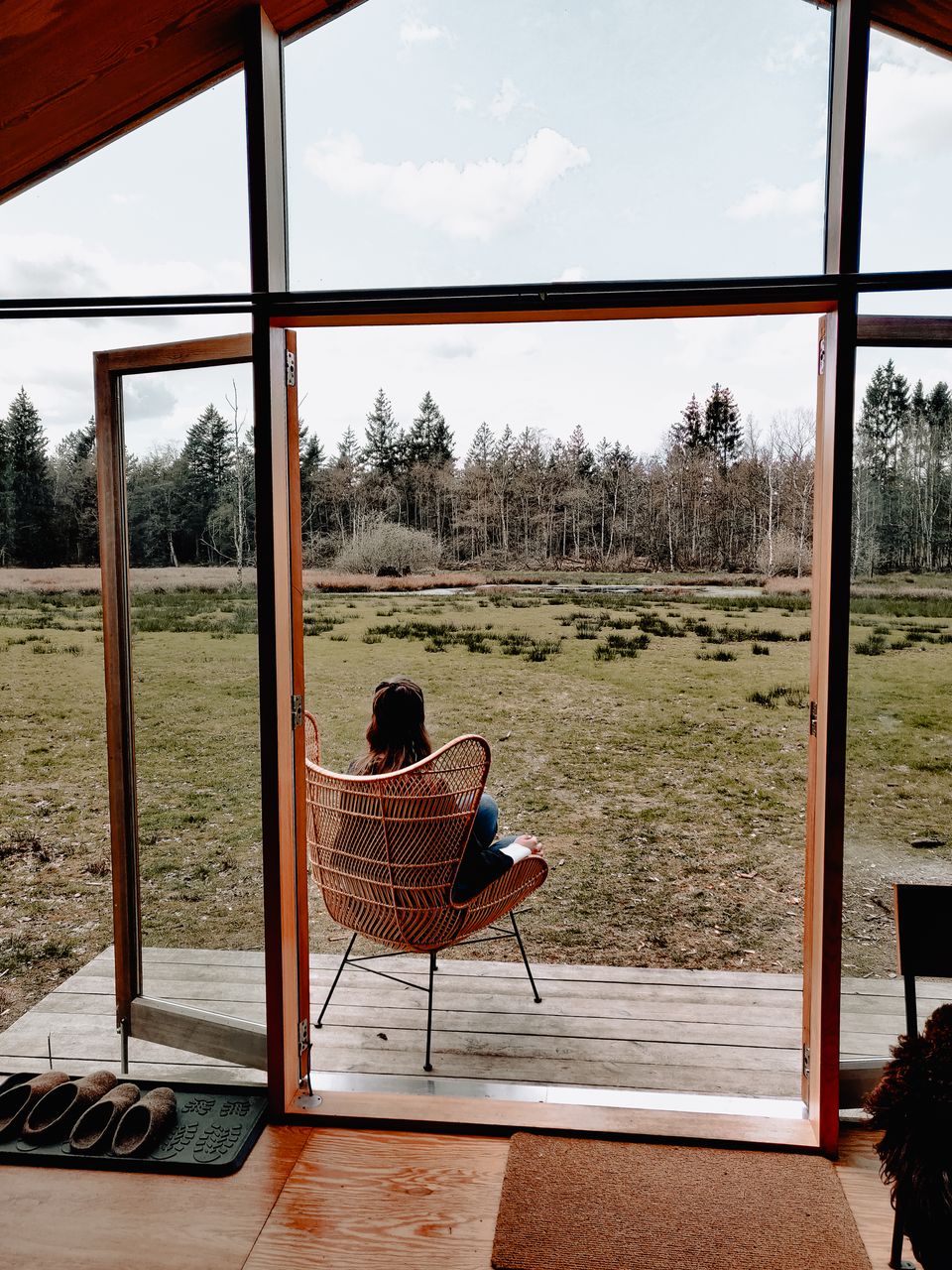
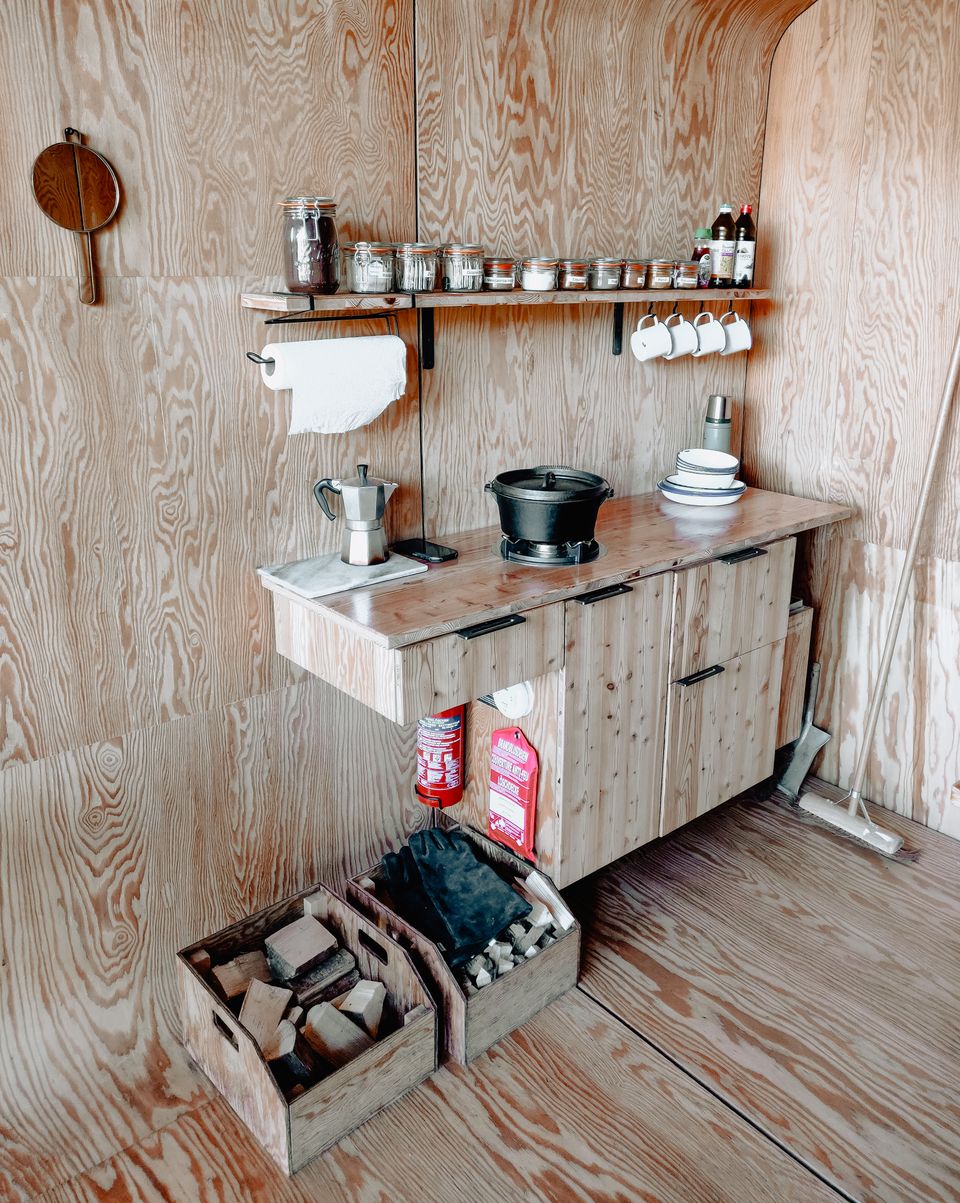
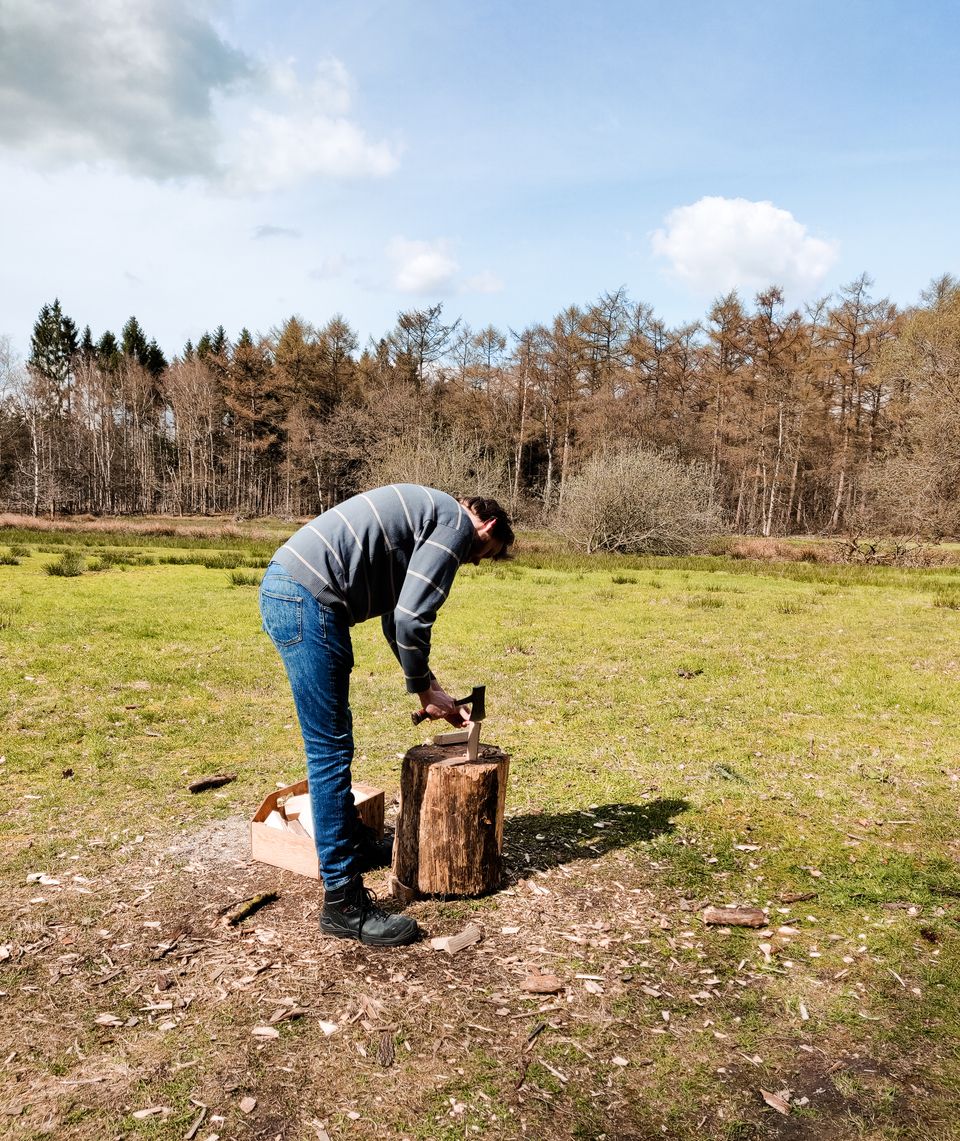
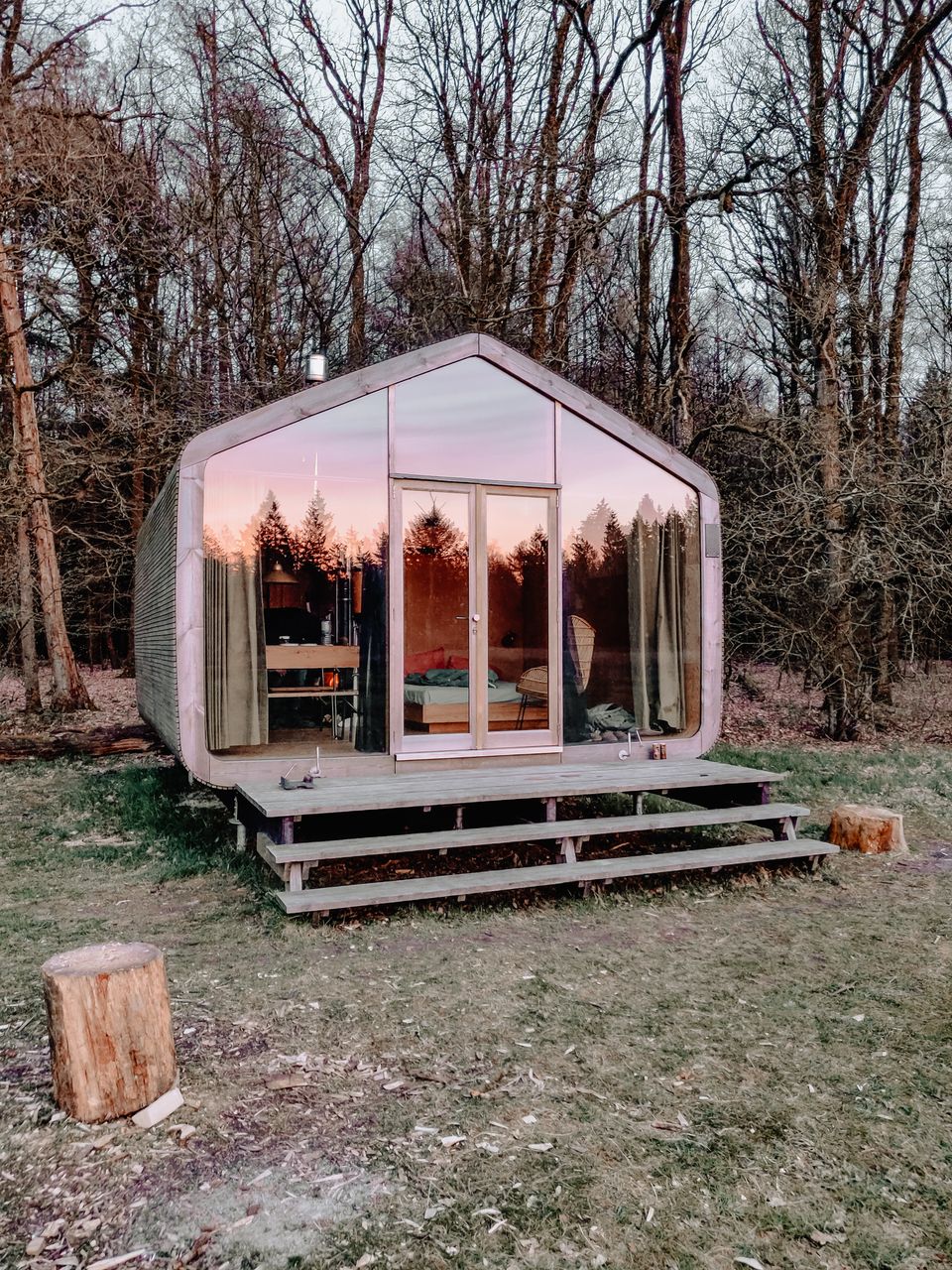
The cabin is made entirely of wood and fully equipped. For instance, there is a large double bed and a slightly narrower bed in the ridge of the cabin. The rest is filled with a modest bathroom with composting toilet, a kitchenette and a wood-burning stove. Electricity comes from solar panels on the roof, you pump water from the ground yourself and you keep the cabin warm by lighting the wood-burning stove, for which you can cut your own wood. The entire front of the cabin is glazed, so you can enjoy nature to the full and spot birds and other animals right from your bed.
Slow travel at Cabiner - The art of doing nothing
It takes us a while, but after half an hour, the stove is burning, we have pumped water for a cup of tea and we settle down contentedly on the veranda. Well, and what do you do in a place in nature without wifi and other distractions? Simple: nothing. Sit. Enjoy. Just simply BEING. Yes, that takes some getting used to and is harder than it sounds.
After a while, I start to get the hang of it. I look at the blades of grass dancing in the wind, listen to the sounds of buzzing bees and peer at the clouds that drift quietly by, regularly letting through warm rays of sunshine. This is lovely, being so in sync with nature and that peaceful stillness in my head. In the noise of busy daily life, I had honestly forgotten that this state of being feels so damn good.
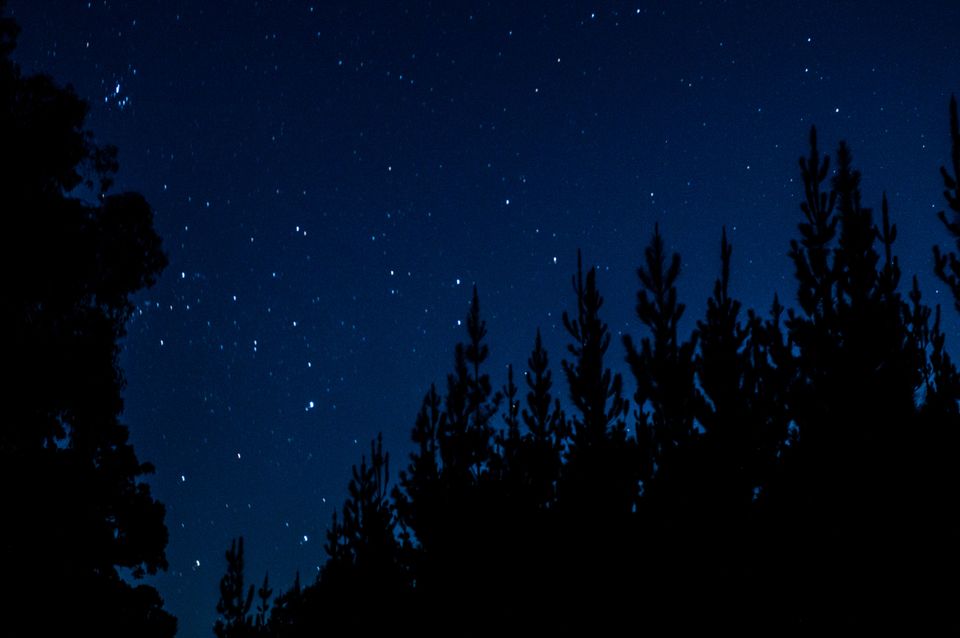
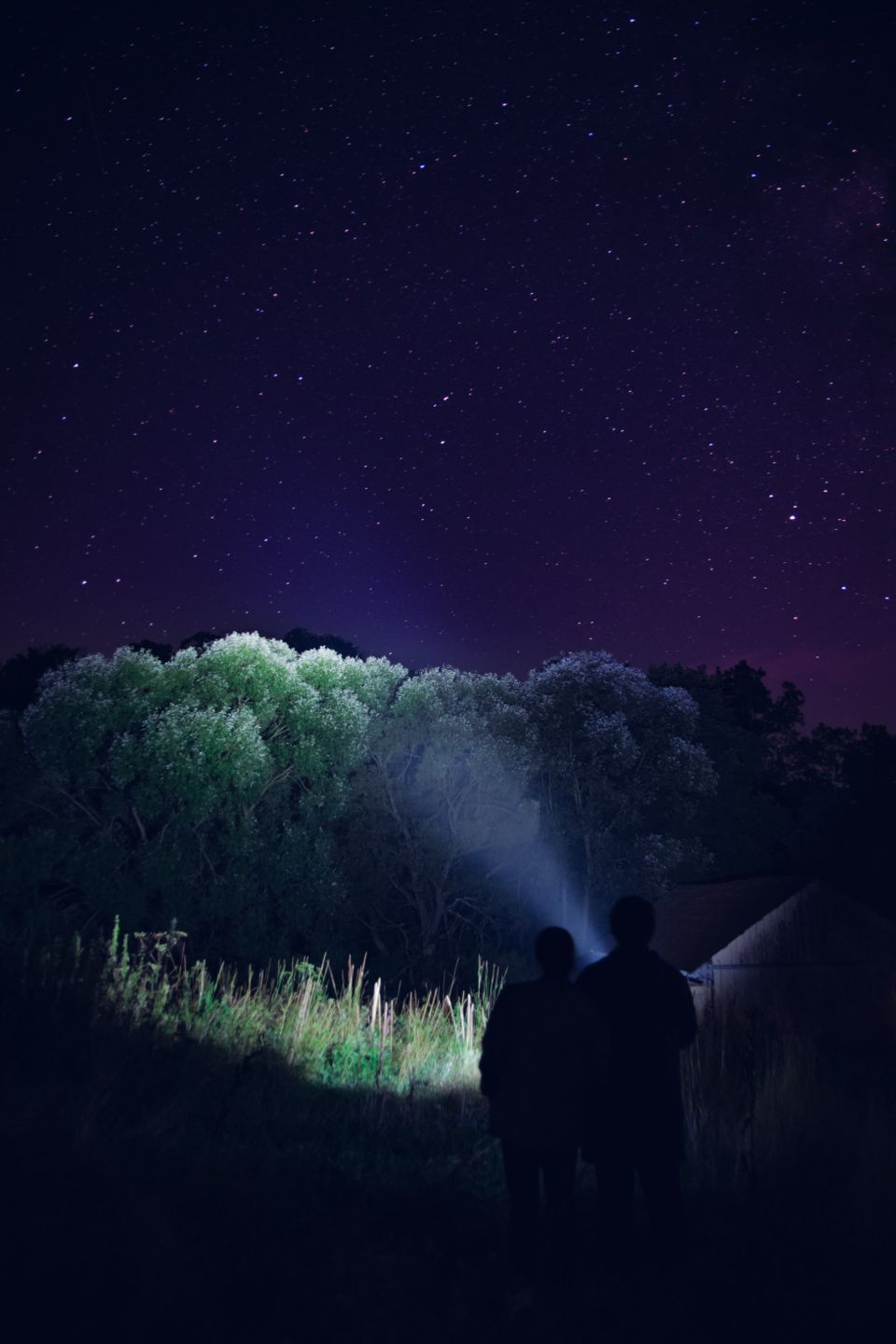
In the evening, we enjoy the sunset, a pan of soup from the woodstove and good conversations. As soon as night falls, we step into the intensely dark forest and then, lying on the cold grass, enjoy a starry sky.
Early in the morning, my friend shakes me awake and points outside. The sun has just risen, nature is audibly awakening and right in front of our cottage a roe deer unsuspectingly enjoys the fresh water from the little pond in the clearing. A magical phenomenon to witness from bed just like that.
With pain in our hearts we leave this special place in the middle of the forest. You have to take the waste from your stay back to civilisation yourself. A good reality check, we think. Even though we feel we have produced little waste, we still take a whole bag back with us. The water pump, which I have to pump hard for a few minutes before we can do the dishes, is also a good reality check. How much water you actually consume in daily life.
Having gained many new insights and a special experience, we walk six kilometres back to the car.
Hunebed Highway - The route 66 of the Netherlands
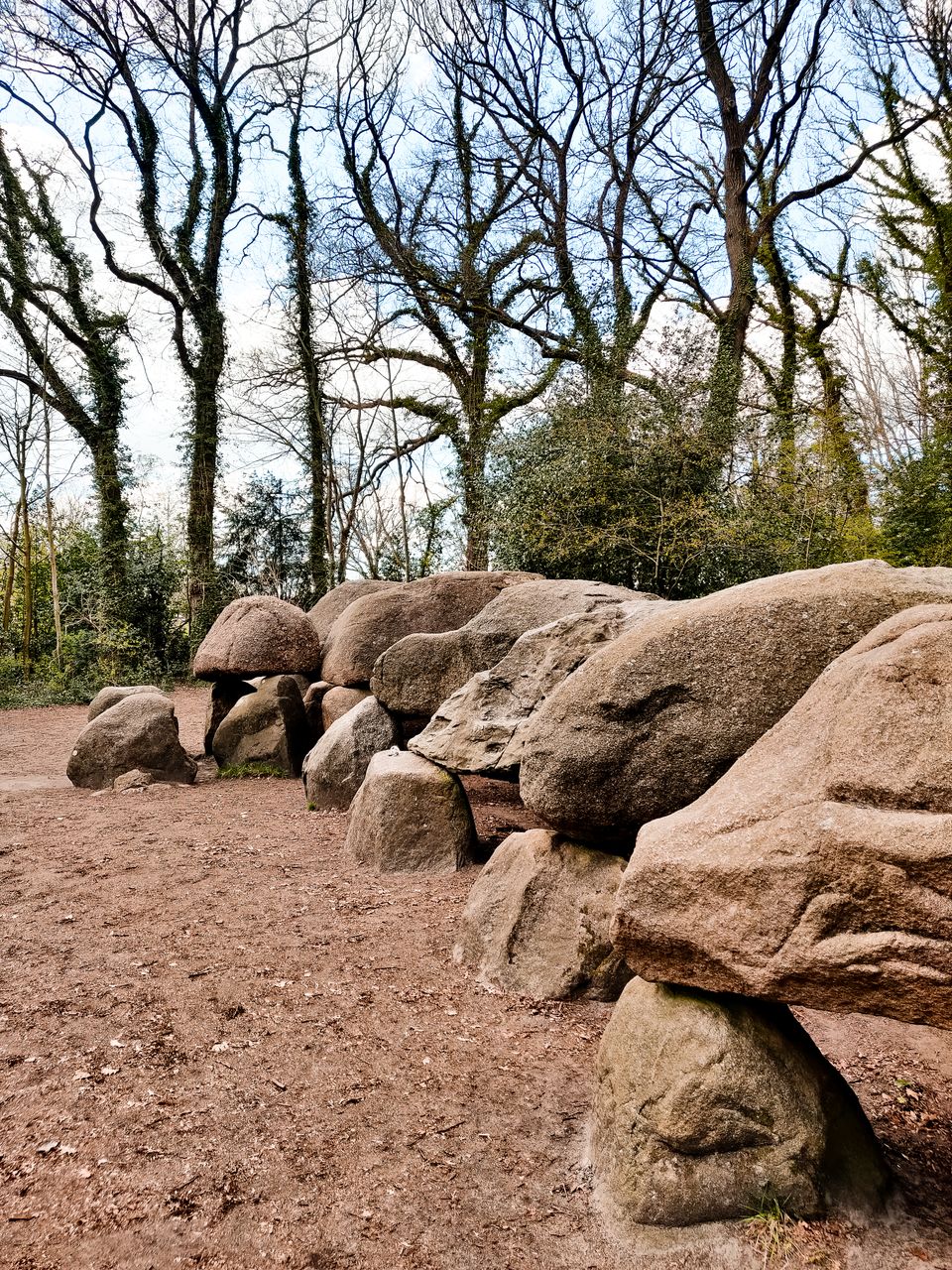
As soon as we are back in civilisation, we pick up the N34. This provincial road is also known as the Hunebed Highway. Indeed, of Drenthe's 53 hunebedden, no less than 47 are located along this road. Hunebeds are prehistoric tombs, made of large boulders from northern Europe. They were carried to Drenthe during an ice age and the dolmens were then built by the Funnel Beaker people between 3400 and 3100 BC. It takes me a moment to realise how long ago this is. Incredible. It used to be thought that hunebeds were built by giants, or 'huns'. Hence the name 'hunebed'.
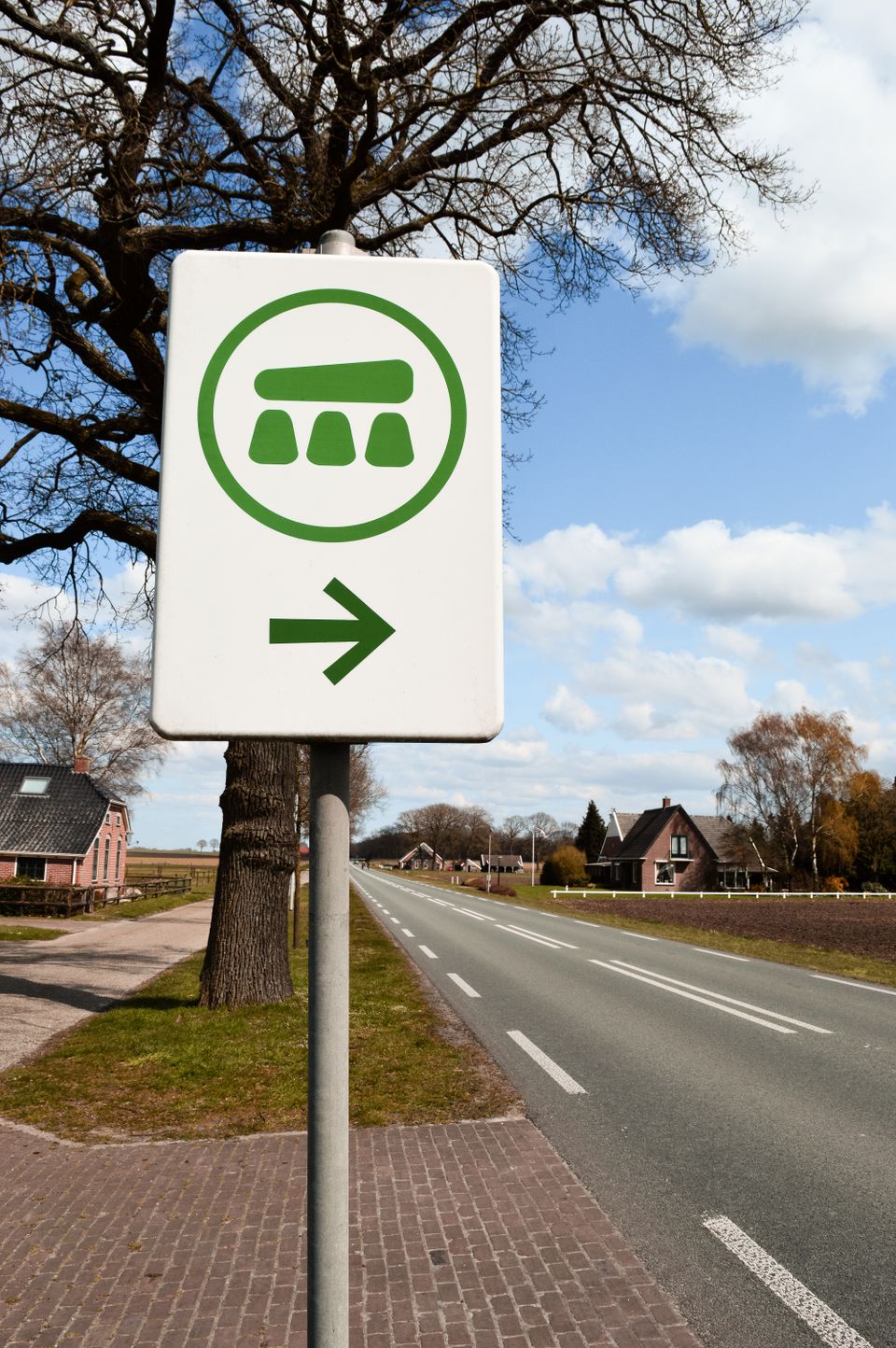
Unfortunately, most of the signs marking the Hunebed Highway have been stolen over the years. So a photo by one of these iconic signs is out of the question, but that should not spoil the fun. The hunebeds are marked with the letter D, followed by a number. You can also find them in Google Maps under this indication. With a little help from the navigation, we spot one hunebed after another.
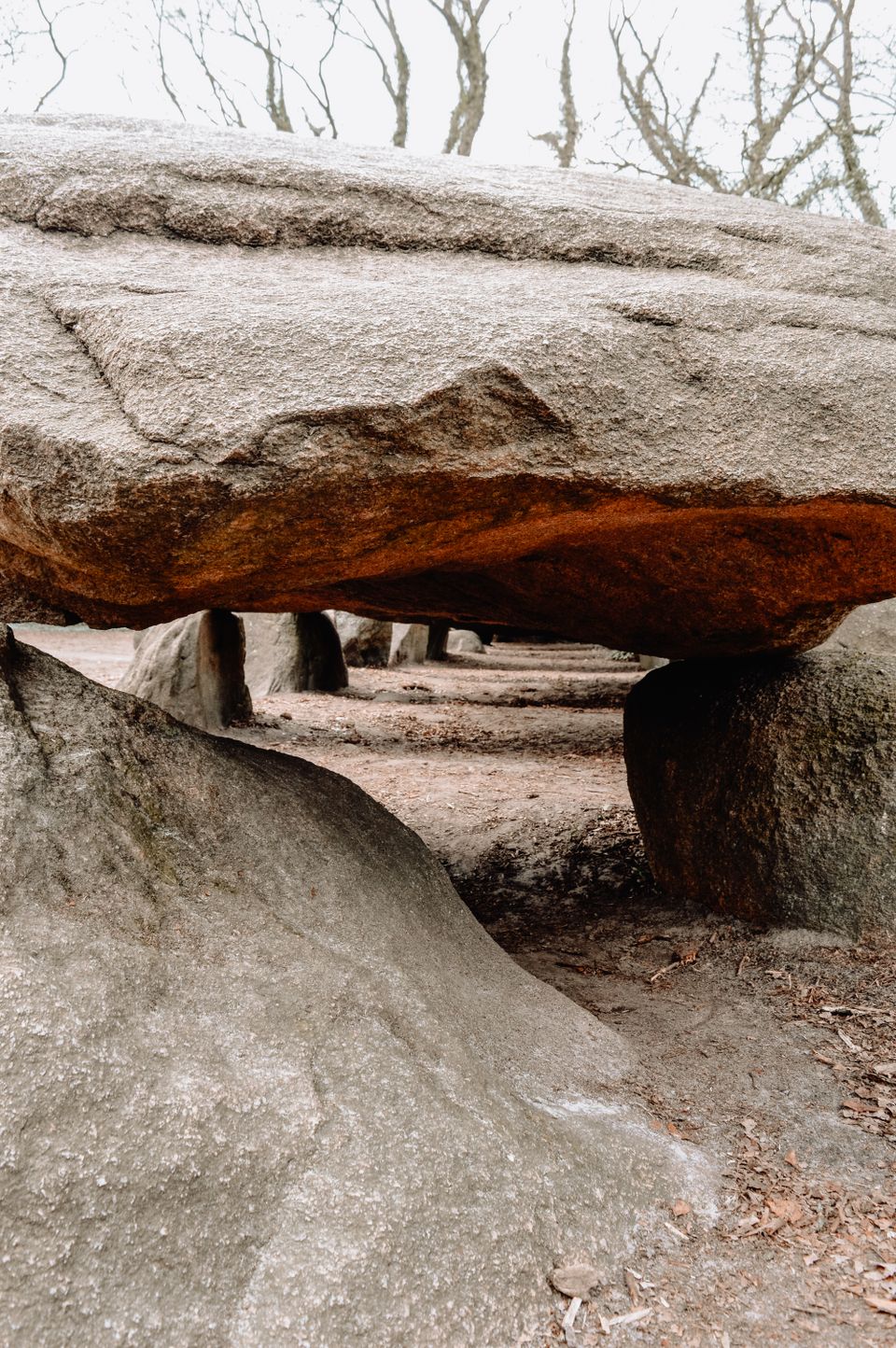
Borger is home to the largest hunebed in the Netherlands, Hunebed D27 to be precise. The imposing structure is almost 23 metres long and consists of huge boulders weighing some 20,000 kilos each. With the help of tree trunks, the boulders were probably once rolled to their place but despite this, building them must have been a hell of a job.
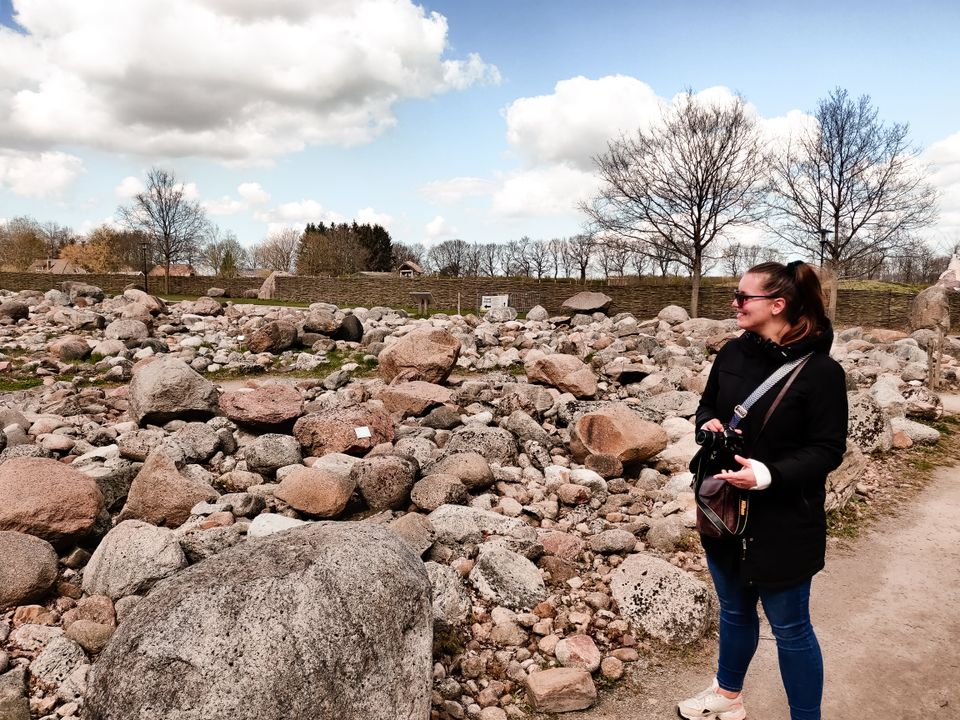
Next to Hunebed D27 you have the Hunebedcentrum Borger where you will find much more information. The boulder garden next to the centre is free to visit. Here you will find all kinds of fossils and boulders, some as old as a few million years.
Milky Way trail - The universe in a nutshell
We keep learning new things on this road trip. Indeed, our next stop is the Milky Way trail near Westerbork. On this path, the solar system is laid out to scale so you get an idea of the immense size of this 'piece' of the universe. Information boards and props along the path further complement this story and also mostly leave me dazed. After all, every step you take on the Milky Way trail equals 2.5 million kilometres in the universe. Just realise that. Between some planets there is as much as a 10-minute walk. What an interesting way to think about this!
For each planet you encounter on the trail, you will find information about its diameter, its distance from the sun, its average temperature and the number of moons. The scale models of all the planets further illustrate the relationship between them. I am deeply impressed.
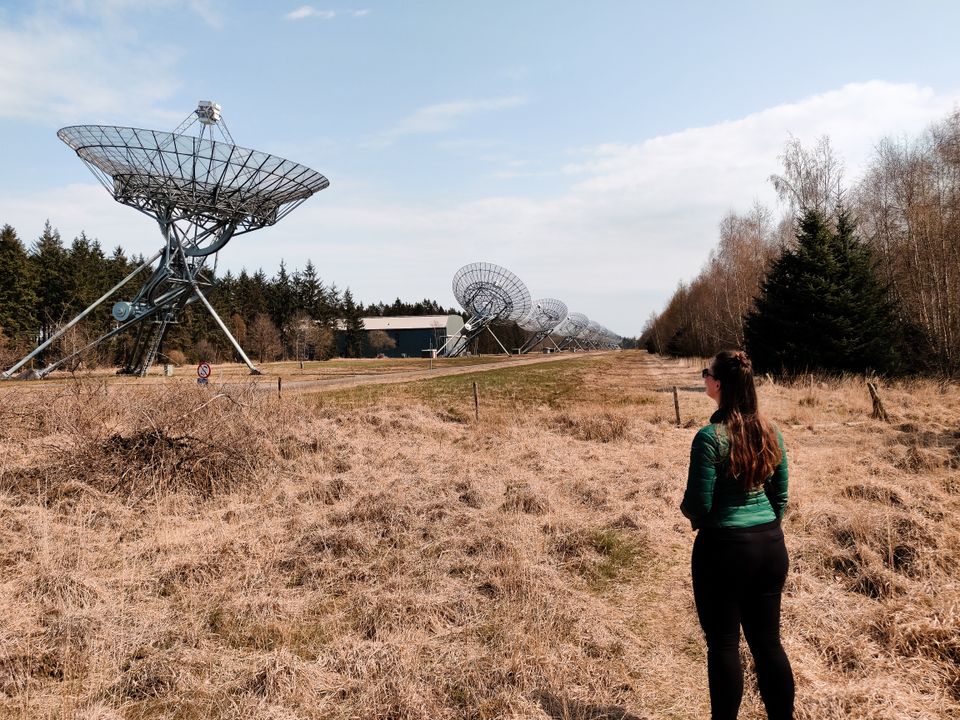
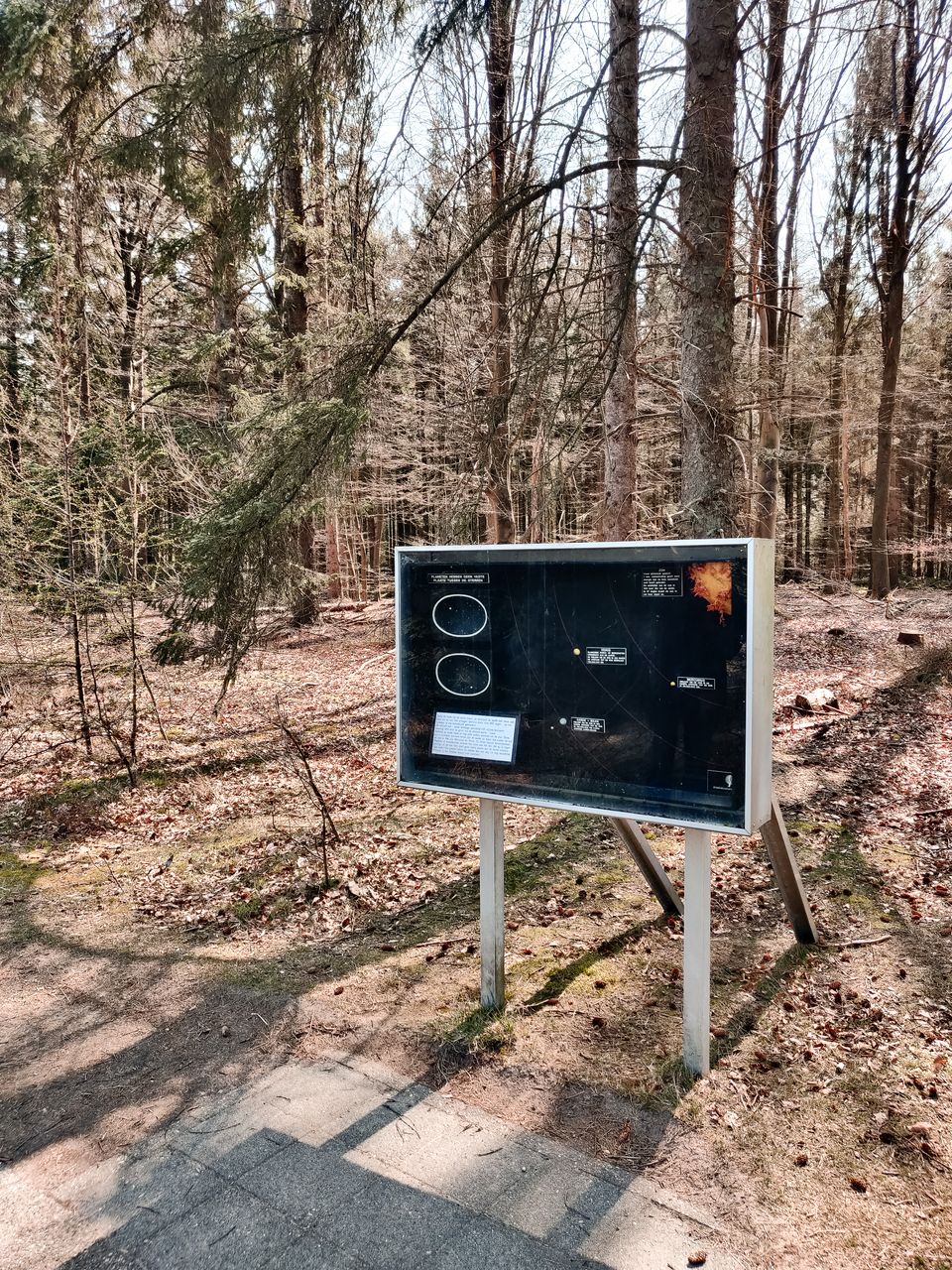
The last ten metres of the path we find the Earth, Venus, Mercury and of course the sun, which is depicted as a big, yellow ball. The terminus of the path consists of the Westerbork radio observatory. It has 14 huge parabolic antennas with a diameter of 25 metres. The radio observatory Westerbork captures sounds from space and was for a long time the most sensitive radio observatory on Earth. The observatory is still in operation, so your mobile phone should be switched off here so as not to disturb the radio signals.
Former concentration camp Westerbork - Land of tears
For me as a history buff, Westerbork is a place I have wanted to visit for a long time. Nowadays, on the site of this former concentration camp, you will find a freely accessible park with museum elements that tell the stories of this place.
Upon entering, the dilapidated wooden villa under a huge glass dome immediately attracts attention. It is the former home of camp commander Albert Konrad Gemmeker, one of the few physical remains of the Westerbork camp. A shiver runs down my spine as I peer inside through the frayed curtains in the abandoned house. A luxury villa on the grounds of transit camp Westerbork. I find it bizarre. One of the things that grips me most is that the commander's bath was positioned so that he could look out over the camp grounds as he lay in it. Incomprehensible... In silence, we walk on.
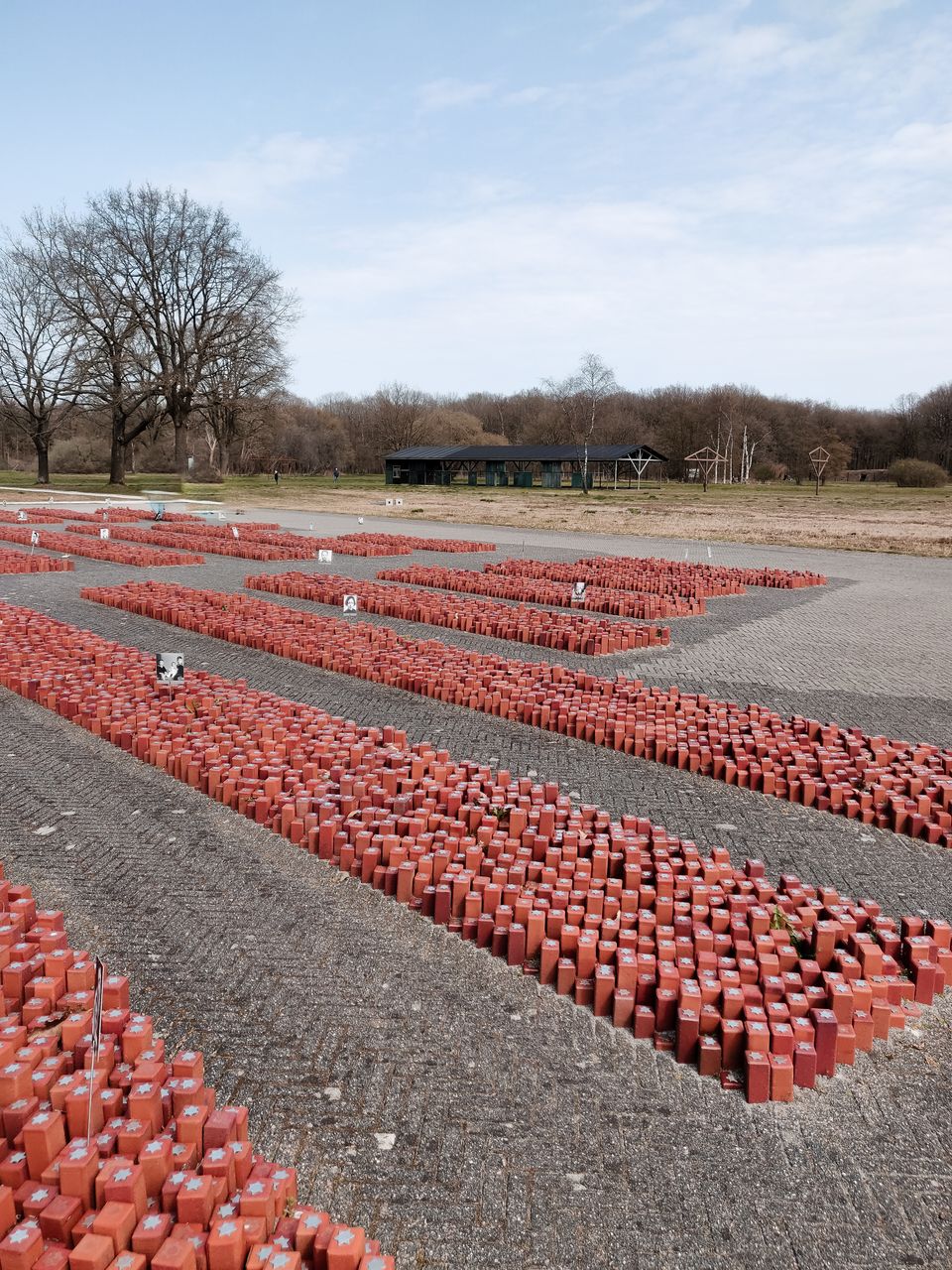
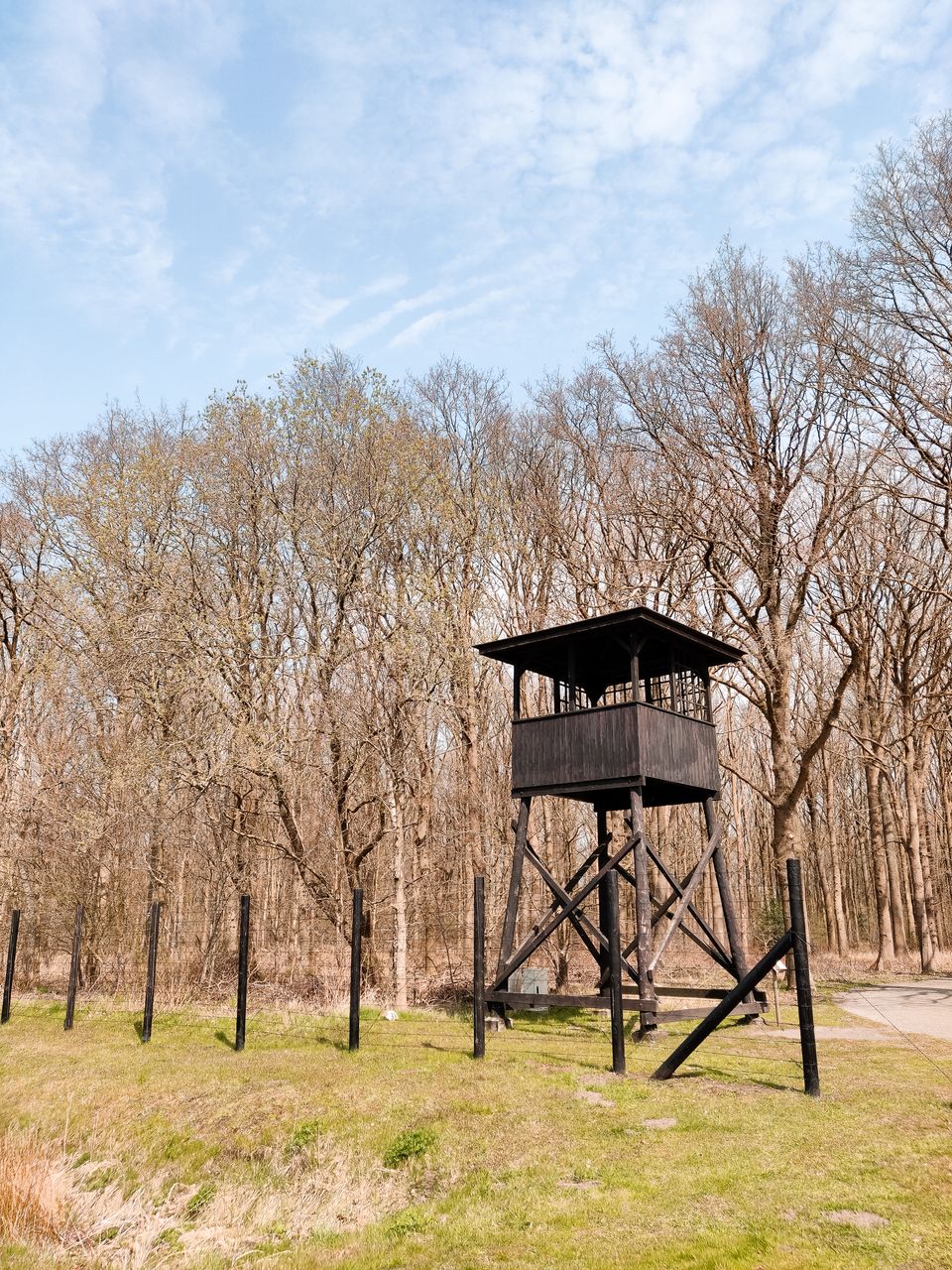
The site is further furnished with various pillars from which stories emerge, an old train wagon that was used to transport people from the camp to other camps, information boards and a reconstructed barracks. Besides the well-known National Monument with the train tracks, another monument also catches my attention. On the former apple court, 102,000 stones have been placed. They symbolise all the people who did not survive deportation from Westerbork. Among them, apart from Jews, were also many Sinti, Roma and some resistance fighters. So impressive and sad.
We are both silent as we walk back towards the exit, grateful that we do have the freedom to step outside through the barbed wire again.
Vaders Erf - Sleeping with a rural touch
We spend several nights on the road trip at Vaders Erf, a flat located in a former stable of the farm that surrounds it. In 2018, the room was completely remodelled and the result is impressive: we immediately feel at home in the stylish flat with rural appeal.
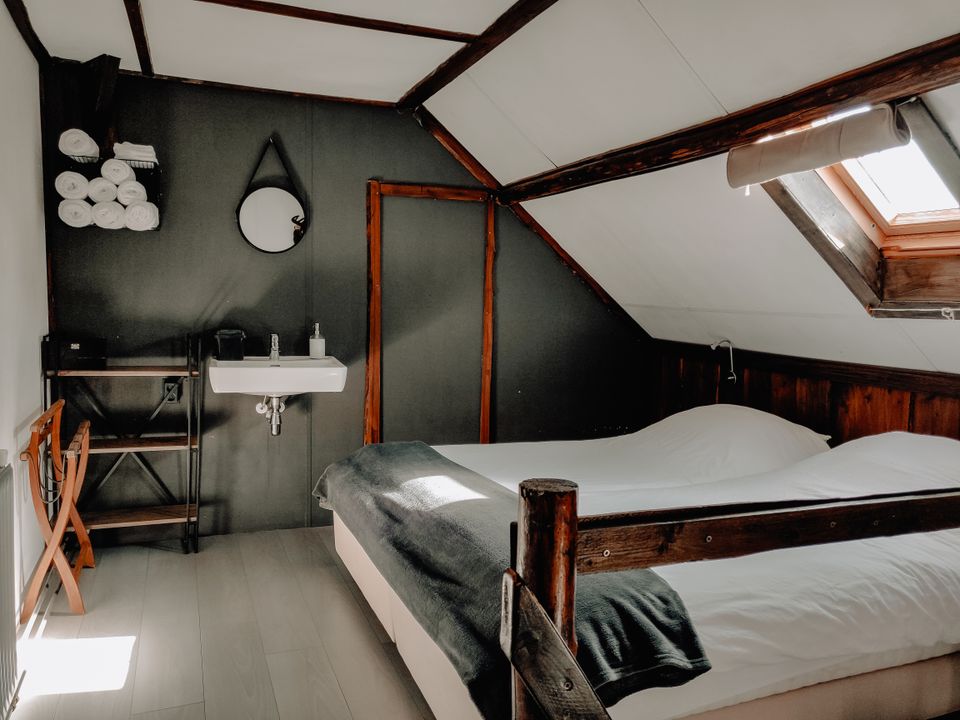
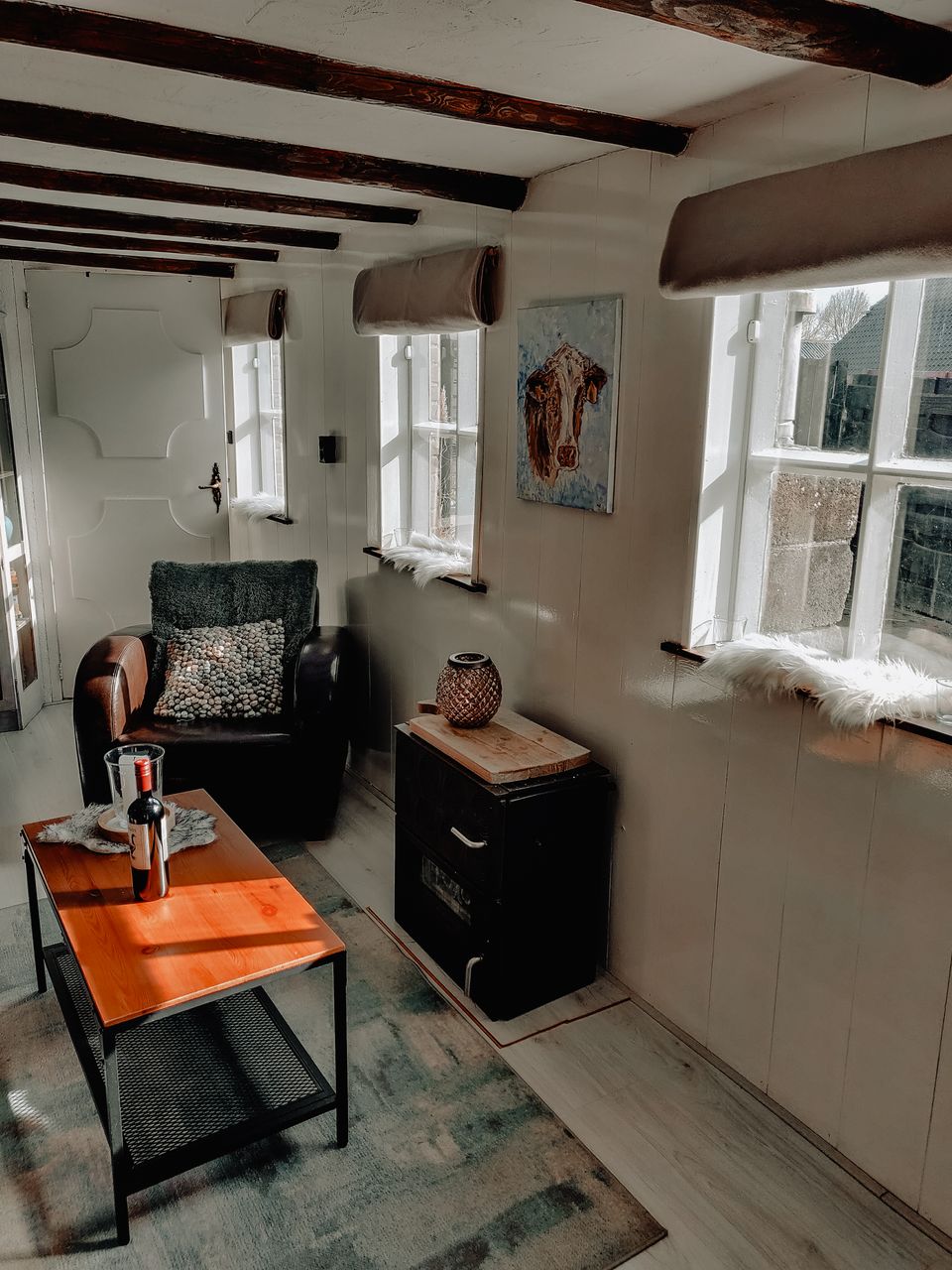
Hostess Geranda welcomes us enthusiastically and shows us around immediately. The flat consists of a neat bathroom and a kitchen to which the cosy living room is attached. A wooden staircase takes you to the bedroom on the first floor where a comfortable double bed fills the space under the sloping roof.
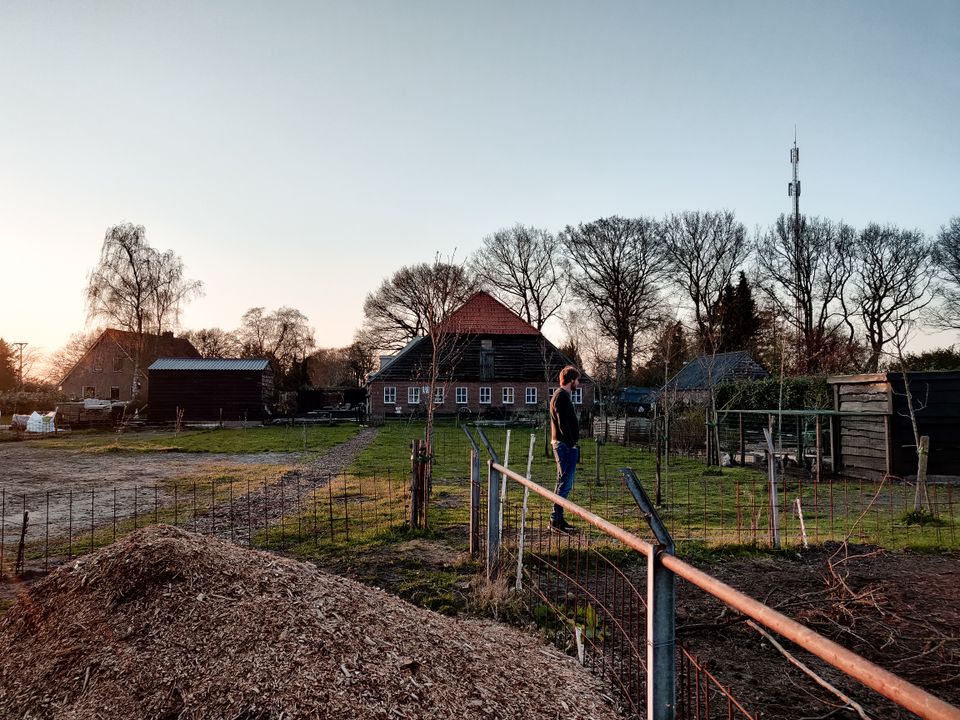
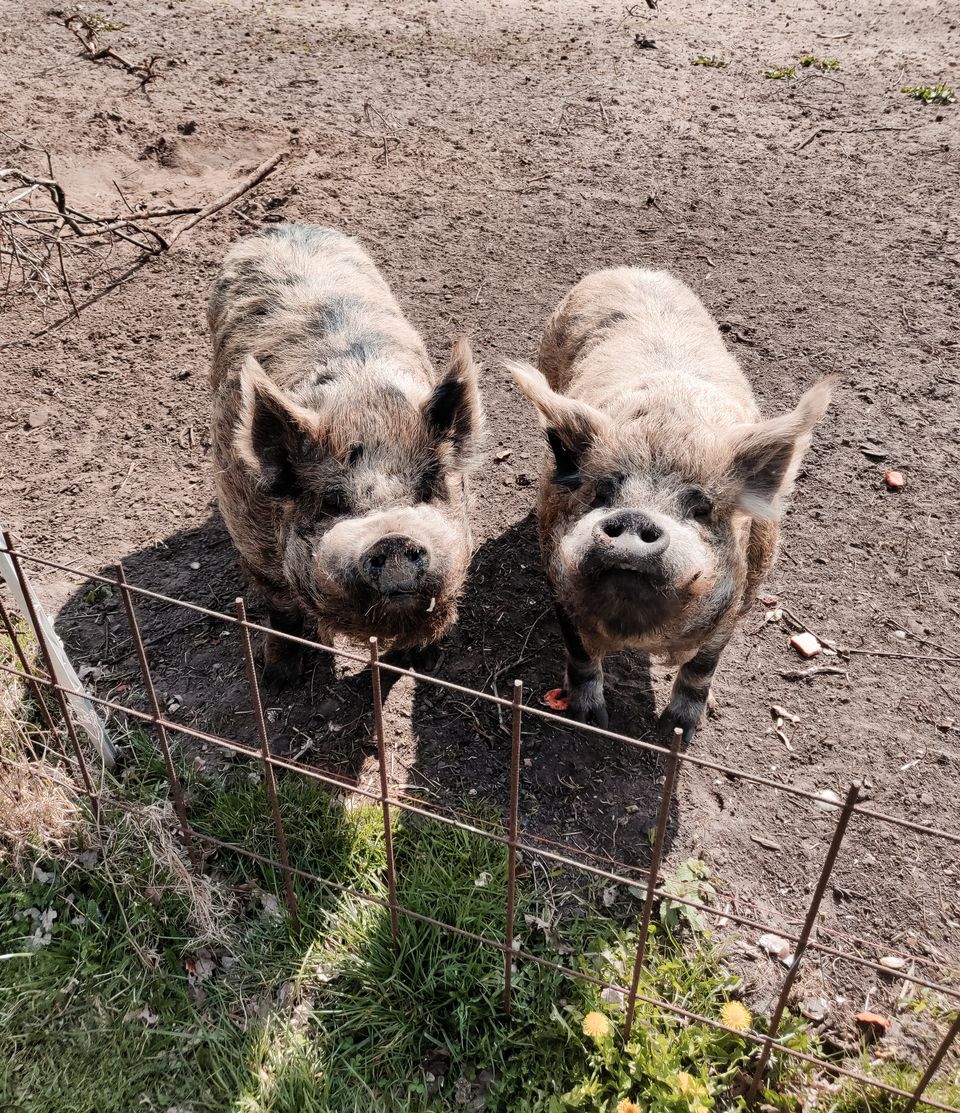
In the morning, we have breakfast in the sun on our own terrace and then stroll around the yard where you will find a small orchard and some cats, dogs and chickens. The two pigs at the back of the meadow, Nick and Simon, steal the show. Curious, they walk up to the fence as we approach. I smile, what a nice place this is!
Night walking route - A sky full of stars
Vaders Erf is located near National Park Dwingelderveld, where you will find the 5-kilometre Nachtwandelroute, set up by Natuurmonumenten. The route starts in Dwingeloo and is accessible free of charge all year round. Here, in one of the darkest places in the Netherlands, you can go into the forest at night to admire the starry sky. Quite unique, as in principle you are not allowed to enter most nature reserves after sunset, but an exception has been made for this route. We don't let this bother us twice. As soon as the sun sets, we head into the forest with our torch.
The posts marking the Night Walking Route light up in the glow of our lamp. I find it quite exciting. All my senses are on edge. What is that rustling? Was something walking there? Is someone standing there or is that a tree? We decide to turn off the torch for a while so our eyes can get used to the dark. That works! After a while, we find our way along the paths with only the glow of the moon. A few hundred metres further on, we come to a clearing. We plop down in the sand and stare open-mouthed at the starry sky stretching far above us.
With a whole host of new memories, we leave beautiful Drenthe behind us. We continue our road trip to the area near Giethoorn, where no doubt many more adventures await us. Because for adventure you don't have to leave the Netherlands at all, it turns out. And it is so easy to just take the car and drive off in a direction you don't know yet. There is so much to discover. A shame not to do it, right?
Love,
Laura
More road trip inspiration - Discover the Netherlands
-
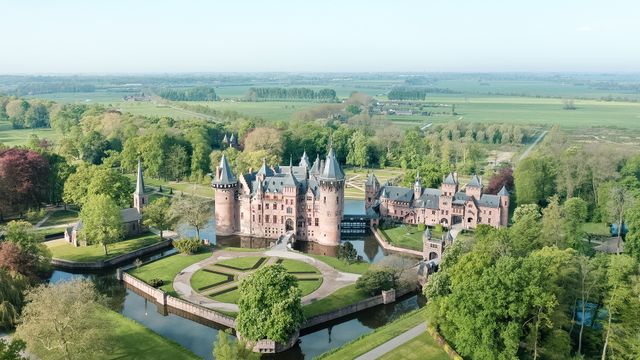
Honeyguide Yalou cannot go to France this year to spot castles, but that is no problem. The Netherlands also has plenty of beautiful, surprising castles.
-
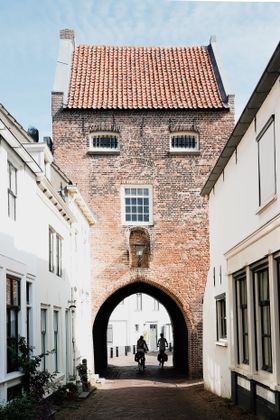
Honeyguide Simone takes you on a special road trip along an interesting piece of Dutch history, namely the Nieuwe Hollandse Waterlinie.
-
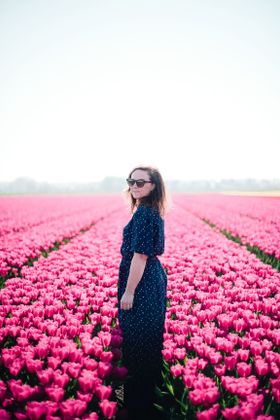
Ready for a road trip along fields full of Dutch flowers? Honeyguide Yalou shares with you the addresses of the most beautiful, unknown tulip fields.