
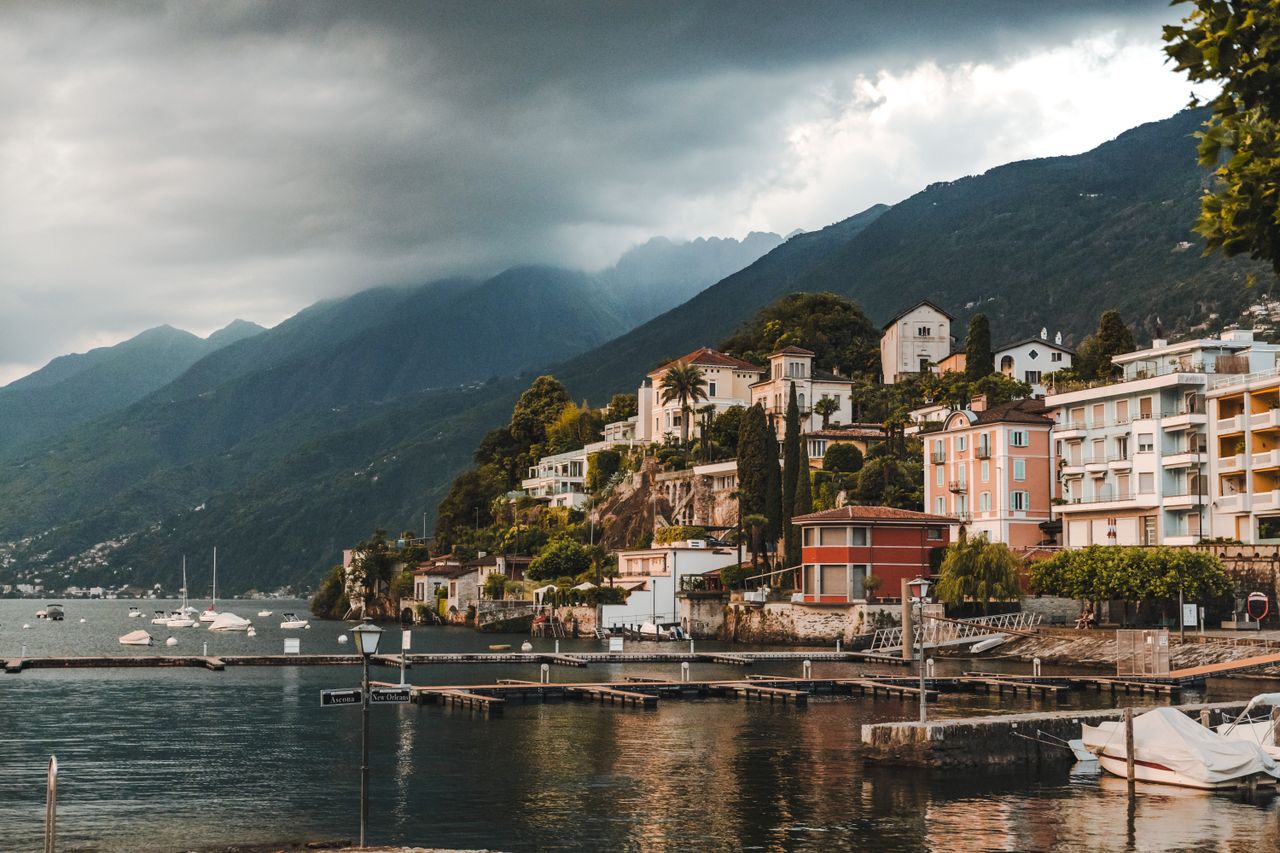
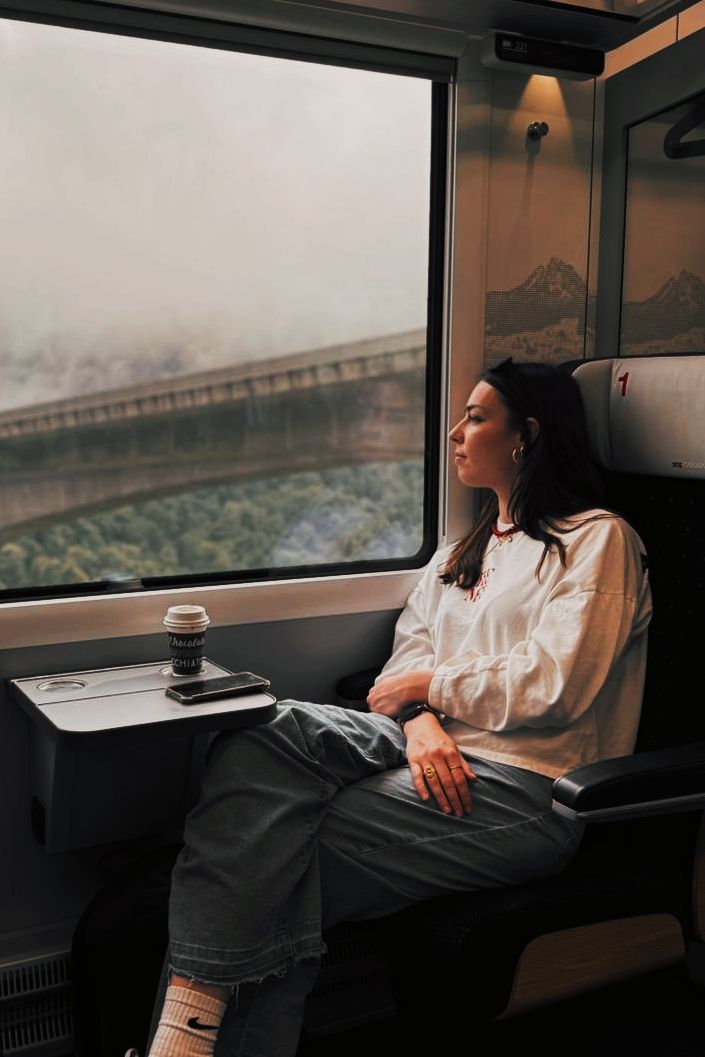
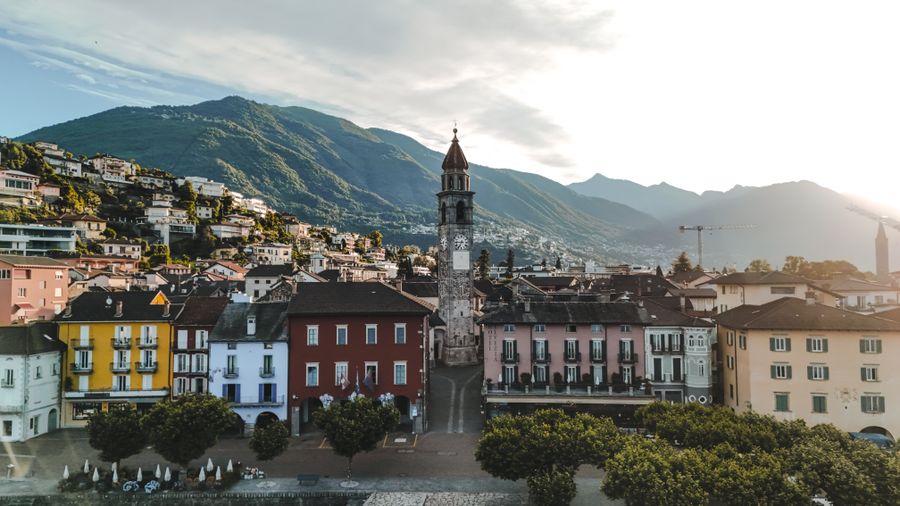
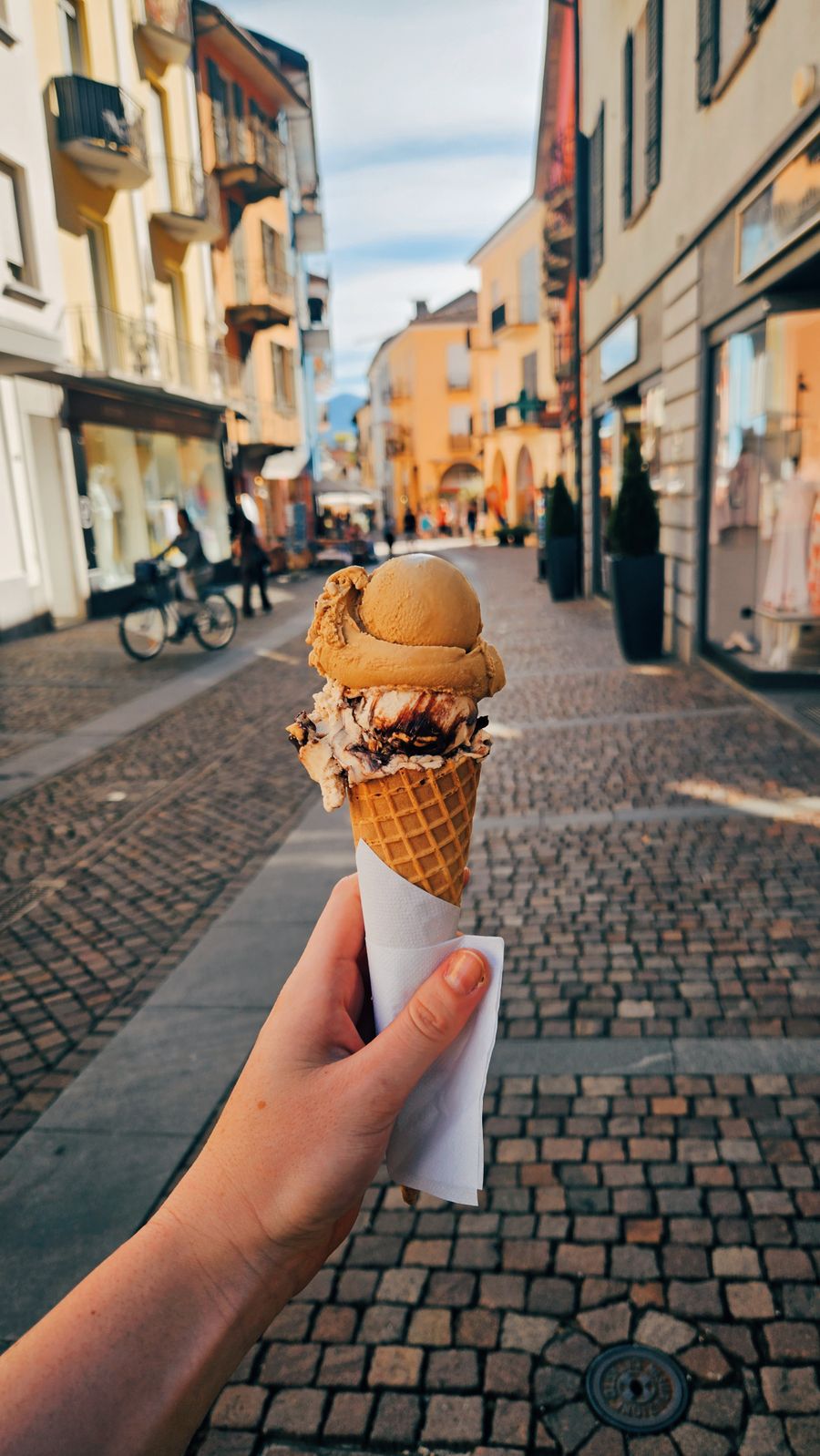
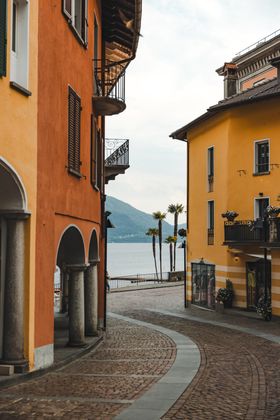
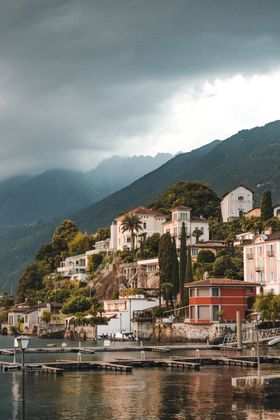
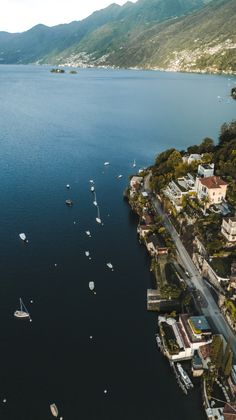
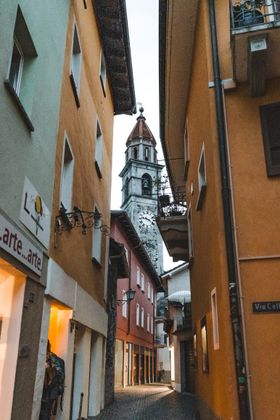
A twelve-hour train journey from the Netherlands, and then you’re rolling your suitcases along the cobbled streets of Ascona. You never for a moment feel as though you’re still in Switzerland. Ascona is situated in Ticino, the Italian-speaking canton in the south of the country, on the shores of Lake Maggiore. Everyone’s familiar with that lake, but usually from the Italian side. The Swiss side is far less well known. And that’s precisely why I was invited by Switzerland Tourism to spend a few days exploring this place.

All by public transport
With a single travel pass, you can travel effortlessly from station to boat and cable car.
What made this trip particularly easy and sustainable was that we travelled entirely by public transport, without needing a car even once. This ties in perfectly with Swisstainable, Switzerland’s sustainability strategy, which centres on travelling consciously, comfortably and with respect for nature.
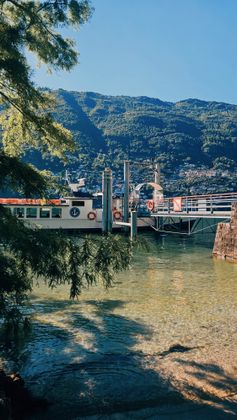
Thanks to the Swiss Travel Pass, you can travel unlimitedly by train, bus and boat, and you’ll also get discounts on many cable cars. From the train station to the boat to the Brissago Islands and the cable car to Cardada: with a single pass, you can get anywhere effortlessly. This way, you can discover Switzerland at a leisurely pace, whilst at the same time choosing a more sustainable way of travelling.


Pasta, sunshine and palm trees
On the Ascona promenade, Switzerland suddenly feels surprisingly Mediterranean
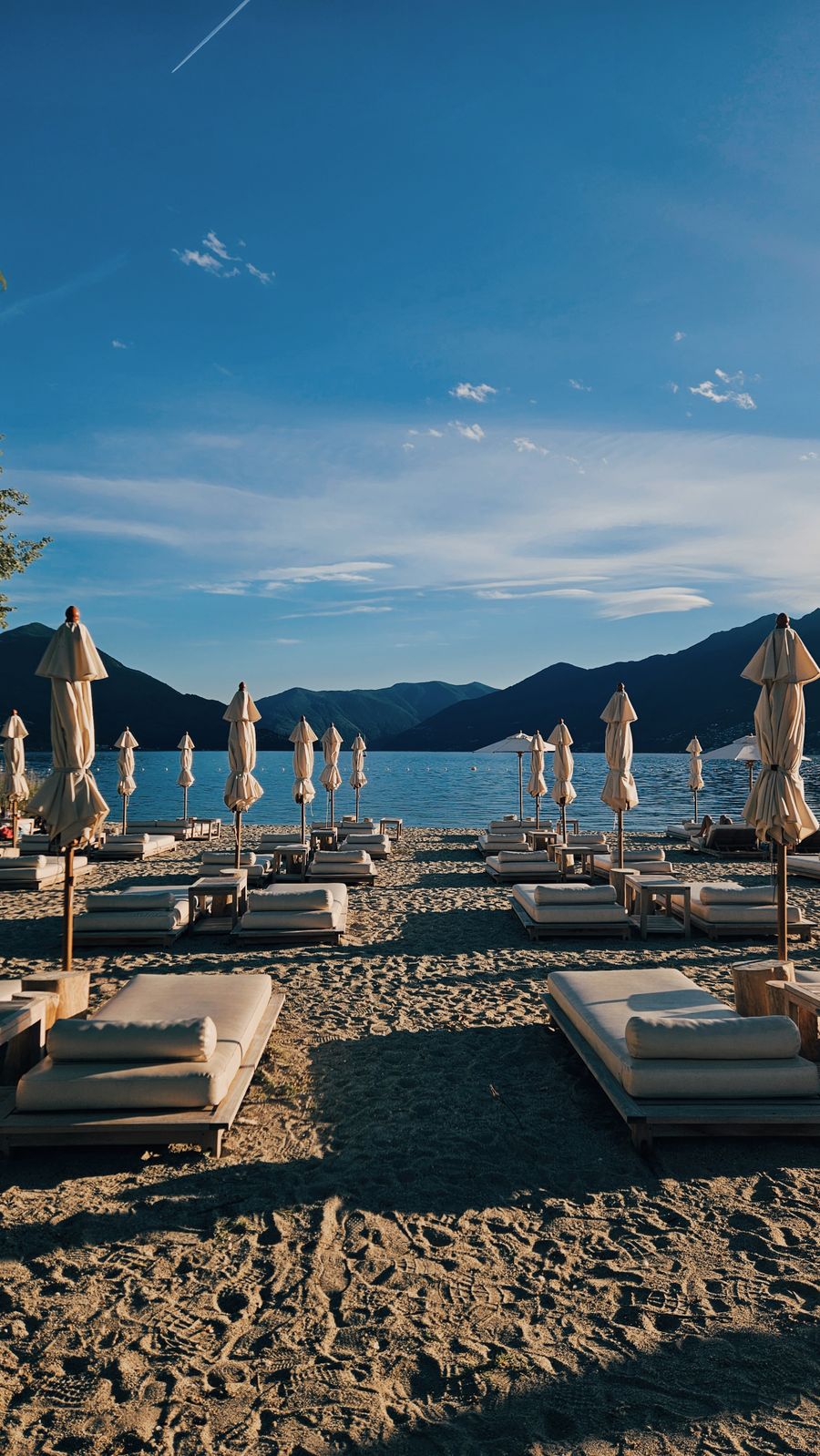
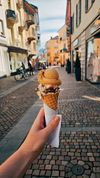
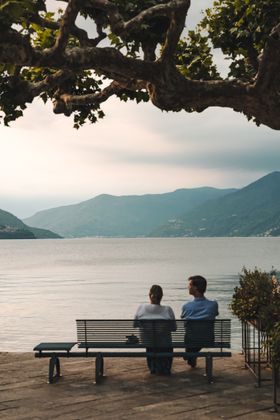
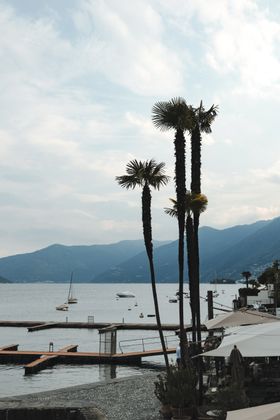
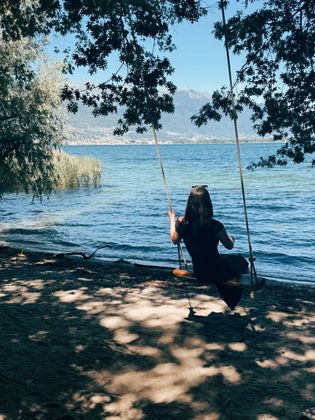
The first thing that strikes me is the promenade. A long row of cosy little restaurants right by the lake, where in the evening you can sit at a table with a plate of pasta in front of you and watch the sun sink behind the mountains on the opposite shore. When I think of Switzerland, I think of mountains, cheese fondue and cows with big bells around their necks. This visit to Ticino has completely changed that image. Here, you see palm trees. And if you really want to relax for a while, there’s only one place you’ll want to be: the Seven Senses beach club, with your feet in the sand and the blue lake in front of you. For a moment, you really do feel as though you’re on a tropical island, even though you’re actually in Switzerland.

A tropical garden in the middle of the lake
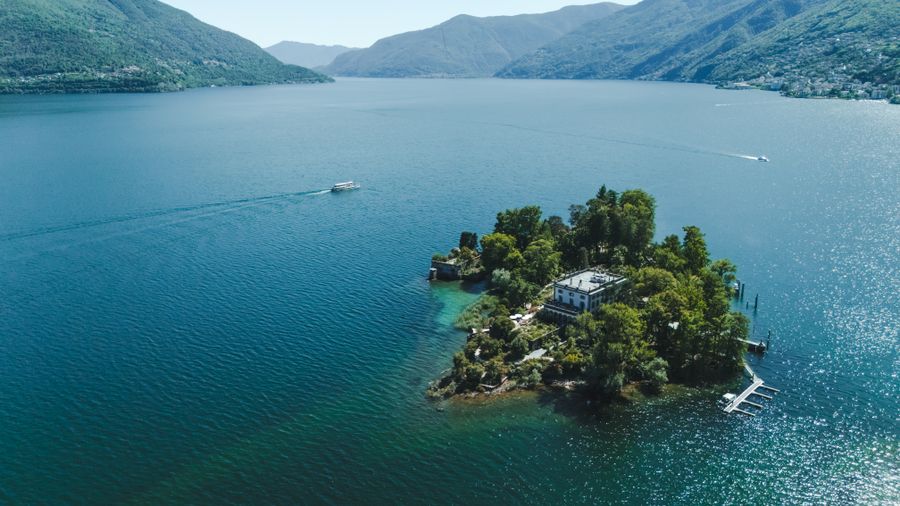
On the Brissago Islands, you’ll discover palm trees, bamboo and a botanical garden with a fascinating history
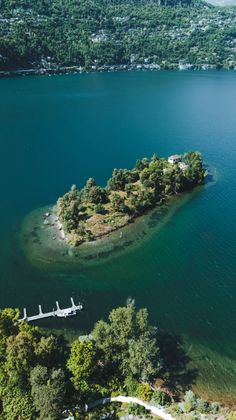
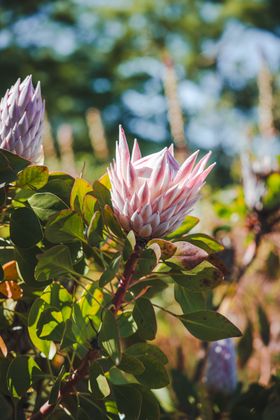
You’ll find that same tropical atmosphere on the Brissago Islands, a fifteen-minute boat ride from Ascona. White sand, clear blue water and a small bamboo grove right in the middle of Lake Maggiore. The history behind it is just as remarkable as the garden itself. In the late nineteenth century, Baroness Antoinette de Saint Léger bought the uninhabited island and laid out a botanical garden featuring plants from all over the world. It later came into the hands of the wealthy German businessman Max Emden, who had a villa built there but left the garden intact. Since 1949, it has been owned by the canton of Ticino, boasting more than 1,700 plant species and even a hotel where you can stay overnight.


Cycling through the Maggia Valley on an e-bike
A leisurely cycle ride past old railway bridges, waterfalls and the refreshing taste of Gazosa
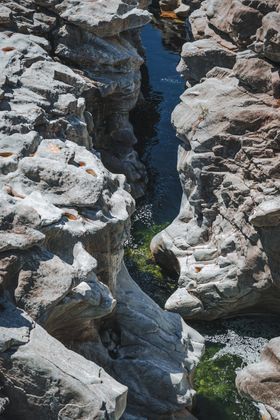
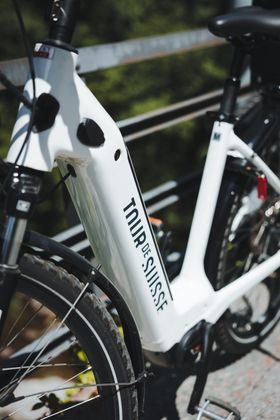
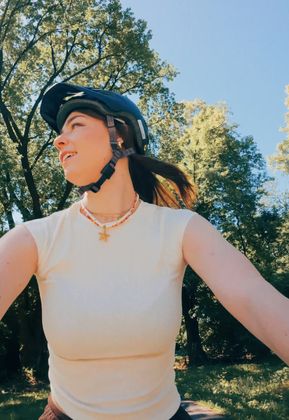
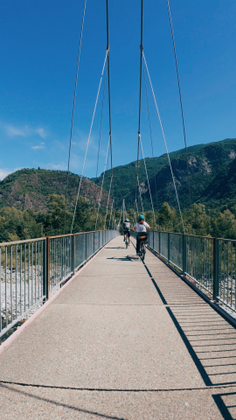
One of the most beautiful days was the cycle ride through the Maggia Valley. With a guide and e-bikes from Bikeport, we cycled a route of around 47 kilometres, mostly flat as we stayed in the valley. The electric pedal assistance gave us the chance to take in our surroundings at a leisurely pace rather than working up a sweat. We cycled over old railway bridges and past waterfalls, stopping here and there for a Gazosa: the typical Italian-Swiss lemonade that’s served everywhere in this part of Ticino and is rather like 7UP, but tastier.
Up by cable car
From Cardada, you look out over a landscape that grows bluer layer by layer
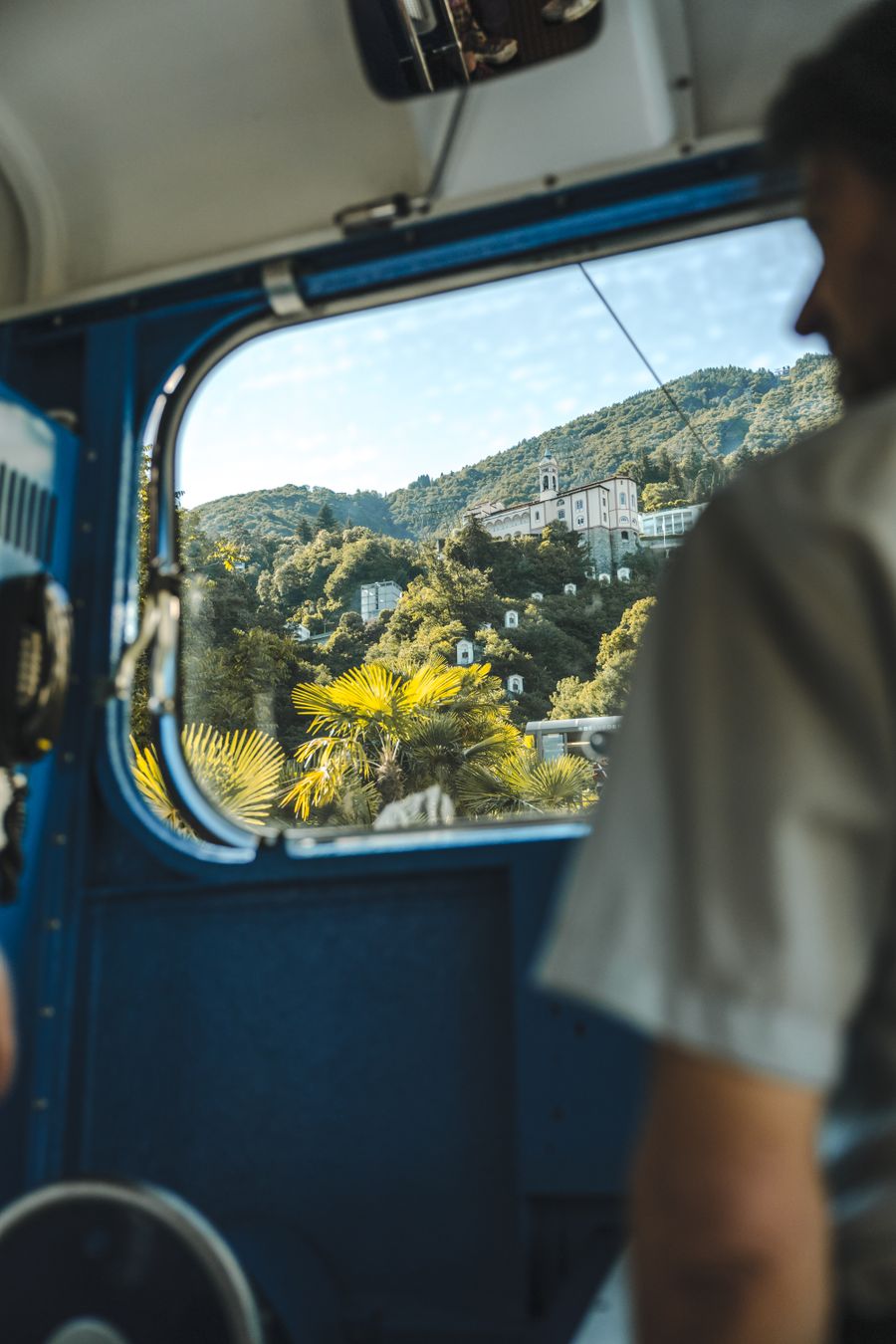
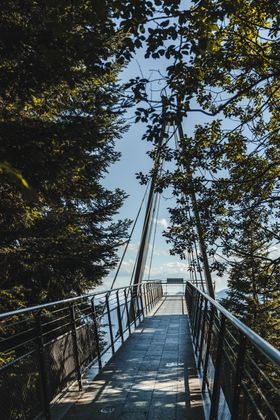
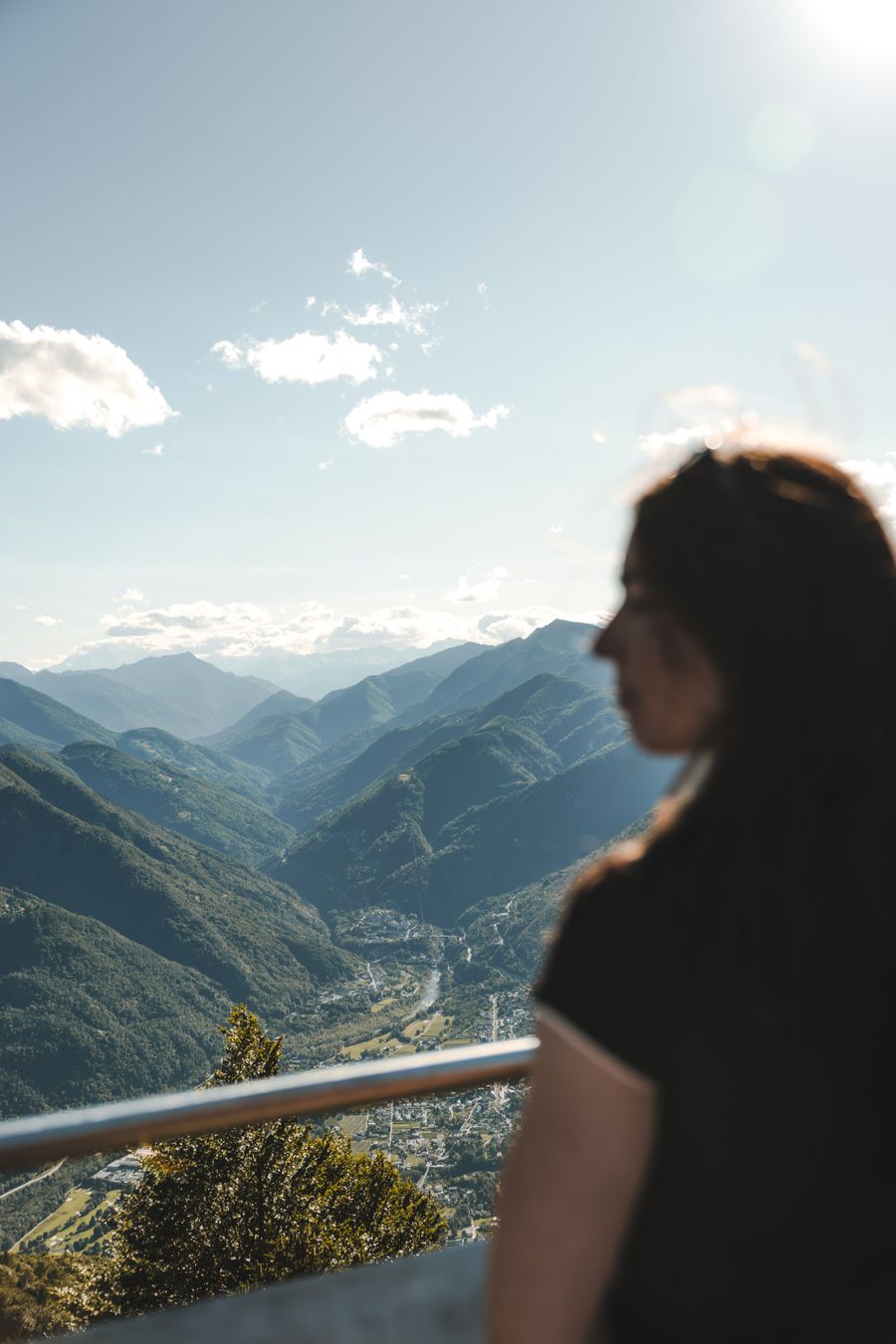
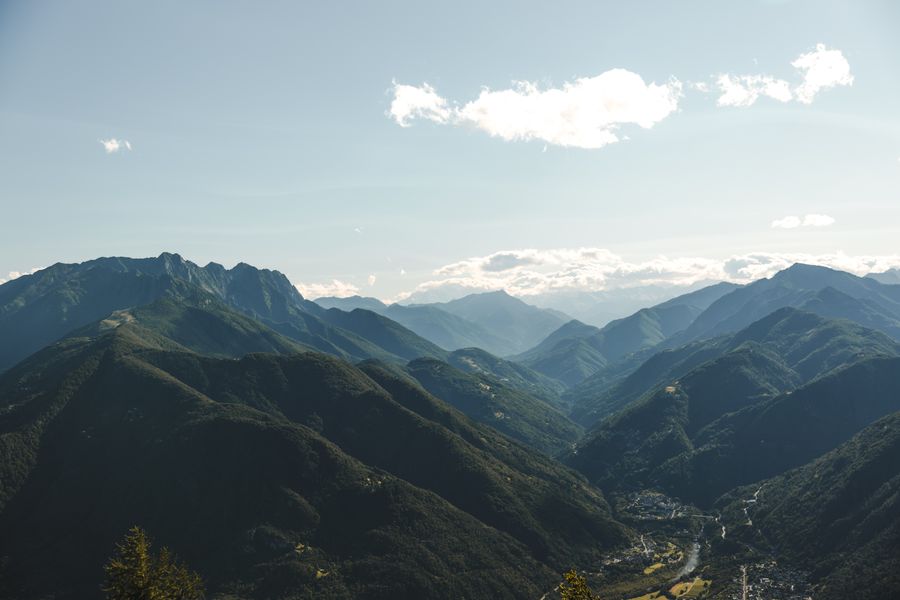
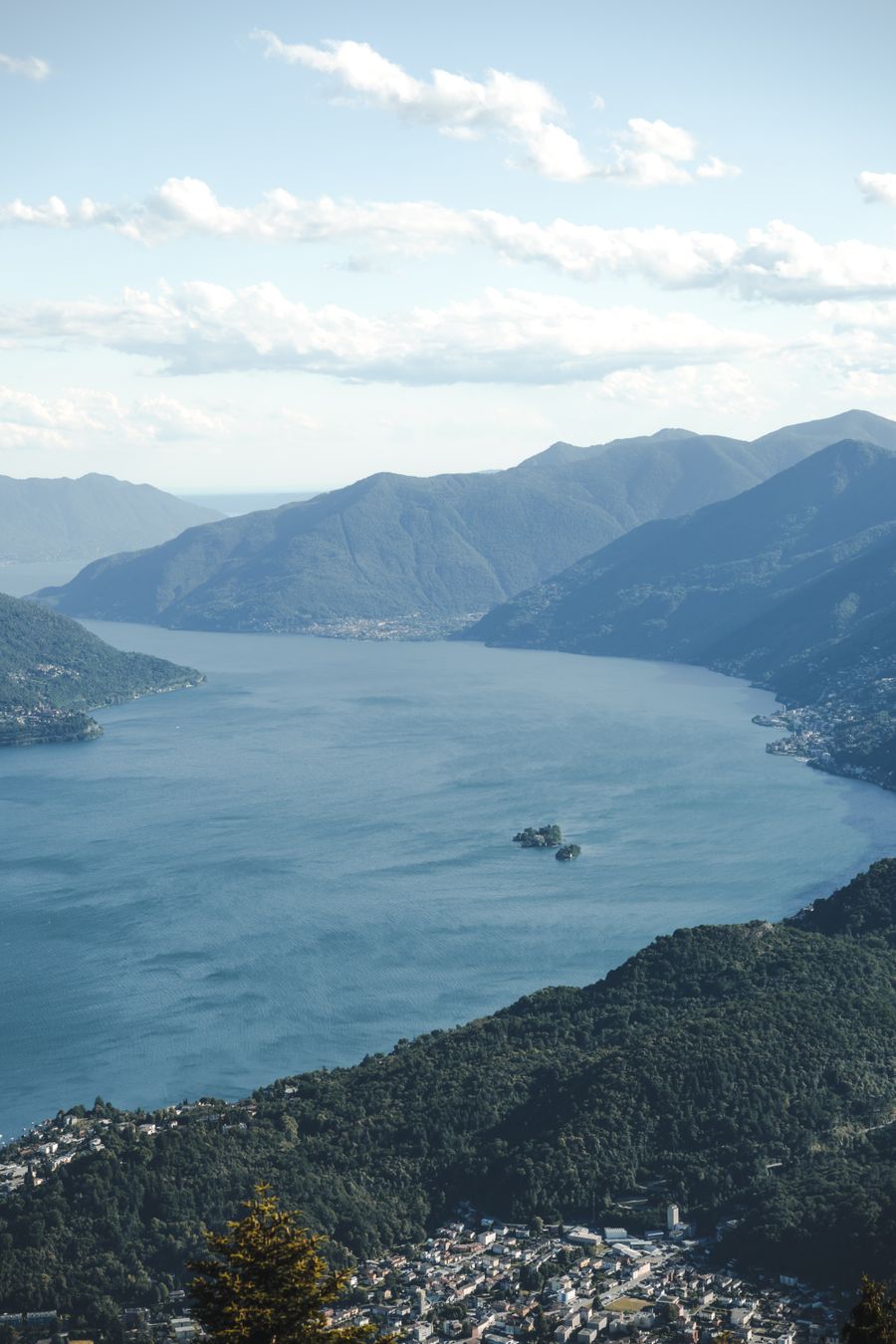
After spending so much time in the valley, it was time to head up the mountain. For me, a trip to Switzerland doesn’t feel complete without climbing a mountain, so we took the cable car from Orselina up towards Cardada. Once at the top, there’s a viewpoint with a breathtaking view over the Maggia Valley and Lake Maggiore. What struck me most was the layering of the mountains: one mountain ridge after another, each in a slightly different shade of blue. It looks just like a painting.
Wine tasting at Manimatte
At Manimatte, you can taste just how distinctive and experimental wine from Ticino can be
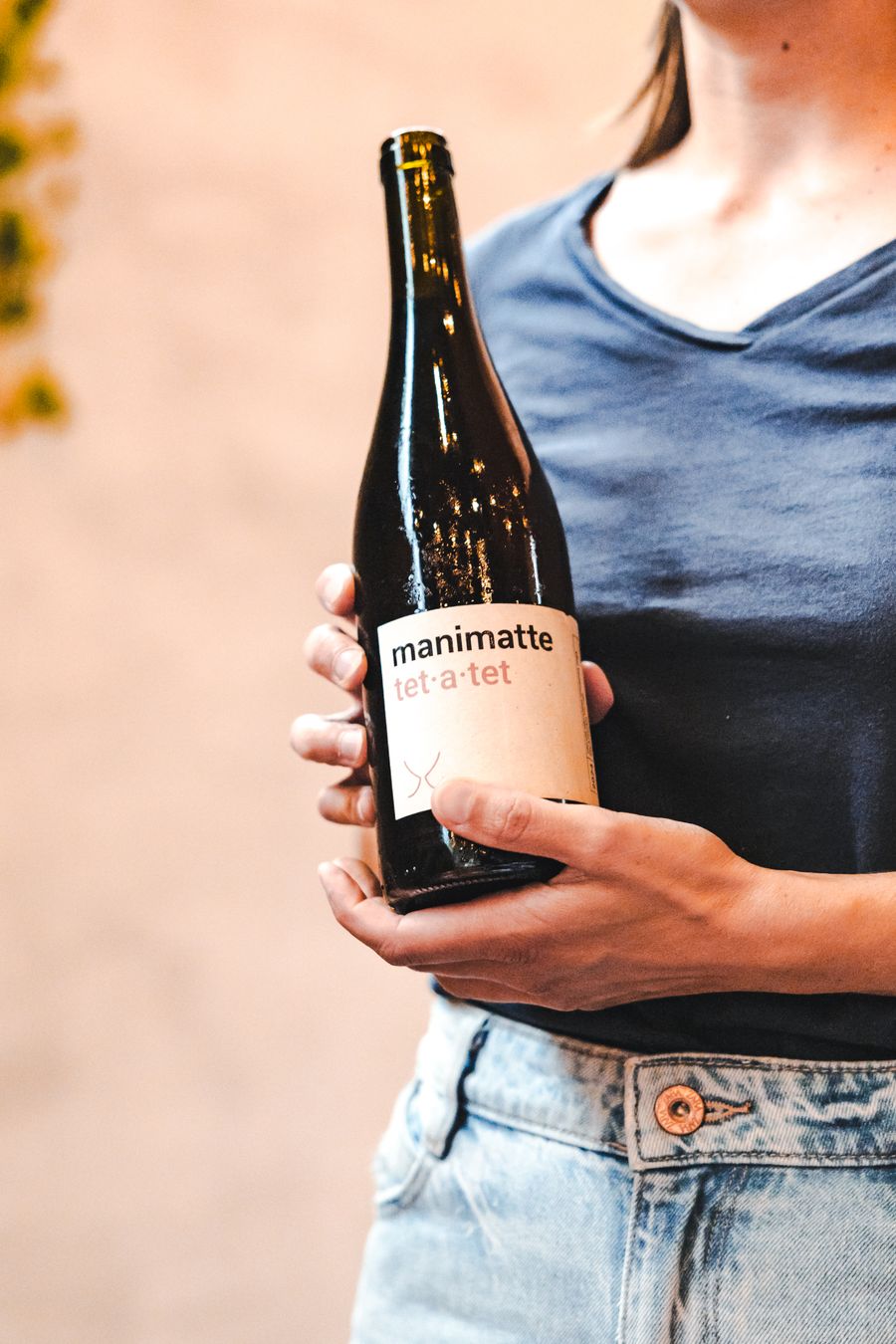
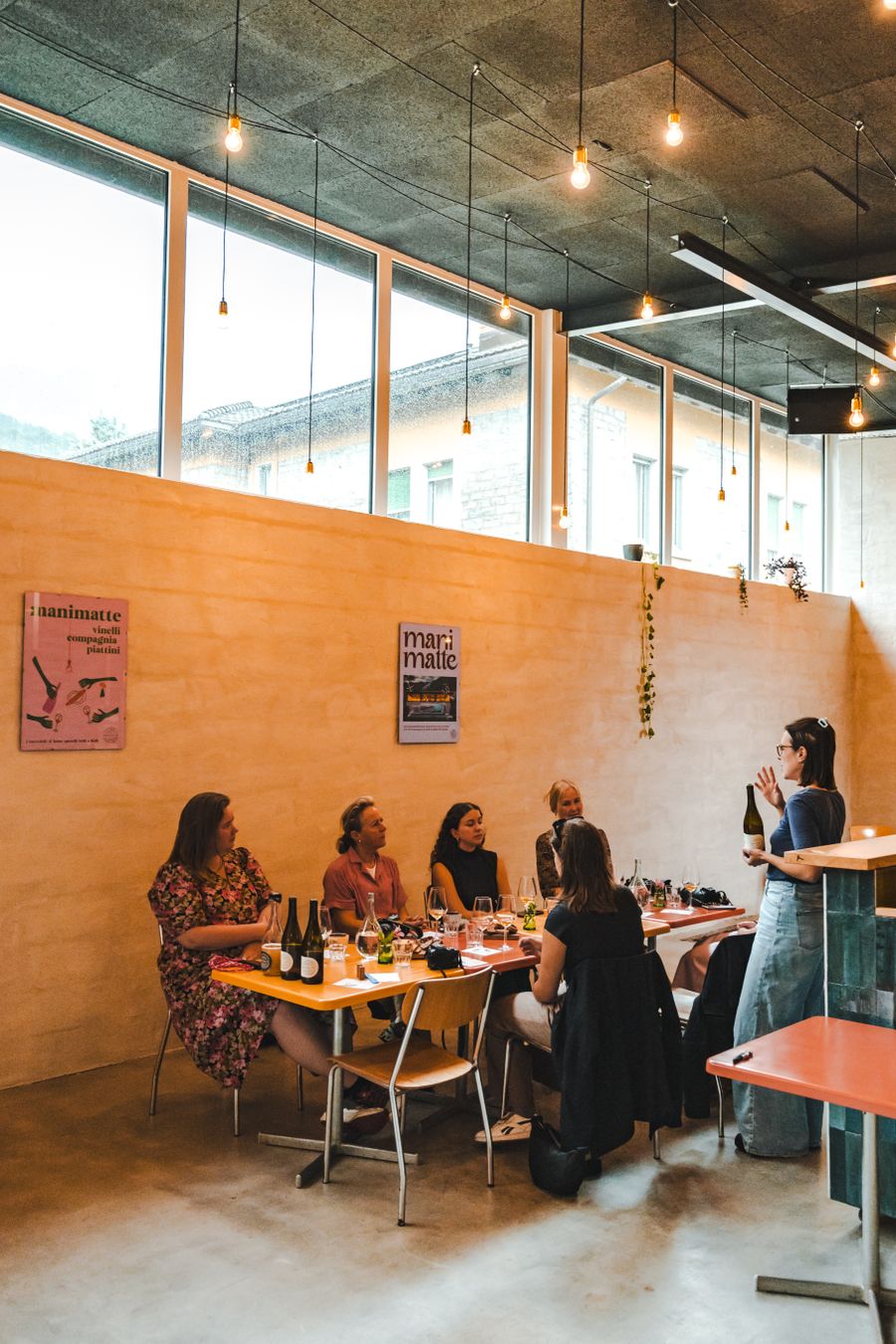
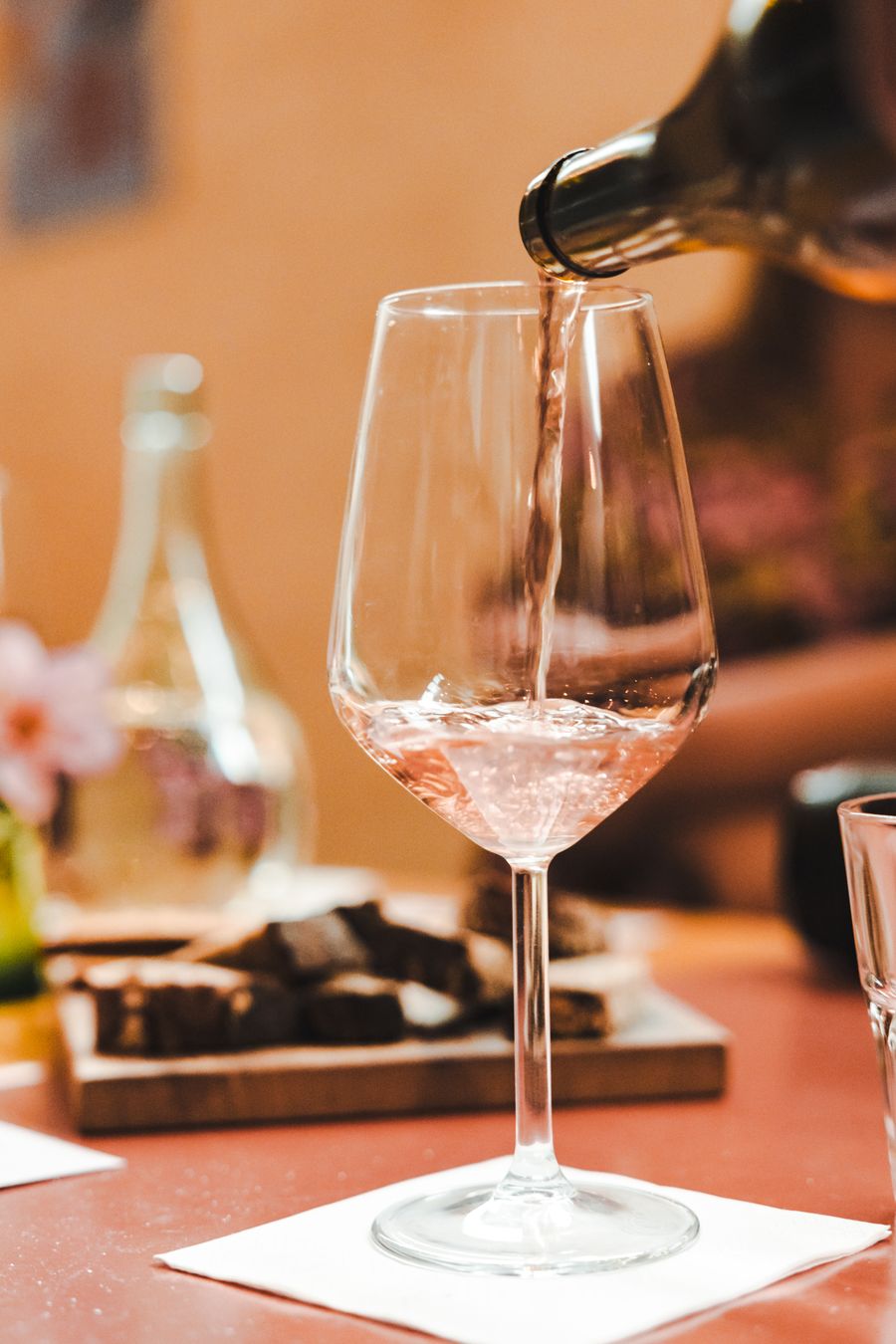
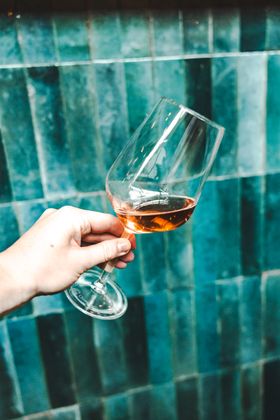
Back down in the valley, we discovered something else I didn’t even know existed: wine from Ticino. Switzerland isn’t known for its wine, but at Manimatte we tasted a fine example of what is actually possible here. Anna Maspoli and Luca Locatelli, the two people behind the wine brand, deliberately work with resistant grape varieties, which are naturally more resistant to fungi and diseases. This allows them to work with virtually no chemical pesticides, and their wine is genuinely organic. The result is wines that can taste slightly different from bottle to bottle – exactly what Anna and Luca want. For them, winemaking is all about experimenting and rediscovering old, almost forgotten grape varieties from the region. No traditional labels featuring a castle, but fresh, quirky branding that fits that philosophy. Every Wednesday evening, they organise a cosy evening with music, where you can simply join in to listen and have a glass with them.


A lunch of edible plants
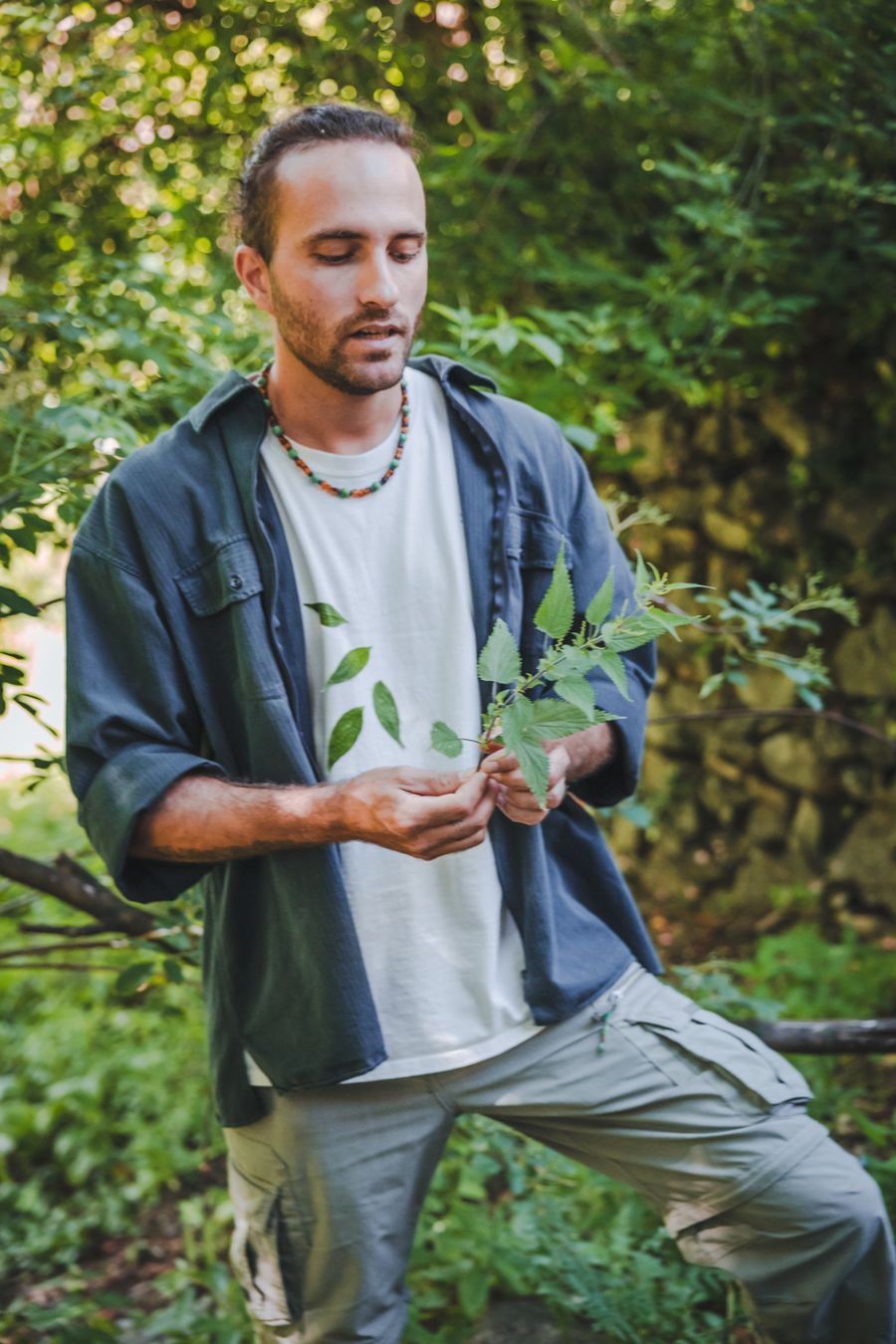
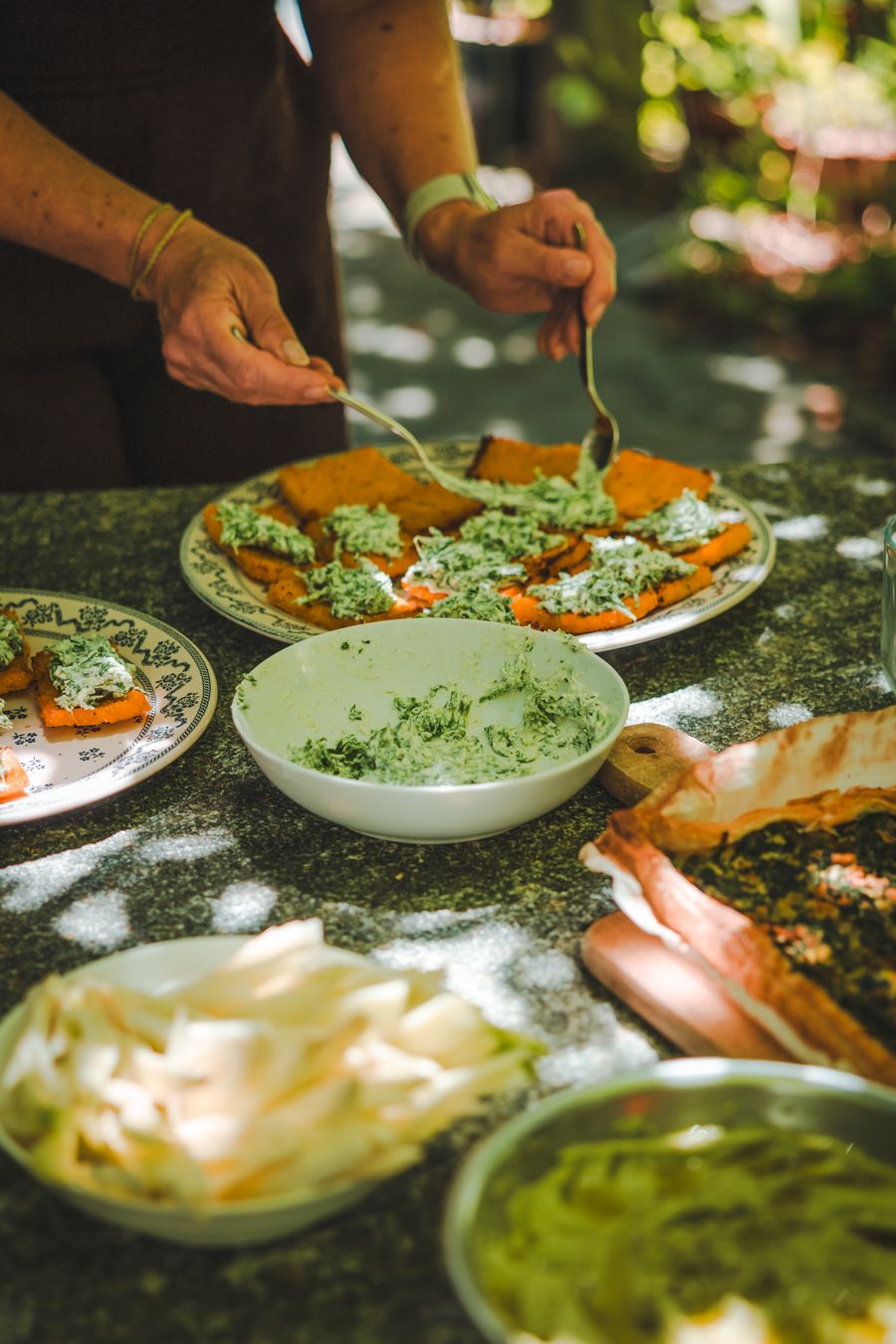
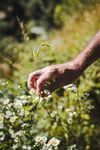
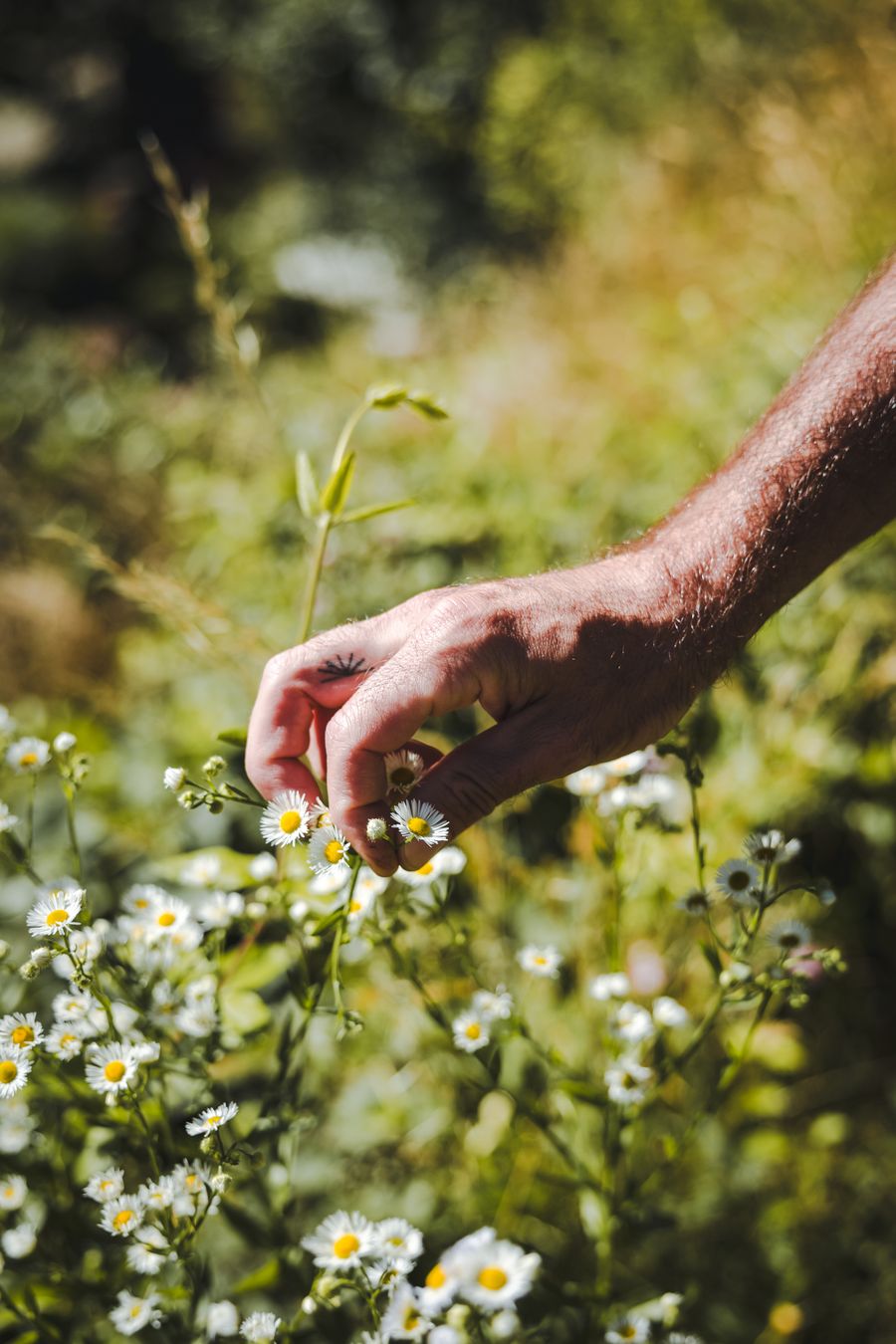
During a wild herb workshop, you’ll learn just how much flavour grows right by the roadside
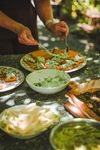
Another highlight: the wild herb workshop with Milo Bessegner in Intragna, a botanist and passionate expert on everything edible that grows in the wild. He took us out into the fields and pointed out herbs and plants we would otherwise have walked right past without a second glance. Afterwards, he cooked us lunch at his home using precisely the herbs we’d just picked.

The best risotto of my life
Sometimes, just one plate of risotto is enough to make an evening unforgettable
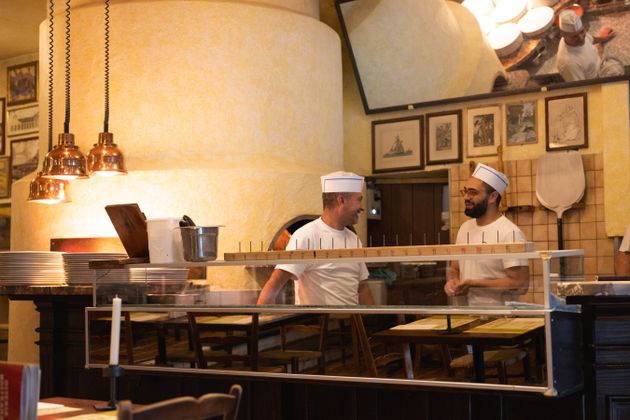
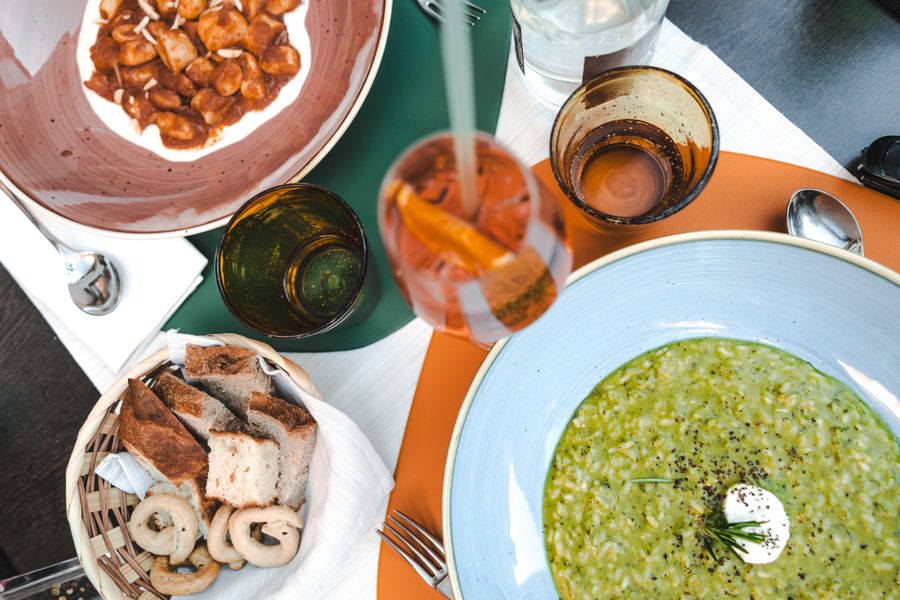
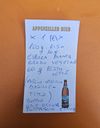
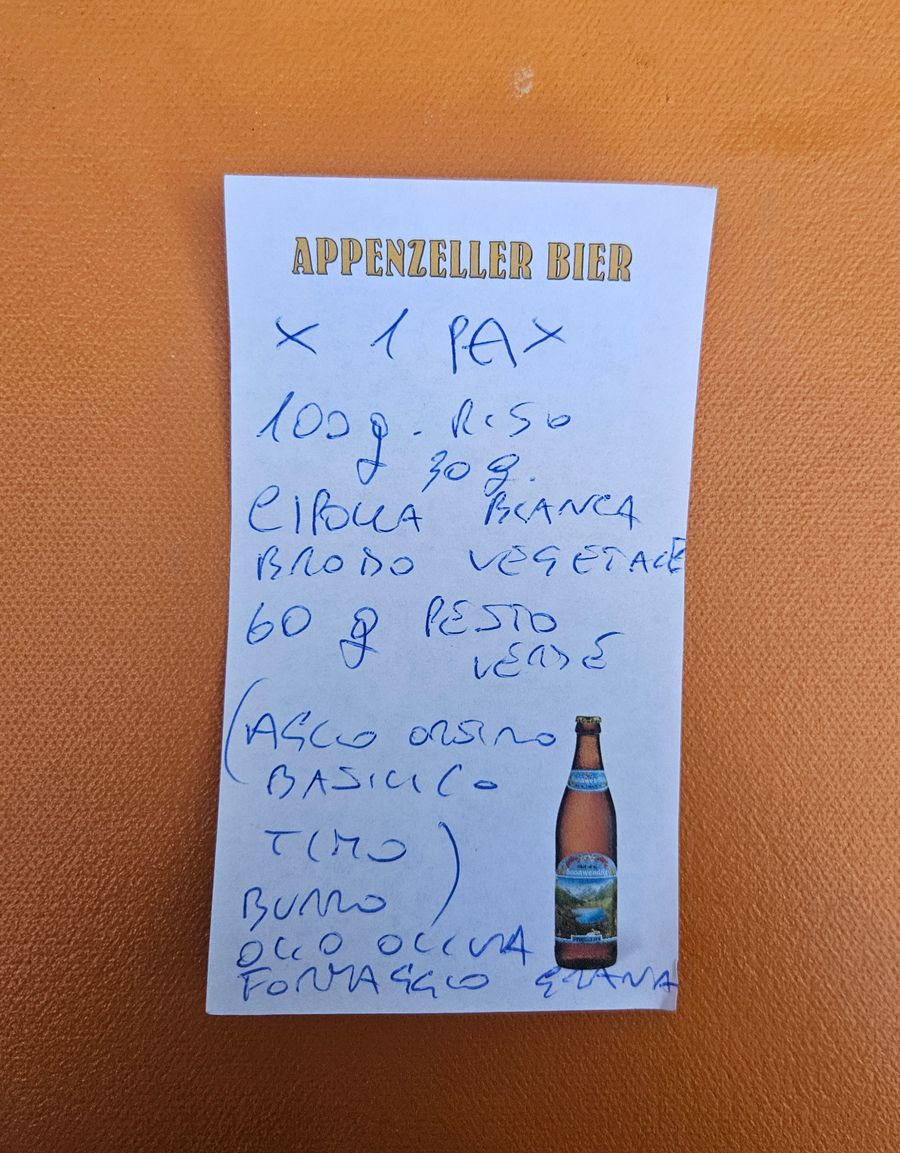
And then there was that one evening at Ristorante Fiorentina, where I think I ate the most delicious risotto of my life. It was so good that afterwards I simply asked the chef for the recipe. And he gave it to me. My day couldn’t have been better. The recipe is in Italian, but I didn’t see that as a reason not to share it with you.
Ticino isn’t the sort of destination that springs to mind when someone says ‘Switzerland’. No snow-capped peaks or cheese fondues, but palm trees lining the promenade, Italian cuisine on the menu and a pace that feels more Italian than Swiss. It’s a part of Switzerland with a story of its own, one that far too few people know about. Reason enough to go and discover it.
Love,
Fleur
This travel inspiration is made possible by Switzerland Tourism.
Frequently asked questions about Ticino in Switzerland
Ticino is situated in the south of Switzerland and is the country’s Italian-speaking canton. The region borders Italy and therefore has a more Mediterranean feel than many other parts of Switzerland. Think of palm trees, pasta, sun-drenched boulevards and villages such as Ascona on Lake Maggiore.
Would you like to discover more places in Switzerland? Then take a look at the Switzerland destination guide.
Yes, Ticino is easy to explore by public transport. With the Swiss Travel Pass, you can travel easily by train, bus and boat throughout the region. Excursions such as the boat trip to the Brissago Islands and the cable car to Cardada are also easy to combine without a car.
Find further inspiration for a train journey through Switzerland with the blog about the Grand Train Tour.
Beautiful places to visit in Ticino include Ascona on Lake Maggiore, the Brissago Islands, the Maggia Valley and Cardada. Ascona is ideal for a relaxing stay by the lake; the Brissago Islands are renowned for their botanical garden; and in the Maggia Valley, you can enjoy wonderful e-bike rides past bridges, waterfalls and mountain landscapes.
Ticino is surprising because it doesn’t feel like the classic image of Switzerland. Instead of cheese fondue, cowbells and snow-capped peaks, you’ll find palm trees, Italian food, local wine and a relaxed Mediterranean atmosphere. As a result, Ticino almost feels like Italy, even though you’re actually in Switzerland.
Would you like to find out more? Then take a look at our blogs on the Valais and Bern regions in Switzerland.
Across the border - Slow travel tips
-
On an adventure in North Portugal
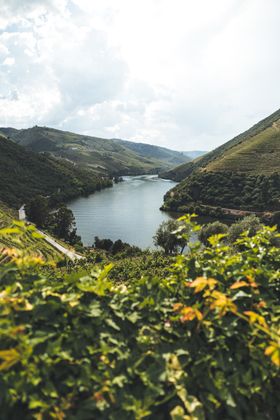
Northern Portugal is known for its wines and port, but the region also has a rugged and adventurous side that I was able to discover during my trip. Read more about Honeyguide Fleur’s adventures.
-
Tips for a 72-hour city break in Copenhagen
Copenhagen has stolen my heart. The combination of Scandinavian design, good coffee, cycling along the waterfront and an endless array of lovely places to eat makes Copenhagen the perfect destination for a city break.
-
Hidden gems between Tuscany & Liguria
Discover the hidden gems between Liguria and Tuscany with quiet beaches, local agritourisms and authentic food and experience a unique Italian adventure. Discover our tips in the blog.