

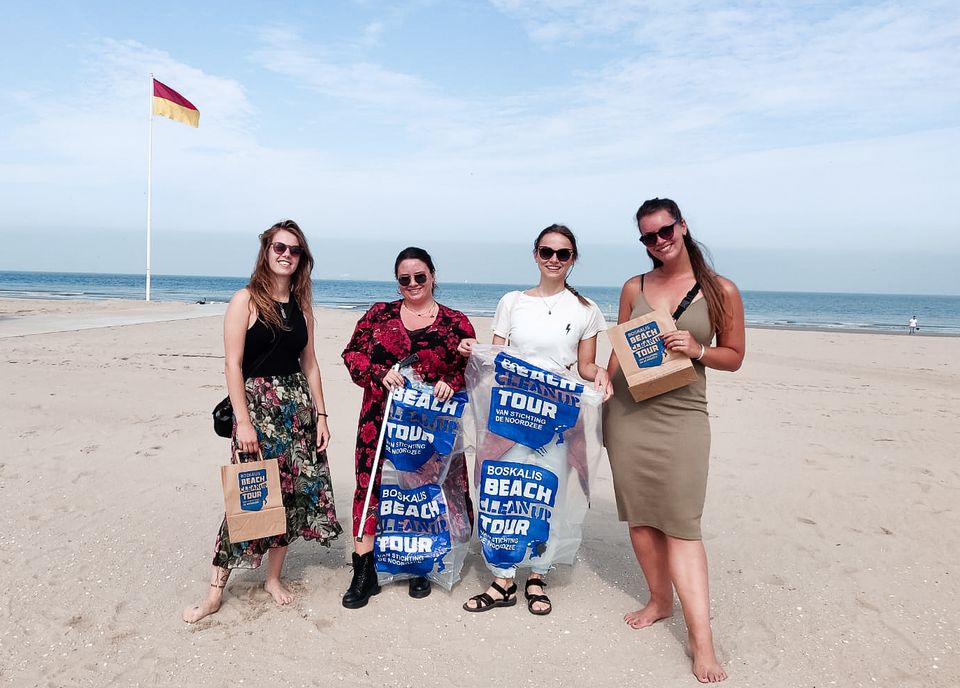
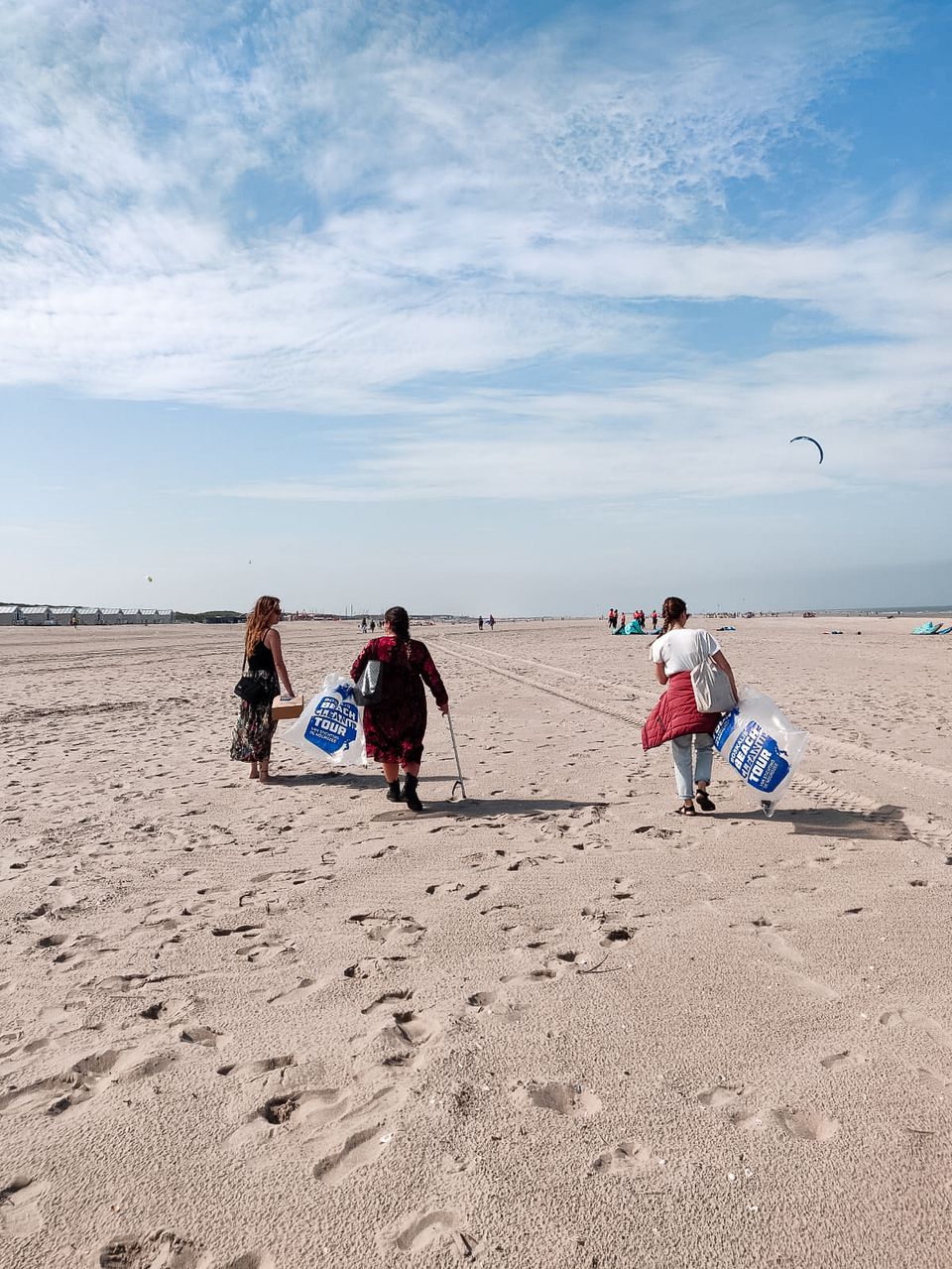
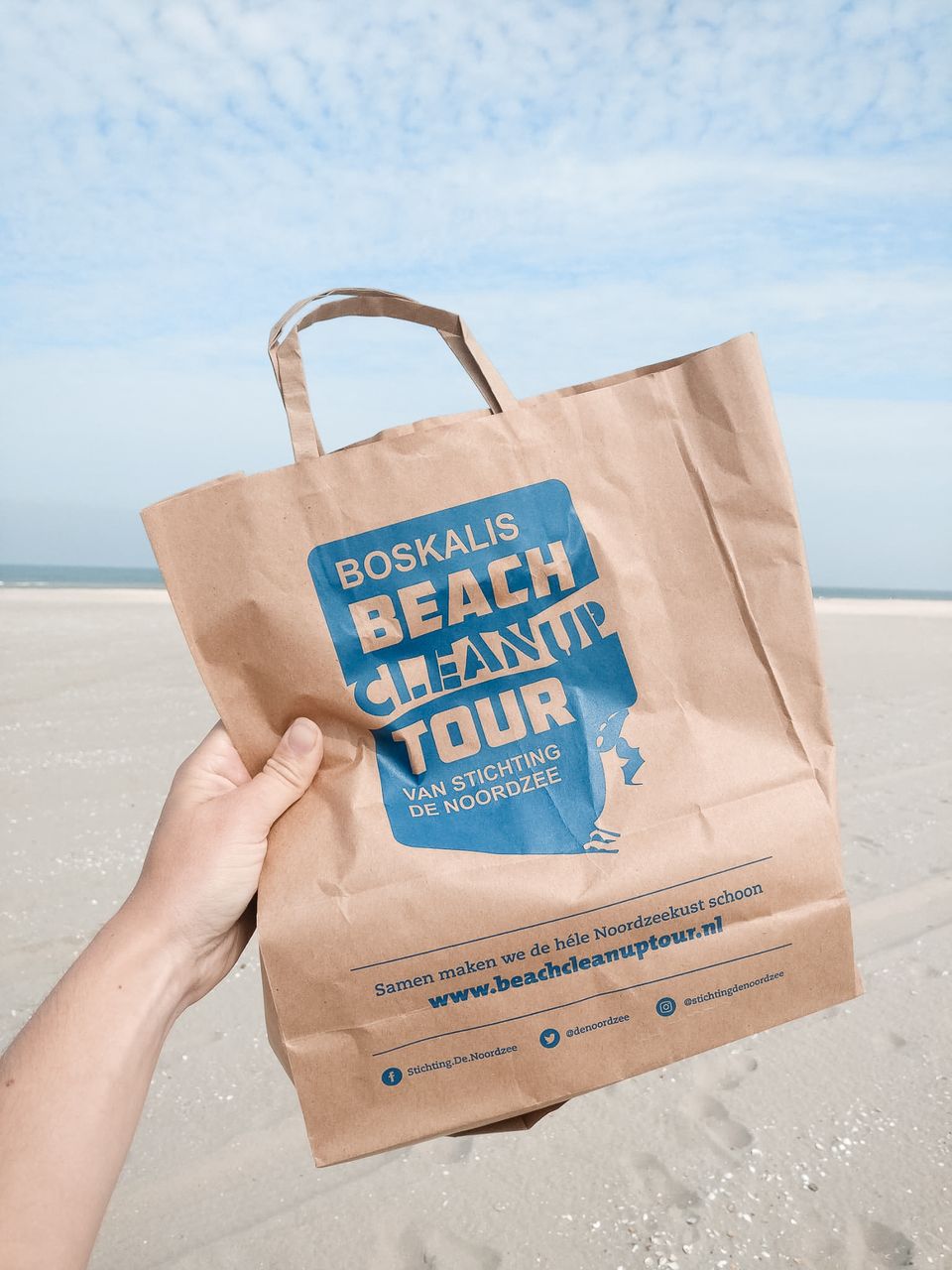
It is already quite warm when we walk onto the beach at Kijkduin. It promises to be a nice day, which is good, because I prefer to pick up litter on the beach when it is dry. At beach tent People, we spot the North Sea stand where we can pick up our rubbish bags. A little later, we stroll onto the beach, looking for litter.
Today, we are helping out as volunteers with the Boskalis Beach Cleanup Tour of the North Sea Foundation. Every year, this foundation organises a nationwide beach clean-up in which different teams of volunteers clean up the Dutch beaches within two weeks. One team starts on the Wadden Islands, the other in the southernmost tip of Zeeland. For a fortnight, they work towards each other, with a different stage each day.
The North Sea Foundation is present at every stage to hand out materials and collect the waste picked up. The volunteers who help them are people like you and me. Some are alone, others are with the whole family. Young and old are dedicating these weeks to fighting pollution in coastal areas. Something that gives hope: awareness is more important than ever.
The North Sea beach through the years - Beach clean-ups for awareness
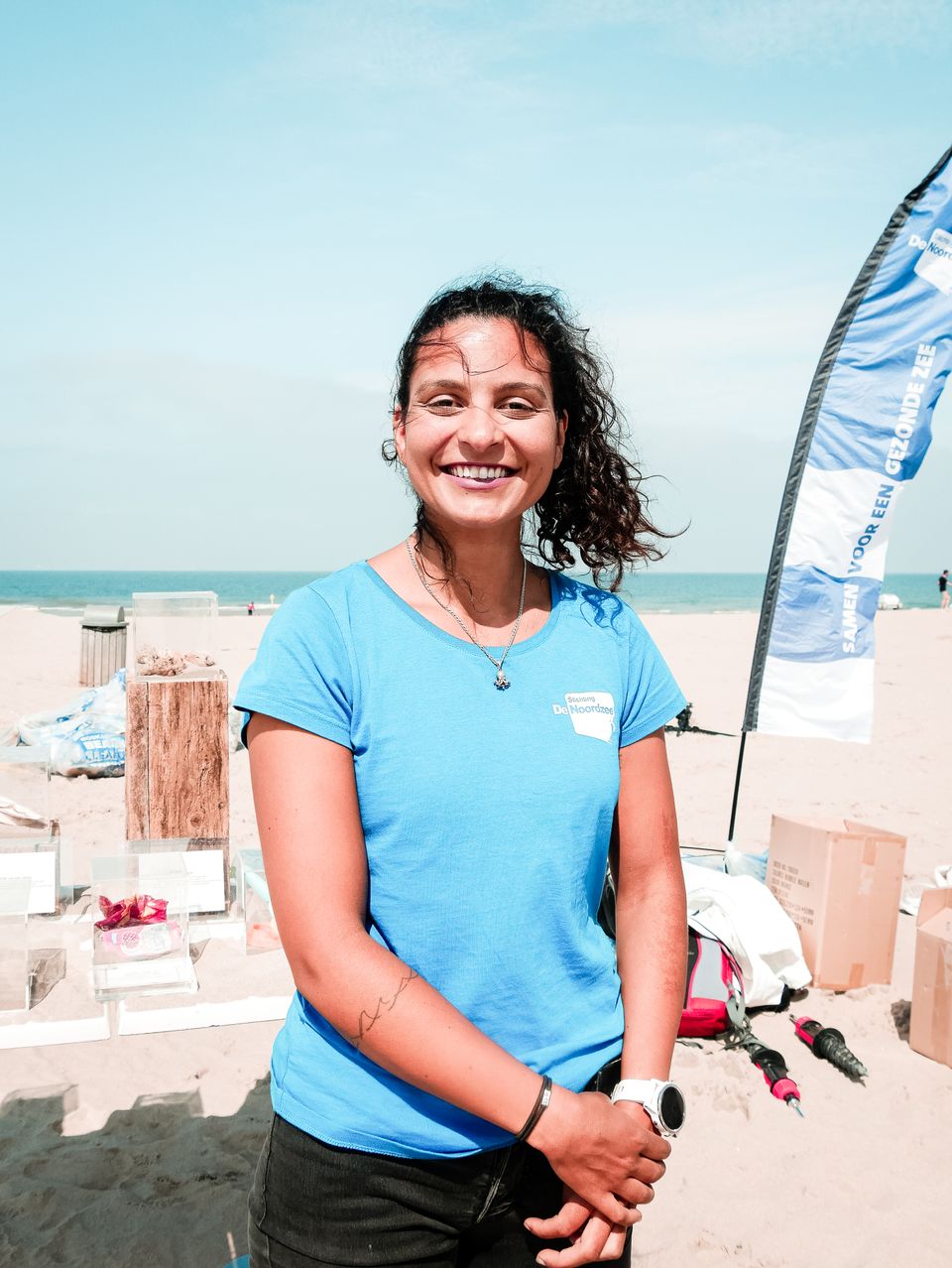
At the North Sea Window in Kijkduin, we meet Serena Rivero of the North Sea Foundation. She is a marine biologist and knows everything about the North Sea. That the seas have become seriously polluted with plastic over the years is nothing new, unfortunately. Fortunately, Serena also has a positive to report. In fact, the North Sea Foundation has been monitoring the amount of litter on the Dutch North Sea beaches for 20 years. One of the results that came out of this is that waste on the beaches has decreased by 27% over the past 10 years! "Awareness and policy," explains Serena, when we ask her why.
But despite this, we are far from achieving them. "We always monitor beaches per hundred metres. Nowadays, we still find an average of 282 pieces of waste per hundred metres of beach, which is obviously still very much. It is important that this is going to reduce in the future."
The effect of plastic on the North Sea - Plastic, plastic, plastic...
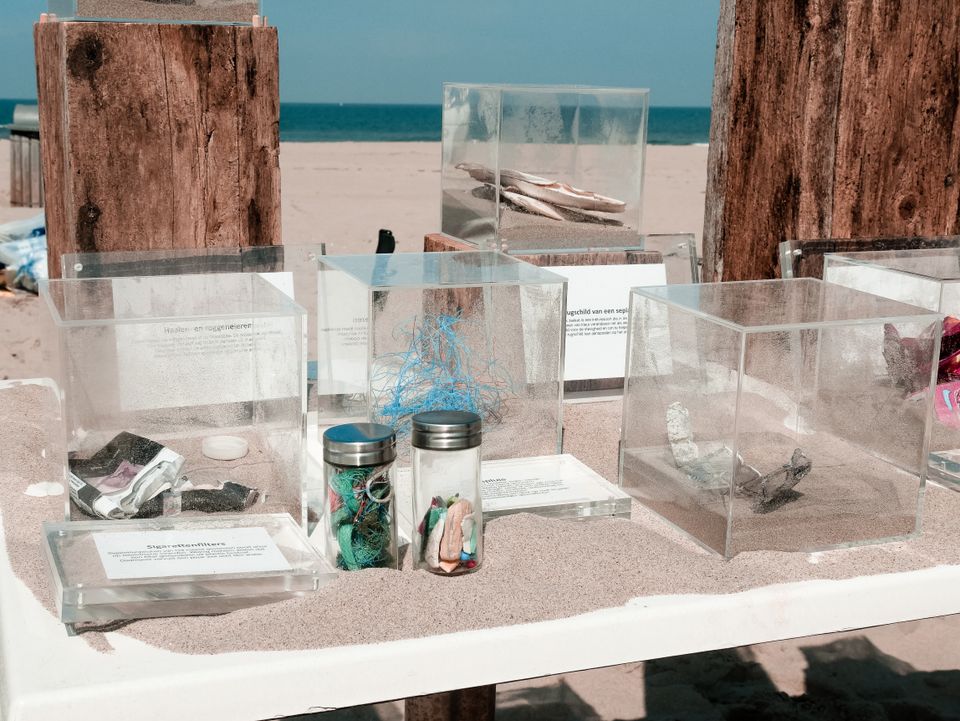
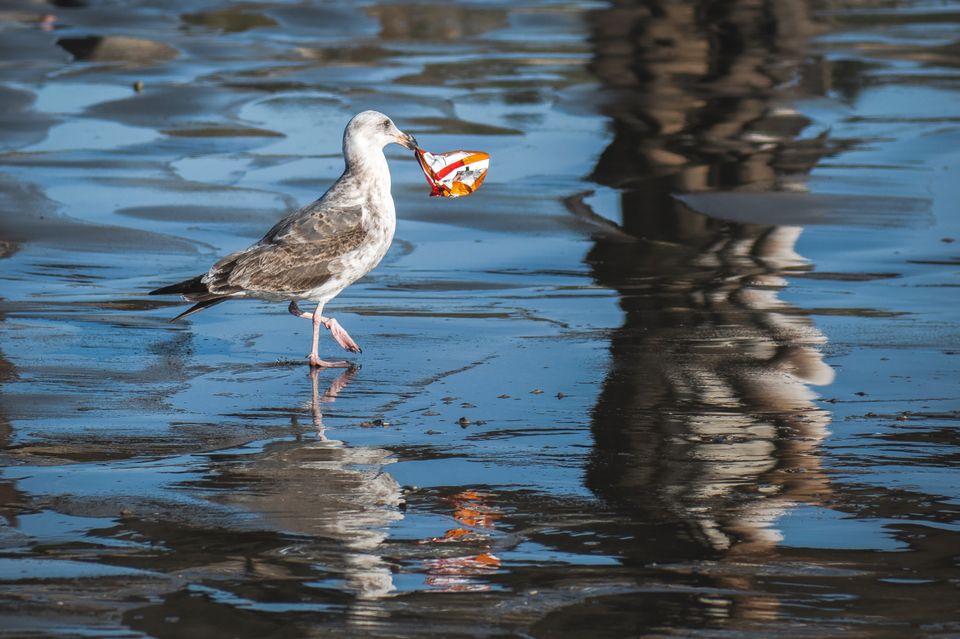
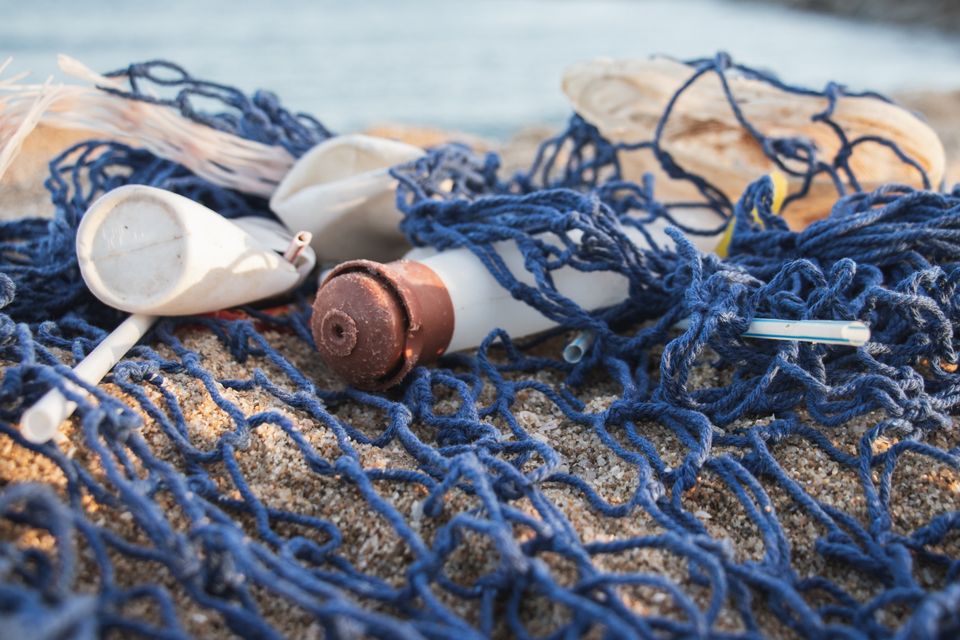
Curious, I ask what exactly are the consequences of marine pollution. "Right now, we see it mainly in the animals that live off and in the sea," Serena begins. "For example, 97% of petrels found dead have a hefty amount of plastic in their stomachs. They mistake it for food so they eat it. After this, they constantly feel full without getting nutrients. This is how they then die. Besides, everyone knows the images of animals entangled in pieces of plastic. Coincidentally, another seal was found here two days ago, completely entangled in a net. Over time, the net had started to grow in on him. Those are nasty things."
Serena continues: "What pollution will do in the long term is not yet entirely clear. But there is already so much microplastic found in the stomachs of fish that plastic has practically become part of our ecosystem. It also affects animal populations in the future by causing many of them to die from plastic ingestion. In addition, an 'unhealthy sea' can also no longer fully perform its function in the overall Earth system. For instance, the sea provides 50 per cent of the oxygen we breathe and is a key player in storing CO2 emissions." Wow. If more people realised this, we might treat the sea and beaches much more consciously.
Collecting cigarette butts - The beach is not an ashtray
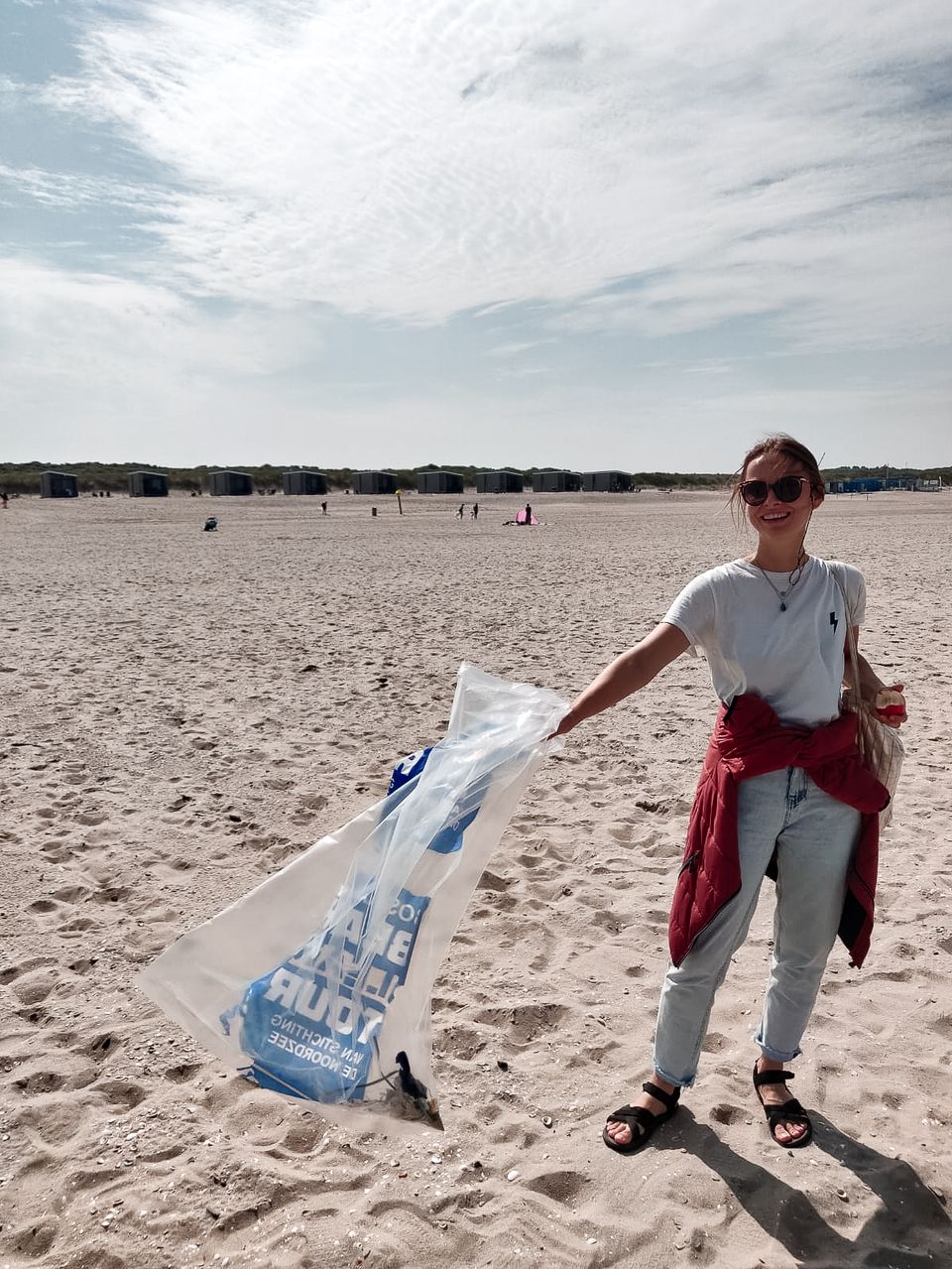
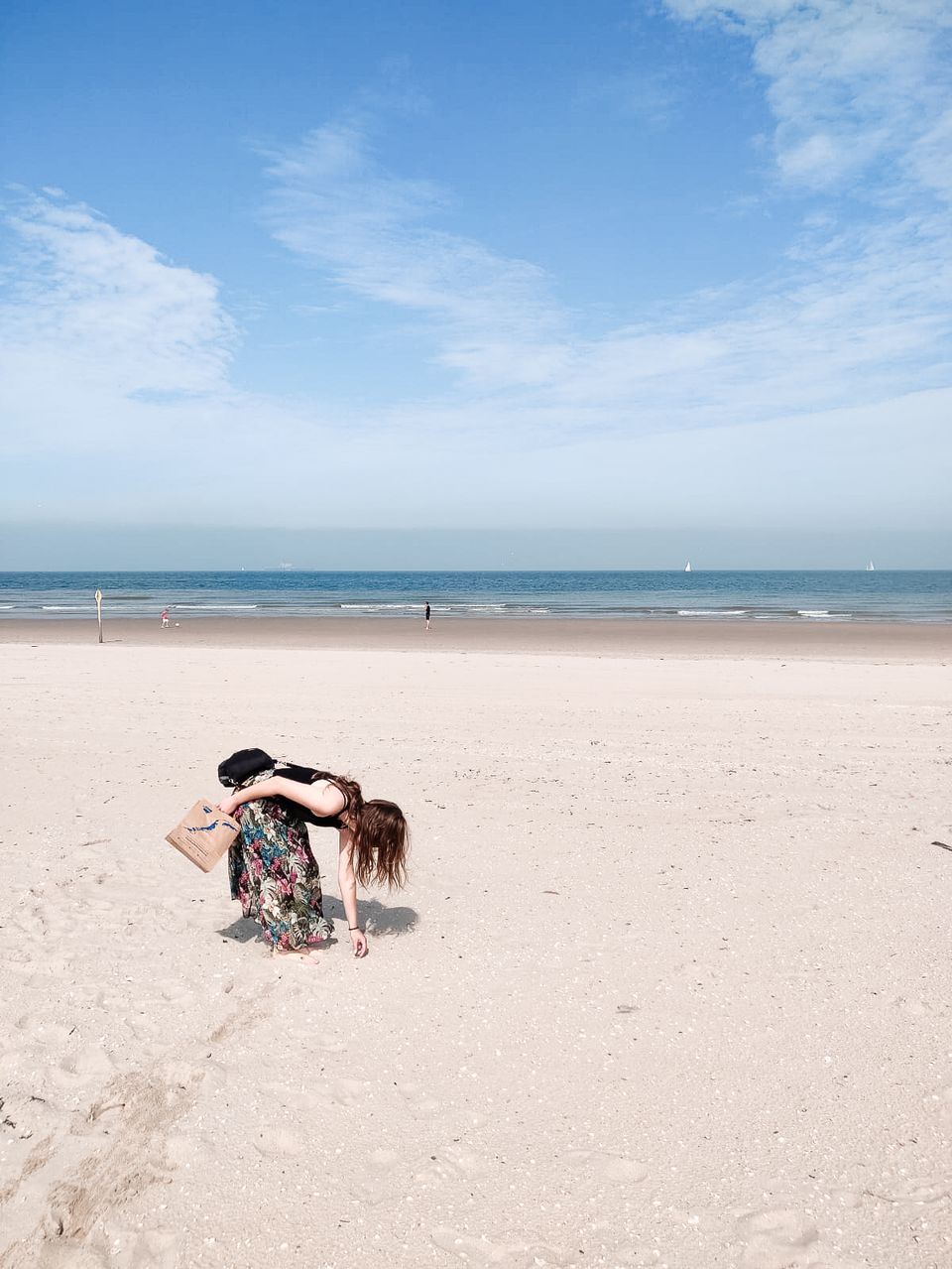
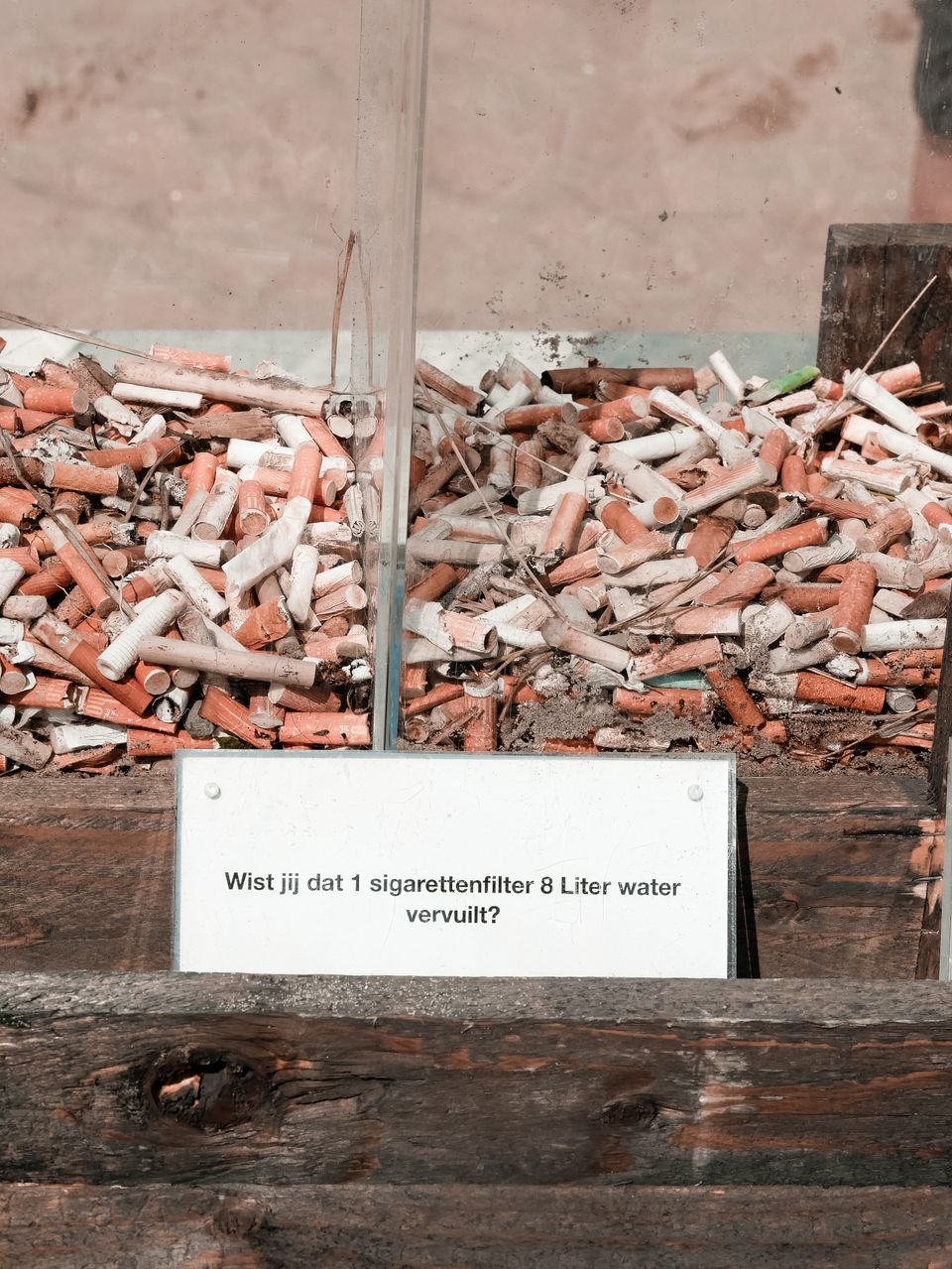
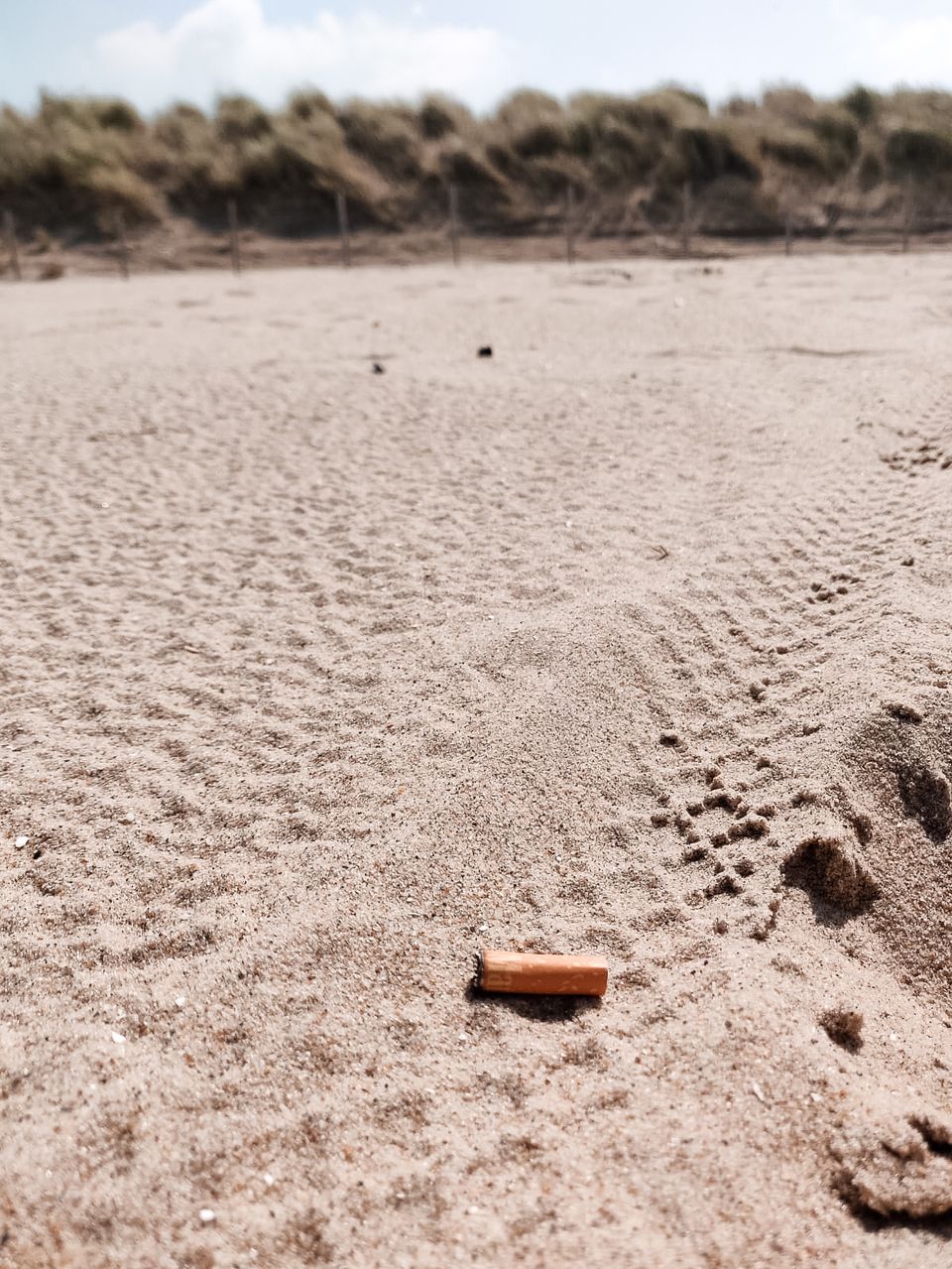
It is one o'clock in the afternoon when we return our rubbish bags to the North Sea stand. All in all, we did collect quite a lot of rubbish on this small stretch of beach. This year, the Boskalis Beach Cleanup Tour of The North Sea Foundation focuses in particular on cigarette butts. The beach is full of them and a cigarette is more harmful than you think. One cigarette butt pollutes as much as 8 litres of water. And to think that around 2,000 cigarettes are found per stage.... Obviously, this is a lot of litres of polluted water.
The final ranking of the Beach Cleanup - Thousands of cigarette butts and thirty-year-old plastic
A week after the Boskalis Beach Cleanup Tour of the North Sea Foundation, I am in contact with them about the final score. How much litter was eventually cleared and how many cigarettes were collected? I am incredibly curious.
The numbers are not bad. In 15 days, 4641 kilos of rubbish were removed from the North Sea beach. This included unusual finds such as Dutch crisp packaging from 1990 and a German margarine packaging from 1980 was also among the catch. These plastic containers from the last century that still litter our beaches are the perfect example of the persistence of plastic in nature. Plastic pollution must therefore be prevented on all sides, because this problem clearly does not solve itself overnight.
The final tally of cigarettes found also makes me pause. During the entire Beach Cleanup Tour, 57,772 cigarette butts were found - brace yourself - on the North Sea beach. The stage near the beach in Zandvoort takes the crown with a whopping 8039 cigarette butts collected in one day. And then to think how much damage one cigarette already causes to nature....
Thanks to the Boskalis Beach Cleanup Tour of the North Sea Foundation, the Dutch beach has been freed of thousands of kilos of rubbish, including tens of thousands of cigarettes. An action with great impact, in other words. I am deeply impressed and grateful that we with Honeyguide were also able to do our bit.
What you can do to help - Picking up rubbish for everyone
Have you been inspired to take action after reading all this? You can sign up for the Boskalis Beach Cleanup Tour of The North Sea Foundation every year. In addition, the North Sea Foundation can always use enthusiastic volunteers to help with beach clean-ups, organising events and spreading the word to municipalities, for example.
What else can you do against pollution in general? Just pick up litter when you walk somewhere. Spread the word: inspire others to be more aware of waste and nature. If you want to take it more seriously, join a tour like Plasticvissen in Amsterdam or Rotterdam, roll up your sleeves with Grondstofjutters or use litter from the beach to make souvenirs on Vlieland. For more inspiration, take a look at the Positive Impact Criterion Clean Oceans.
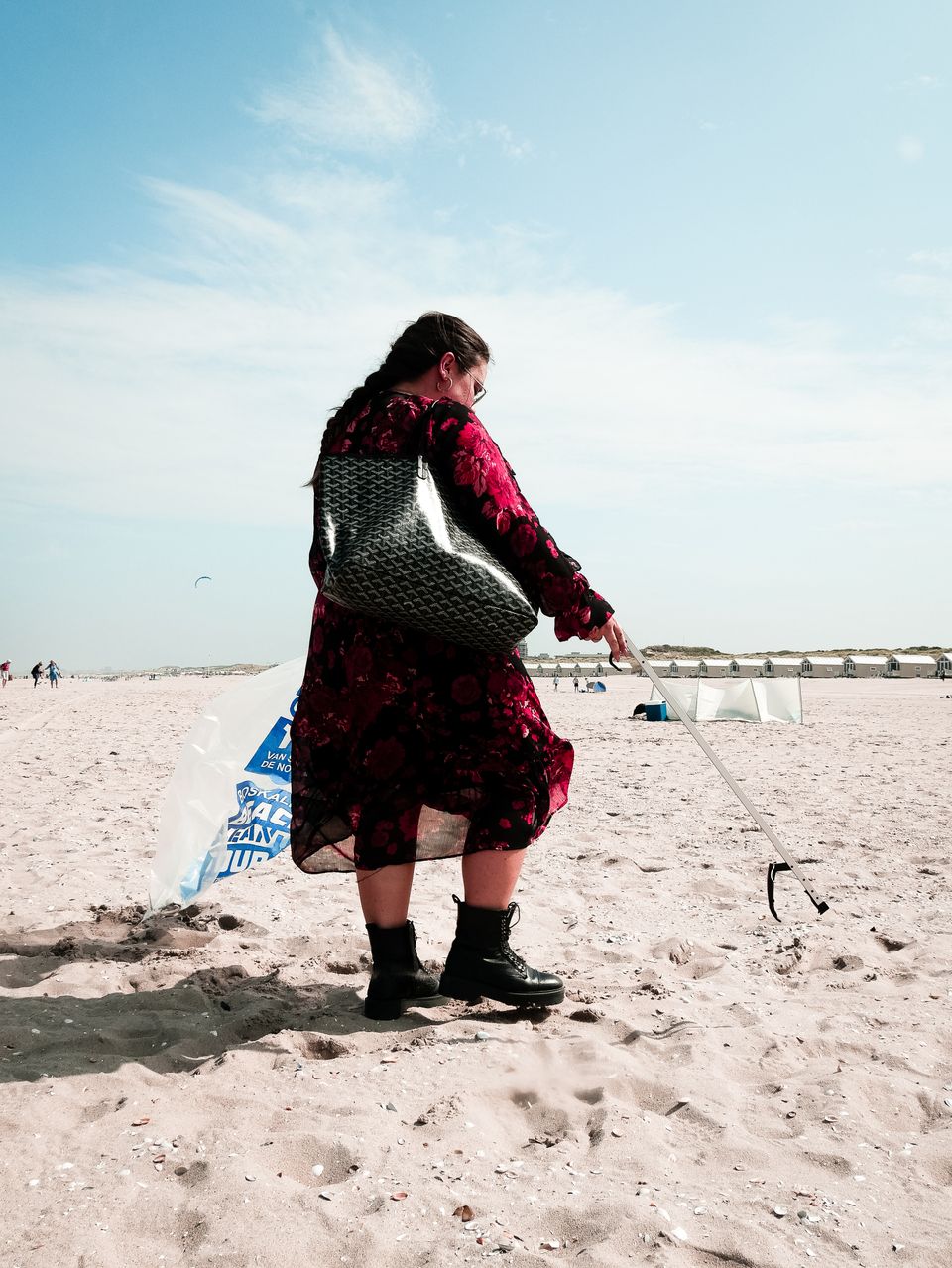
So there are plenty of ways to contribute to a clean North Sea. After the Boskalis Beach Cleanup Tour of the North Sea Foundation, I notice that I am increasingly scouring the ground outside for litter. Every little helps and I am happy to do my bit. What about you?
Love,
Laura
Most beautiful walking routes in the Netherlands - Read more blogs
-
Hiking in Laag Holland
Day two of the Kijk Luister Dijk Podcast walking route through Laag Holland. Read along in the adventure of Honeyguides Yalou, Femke and the Dijk.
-
Dutch Mountain trails: the highest mountains of NL
Honeyguide Brigitte goes on a mountain adventure in the Netherlands. She hikes the Dutch Mountain Trail in South Limburg.
-
Walk the bunker route in Goere-Overflakkee
Honeyguide Laura discovers stories from World War II at the Bunker Route on Goeree-Overflakkee. Walk with us?