

The importance of a good dike; the whole of the Netherlands is now talking about it after the floods in Limburg. And that while Honeyguide Femke and I were walking along the Markermeer dyke a few weeks ago, amazed at how undervalued dykes actually are.
Yes, every Dutch person knows we live below sea level, but that's about it. How often did you previously think about the danger of flooding? And a dike, how often did you walk over it carelessly, without recognising its value?
To that last question, I can only answer 'often'. Until I started listening to the stories of the Markermeer dyke, which came to me via a podcast while Femke and I spent two days walking along the dyke between Uitdam and Etersheim.
The Kijk Luister Dijk - podcast on location
The Markermeerdijk is about 45 km long. Between Amsterdam and Hoorn, it protects the area behind it, known as Laag Holland. Thanks to this dike, Purmerend could grow into the city it is today and we can still walk through villages like Monnickendam, Edam and Volendam.
The dike appears to be peaceful, but that has not always been the case. Over the centuries, it experienced all kinds of things and built a special bond with its inhabitants. You can listen to those stories with the Kijk Luister Dijk podcast on location. At 14 points between Amsterdam and Hoorn, the Dijk takes you through very diverse events via short stories.
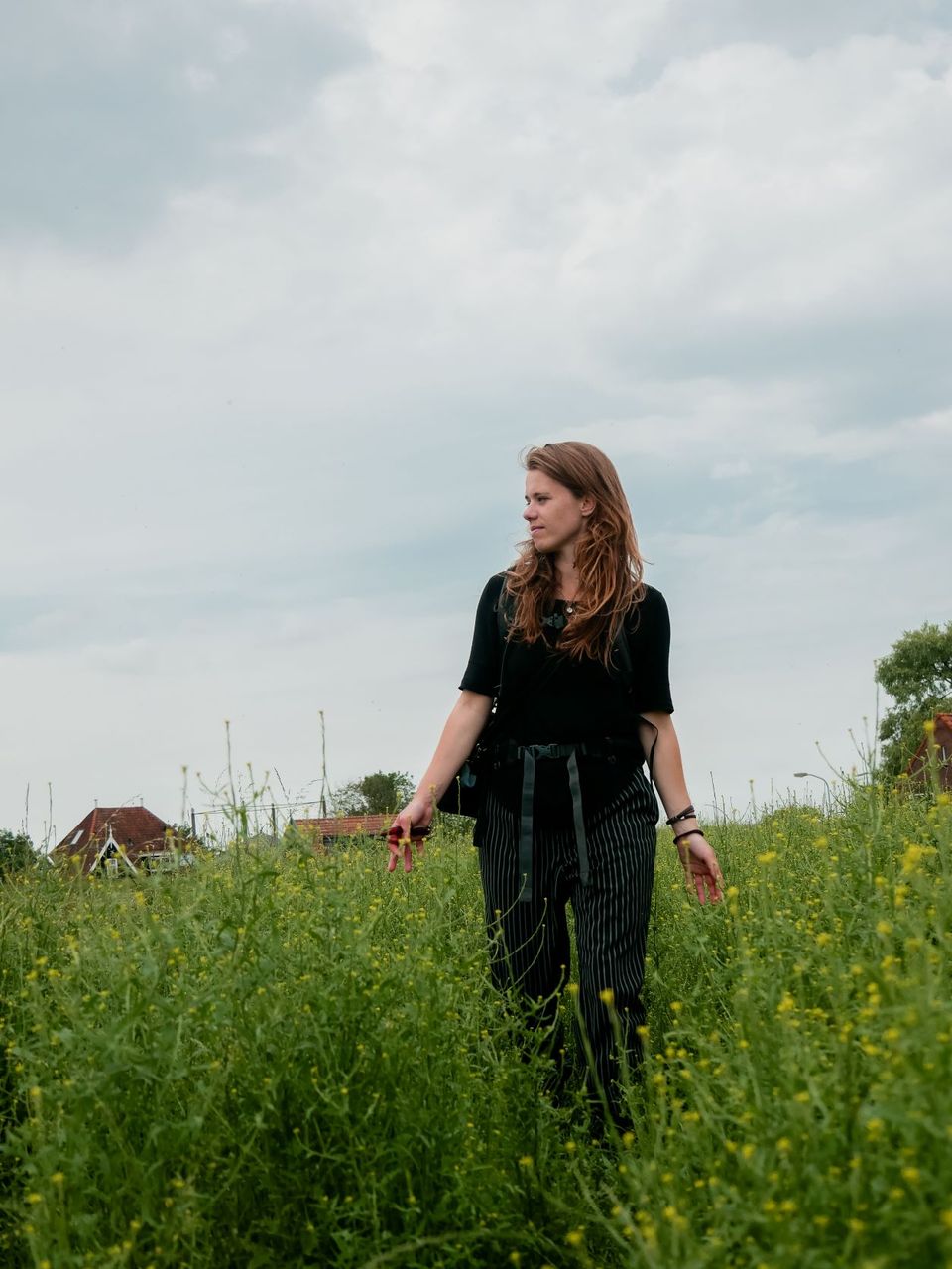
The Markermeer dyke - allow me to introduce
Especially for Honeyguide, I asked de Dijk to introduce himself. After all, he can tell stories so beautifully.
"Between Amsterdam and Hoorn I lie, The Markermeerdijk, but you can call me Dijk. For over a hundred years now, I’ve been doing my very best to keep the people of Laag Holland’s feet dry. In the past, the Zuiderzee used to crash wildly against me; now the Markermeer and the Gouwzee just tickle my side. It’s a long story, and I’d love to tell you more about it if you come and visit me. Until then, you can read the story of two of your Honeyguide ambassadors who recently walked along my back. Yes indeed, they explored the Dike Route from Uitdam to Etersheim, listened to my stories and I listened to theirs. What a pair of chatterboxes.”
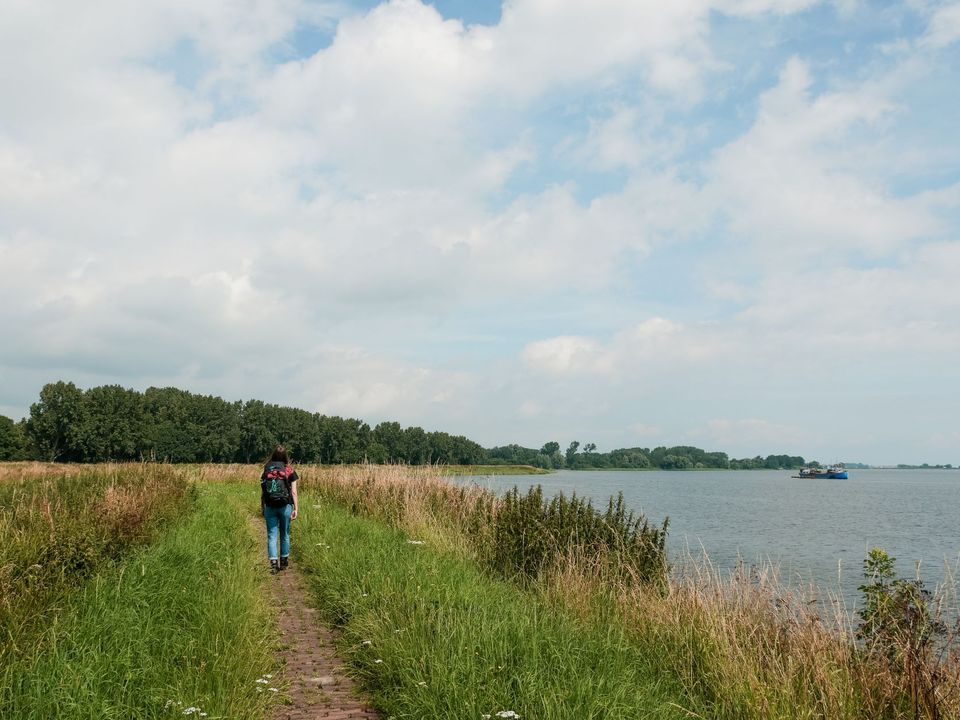
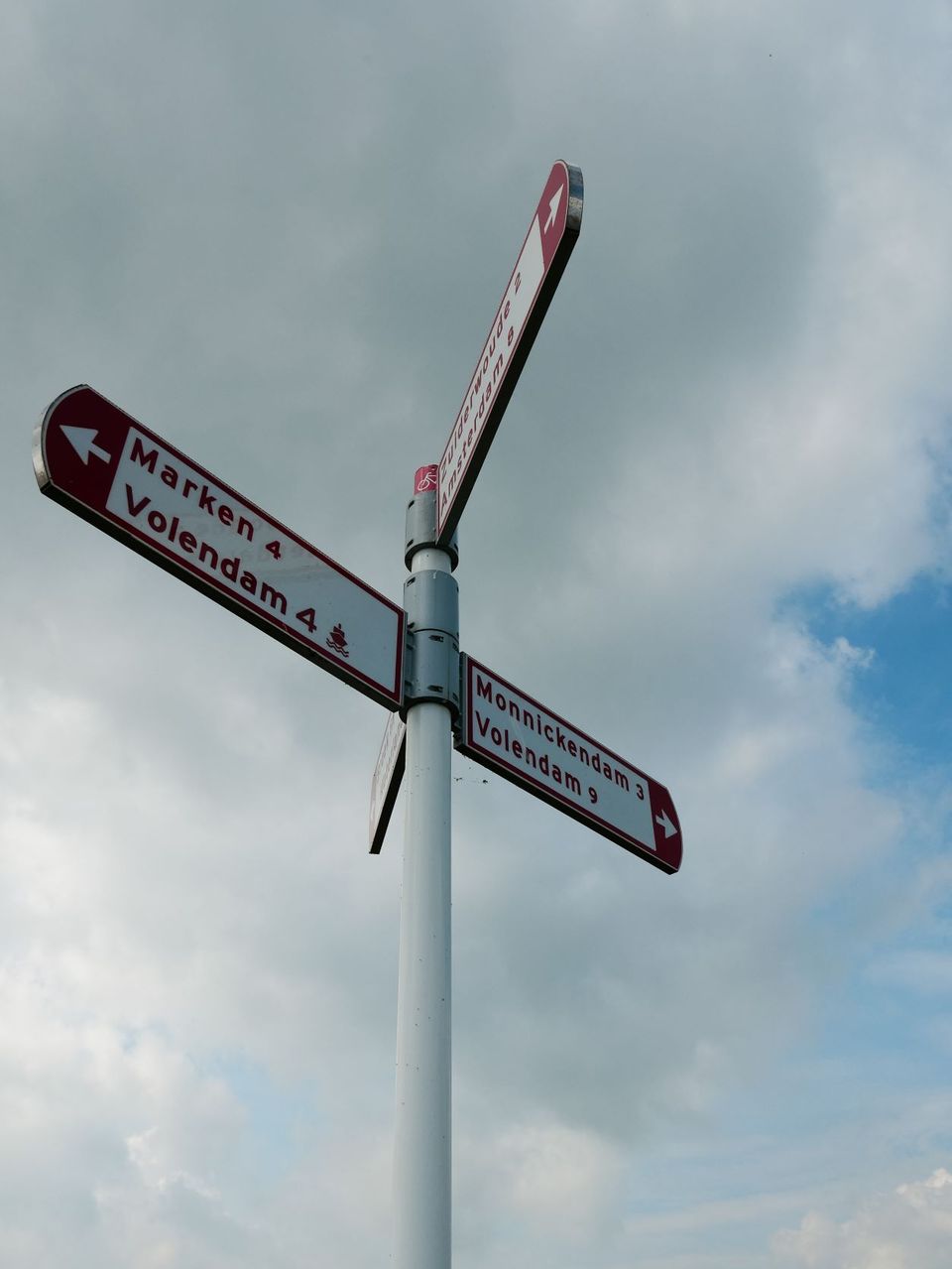
Day 1: Uitdam - Volendam - 15km walking along the water
Femke and I are both keen walkers. Together we already walked part of the Gelukkigerwijs Pelgrimspad in Utrecht and when Bureau Toerisme Laag Holland invited us to explore the Kijk Luister Dijkroute, our bags were quickly packed. On the first day, we walked from Uitdam via Monnickendam to Volendam
Walking from Uitdam to Monnickendam - Start podcast walk
The route officially starts in Durgerdam. A picturesque village just above Amsterdam. For us, that was difficult to reach by public transport, so we left the first ten kilometres and started with a cup of coffee at EuroParcs Resort Poort van Amsterdam. From the terrace, we overlooked the marina and the old Dutch-style cottages. The sun is shining. It is warmer than the weather forecast made us promise and we are grateful for that. If you have time and fancy the longer route, you can start in Amsterdam Noord at bus stop Liergouw.
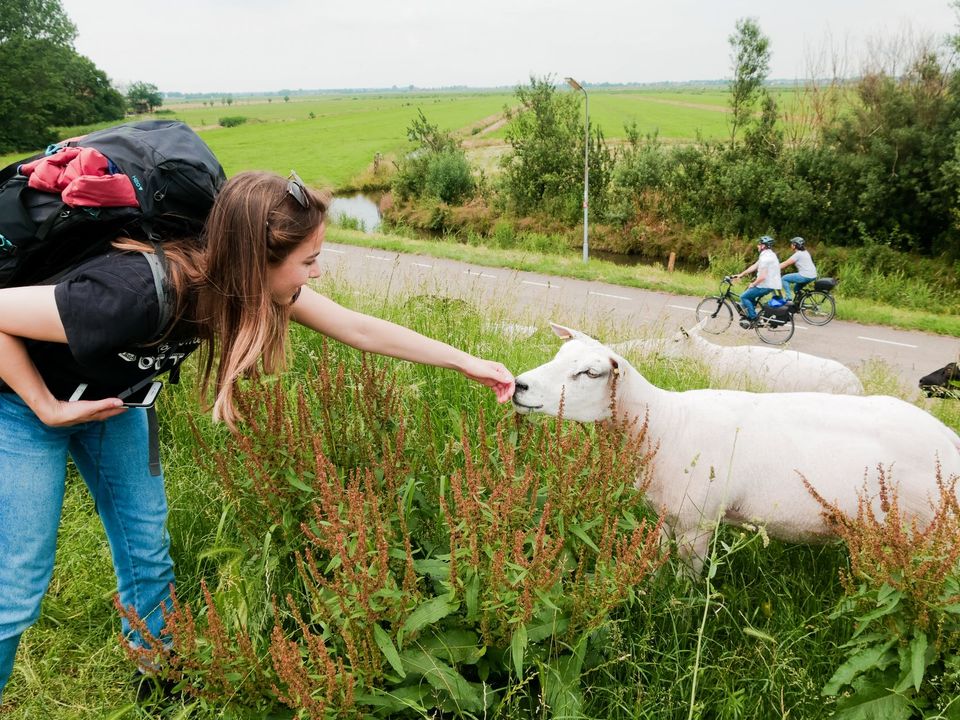
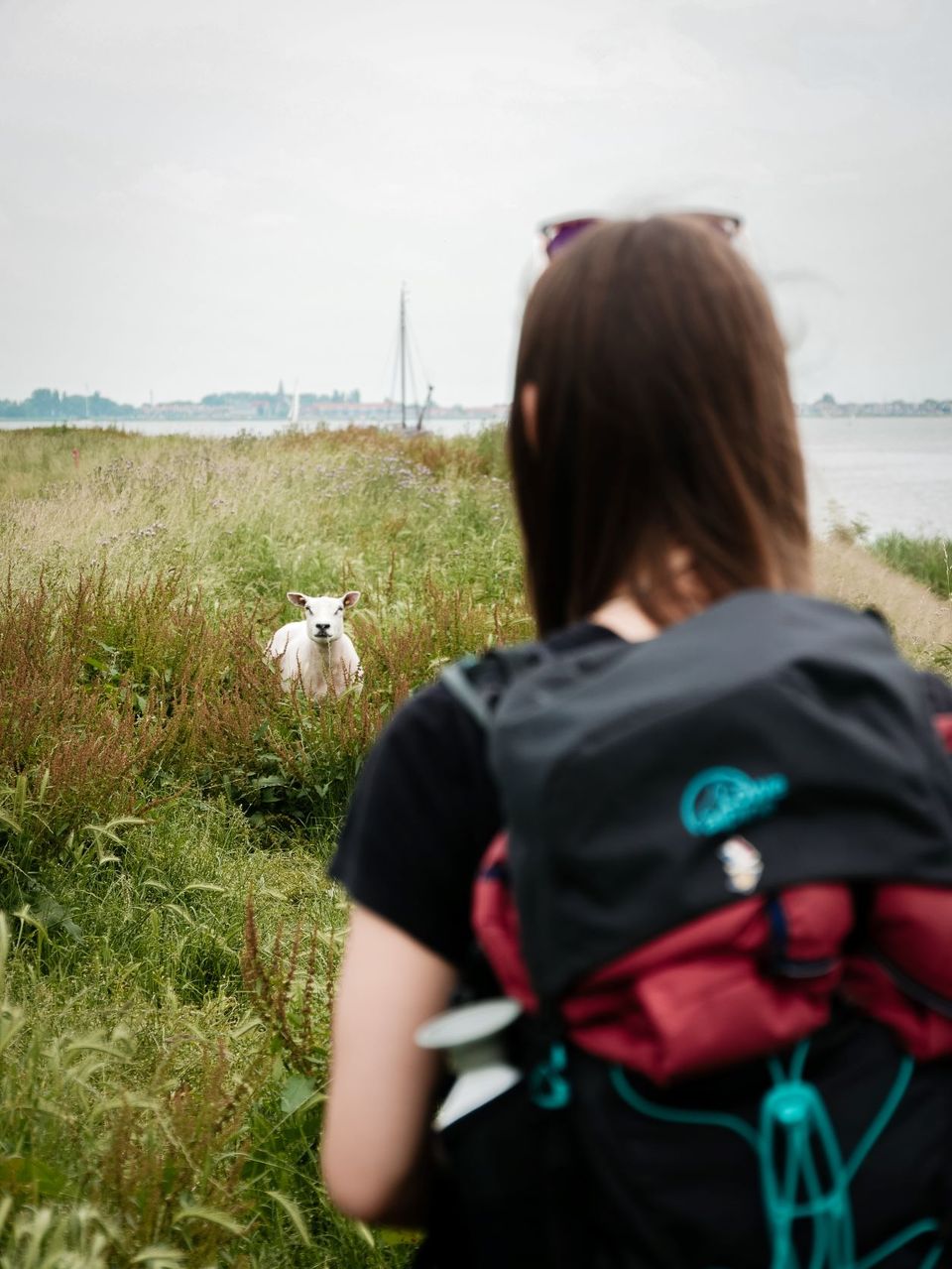
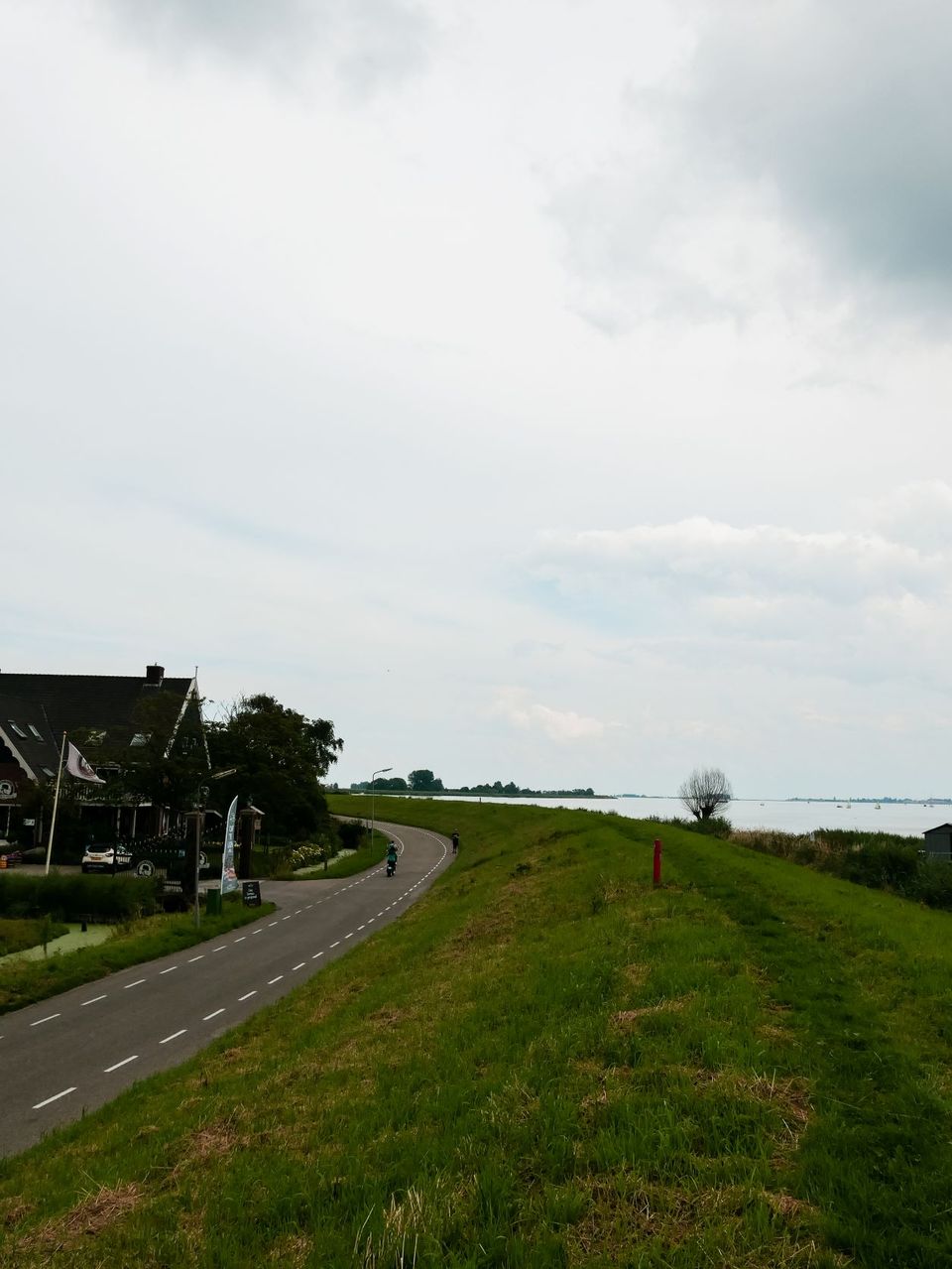
The first five kilometres fly by. On the one hand, we look out over the Gouwzee and on the other over the characteristic polder landscape of Laag Holland. Green meadows with cows and sheep alternate with ditches and farms. Many people explore the area on electric bikes, and on the dyke we sometimes pass local residents walking their dogs.
De Dijk talks to us about his bond with water, people and, in this episode of the Kijk Luisterpodcast in particular, about his bond with animals. He spots birds on either side, bunnies hopping around in the grass and the ring snakes that make grateful use of his cracks and crevices in winter. Femke and I laugh about the Dike. With the Dike. It's fun to hear the stories from his particular perspective as we quietly stroll on to our lunch spot in the meantime.
Lunch at Strandvier - Walking through Monnickendam
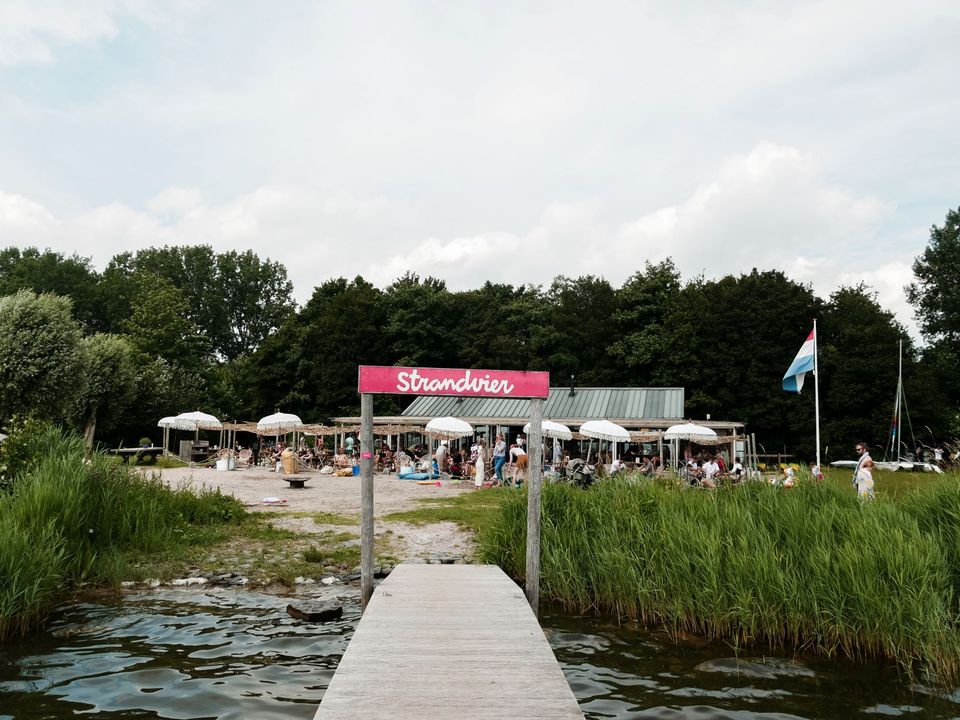
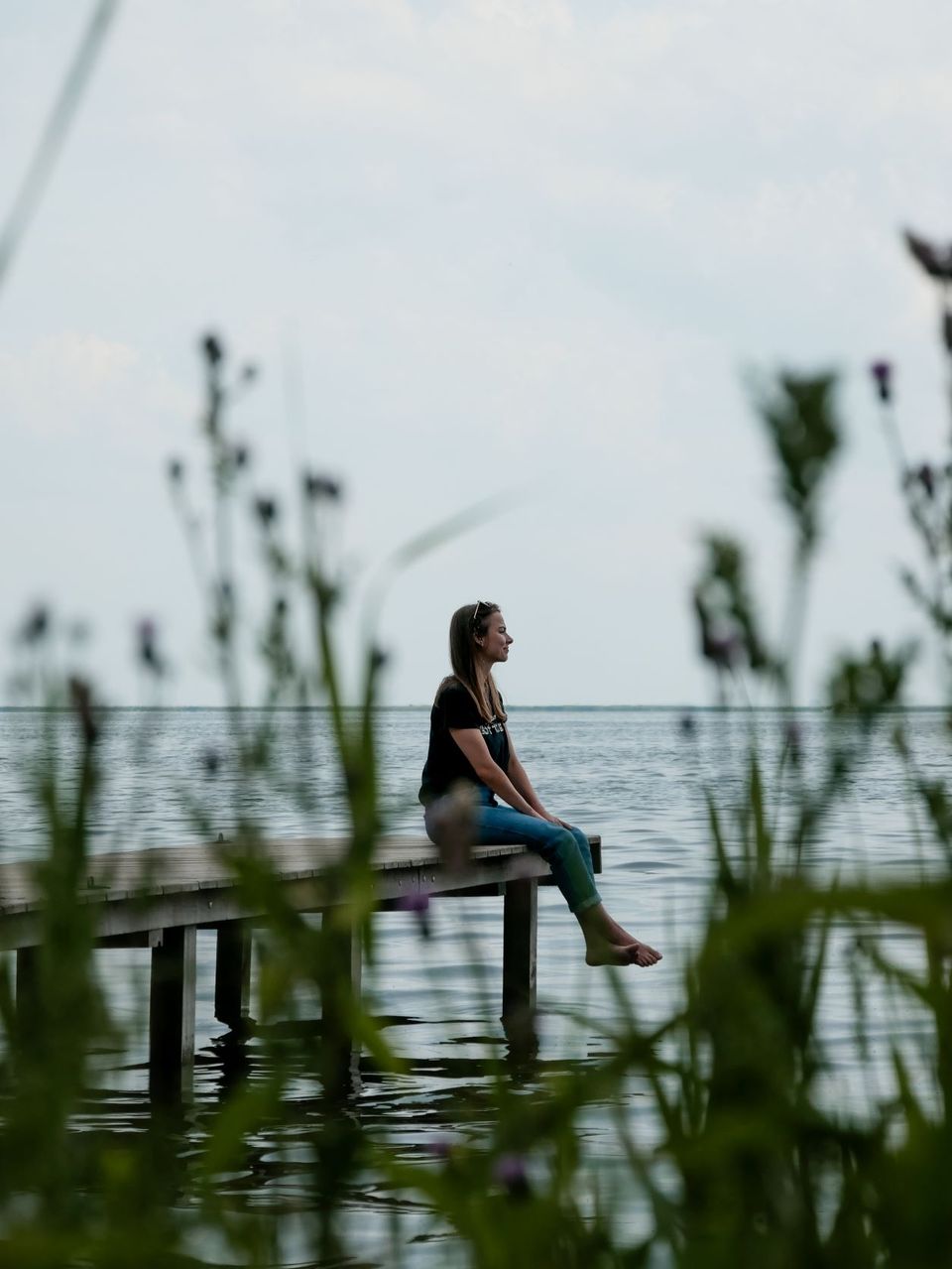
The sun is still burning brightly in the sky when we arrive at Strandvier. Hidden in a wooded area, there is suddenly a beach pavilion where you would prefer to hang out all day. Our feet find refreshment in the water while we quietly wait for a table to become available. If only I had packed a swimming costume after all!
Once in the beach chair, we are treated to a delicious vegan avocado sandwich and watch the kids playing on the beach. Despite being quite busy, there is also a relaxed atmosphere in which we gratefully rest. However, we have only just started and since the sun will not stay shining all day, we buckle our bags again after lunch and walk to the centre of Monnickendam.
The nice thing about this route is that I will finally visit the places that everyone knows by name; Monnickendam, Edam, Volendam. The dams that are so close to my hometown of Amsterdam, but where I have never been myself. We stroll leisurely through the cute little streets of Monnickendam and before we know it, we are out of the village. On to Volendam!
Walking to Volendam - From sea to lake
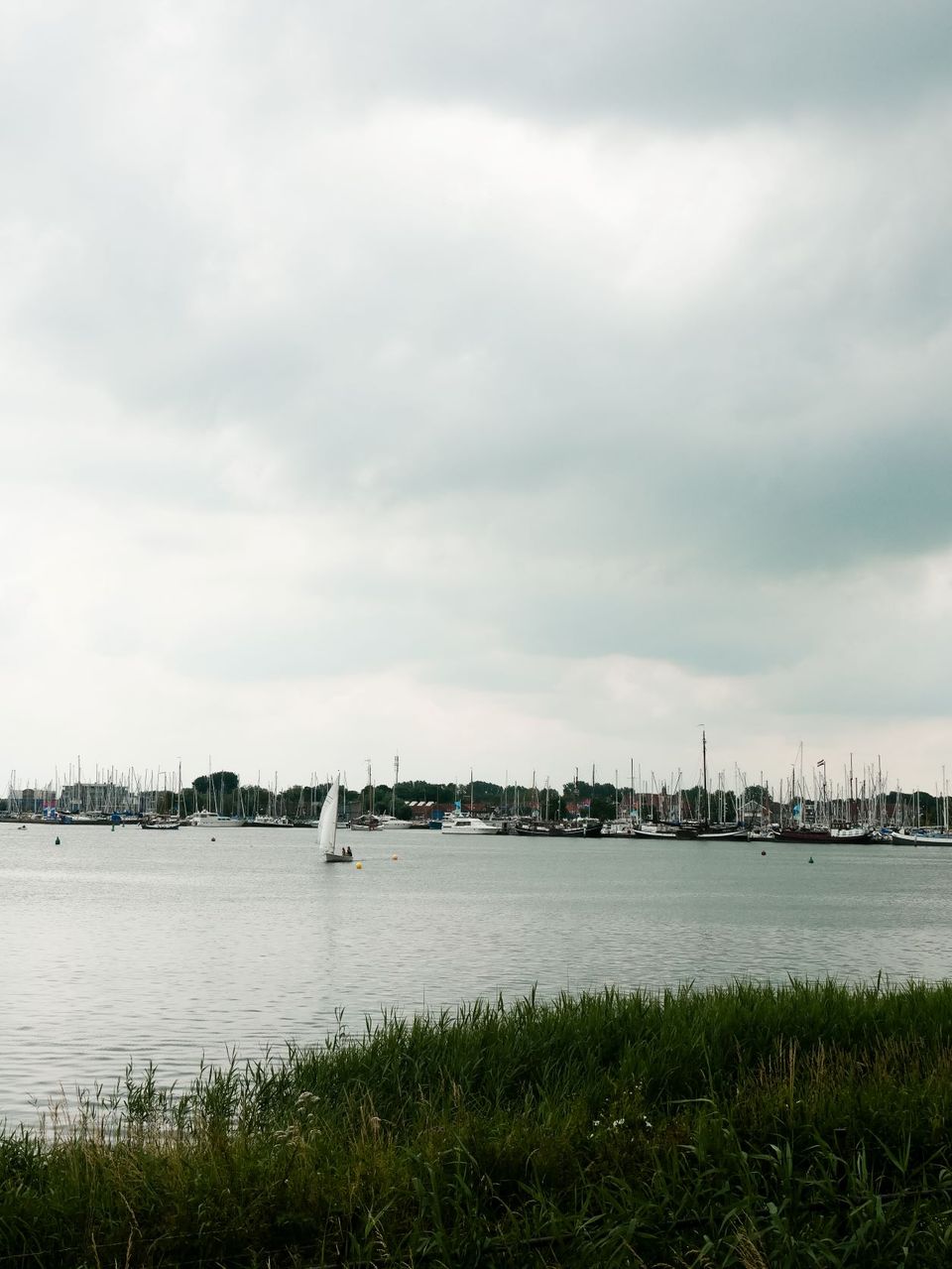
On the dyke near Katwoude, we look out over the Monnickendammergat, with Monnickendam harbour in the distance. Many masts sway back and forth on the rippling water and seem to wave at us from afar. On the hole, windsurfers are busy and fishermen are anchored. We stroll on quietly while listening to another story from the Dike.
A serious story, about Dijk's last major breach in 1916. Dike tells how the water was before him as always, but then suddenly also behind him. As far as he could see. All the way to present-day Amsterdam North. He did not manage to complete his task and that had major consequences for the inhabitants of Laag Holland.
While listening to the story, I try to imagine what it would be like if everything were under water. The power of water is immense, but now, with the sun reflecting on the surface, it is hard to imagine.
Dijk tells us how people came up with a plan to tame the sea, which was in the middle of the country: the plan to reclaim the area with the Afsluitdijk, designed by engineer Cornelis Lely, took off. Dike received help in its task of protecting the inhabitants of the Netherlands from wet feet. On 20 September 1932, the Zuiderzee was officially a thing of the past. Salt water became fresh water. The sea became a lake. Life in it and around it; totally different.
Femke and I look at the calm lake in front of us with different eyes. We continue walking along the dyke. The first predicted rain clouds loom in the distance.
Special stays in Volendam - Hotel Spaander
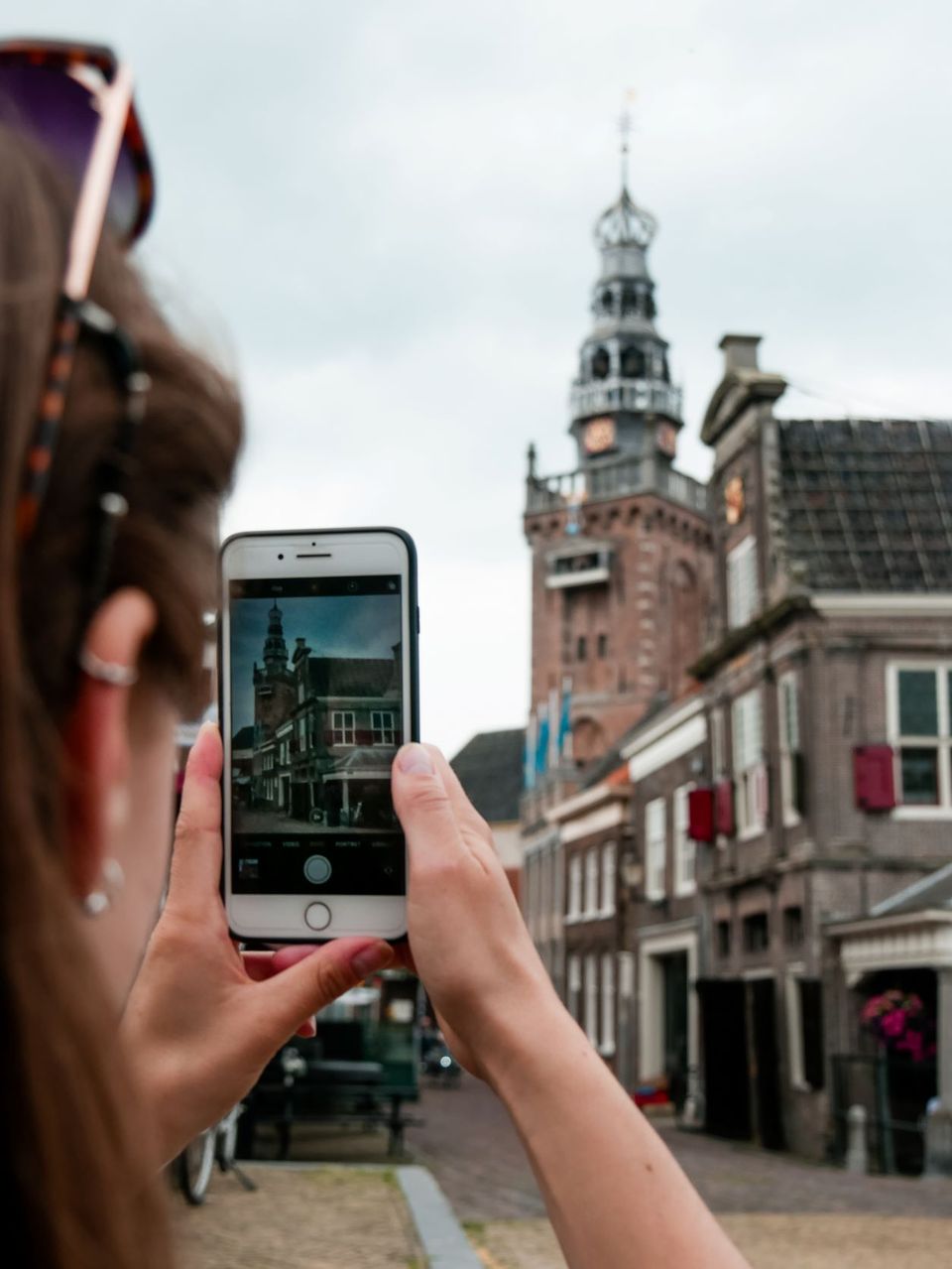
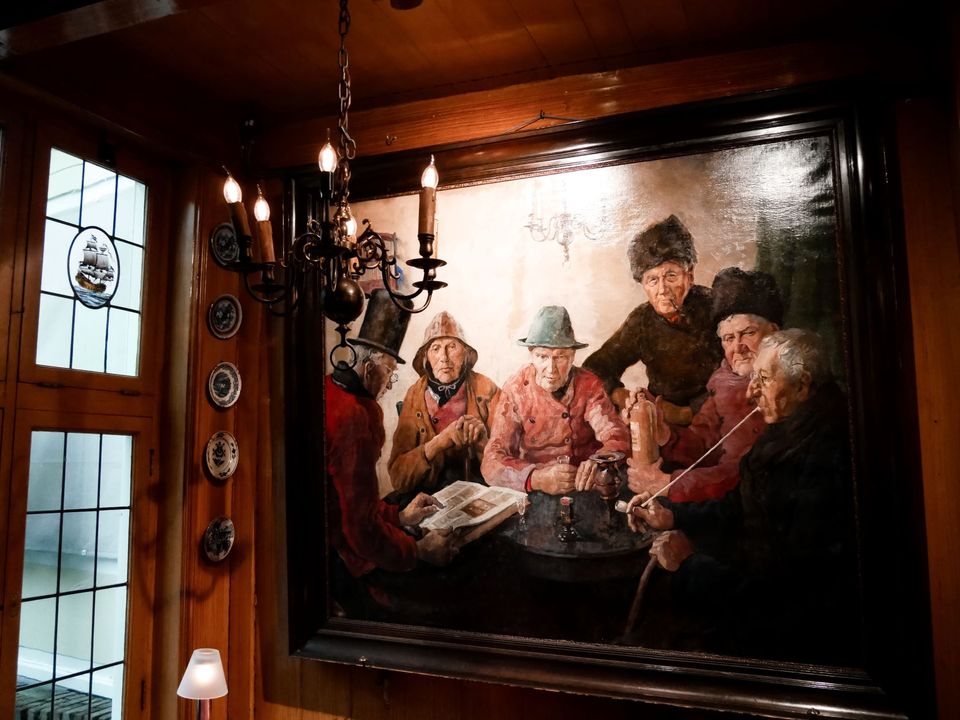
Fortunately, we arrive dry in Volendam. We check in at Hotel Spaander. A special hotel where you feel as if you have gone back in time when you enter. Mr Spaander founded this hotel in 1881 (!) on the Volendam harbour. Here, he invited artists from all over the world to come and paint in Volendam.
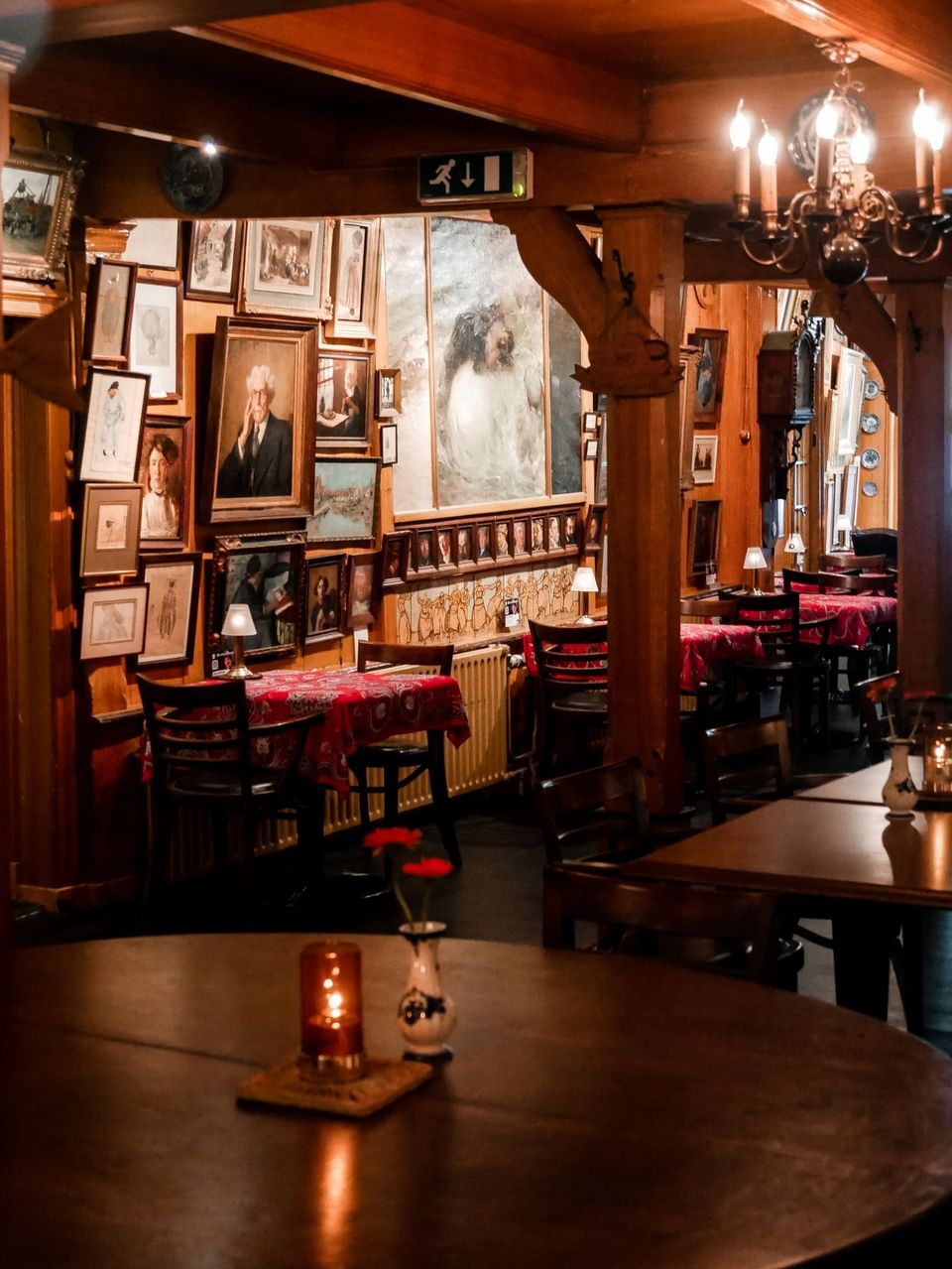
The sea, the landscape of Laag Holland and of course the Volendamse Klederdracht were a special source of inspiration for the artists. As thanks for their stay, many of them donated paintings to the hotel, which can still be seen today. The brown cafe creaks as you walk through it and surrounds you with works of art. With a little imagination, I can still see the grandmasters sitting here. I hear them laughing and imagine their attempts at decorating Mr Chips' daughters.
The hotel now has a collection of more than 1,400 works and has also expanded considerably since 1881. From luxury rooms, to cosy studios and the old heritage room. Something for everyone and believe me, you won't get bored walking through the corridors.
After a well-deserved dinner at Restaurant Pieterman, we take a last stroll through the main street of Volendam. Our feet are tired, our stomachs well-filled. Fulfilled, we enjoy our room with a view of the Gouwzee. Tomorrow morning we leave again for the remaining walking route of the Kijk Luister Dijk walk in Laag Holland.
Love,
Yalou
Most beautiful walking routes in the Netherlands - Read more blogs
-
Hiking in Laag Holland
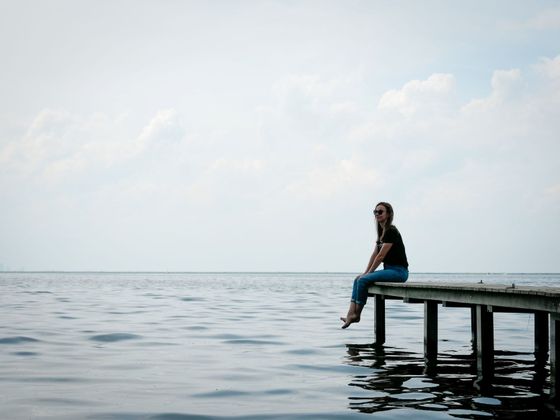
Day two of the Kijk Luister Dijk Podcast walking route through Laag Holland. Read along in the adventure of Honeyguides Yalou, Femke and the Dijk.
-
Dutch Mountain trails: the highest mountains of NL
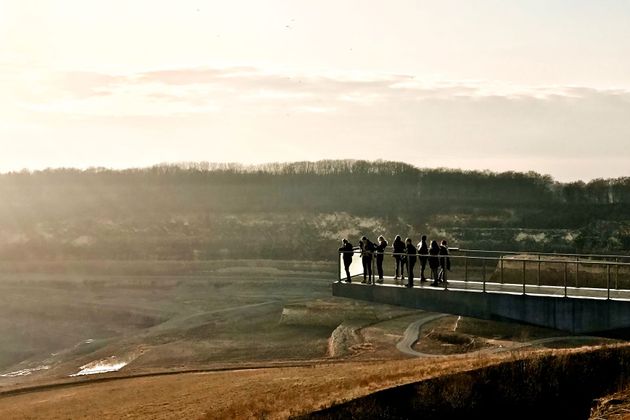
Honeyguide Brigitte goes on a mountain adventure in the Netherlands. She hikes the Dutch Mountain Trail in South Limburg.
-
Walk the bunker route in Goere-Overflakkee
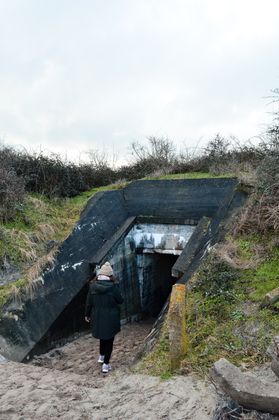
Honeyguide Laura discovers stories from World War II at the Bunker Route on Goeree-Overflakkee. Walk with us?