

Honeyguide Cathe follows the route taken by Catholics in Haarlem from the 16th century onwards. Indeed, the streets of this city have a rich, hidden history with hidden churches that still serve an important function today. Discover Haarlem's hidden places and history with this route.
Grote Bavo Church - Address: Grote markt 22
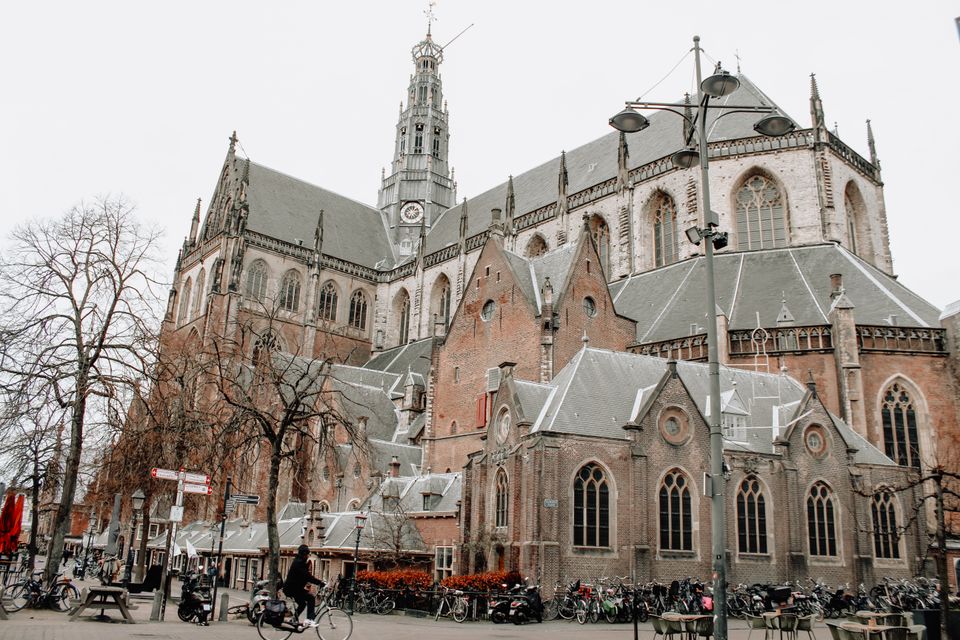
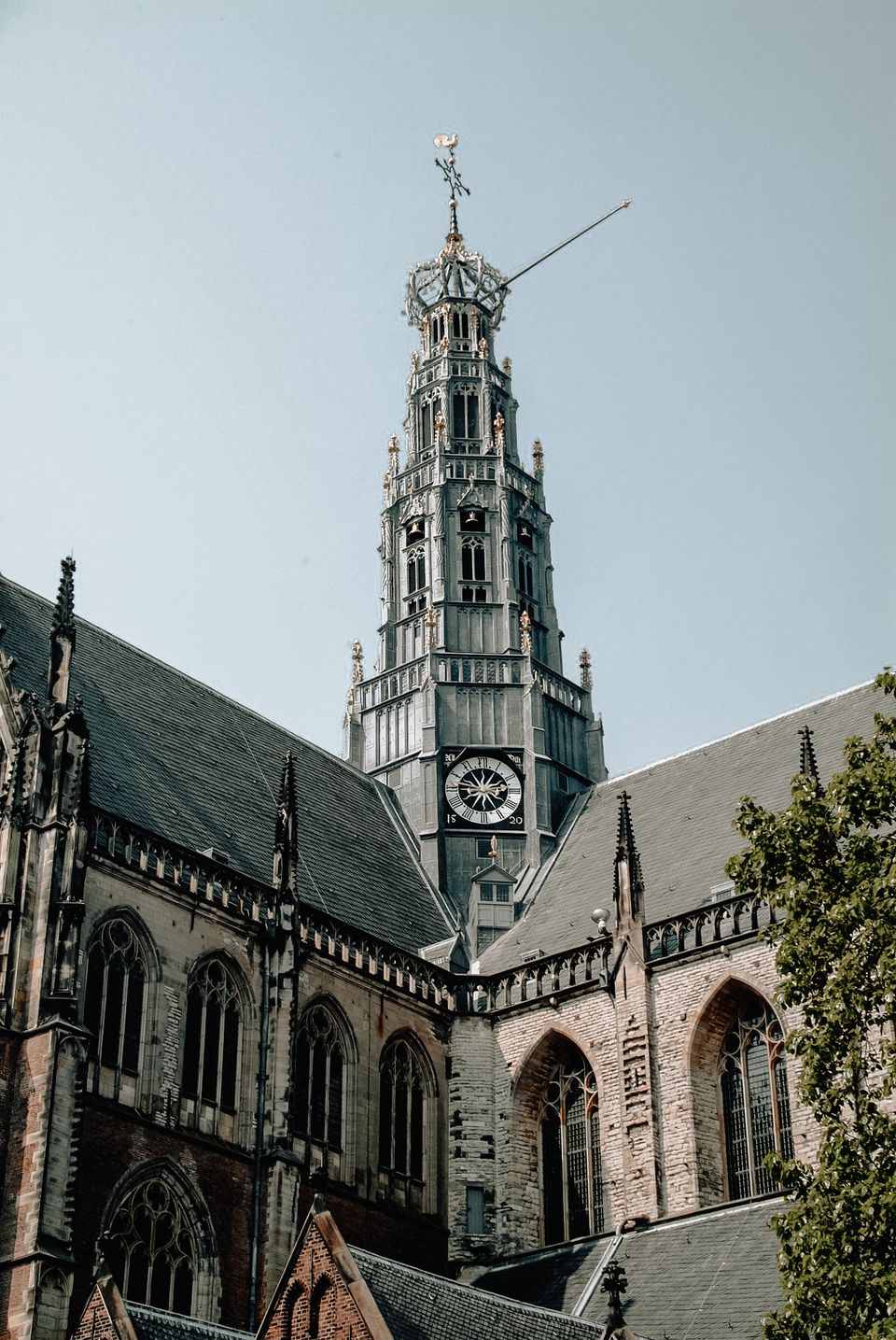
My route starts at the Grote Bavo church on the market square. This used to be a Catholic church, but after the Reformation in the 16th century it was taken over by Protestants. The Catholic faith was banned: the bishop was expelled and all monasteries had to close their doors. Until shortly before this, just the opposite was the case: then Protestants were burned at the stake by order of Rome for practising their faith.
So after 1581, the Protestants, who called themselves the Reformed and Public Church, dominated, because this was the only religion that could be practised openly. During the iconoclasm in 1566, Protestants painted Catholic churches in Haarlem white and statues were destroyed, as worshipping statues was considered idolatry in the eyes of Protestants.
Catholics did continue to practise their faith in secret. This was often done outside the city at night. There were then different currents of Catholic communities who came together to still worship God in their own way.
The St. Anna Hiding Church - Address: Bakenessergracht 33 (Kokstraat 11)
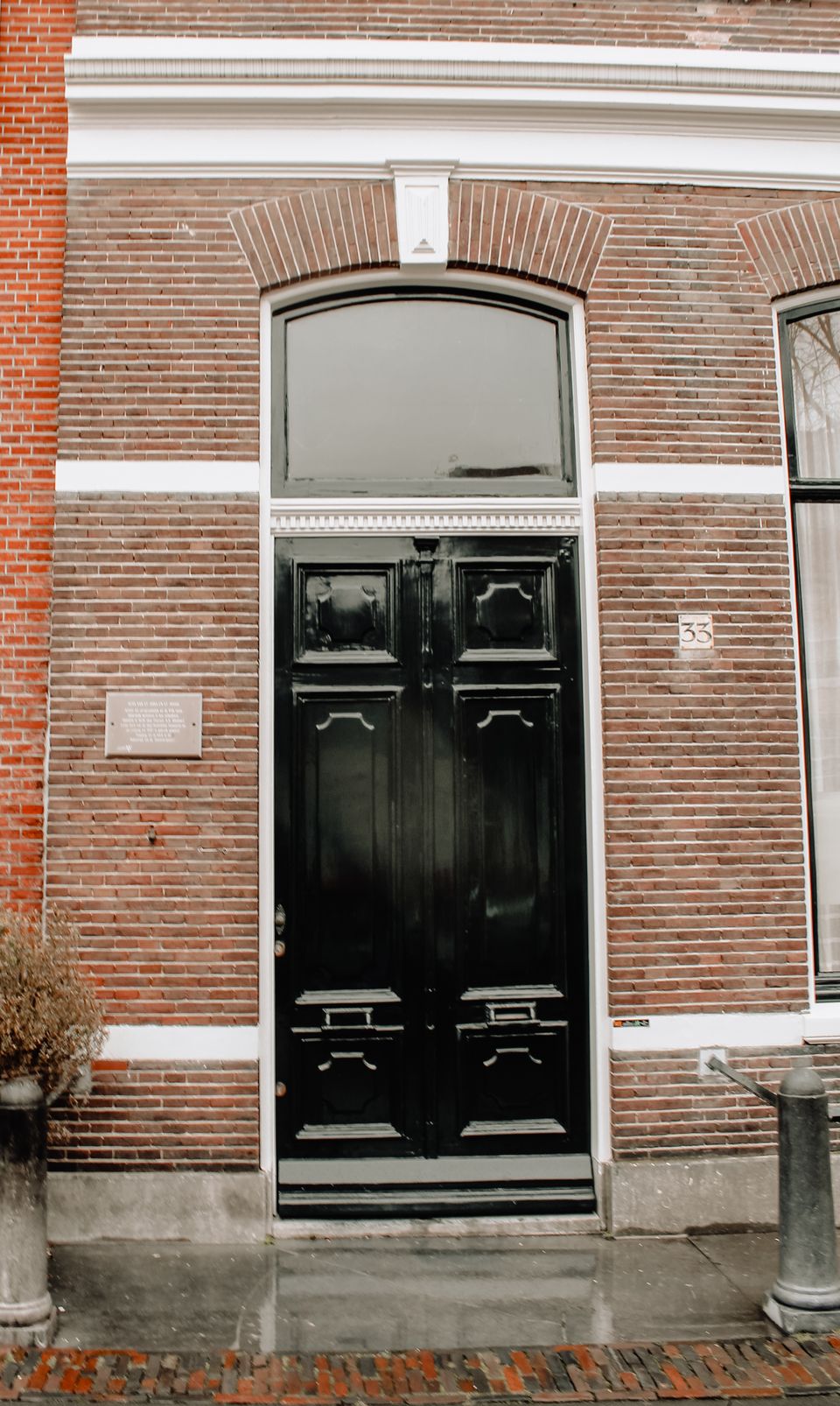
Nevertheless, a more permanent solution had to be found, which is why the Catholic shelter churches were set up. These shelter churches are located in ordinary houses, so from the outside you cannot see that there is a church there. The first hideaway church I go to is the St Anna hideaway church at number 33 Bakenessergracht.
When I arrive here, I am surprised at how inconspicuous it actually looks from the outside. You certainly wouldn't say there is a hidden church behind these doors. Yet it is.
Pastor Alstenius Bloemaert was the man behind this hidden church on Bakenessergracht. He secretly started converting a house. From the outside it looked like any other house, but inside it is like a church. Complete with organ and communion pews.
Hidden entrance
The entrance to this hidden church was not on the street side. After all, the church was strictly forbidden and so you could sneak in via Kokstraat number 11. The door that was there then is still there.
The door at number 33 is a door leading to the hidden church, but not the main entrance. If you stand in front of number 33, you can enter an alley to the right of the house, here you can still see the old door at number 11. This church was called St Anna, probably after a sign on the facade. If you keep walking down the alley you can turn left into Bloemertstraat (named after the pastor). This used to be St Mary's. However, no door of this can be seen anymore. When it was closed in 1779, only the attic of St Anna church was used.
Churches of refuge during the war
What I discovered when I delved into the history of Haarlem's hidden churches is that these churches turned out to be useful to Haarlem residents much more often. This was the case during the Second World War. At the time, the underground churches housed a resistance radio, which kept them in good contact with the British in London. Which was incredibly important for the freedom of our little country.
Another fun fact is that the French philosopher Descartes temporarily lived in Pastoor Bloemaert's house. Descartes laid the foundations for the 17th-century movement of rationalism. One of the great figures in the scientific revolution. During his stay in Haarlem, he was portrayed by the now famous painter Frans Hals.
Church of refuge on the Grote Houtstraat - Address: Grote Houtstraat 43 (Frankestraat 24)
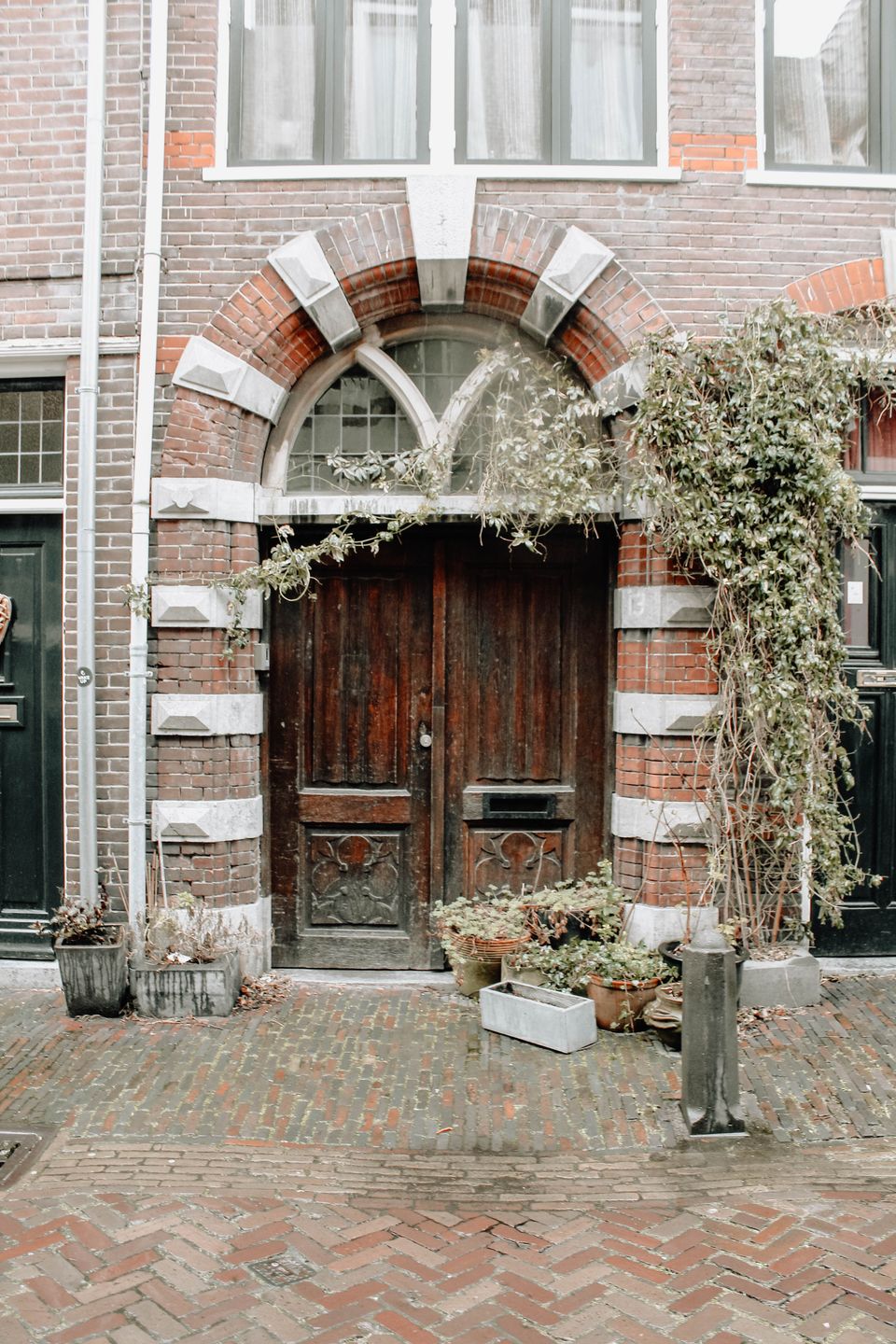
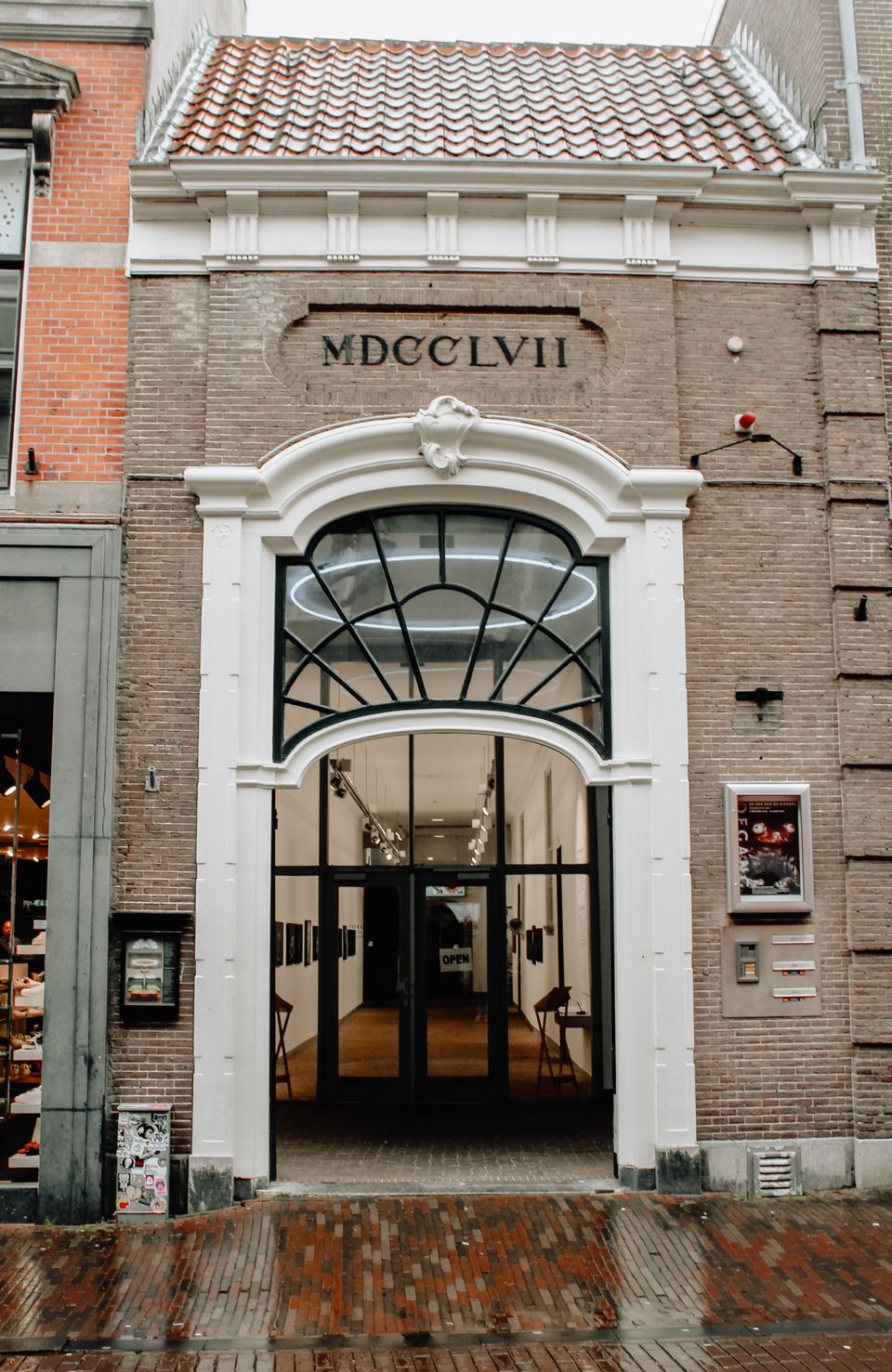
My journey continues to the next hidden church, which I found by delving into the archives. In fact, the hidden church on Bakenessergracht was certainly not the only hidden church in Haarlem. In fact, if you walk down Grote Houtstraat you will come across another one. This church also has its main entrance somewhere else, but it does have a door on the street side.
Unlike the door on Bakenessergracht, this one is slightly more decorated. Despite being forbidden, this door was allowed to be on display and yet was turned a blind eye. The Dutch tolerance policy was already there in those days!
Hidden entrance
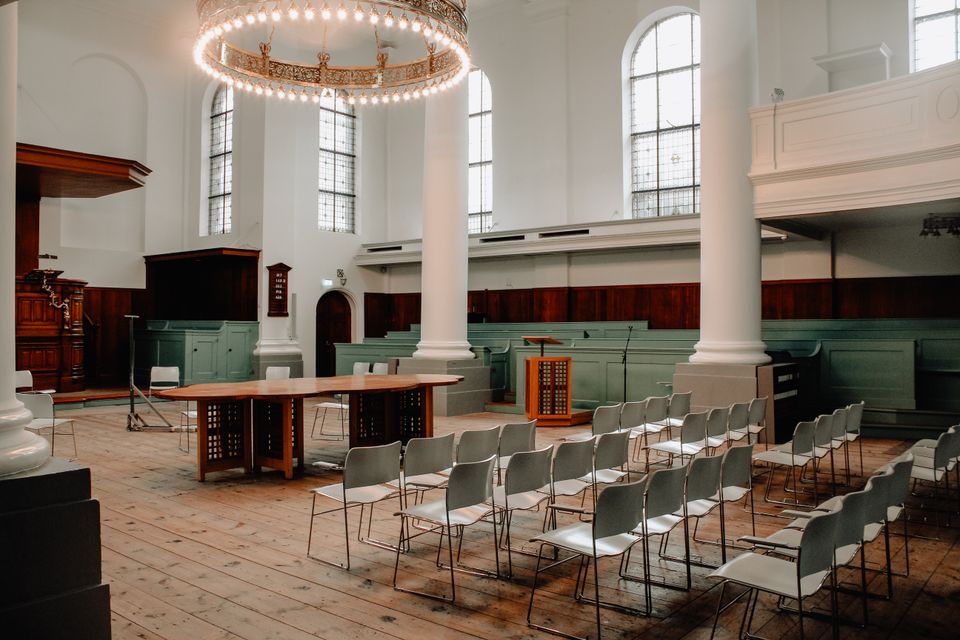
The hidden church where we are now was built in 1682 and is still frequently used today. The entrance on the street of the church is an art studio. This is not the only entrance. The main entrance is around the corner on Frankenstraat. It is clearly recognisable by the large wooden doors with stone decorations at the top.
However, this is not the nice entrance to take, as it is in the shop, to the right of the workshop, called Jansje. To enter via this side, you have to walk through the shop all the way to the back. You then walk past some little tables and then you can take a left here through a glass door towards the hall.
By taking this hidden entrance, you experience how it used to be for Catholics. So they always had to enter this way. When you walk through the glass door, you can enter the hall on the right. Here you can get a unique glimpse of what such a hidden church looks like inside now.
All religions become equal
In 1798, the period of 'hidden churches' came to an end in Haarlem and the rest of the Netherlands. All religions were then made equal before the law. This did not yet mean complete religious freedom: the government continued to interfere in church building. Only when the constitution was changed in 1848 did the government withdraw and churches were given full control over their organisation and construction of churches.
When this happened, the Roman Catholic Church demolished hideaway churches en masse and wanted to build large new churches with towers in order to be visible in towns and villages. The smaller societies like the Old Catholics and Baptists did not have the luxury and resources to do this and continued to meet in their hideaway churches.
Dome Cathedral - Address: Leidsevaart 146
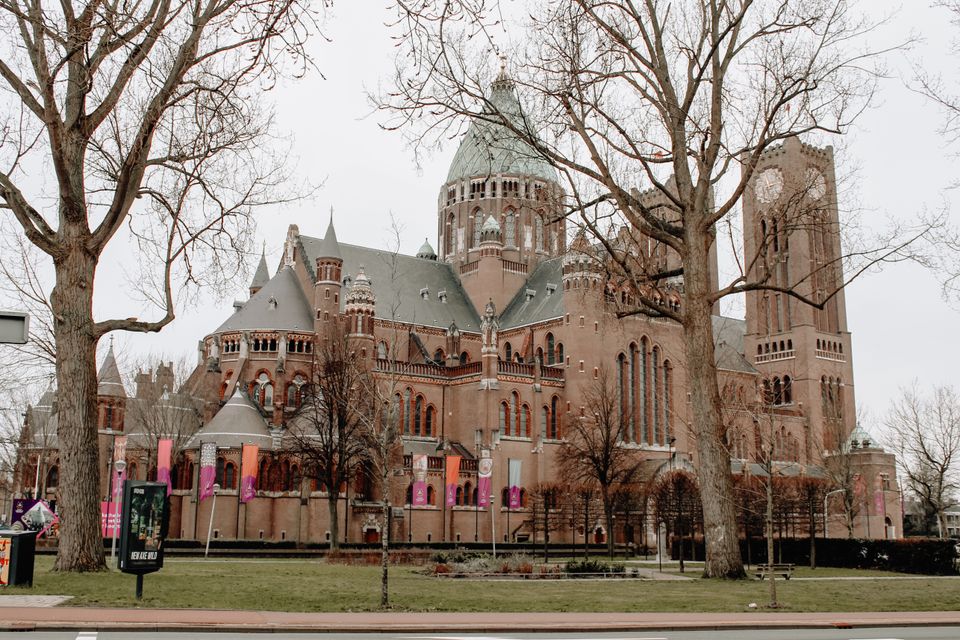
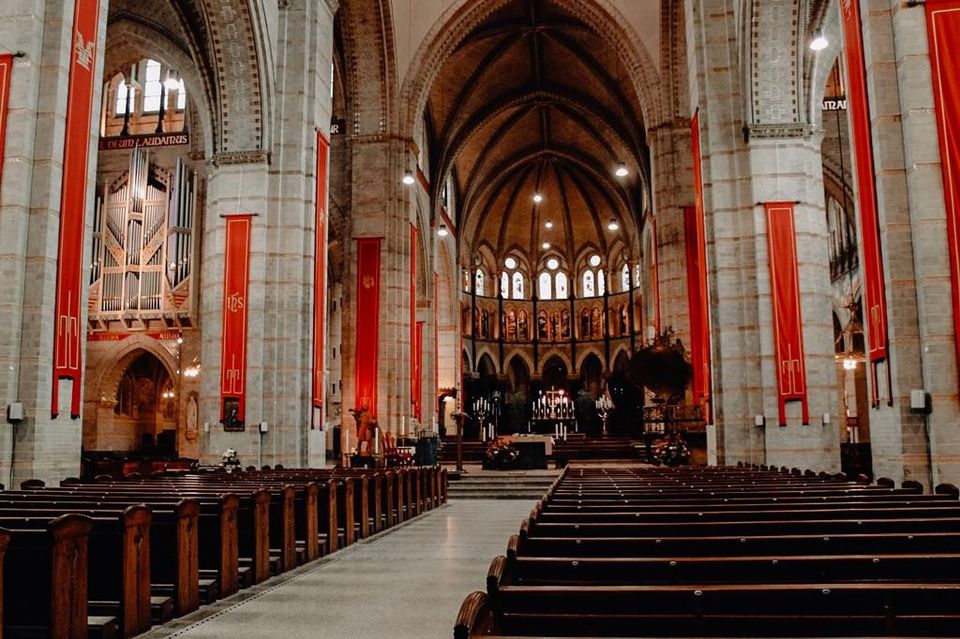
I walk further through the city towards the Leidse Vaart canal to the Koepel Kathedraal. This is one of those new buildings of the Roman Catholic Church. In 1898, 50 years after Catholics gained control, the time had come and the construction of the Koepel Cathedral began. Its construction took 32 years and was completed in 1930.
In my opinion, they worked out well during construction. It is a magnificent building with a large dome over the nave, where the architect was inspired by Indian and Spanish architectural styles. During the second war, small parts of the church were not quite finished. Hence, one of the images in the church, on the left side as you enter, shows a soldier wearing a German helmet as a nod to the German occupiers.
Men against women
The two towers overlooking the city are built in the style of the Amsterdam School, completely different from the rest of the church. This was because they ran out of money during the last phase of construction. The community then raised money, the women one tower and the men the other.
In the end, the women had raised the most, which is why there is a beautiful bell on that tower. Worldwide today, this church is one of the most important churches built between 1850 and 1950. Others in this list are the Sacré Couer in Paris and the Sagrada Familia in Spain.
And this is where my journey through Haarlem’s churches comes to an end. It’s been an incredibly interesting and inspiring journey through time. So much history that many people don’t even know exists. You can download the route guide to your phone using the button below. Will you let us know if you’re in Haarlem? You can do so on Instagram using #heyhoneyguide or @honeyguide.nl/en.
Love,
Cathe