Travelling is one of the most beautiful things in life. Views of endless mountain peaks trigger philosophical thoughts. Paddle bathing, brings you back to earth with both feet. And the smile of a complete stranger makes you believe in the best of human beings time and again. At the same time, the impact of travelling is far from positive. And with your lips on the rim of a cocktail glass, you find yourself pondering whether a terrace in the Netherlands wasn't also just enough. Whether it was worth the flight... Because let's be honest; do you really meet the other culture on your coastal holiday? Or do you stick to the tourist areas which, while fantastic, are not really necessary.
Sustainable across the border - The year 2018
This inner dialogue played out roughly on repeat during my 2018 holiday to Greece. From that moment, my journey towards positive impact began. This led me to become a Honey in 2019 and I now travel pretty much full-time... but differently... Indeed, my intention was as follows: Do I travel? Then it will be by land as much as possible, slowly and with positive impact. That means I will be volunteering.
Whether it is the holy grail? I don't know. In the end, the best trip is close to home. But should your curiosity still draw you across the border? Then I would be happy to share my experiences with you.
Travel volunteering: to do or not to do? - The year 2016
Before the Greek cocktail in 2019, the idea of volunteering often crept into my daydreams. I was about to take a faraway trip to Africa and wanted to stand with my feet in the mud, or well... the shifting sands. All my life I have loved animals and well the algorithm wanted to give my 19-year-old self a boost. After reading about the possibilities of volunteering with wild animals, I was turned on. I decided to work on a "Wildlife reserve" in South Africa. Two weeks surrounded with my favourite animals, namely lions... A dream come true!
Before I left, I did have some slight doubts. Wasn't it a bit too good to be true? I decided to contact former volunteers and they raved. You guessed it, blinded by pink clouds I went.
Once at the farm, a knot quickly formed in my stomach. The organisation was doing many good things, such as managing a reserve, preventing forest fires, researching common diseases among wild animals and building a biobank to prevent species extinction. They collaborated with passionate doctors and researchers and sought the least invasive ways to provide medical support to animals.
At the same time, it soon became clear that cubs were taken away from their parents to be raised by hand. That contact between tourists and lions was allowed with some distance and that cubs were bred and sold to zoos. I asked a few critical questions of the owners and there was an irritated response. I decided then and there that in future I should make my critical eye count before work. Asking old volunteers on a pink cloud for their opinions turned out not to be enough.
A journey with a plan - The year 2023
In 2023, we had a plan. After years of exploring the sustainability world, there would now be a real journey that would make a positive impact.
I had not boarded a plane since 2018, I was saving that for now. My boyfriend and I were at the beginning of our social sabbatical. A year in South America where we would travel the continent by public transport, learning from local farmers along the way. Off we went.
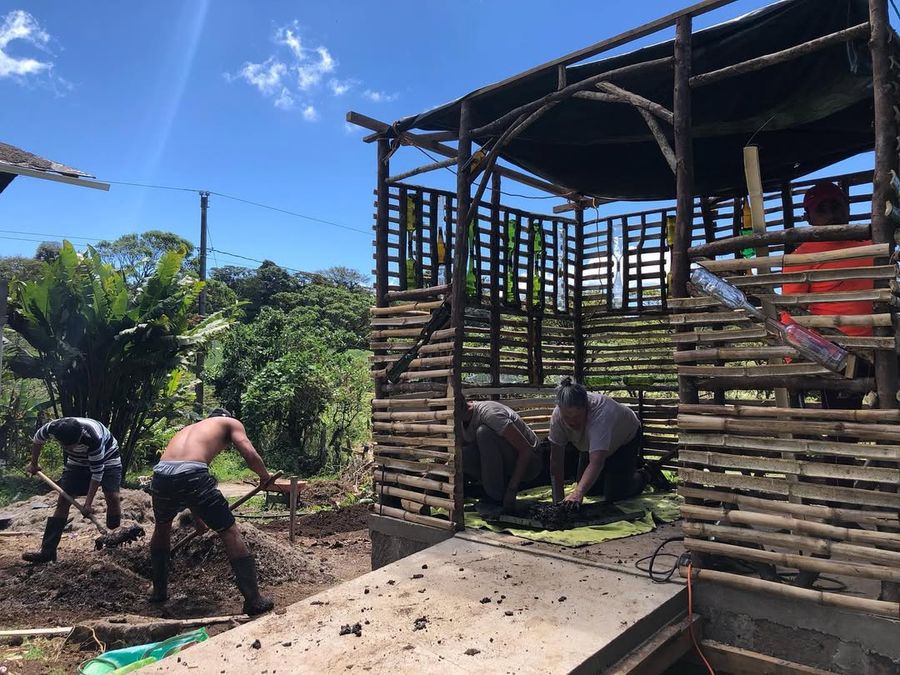
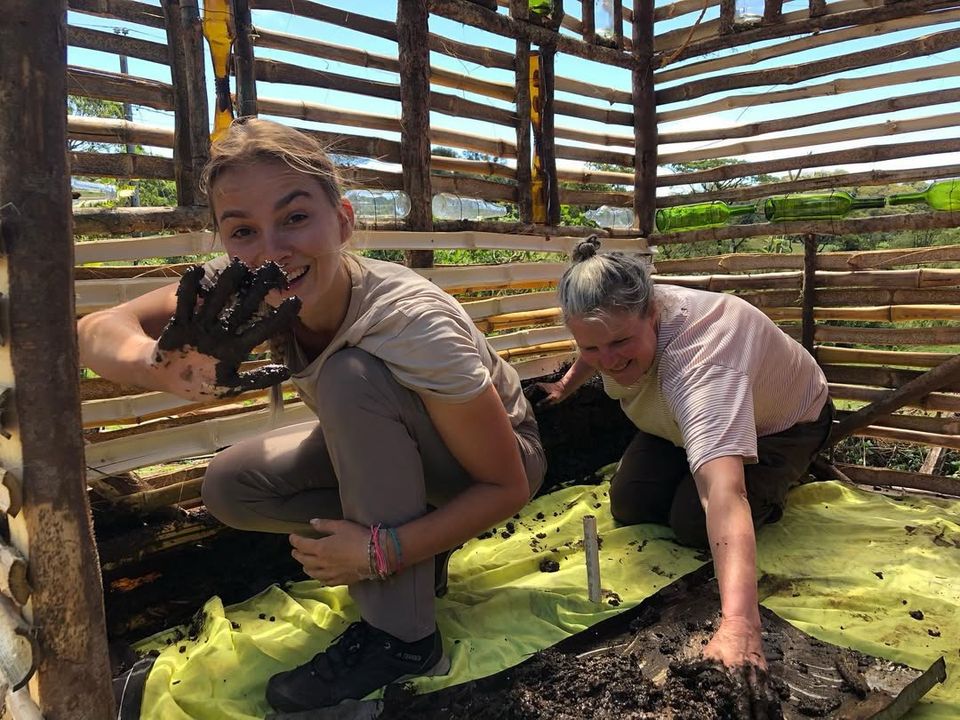
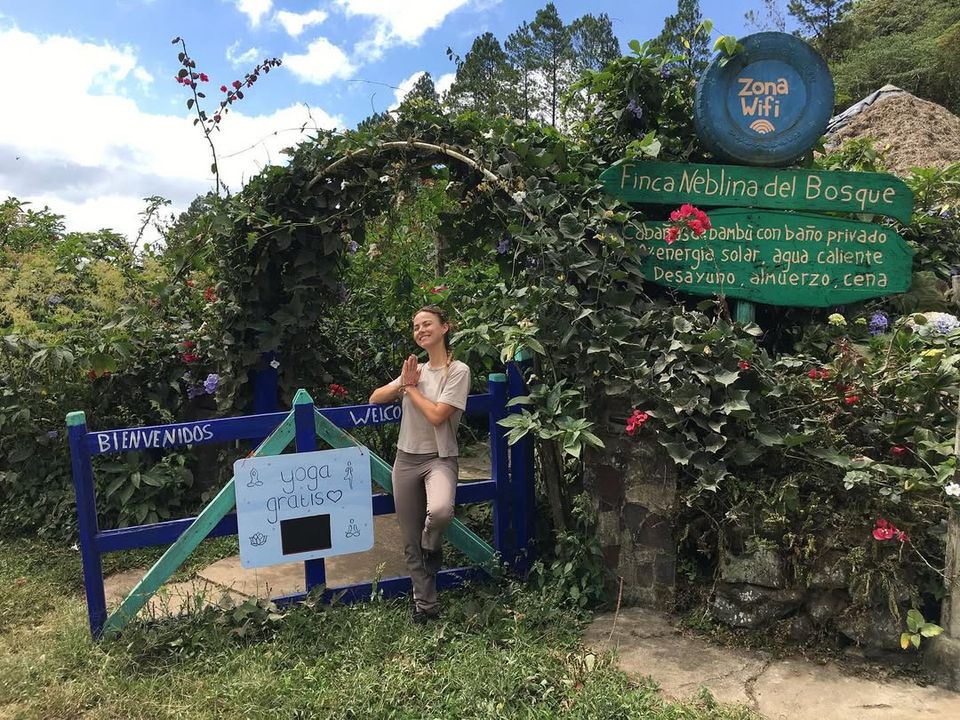
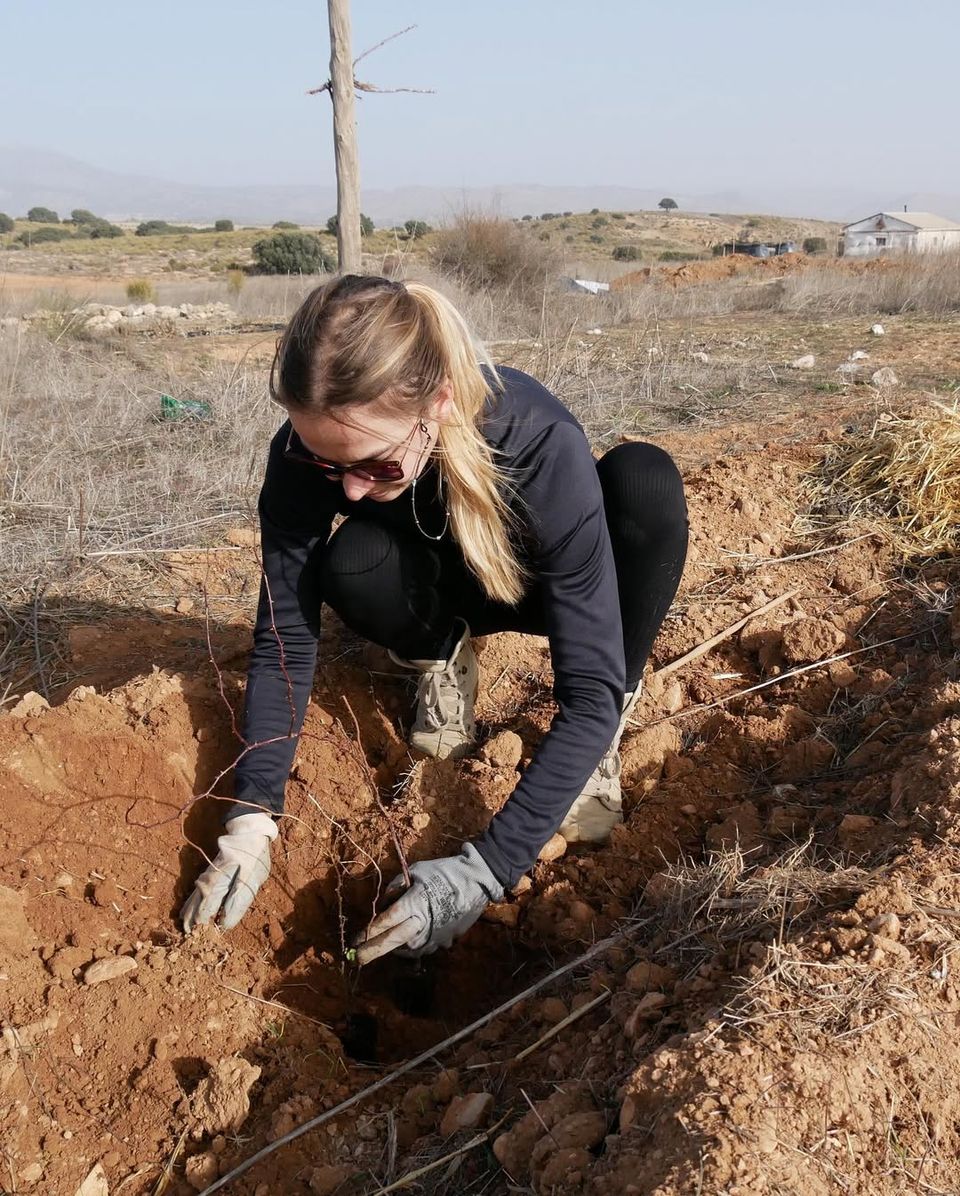
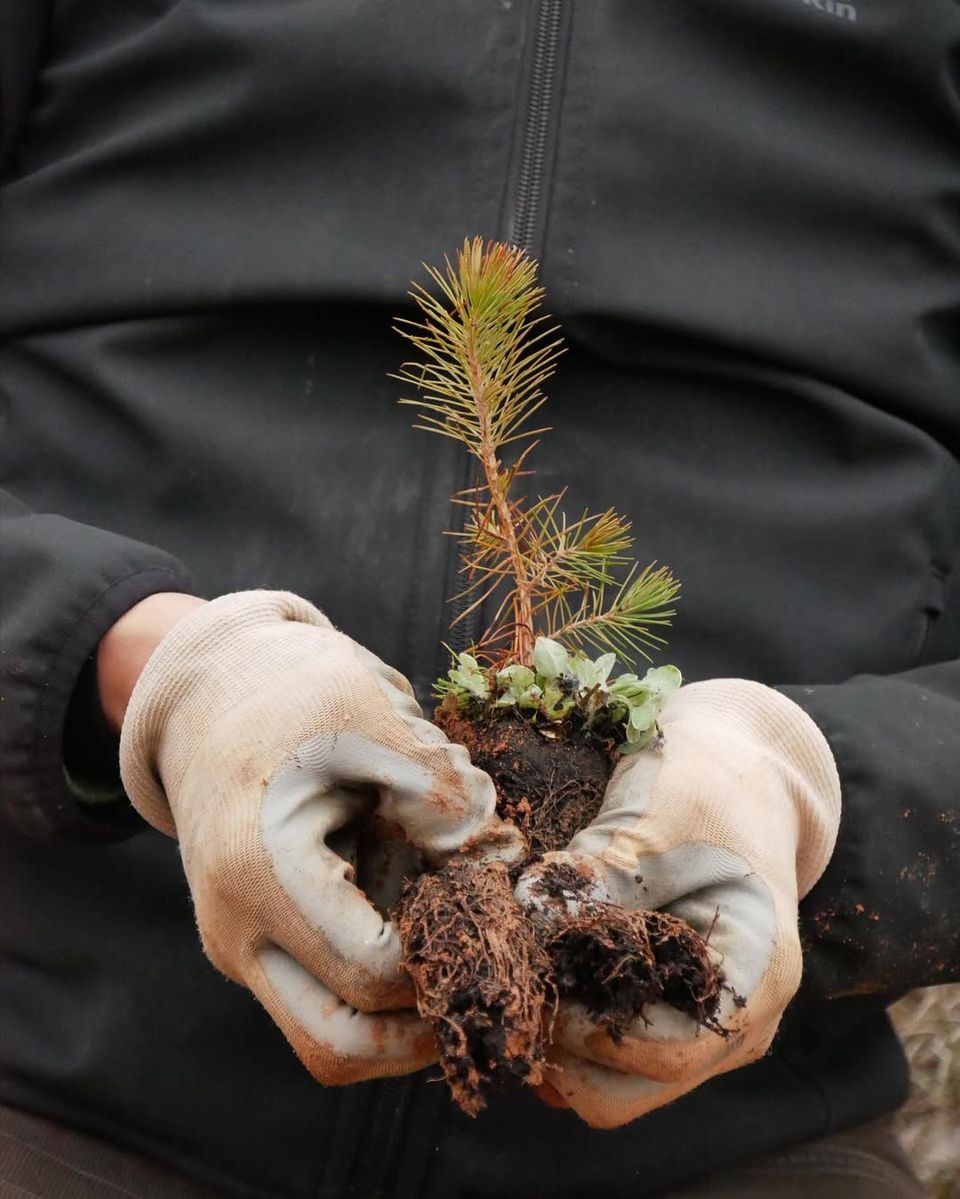
In this year, we worked on a walnut and raspberry farm in Argentine Patagonia, went to work at high altitude in the Andes Mountains of Bolivia on a regenerative and community-driven project, spent a month in the Ecuadorian jungle on a wildlife sanctuary doing really good work and got to learn about ecotourism in the interior of Nicaragua.
What have been our guidelines for good volunteering?
-
Avoid working with children
However wonderful the idea of making a difference to a child’s life may be, in reality things often go wrong. Children with attachment issues suffer further trauma, and sometimes children are even taken away from their families to be passed off as orphans. This has arisen due to the growing demand for volunteer work. The only way to stop this is to avoid volunteering with children, unless you intend to commit to the cause for years and carry out thorough research into the project in question beforehand. -
Be critical when working with animals
This has been my ultimate lesson. There are very few reserves that are 100% dedicated to the welfare of the animals. Do you still want to help animals? Then be critical. The safest places are rescue centres for stray animals such as dogs and cats. These animals need a lot of love. If you do want to work with wild animals, do your research. Is there a ‘no interaction’ policy (absolutely vital!)? What is the release rate? What is being said about the organisation? What’s best for wild animals is often the least entertaining for humans. So be prepared to scoop poo ;) -
Regenerative farms all over the world need your help!
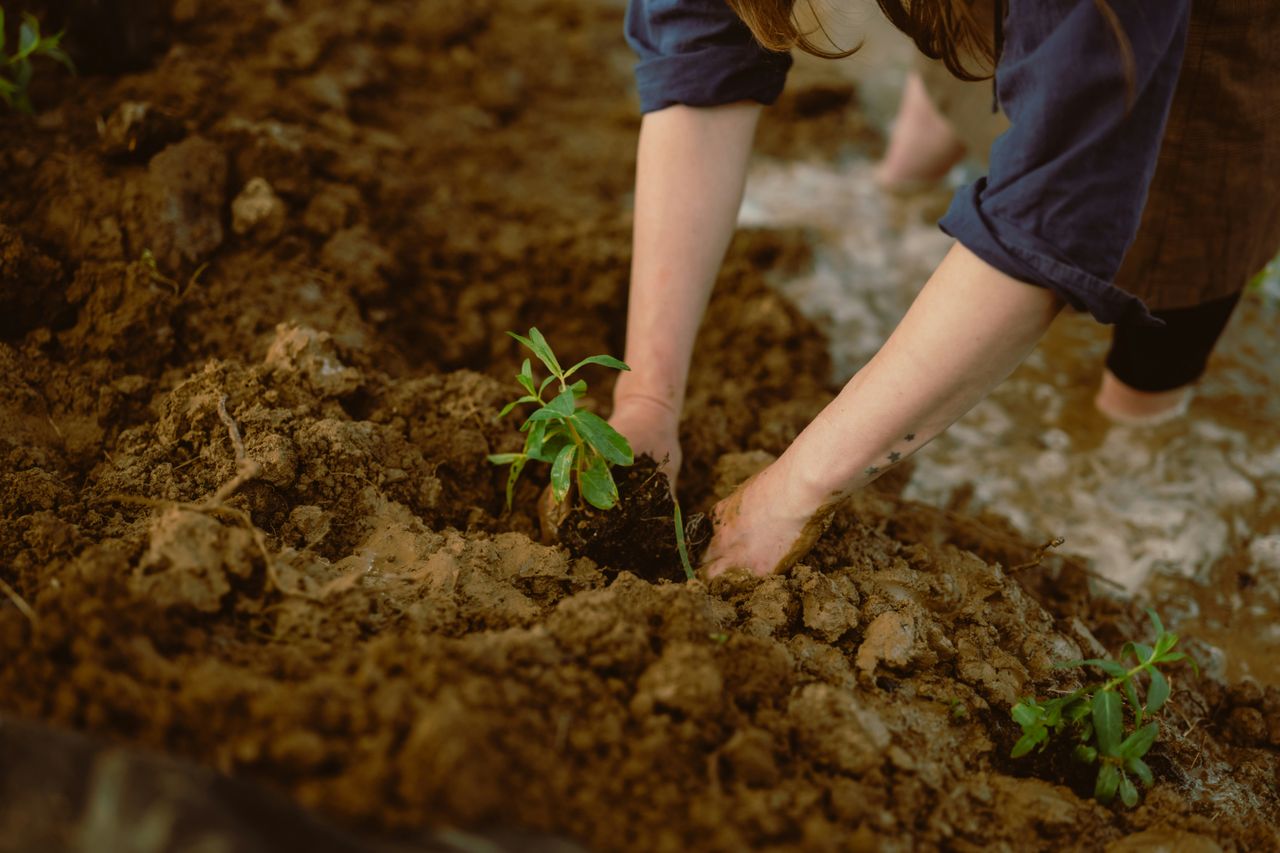
The kind of volunteering where you can make a huge impact is farm work. And I’m talking specifically about farms that do things differently. Food forests, permaculture, regeneration… These farmers are the heroes of the 21st century. Not only do you remove CO₂ from the air, but you also ensure healthy soils, water retention, organic food and a balance between people, animals and the environment. Find work through Ecosystem Restoration Communities or WWOOF. -
Bring your own talents to the table
Whatever project you take on, it’s always worth bringing your own talents to the table. Do you have a background in fundraising, photography or dog training? Then take this knowledge and these skills with you to wherever you’re heading. Local projects are often incredibly busy. Help from outside can finally enable them to secure that grant or boost their communications. -
Be humble
As a volunteer, you’re not the hero of the day (sorry!). The heroes are the people at the helm of the project. It often takes these heroes a great deal of time to train volunteers, cook for them or set up facilities. What they ask in return is a few hours’ work that they can count on. Many volunteers think that, because they’re working for free or making a financial contribution on top of that, they can set their own schedule, but that’s not the intention. Are you going to commit to a good cause? Then commit to it properly. That way, you’ll be a bit of a hero after all.
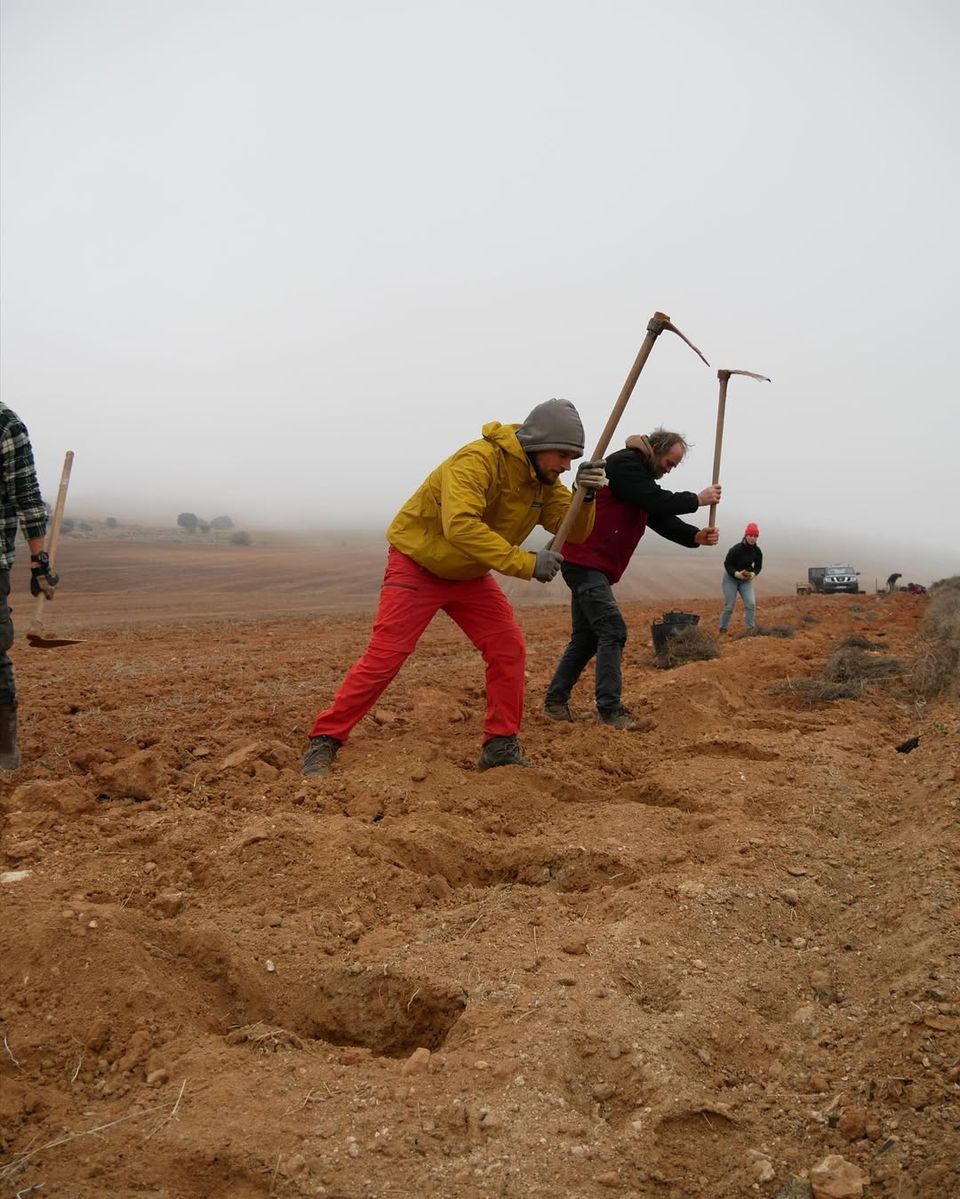
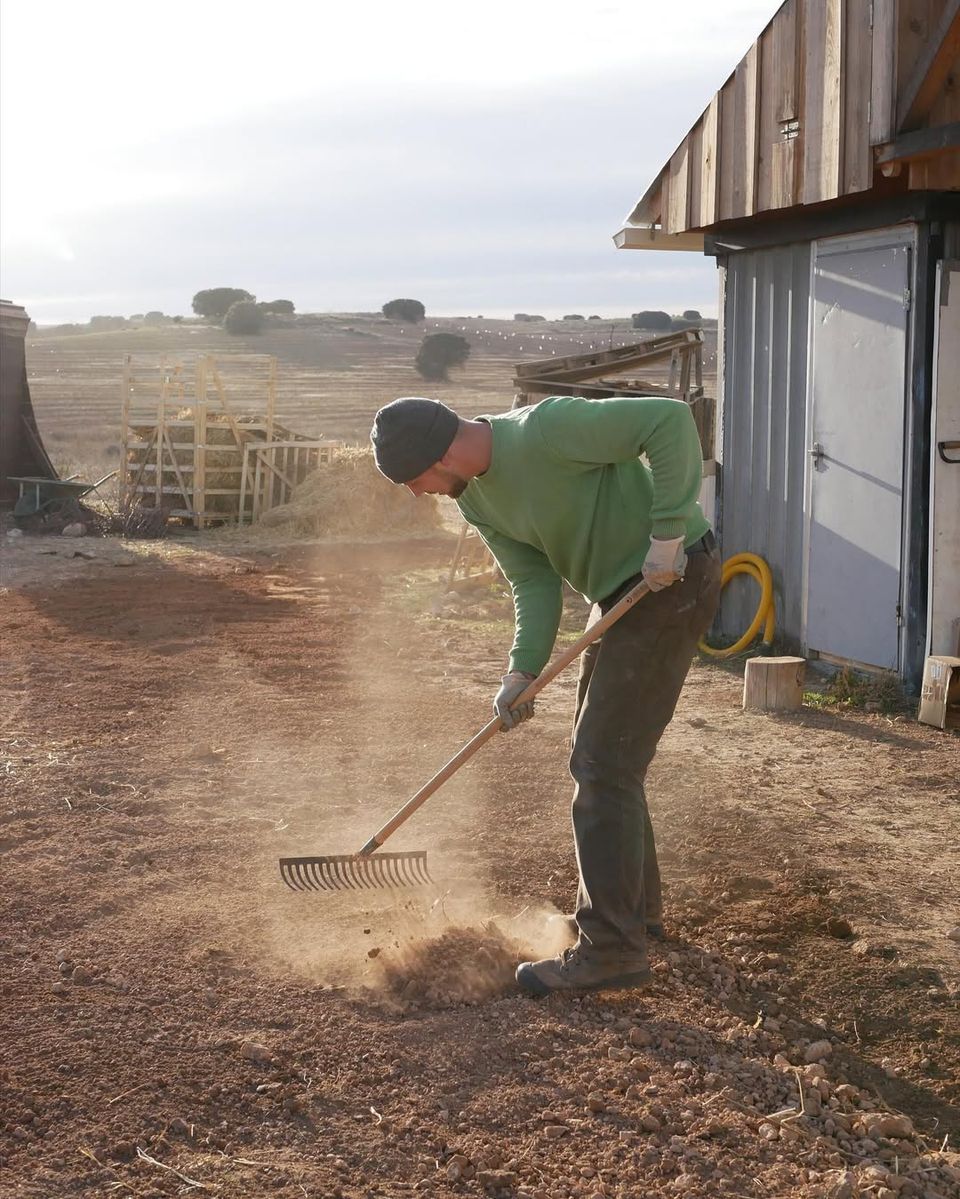
These conditions have guided my journey and provided wonderful experiences. I hope my path with many winding paths can acknowledge your route and give the inspiration to take the voluntary path. Much beauty awaits you.
Love,
Be surprised by the Netherlands - Unique experiences
-
7x playful yoga forms
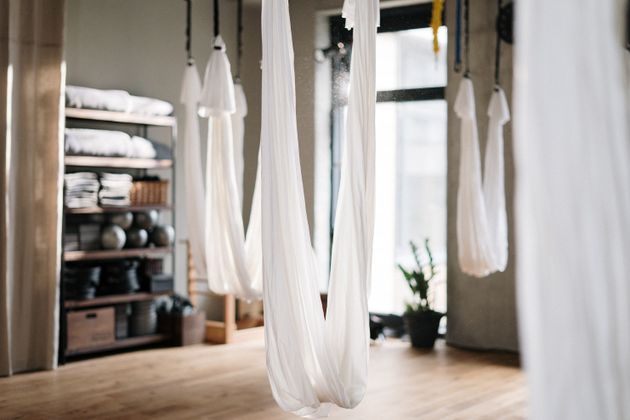
Yoga is not only for the Zen masters and flexible snake people among us. No, there are also hilarious, crazy and downright bizarre forms of yoga. Let's dive into this unique and hilarious world of yoga. Today, I share with you 7 playful yoga forms in the Netherlands.
-
5x wildpicking in the netherlands
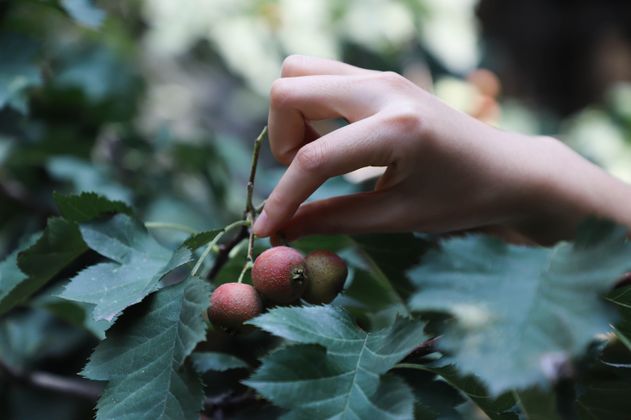
Nettle, ground elder, valerian and jasmine. Wild-picking in Dutch nature offers not only a culinary adventure, but also a chance to learn and get a deeper connection with nature.In this blog, I hope to inspire you with 5x wild-picking experiences in the Netherlands.
-
4x mindfulness experiences
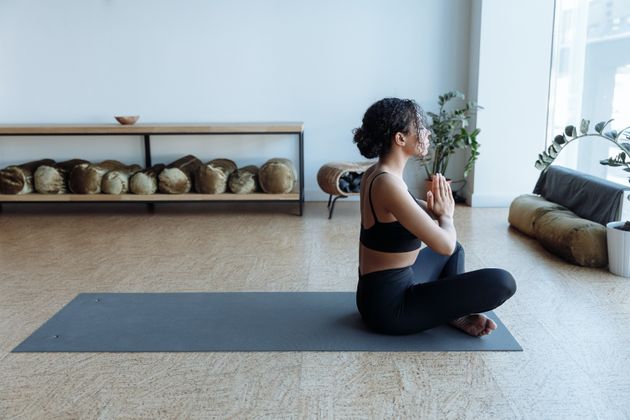
In our busy and demanding society, it is easy to get caught up in the hectic pace of everyday life. Mindfulness can help us with this.There are many places throughout the Netherlands that can help you with this, but let's start with our capital city. In this blog, I share 4x mindfulness experiences in Amsterdam.