

Autumn sees the forest in motion and this period is one of the best times to go wild picking. Whereas normally the forest slows down time, in autumn the changes are impossible to keep up with. Leaves turn colour, trees drop their fruits and fungi emerge from the ground. It is the time when I used to collect fallen leaves and dry them in the phone book. But besides coloured leaves, the forest also provides us with a lot of beautiful, edible finds that represent the taste of autumn like no other!
Put on your walking shoes, because below I will tell you more about wild picking in autumn, from what you can pick to what you can make of it and where you can best go on your wild picking trip.
Making coffee from acorns - 3x in the deciduous forests
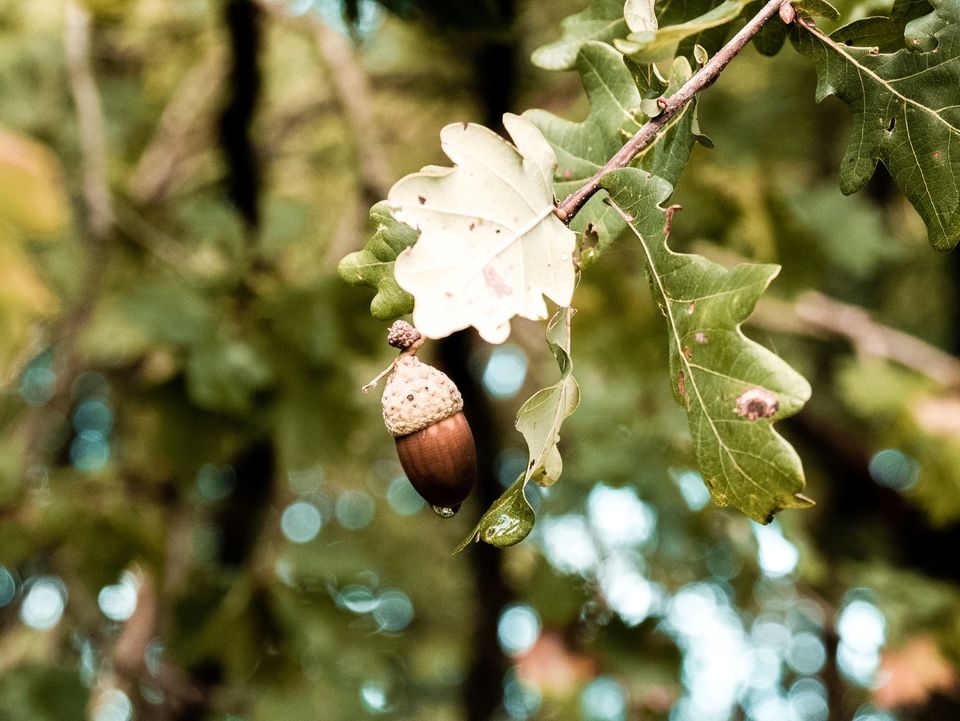
When you think of autumn, you naturally think of nuts. In deciduous forests, acorns are particularly abundant, but what not many people know is that they can be used to make flour and coffee!
There are two different types of acorns: those of the pedunculate oak and those of the American oak. In principle, you can use both, but the most commonly used variety comes from the pedunculate oak. You can recognise them by the rounded leaves of the tree. Only pick fallen acorns, because then you can be sure they are ripe.
Before you turn acorns into a nice cup of coffee, it is good to know that acorns contain tannic acid. This is a type of tannin that is very bitter. The tree normally uses this to scare away insects by making the smell and taste so bitter that the insect makes a dirty face.
Smart move by the tree, but of course you don't want to share this fate with the insects. It is therefore necessary to soak the acorns well and treat them several times with boiling water, until the husks come off and the water remains clear. After that, you can grind them and use them as coffee or flour. Before game picking, look for a good recipe.
Puffed chestnuts
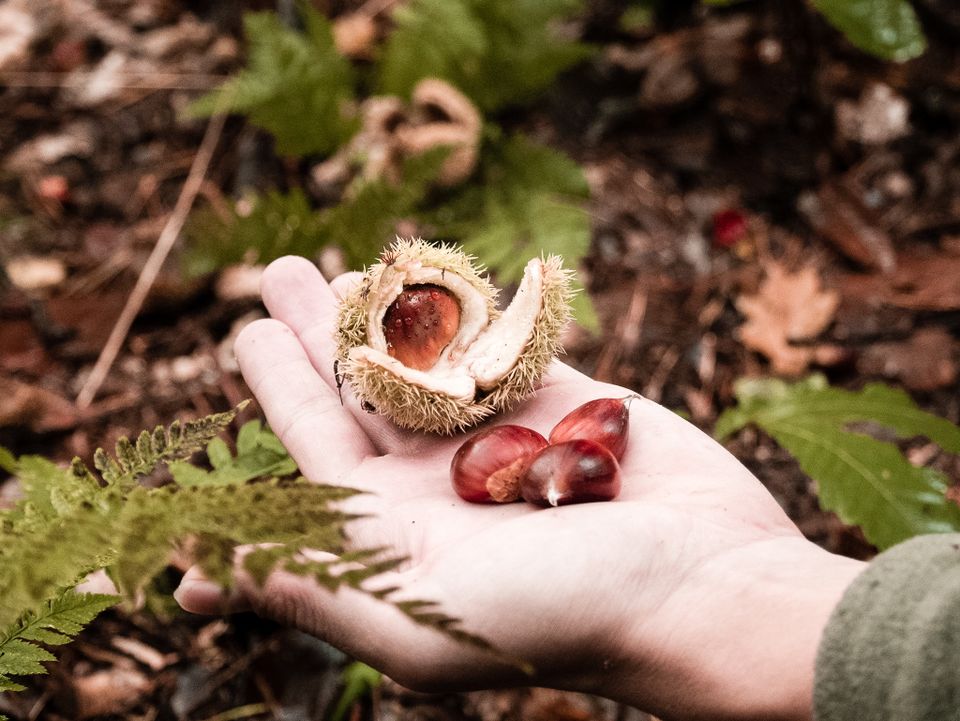
The second nut is the sweet chestnut. This tasty topper can be recognised by its skin with many thin spines, while the wild chestnut has far fewer and shorter spines. In addition, the sweet chestnut has several nuts in a skin and has a white plume. Be careful when picking the sweet chestnut. Again, only pick what can be found on the ground.
Sweet chestnuts are delicious for roasting in the oven. To do this, use a knife to engrave a cross on the tip of the chestnut so that you can easily peel them when they come out of the oven.
Edible mushrooms
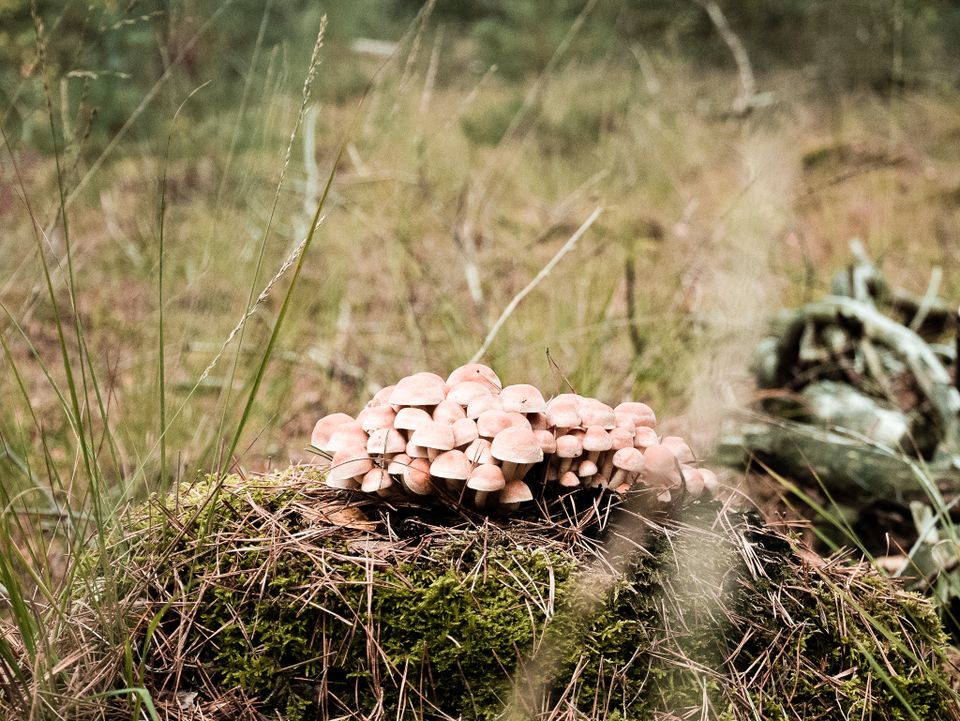
They are beautiful, the mushrooms that characterise autumn. These seasonings come in many shapes and sizes, from safe to poisonous. And as much as we would like you to experience the wild taste of mushrooms, we are not going to give any tips on this. In fact, the safe pine sulphur head below looks very similar to the poisonous greenish-yellow tuber manite. This small mistake can have big consequences, so for now we'll stick to admiring it while wild-picking in the forest.
What to do with Rosehip - 2x autumn fruits to pick
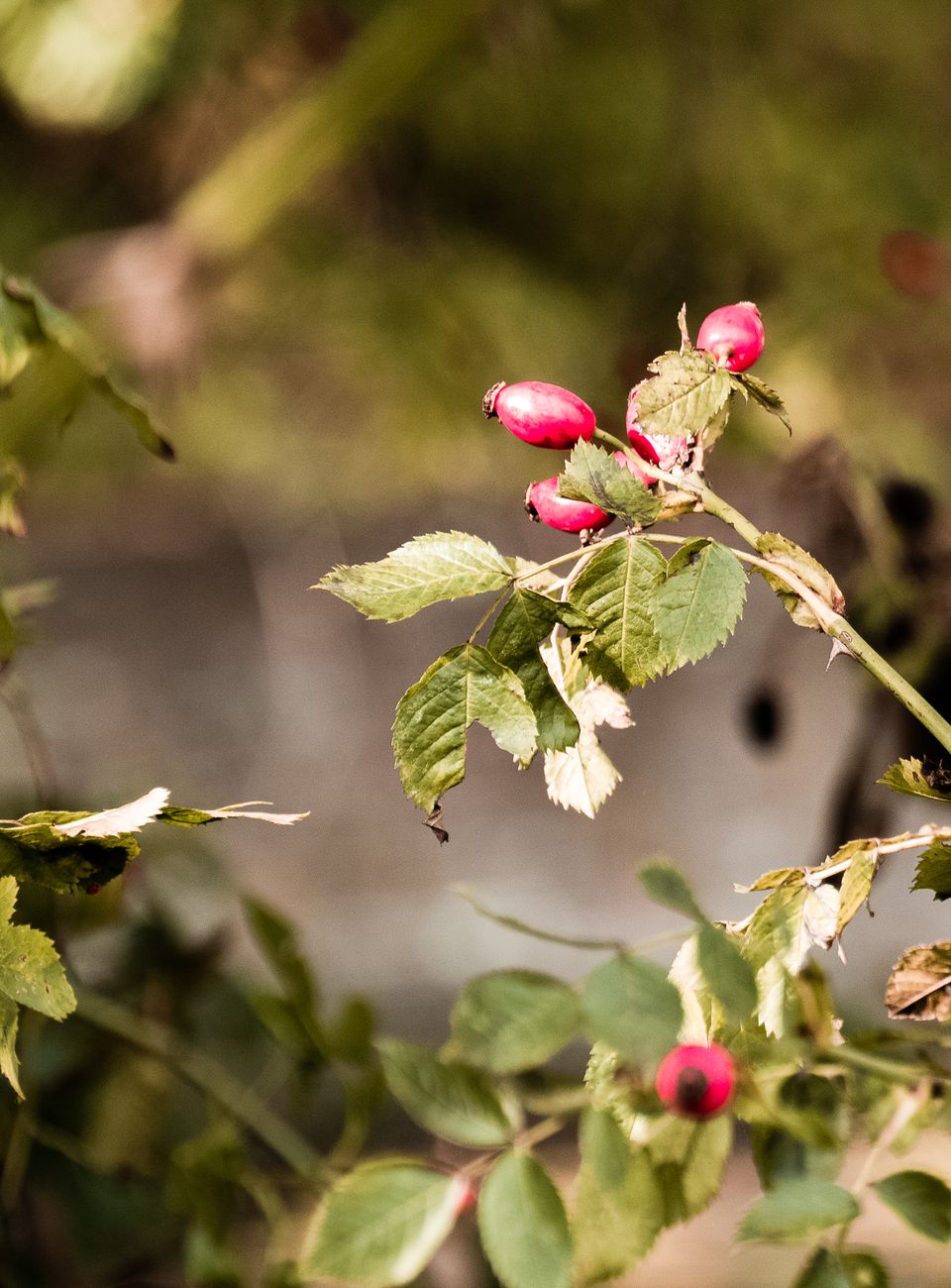
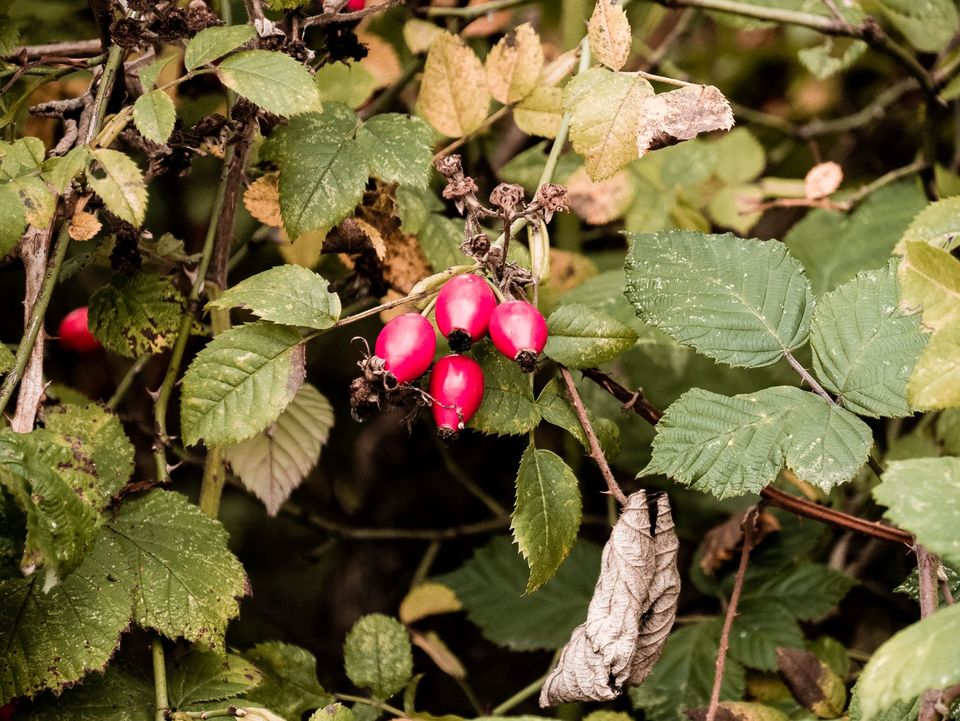
On to the fruits, because in early autumn these too are still abundantly available for wild picking. This is how to turn the rose hip into delicious syrup, jam or tea. The rose hip grows on bushes and can be recognised by its round-oval red bud. When you have picked them, you can boil them and then remove the stone. This tastes a bit bitter.
Sweet and sour hawthorn berries
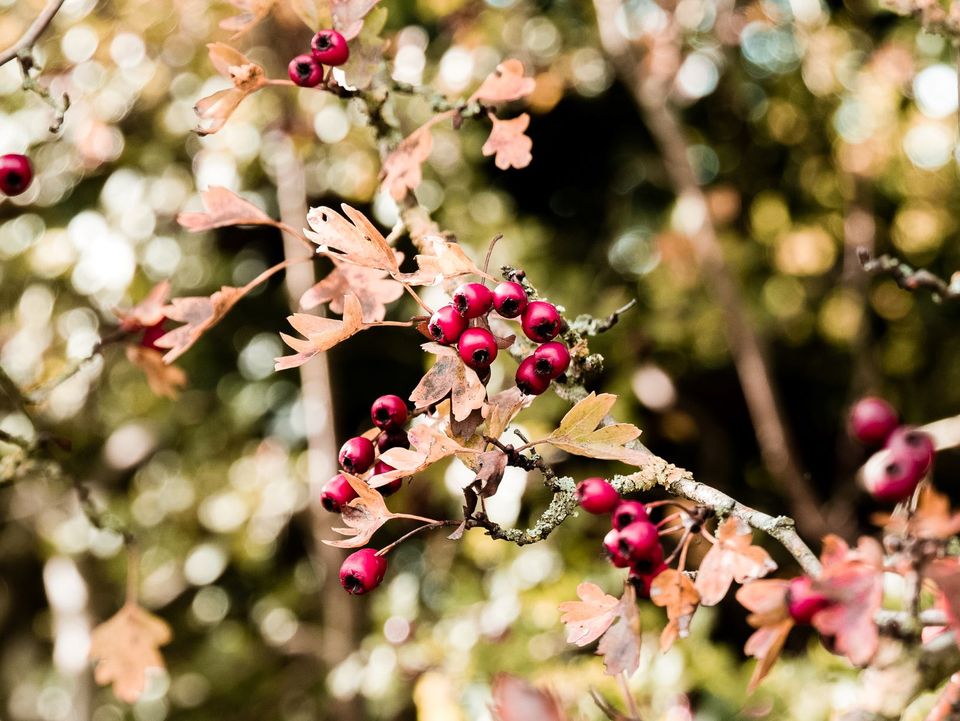
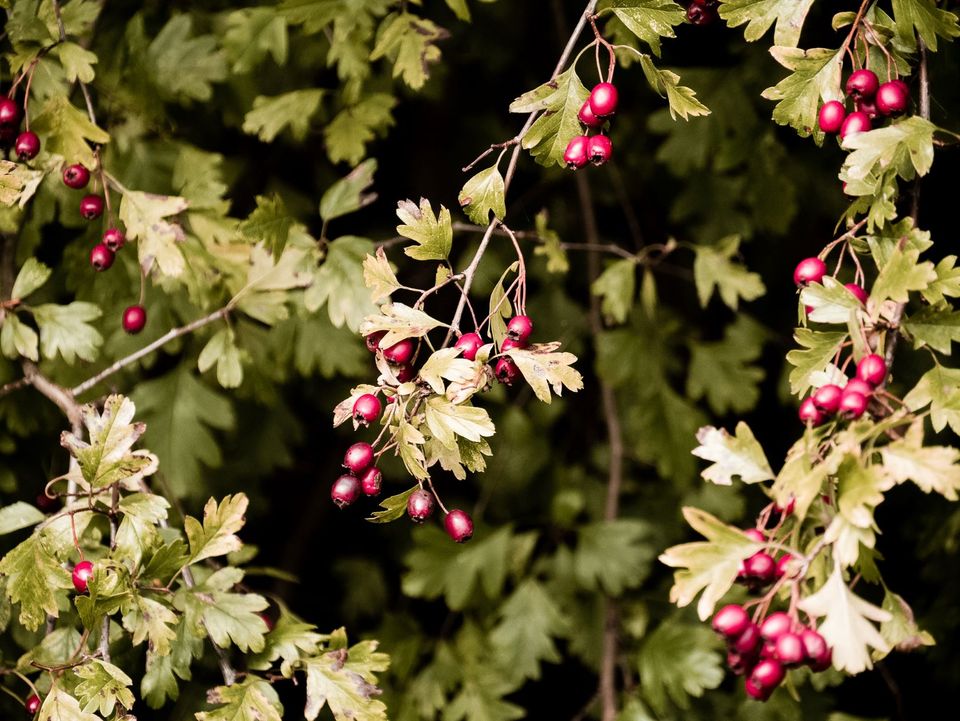
Hawthorn berries are also good to use in sweet and sour products in early autumn. This berry has a healing effect on the heart. However, be careful when combining this berry with heart medication.
The Hawthorn berry looks quite similar to the Rose hip. This one is only a bit smaller, rounder and brighter. Watch the bush while wild-picking to make sure you're right. Fat tip: with the Google App, you can take a picture of the bush and Google will help you define it.
To process the Hawthorn, it is important to remove the seed, as it is poisonous. Other than that, you can put it to good use. When you freeze it, the Hawthorn berry becomes a bit sweeter. It is also nice to boil it or draw tea from it. Eventually, with the right recipes, you can turn the berries into jam, syrup or wine!
Nettle, ground elder & water mint - 3x earthy herbs to pick
And with a good wine like this, you of course need a drinks board. You put this one together with earthy spices.
How to turn ground elder into a delicious pesto. Ground elder is known as a stubborn weed that, once in your garden, does not just disappear. So you better make use of it. Ground elder has an oval structure with three leaves on a branch. It contains immense amounts of vitamins and minerals and is good for your kidneys. Mix it with some garlic, walnuts, olive oil, yeast flakes, pepper and salt and you have a delicious pesto.
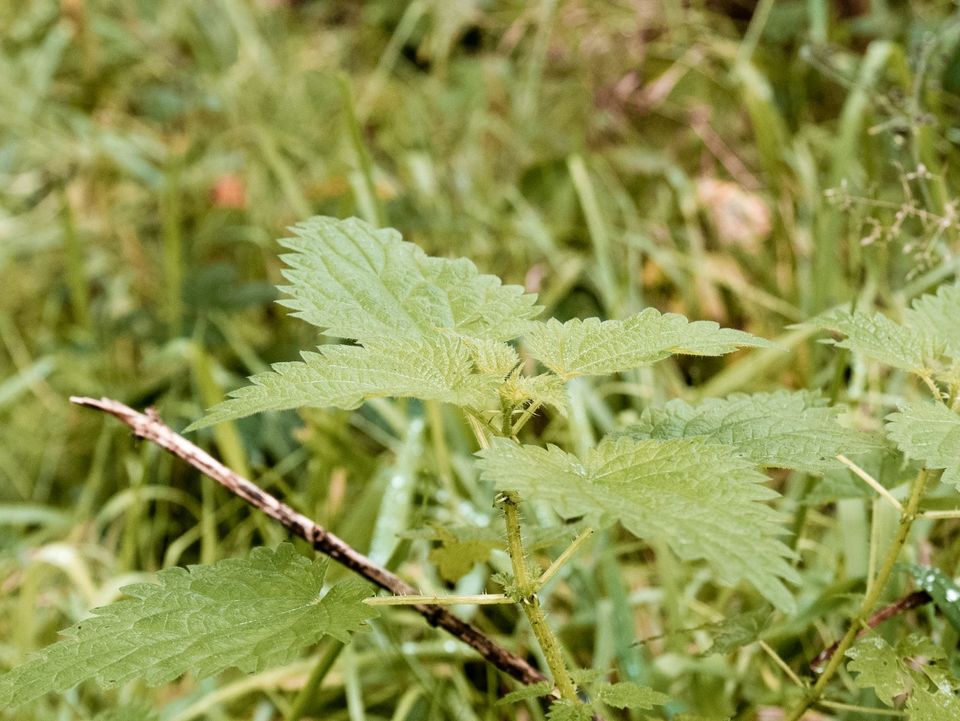
This also applies to watermint. This slightly fresher herb has a good effect on the intestines, digestion and your breath. Or stinging nettle, which you should grasp from the underside, with the leaf along to avoid prickly effects. All these herbs can be found especially at the beginning of autumn when you go wild picking.
The power of plantain - Plant medicine in the bathroom cabinet
By now you have gathered a lot of natural power in the kitchen, but what about the bathroom cabinet? Plantain lends itself perfectly to making tincture. It contains so many minerals that it can relieve inflammation and pain.
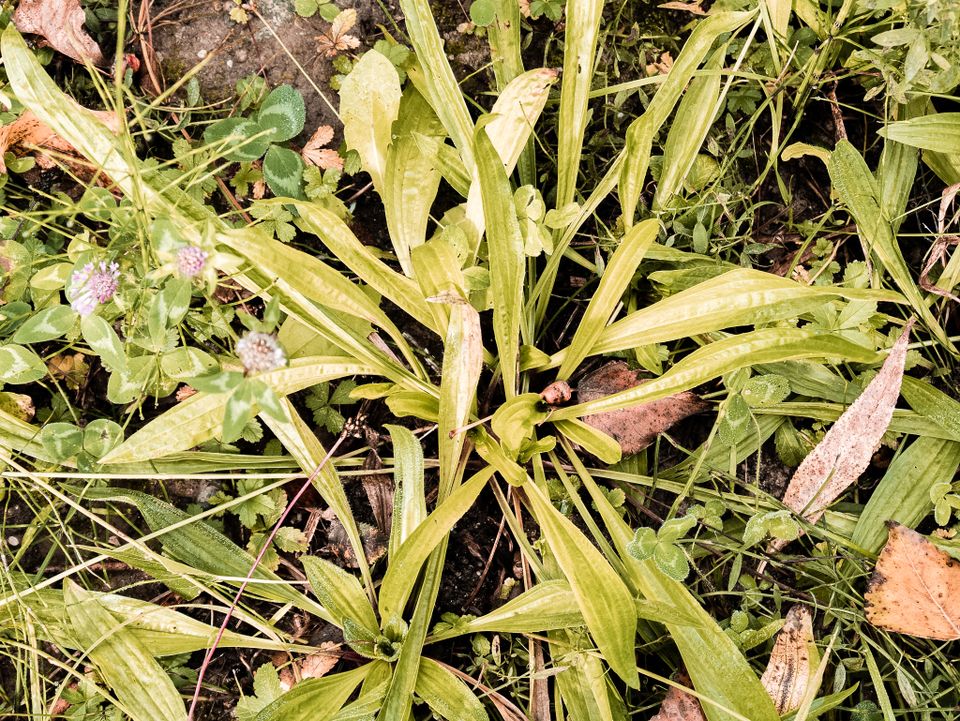
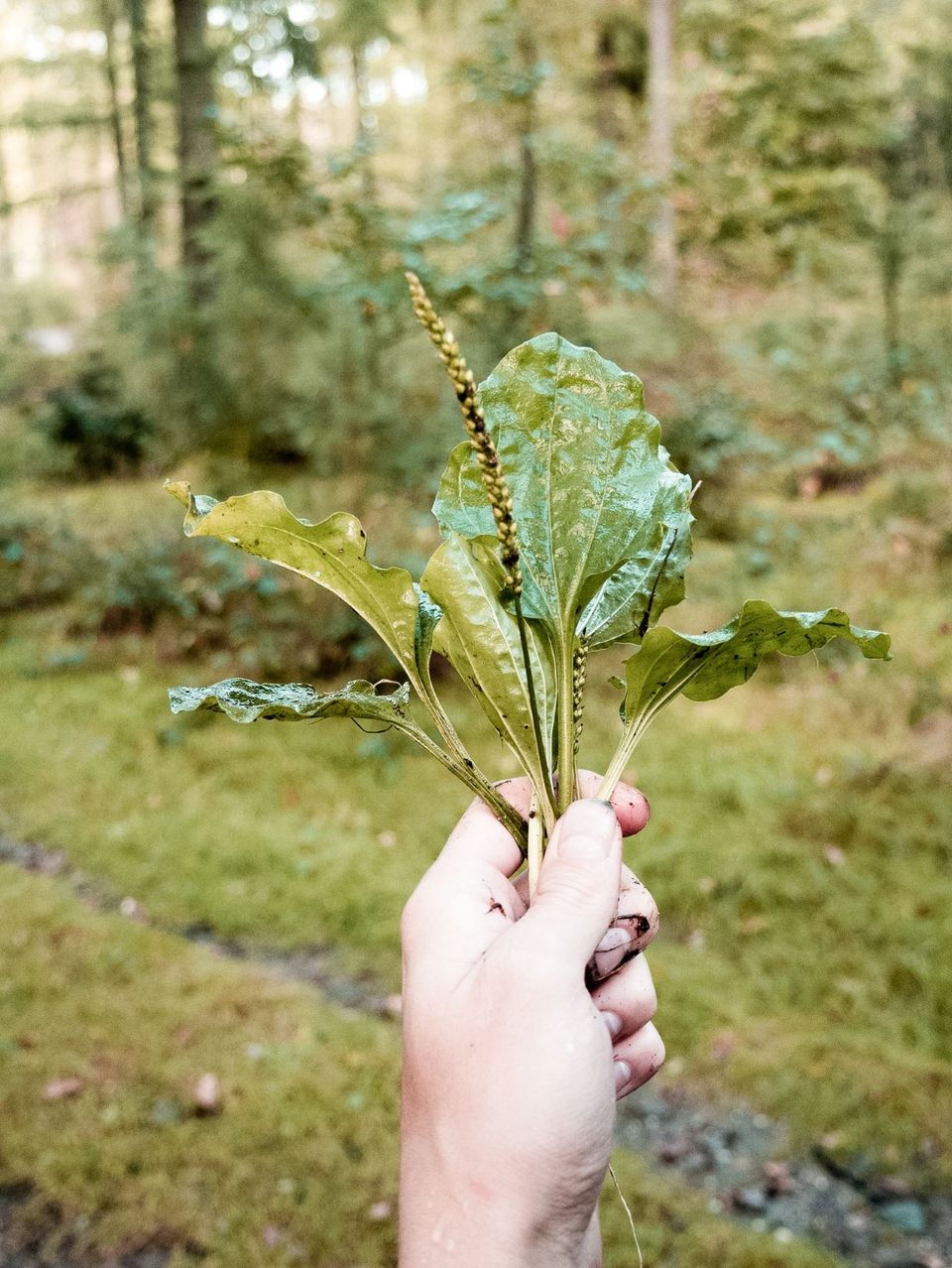
Plantain can be recognised by its elongated leaves with only a few straight veins on them. Pick a few leaves from the plantain, without pulling out the roots, cut the leaves into a few pieces and put this in a clean jar on vodka or gin of your choice. Keep this for several weeks, while shaking it weekly.
Prefer to make a salve instead of tincture? Then replace the vodka with oil. After about five weeks, you can pour off the mixture, separating the liquid and the leaves. The vodka has formed into tincture and you use the oil decoction as the main ingredient when making the ointment.
Where can you pick wild? - My favourite wild spots
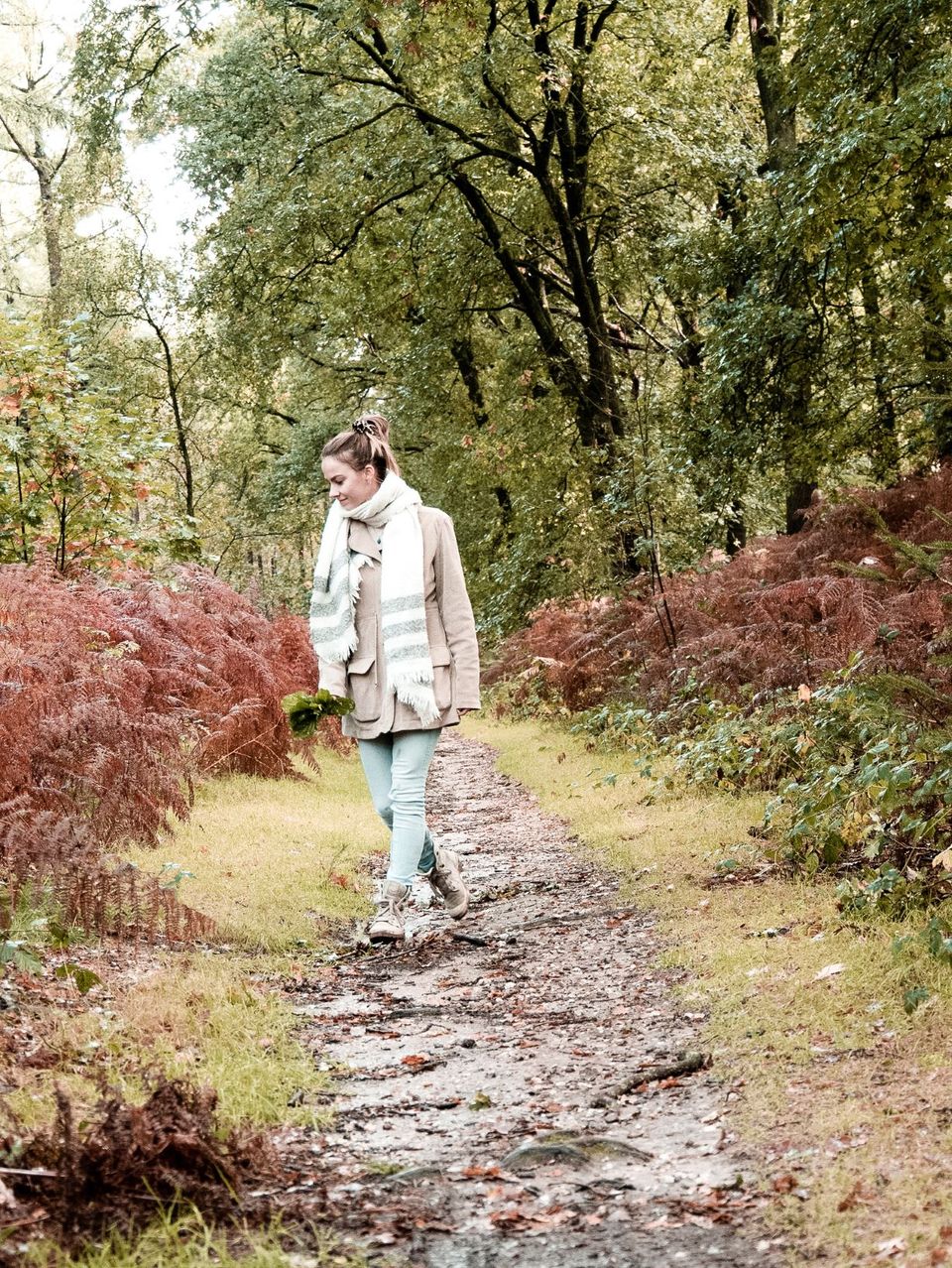
Wildpicking has taught me a lot about nature. I look around me with attention and am aware of the healing properties of plants. Now you are naturally wondering where to find all these nuts, fruits and herbs. That is why I give you some of my favourite places, so you can go on an adventure.
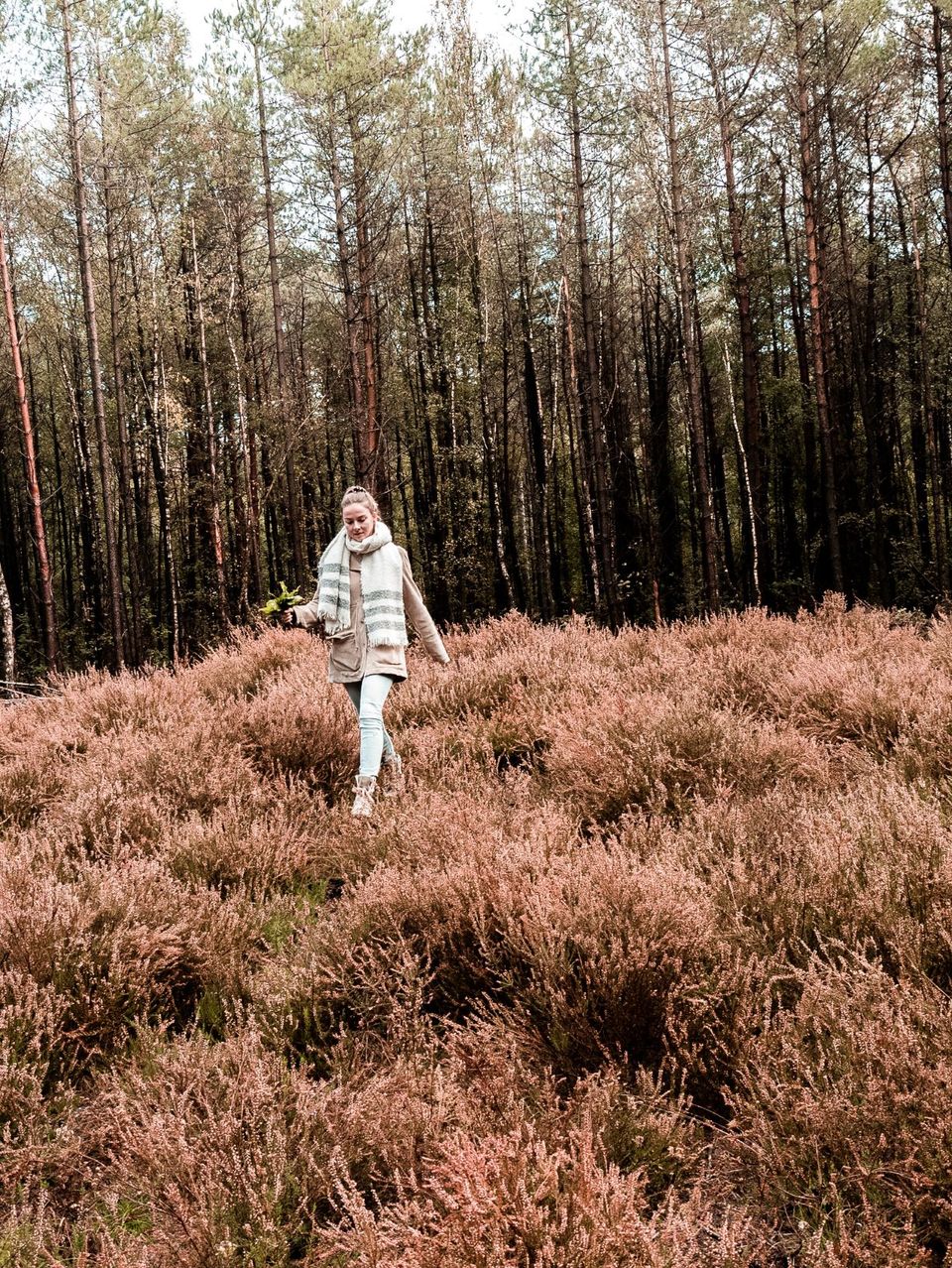
Besides the forest, the berries and herbs from this blog can also be found along cycle paths and around agricultural areas. Still, I am a big fan of the following forests:
-
Bornia: A beautiful deciduous forest in the Utrechtse Heuvelrug. The landscape alternates beautifully between heathland and forests.
-
Lage Vuursche: This forest is also located in the Utrechtse Heuvelrug, but has more conifers, i.e. a nice winter atmosphere.
-
De Oude Warande: A beautiful forest in Tilburg where there are an incredible number of squirrels, and therefore lots of nuts.
-
Kampina: those who love heathland will be amazed by the forests of Boxtel.
-
The Heart of Drenthe: infinite forests with pleasant surprises.
What should I pay attention to when picking wild? - With respect for nature
All in all, autumn is the perfect time to experience and taste the forest. When picking, do be mindful of nature. Pick and glean in moderation (maximum one bag), never pull out the carrots with you and pay close attention to health recommendations.
Happy picking!
Love,
Femke