

The land of cherry blossom, the rising sun, fairytale gardens and tasty fish dishes. I am, of course, talking about Japan. A country high on the wish list of many a travel enthusiast. So is mine, but in the near future we will be looking for everything closer to home. That is why I am sharing six places in the Netherlands where you still feel a bit like you are in Japan.
Cultural contrast
A Japan experience in the Netherlands seems somewhat unlikely, especially when you consider that Japan is the furthest away from our own culture. Japan is very idiosyncratic, having always been quite isolated from the outside world. Take religion, for instance. Cultures in Western countries are based on Christian principles, but Japan has a religion all its own, namely Shintoism. This assumes that there is a soul in everything around you and that you should therefore treat everything around you with respect. The essence of the culture is harmony and respect, and this is reflected in the food, for instance.
That's why Japanese eat so much fish
Talking about food, in Japan they are very proud of it. Japanese food is healthy, the flavours are pure and they have all kinds of traditional ways of serving it. The main ingredient is almost always rice supplemented with fish. This is because Japan is an archipelago, so there is no shortage of fish. In fact, it was forbidden to eat meat in Japan for a very long time. As a result, dishes are still mostly prepared with fish to this day.
1. 'Japanese' blossom in the Kromme Rijn region
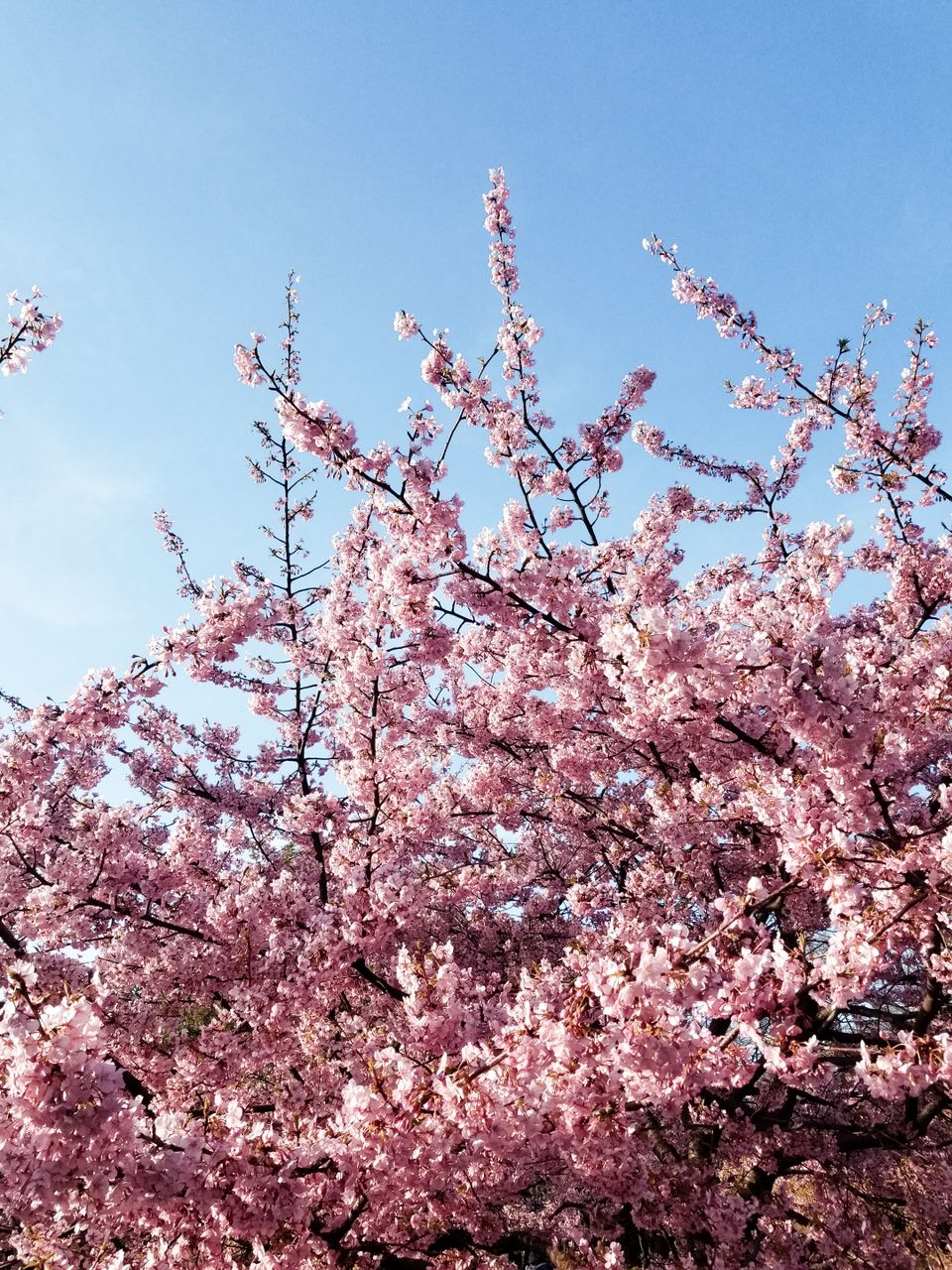
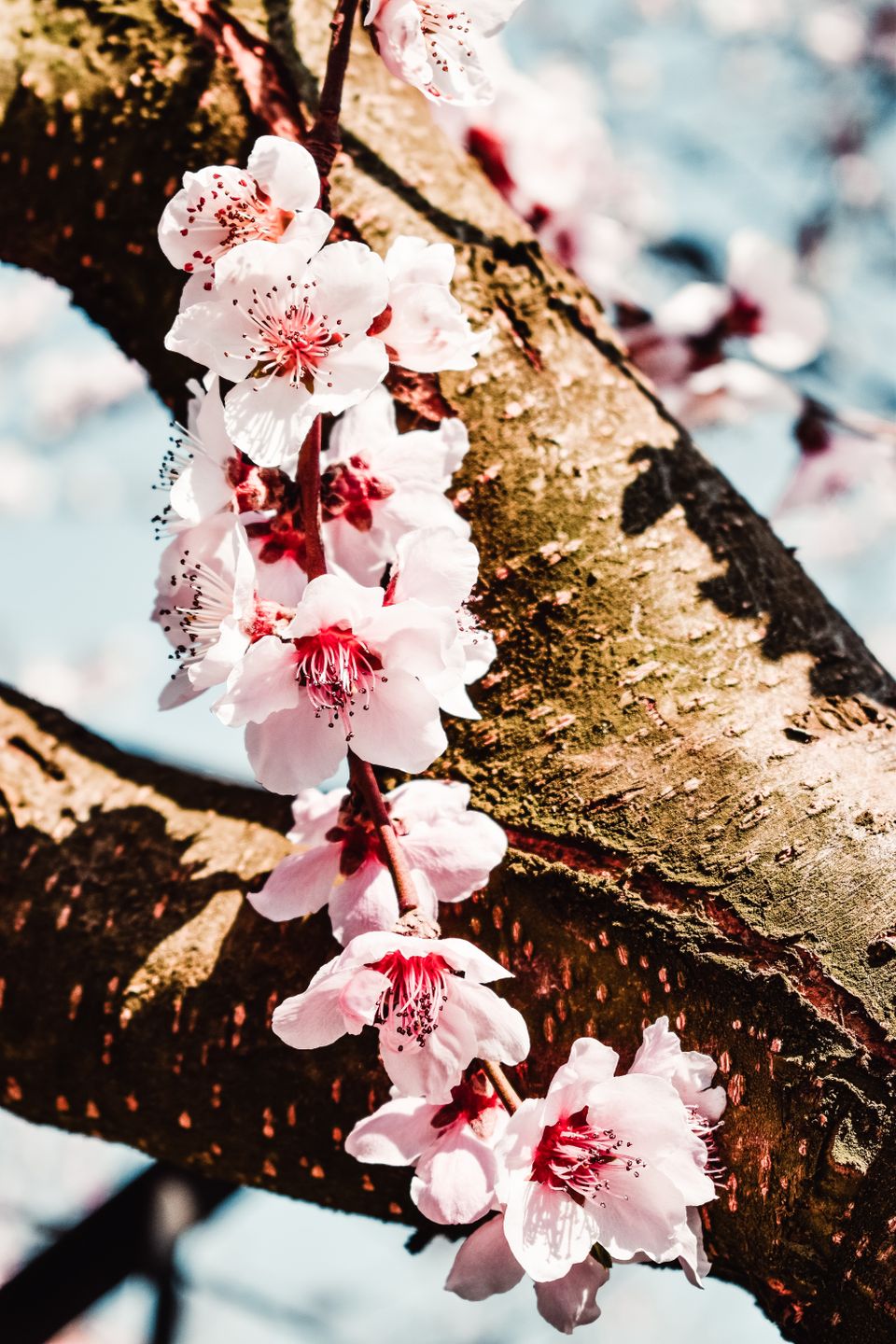
In spring, Japan and its people blossom. Respect for nature then peaks with the celebration of Mother Nature's rebirth. I am of course talking about the blossoming of the world-famous cherry blossoms.
Fortunately, this spectacle of seas full of bright flowers can also be seen in the Netherlands. Every spring, the Kromme Rijn region turns into a colourful sea of flowers full of cherry blossom, pear blossom and apple blossom. Every year, the VVV organises the Flower Parade event with cycling and walking routes along the cherry blossoms. You can start these routes at VVV Wijk bij Duurstede and at VVV Houten.
The blossom period is slowly coming to an end, but fortunately you can still visit Japanese gardens.
2. Japanese gardens in the Netherlands
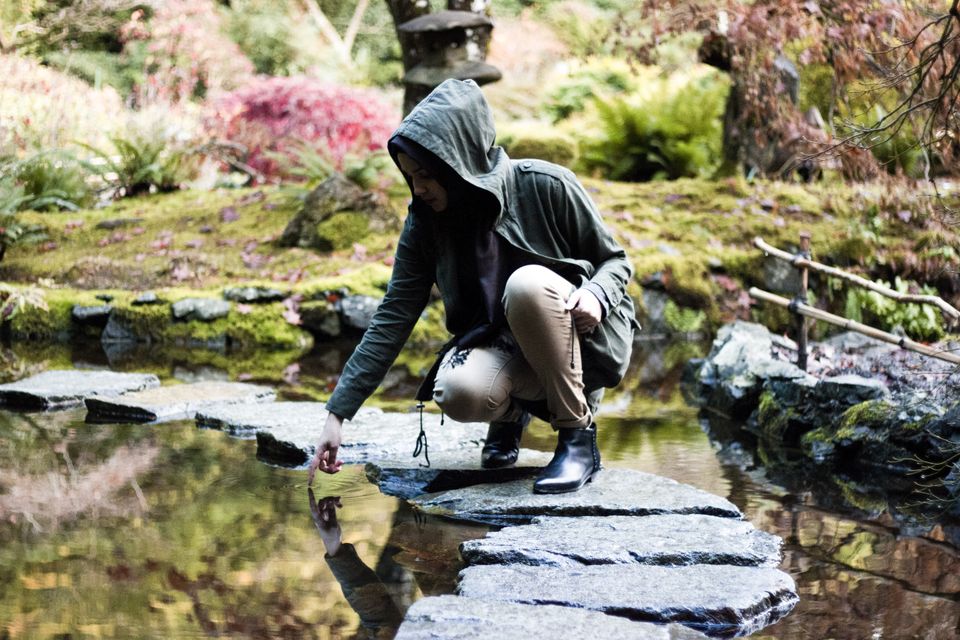
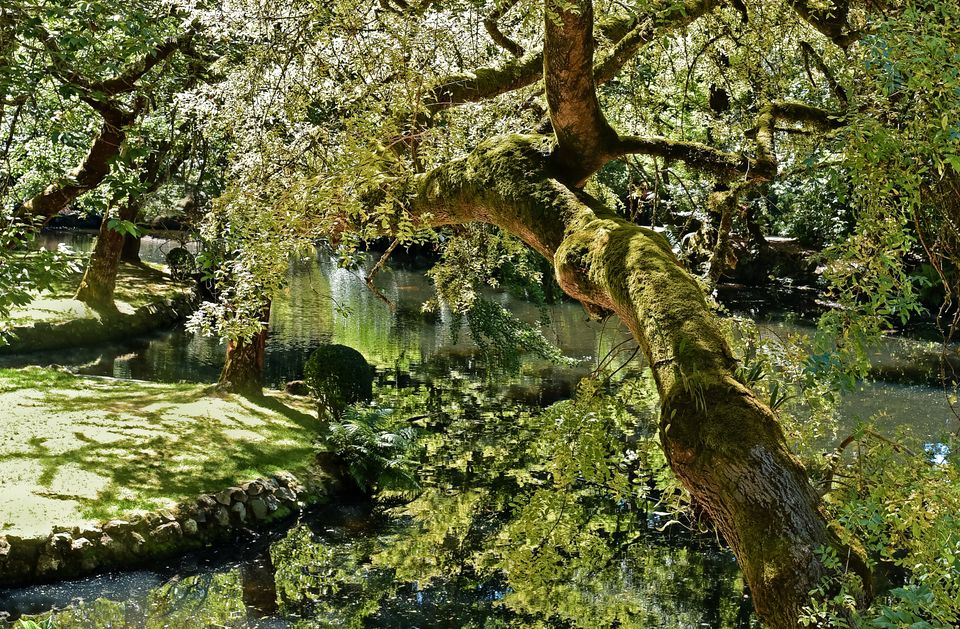
Balance and harmony are the most important elements in a Japanese garden. Because when everything in the garden is perfectly balanced, life energy, the ki, can flow undisturbed. So here again you can see Shintoism in which harmony is essential. In 1900, Westerners travelled to previously isolated Japan for the first time. They were so impressed by the gardens that they brought this idea to Europe.
Thanks to them, you can also stroll through Japanese gardens in the Netherlands. My favourite is the Japanese garden Landgoed Clingendael, which has a special historical touch. In fact, this garden dates back to 1910, making it the only Japanese garden in the Netherlands from that era. In 2001, it was even designated a national monument because of its historical value. Apart from some other Japanese gardens, you will also find Japanese elements in some castle gardens. Twickle Castle, for instance, has two bonsai trees that are 200 to 250 years old.
3. Experience 'Japanese' Onsen in Wellnessresort de Waterlelie
Japan is a volcanic archipelago. A nice touch are the so-called Onsen: hot springs where volcanically heated water rises. A dip in the warm water is not only relaxing, the minerals in the water also have healing properties. Doesn't sound wrong, does it?
Fortunately, we also have a version of this in our own country. At Wellnessresort de Waterlelie, you can bathe carefree. This resort is the only sauna in the Netherlands to have a Green Key Certificate, a sustainability certificate with high standards. Via ingenious methods, De Waterlelie minimises its emissions and energy consumption and increases your sauna enjoyment. Take a dip in the outdoor pool or sweat out the stress in one of the saunas.

4. Special (vegan) sushi restaurants in the Netherlands
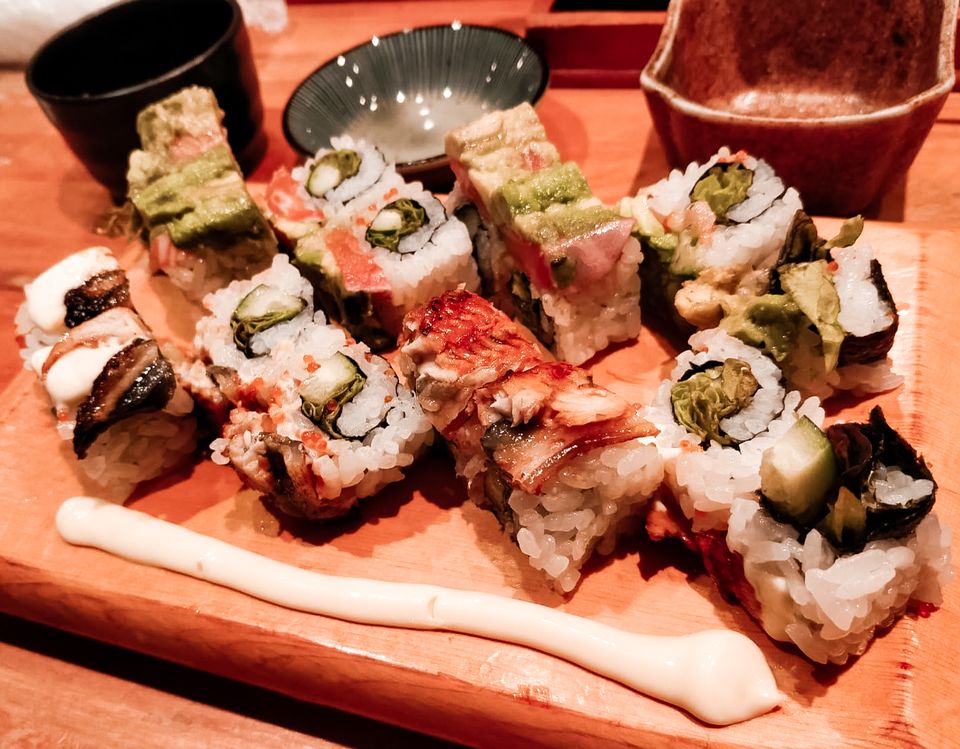
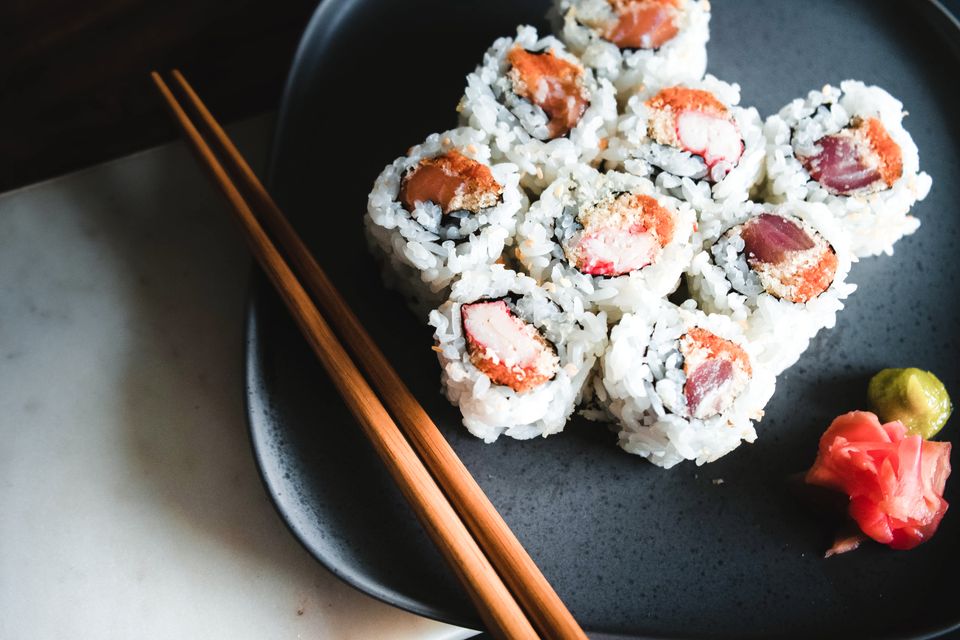
When I think of Japan, sushi comes to mind first. To be fair, for the most traditional sushi experience, you really have to go to Japan, such as the Tsukiji fish market in Tokyo. But in the Netherlands, some nice concepts concerning this beloved dish have emerged in recent years.
A sushi restaurant that stands out for me is Sushi Morikawa. Of course, in Japan you have different kinds of sushi, but in the Netherlands we are mostly familiar with sushi from the region around Tokyo. The chef at Morikawa is from Osaka in Japan and makes the special Hako Sushi from the Osaka region. As far as I know, Sushi Morikawa is the only restaurant in the Netherlands where you can taste this kind of sushi.
5. Seaweed plantations in the Netherlands
Yes, you read it right, seaweed. Also very important in Japan. In the sea that surrounds Japan, more than hundreds of species of seaweed grow and a large proportion of these are used in dishes such as biscuits, soup and, of course, sushi. The Netherlands of course lies on the North Sea in which several seaweed species can also be found, although seaweed biscuits are not so common here.
But seaweed is not such a bad thing, the founders of the seaweed farm Wildwier thought so too. After all, it is healthy, a good meat substitute and therefore a very sustainable product. At Wildwier, the seaweed is picked by hand on a small scale with great respect for nature. Curious about how this is done? Wildwier organises excursions where they take you on a seaweed walk, ending with a bite of homemade vegetarian Wildwier sushi.

6. Japan Museum Siebold House
Another special place where you can experience Japan is in the Japan Museum Sieboldhuis in Leiden. Here you will be introduced to Japanese art, culture, nature and science.
The foundation Japanmuseum SieboldHuis was founded in 1999 and the accompanying museum was opened in 2005. In the Japan Museum you will find temporary exhibitions as well as a collection of the finest from past and present Japan. This collection consists of museum pieces such as prints, ceramics, fossils, coins and other treasures. The doctor Philipp Franz von Siebold collected everything himself in Japan between 1823 and 1829. Special to look around if you want to imagine yourself in Japan for an afternoon.

To be amazed, you often don't have to go far away; the Netherlands never ceases to amaze me. Even now that a dream trip to Japan will have to wait, there is still enough special stuff close to home to satisfy this hunger for travel for the time being. Will you also experience Japan in the Netherlands? Let us know via Instagram with the #heyhoneyguide or via @honeyguide.nl/en.
Love,
Laura