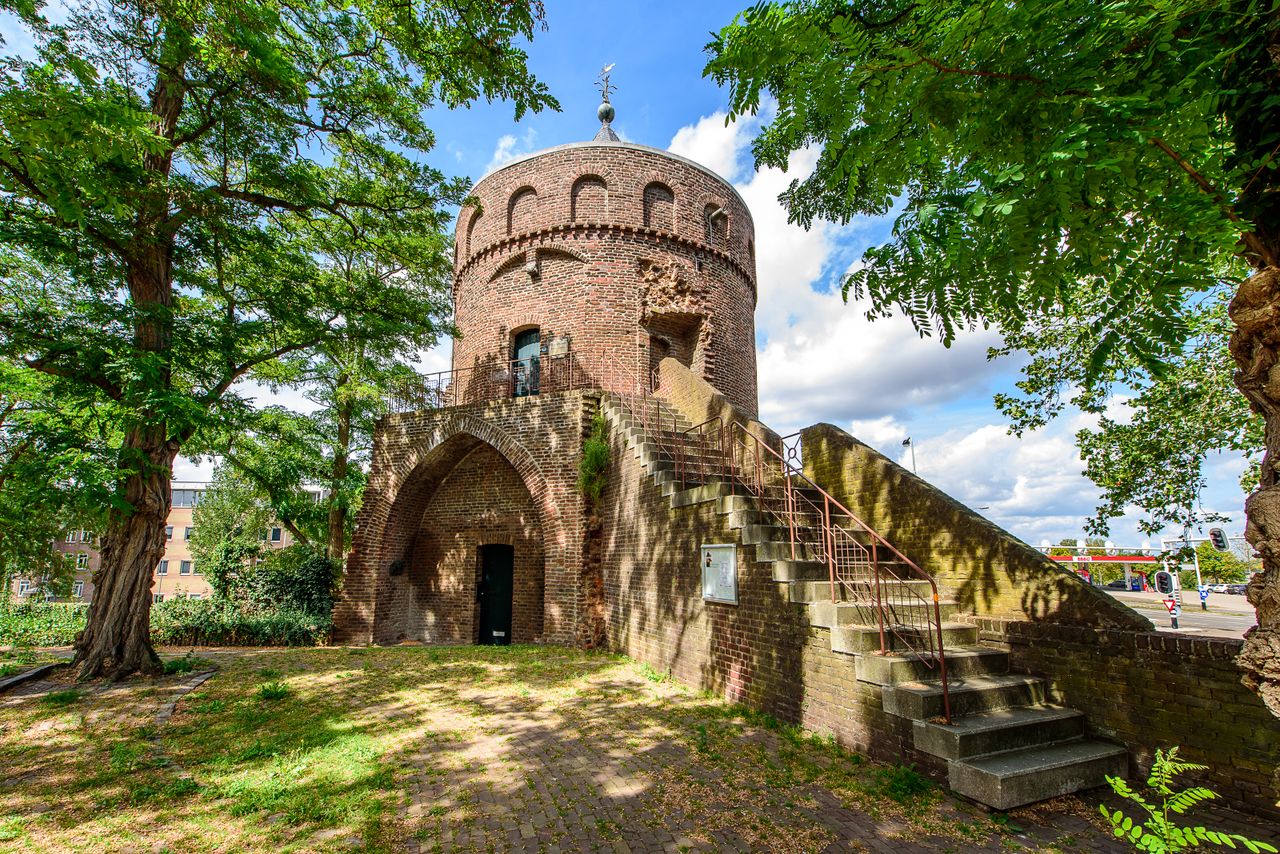
From implacable resistance heroines to combative feminists: Dutch history has powerful women with stories that deserve to be told. Not only in books or documentaries, but also in places where their footsteps can still be felt. In this article, we take you along five women and their impressive life stories, linked to places in the Netherlands where you can really experience their stories. Be inspired and amazed by these women, who did not let the standards of their time hold them back.
1. The Women of Thorn - Free women
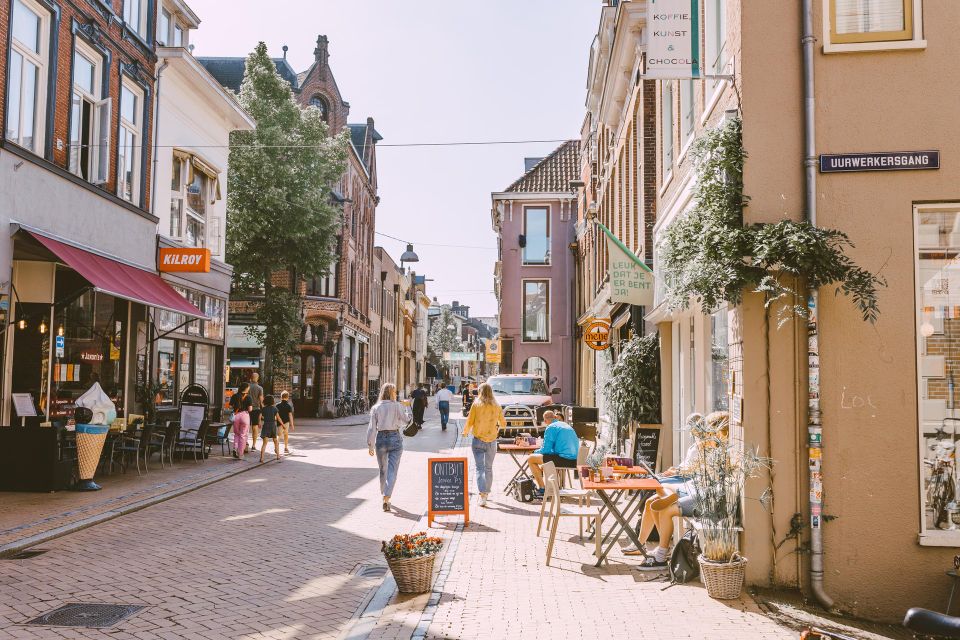
Thorn is an incredibly photogenic Limburg town. It is known for its many white houses, monumental buildings and winding alleys, with the Abbey Church towering proudly above the silhouette of the town. But there is something else that typifies Thorn. For much of Thorn's history, women were in charge. For eight centuries the power lay with a group of collegiate ladies: women of noble birth. Something that was not at all normal for that time. Women were independent and had a clear will of their own, while the rest of the world was dominated by men.
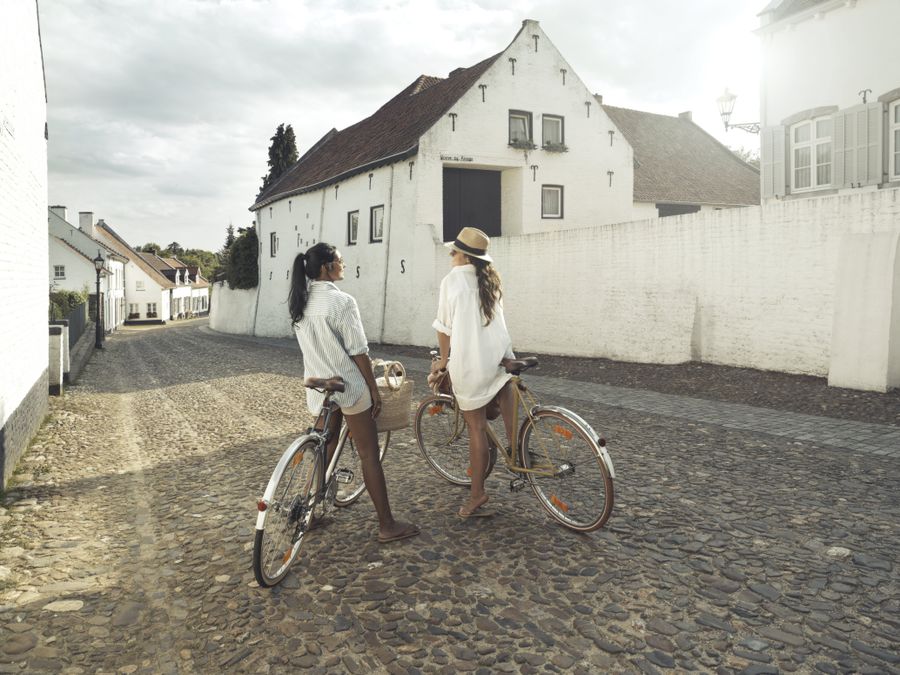
The history involved goes back to the year 992. A count and his wife founded an abbey in Thorn: a family monastery whose daughter Benedicta became its first abbess. In the years that followed, it increasingly formed into a shrine, which can be seen as an exclusive, worldly-oriented women's monastery. The stifts ladies always chose their abbess in their own group. This abbess exercised secular power. There was much luxury and freedom in the noble stift. This freedom existed because the women did not have to take a monastic vow. At the end of the 18th century, Napoleon put an end to the independence of the ministate, and thus also of the abbesses. But the fact that for so long a group of women was so powerful... We don't forget that.
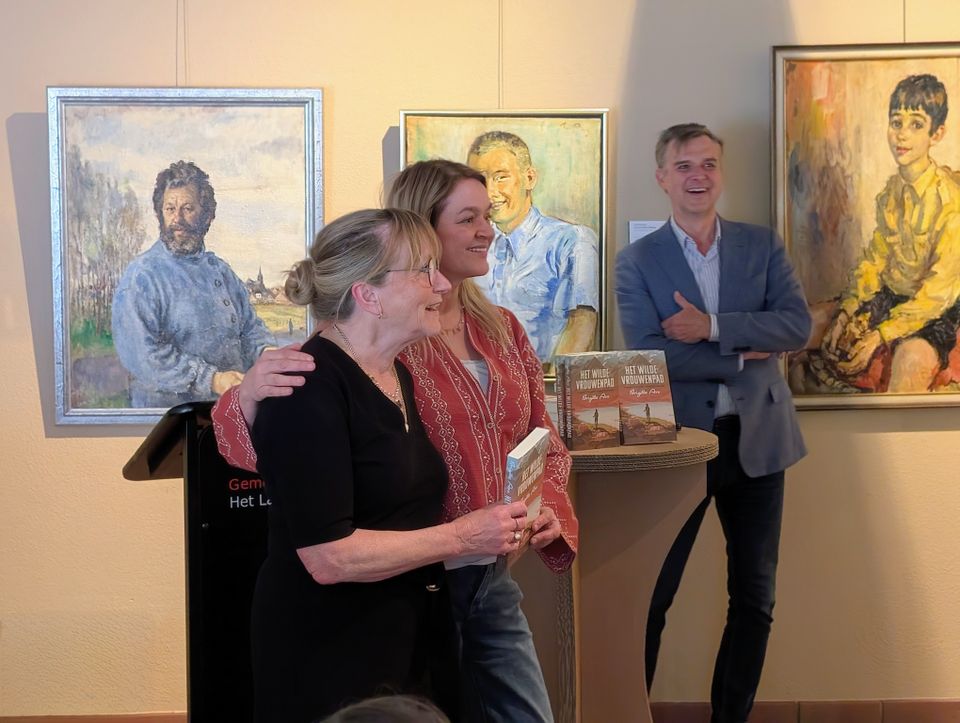
During an organised guided walk in Thorn, you will discover the stories of these women. As you stroll past the famous white houses, you will get to know the Thorn women in power better. Another tip: the book Het Wilde Vrouwenpad by Brigitte Ars. Brigitte explored several international 'women's paths', or routes that focus on historical stories of adventurous and free-spirited women. A walk through Thorn is one of them. Highly recommended!
2. Aletta Jacobs - Fighter for women's voting rights
Aletta Jacobs gave Dutch women a voice in the nineteenth century. Literally, because thanks to her, women were allowed to go to the ballot box for the first time in 1922. But that's not the only thing Aletta was combative about as a woman. Indeed, Aletta, born in 1854, also refused to follow the traditional path that took her to ladies' school. Instead, she wanted to fulfil her dream: to become a doctor. It took some convincing from minister Thorbecke, but eventually she was allowed to study at the University of Groningen. As a woman, she stood her ground at the university - which at the time only had men around - and was the first woman to successfully complete her studies. Aletta eventually opened her own general practice at the age of 23. Again a first, as she was the very first female general practitioner in the Netherlands to graduate from university.
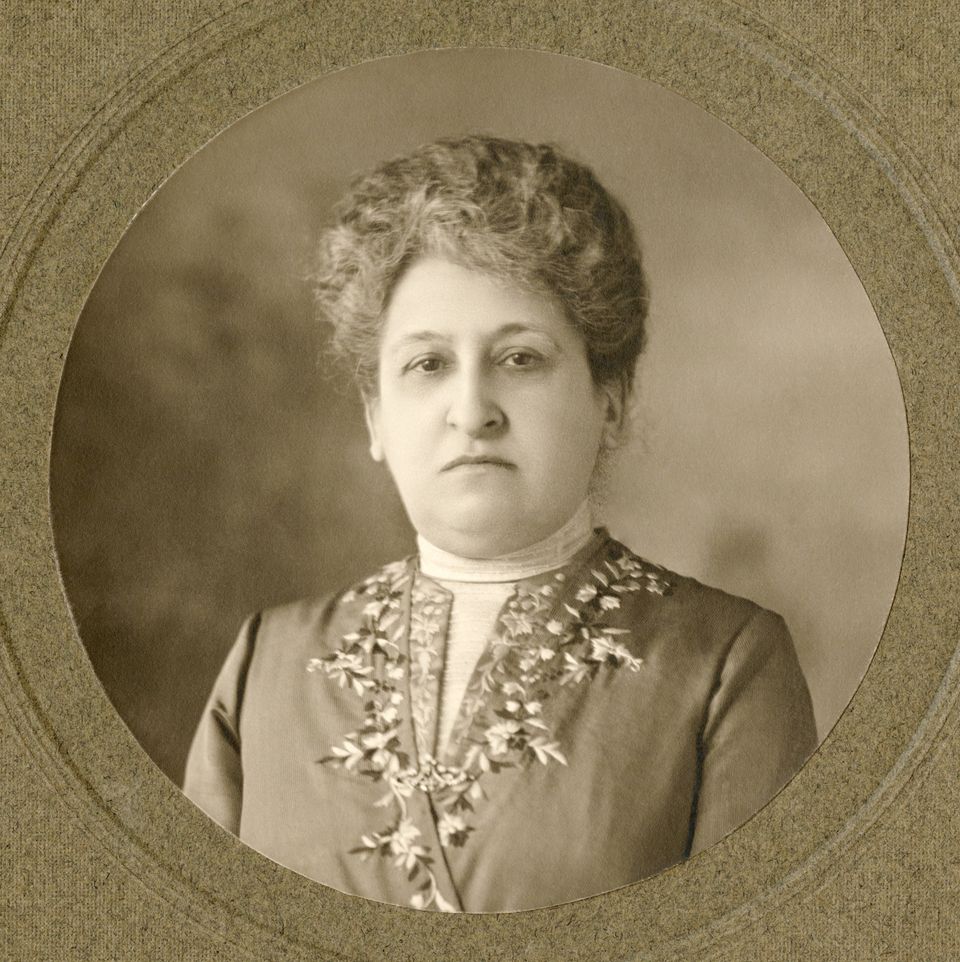
She had a big beating feminist heart and dedicated herself to the female fellow man. Did you know that she was the first (female) doctor to promote the pessary as a contraceptive among women? And that she fought for better working conditions for checkout girls, who had to stand in a shop for 15 hours a day? Thanks to her, a law was passed in 1902 making seating facilities mandatory for shop assistants. You can probably imagine how much relief that gave to the backs, knees and joints of these hard-working women.
Aletta Jacobs inspires. She is a figurehead of Dutch history, especially in the field of feminism. Want to follow in Aletta's footsteps? You can do so in Sappemeer, a place near the city of Groningen. During a five-kilometre walk, you will pass all kinds of historical traces from Aletta's life. Like her birth house, but also the former HBS: the place where she went to school. Take a sneak preview of the walk on the visitgroningen.nl website.
3. Wilhelmina Drucker - A fanatical feminist
Another inspiring pioneer of feminism in the Netherlands: Wilhelmina Drucker. Also called 'Iron Mina', a name that says something about her fanaticism as a feminist. Wilhelmina was an Amsterdam politician and writer who fought for women's rights. In 1889, she founded the Free Women's Association (VVV). She did so because she noticed that in the Social-Democratic Union - the party she was active in at the time - the interests of women were not sufficiently represented. Wilhelmina did not mince her words. When it came to women's rights, she dared to speak out.
The economic dependence of women and inequalities in marriage law are just some of the topics she discussed. She wrote countless articles expressing her feminist voice. Remember the Dolle Mina's, the activist, feminist movement launched in the late 1960s? The name of this group was derived from Wilhelmina Drucker. And yes, Wilhelmina also fought her battle alongside Aletta Jacobs. In 1894, the two heroines founded the Vereeniging voor Vrouwenkiesrecht (VVK).
Want to feel Wilhelmina's fighting spirit yourself? Then walk the Women's Suffrage Walk through Amsterdam. In 2.5 hours, you will pass all kinds of places that were important in the history surrounding women's suffrage. Several places are reminders of Wilhelmina, such as her birthplace at the Kattengat. You can find the complete walk on the artia.nl website.
4. Hannie Schaft - Heroine of the resistance in World War II
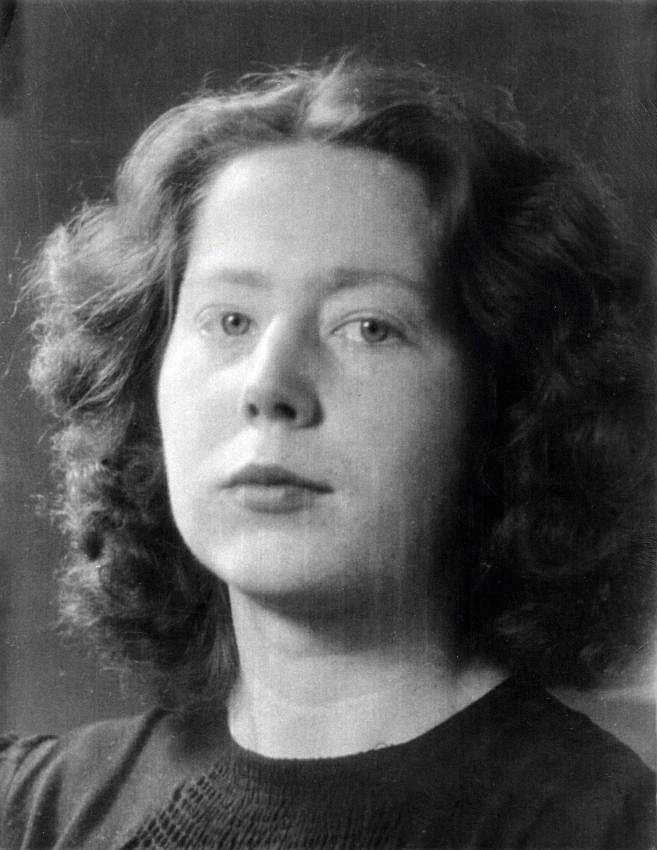
Hannie Schaft is a resistance heroine who was active during World War II. The Haarlem native is the best-known female resistance fighter our country has known. When war broke out in our country in 1940, she was a student. That stopped when the Germans demanded a declaration of loyalty from all students. She joined the Council of Resistance in 1943. Hannie was fearless and determined to fight her battle against the enemy. The list of heroic deeds is endless. She passed on information about German defences, distributed banned newspapers, transported weapons, arranged fake identity cards and escorted people in hiding to new hiding places. And if necessary, she was not afraid to eliminate the enemy directly - even if it involved violence.
Because she had a false identity card herself, she was able to obtain information quite easily and move around freely for a long time. She therefore only gave herself the name 'Hannie' - derived from Johanna Elderkamp - in 1944, when she obtained a new identity card. In fact, Hannie's real name is Jannetje Johanna Schaft. In the end, Hannie paid for her heroics with death. On 17 April 1945, just three weeks before the liberation of the Netherlands, she was murdered by the enemy. A untidy grave in the dunes is all that was left to 'the girl with the red hair'. Sand over it - as if Hannie would be easily forgotten.
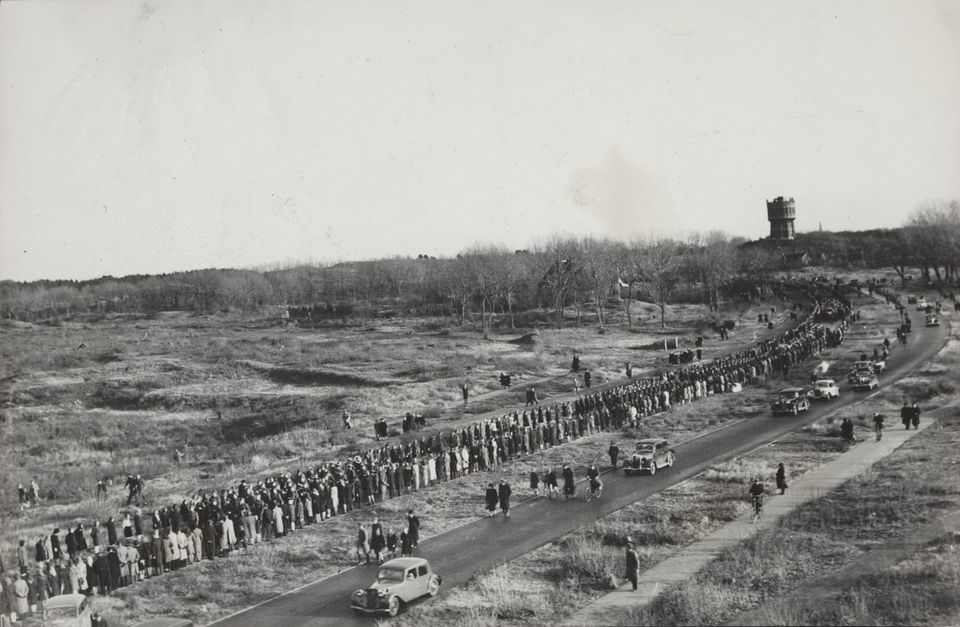
Fortunately, they are not. Hannie was later reburied at the Kennemerduinen Cemetery of Honour, near Bloemendaal. In this serene place, she rests among her fellow resistance fighters. You can visit this impressive cemetery and combine it with a walk through the Kennemer dunes. Hannie's story is also covered at the Resistance Museum in Amsterdam. There you can see her disguise glasses, among other things.
5. Entgen Luijten - The last witch of the Netherlands
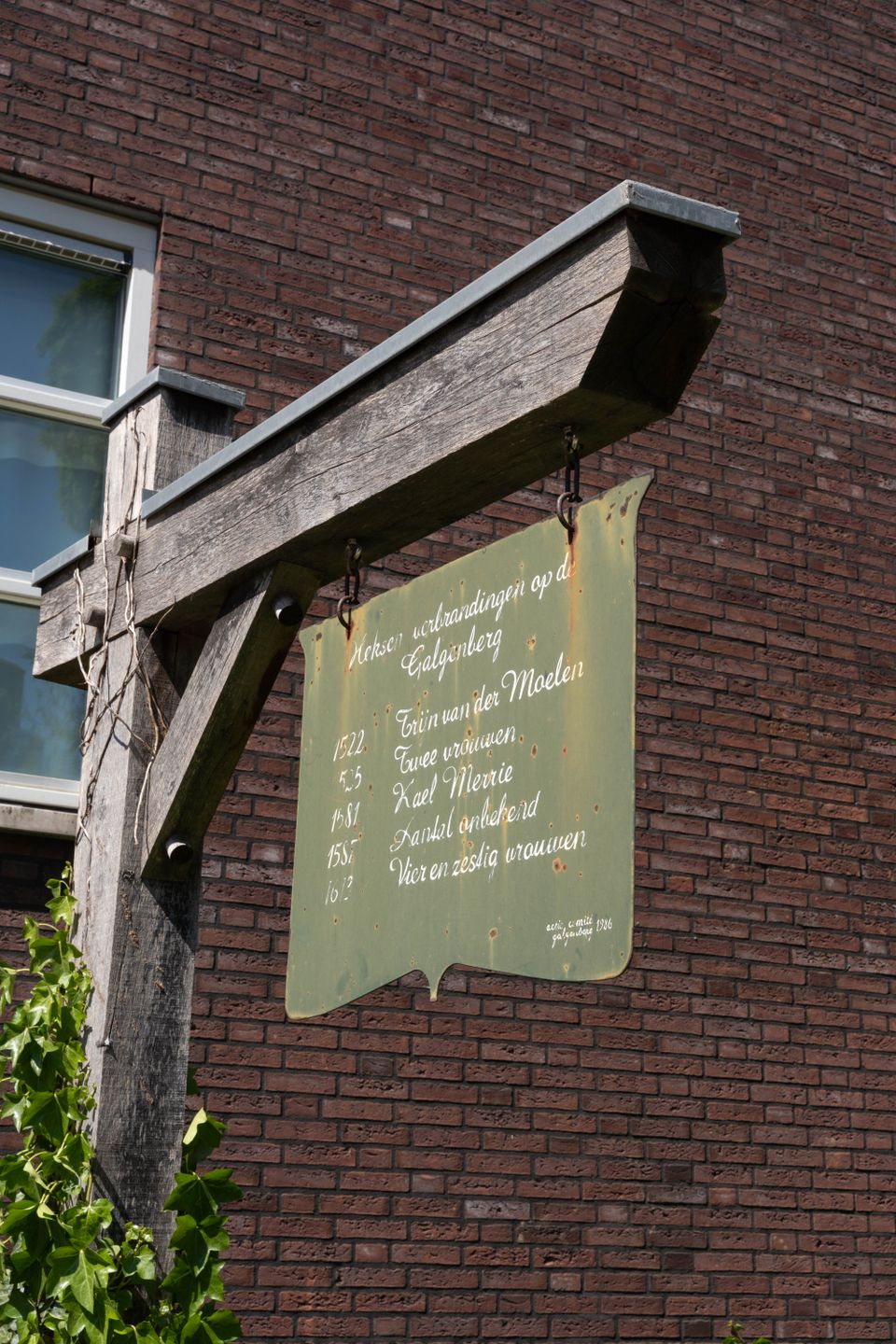
For about three centuries, between 1450 and 1750, Europe was under the spell of witchcraft. There was a persistent belief in the existence of witches: people who did evil with inexplicable supernatural powers and had a pact with the devil. As many as 80 per cent of those accused of this were women. One of them was Entgen Luijten, the last woman persecuted and murdered as a witch in the Netherlands. Death was then an almost inevitable consequence of the persecution of witches.
Entgen faced the same fate. She was a smart woman with great knowledge of nature: something she loved to use to help others. A couple of accusations - where others were convinced that Engten was making them sick - reinforced the belief that she was a witch. Entgen awaited confinement in the dungeon of Limbricht Castle. There she sat for months awaiting her trial, while continuing to deny accusations. The helpless woman languished in the dungeon. She was found lifeless in her abode after several months of captivity. Whether she freed herself from her hell or was murdered is a question that still remains unanswered.
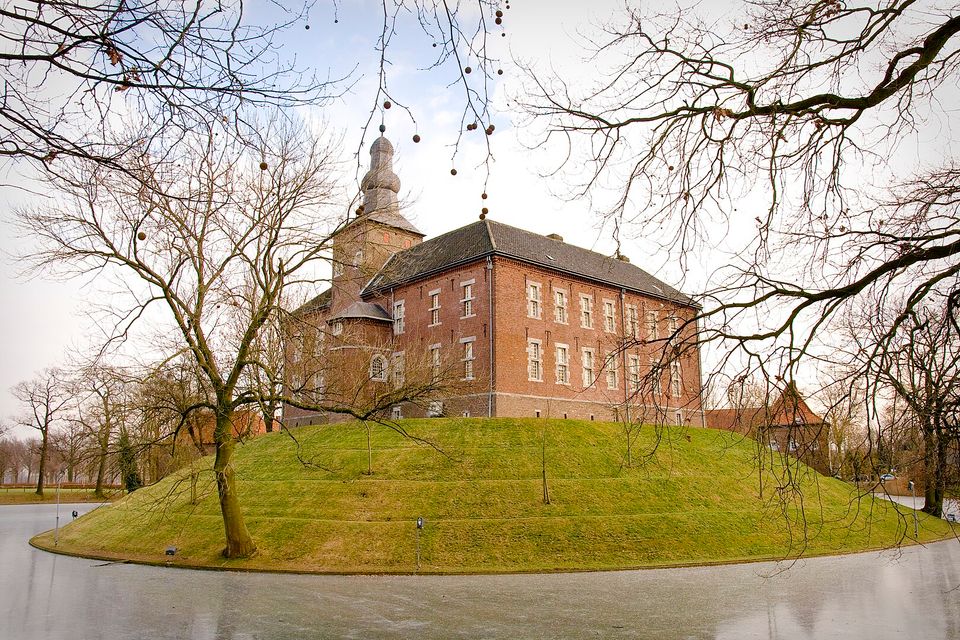
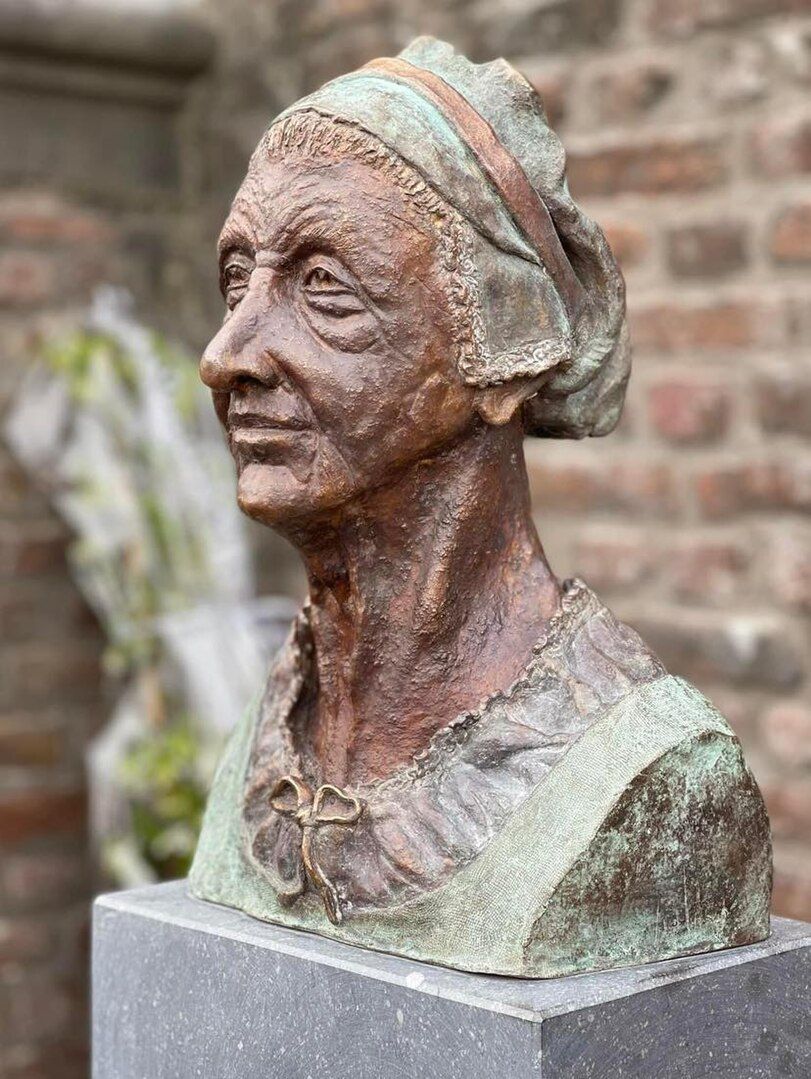
You can still visit Limbricht Castle. We tip you off to the historical podcast route, in which the story of Entgen Luijten is covered in detail. While the story rings in your ears, you walk between the castle walls where so much history resides. During the route, you can even see the dungeon where Entgen spent her last phase of life. You can book the podcast tour on the website of kasteel-limbricht.nl. By the way, the book 'De heks van Limbricht' by Susan Smit is also highly recommended. In this novel, based on historical facts, you are swept up in Entgen Luijten's story from the very first page.
Let's continue to tell the stories of these women. They are too special to let go, don't you think?
Love,
Jeske