Germany has so many beautiful places. With more than 100 natural parks, 46 UNESCO World Heritage Sites and 12,000 lakes, the country is a true paradise for nature lovers. At Honeyguide, we love it! In this blog, I share four beautiful nature reserves and national parks in Germany, such as the Eifel. They are all just across the border from the Netherlands and are really worth a visit.
1. The German Wadden Islands - Undiscovered pearls in the Wadden Sea
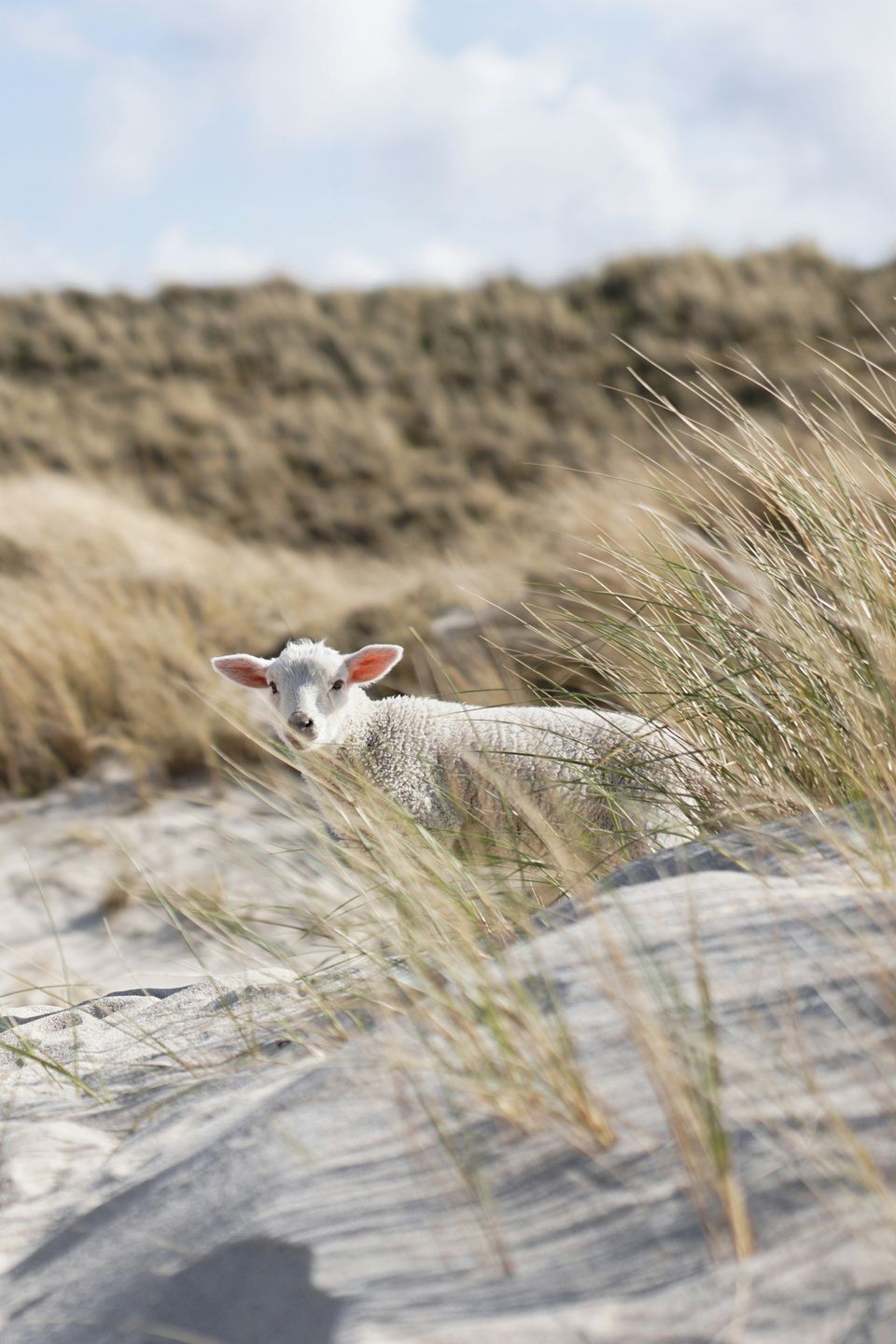
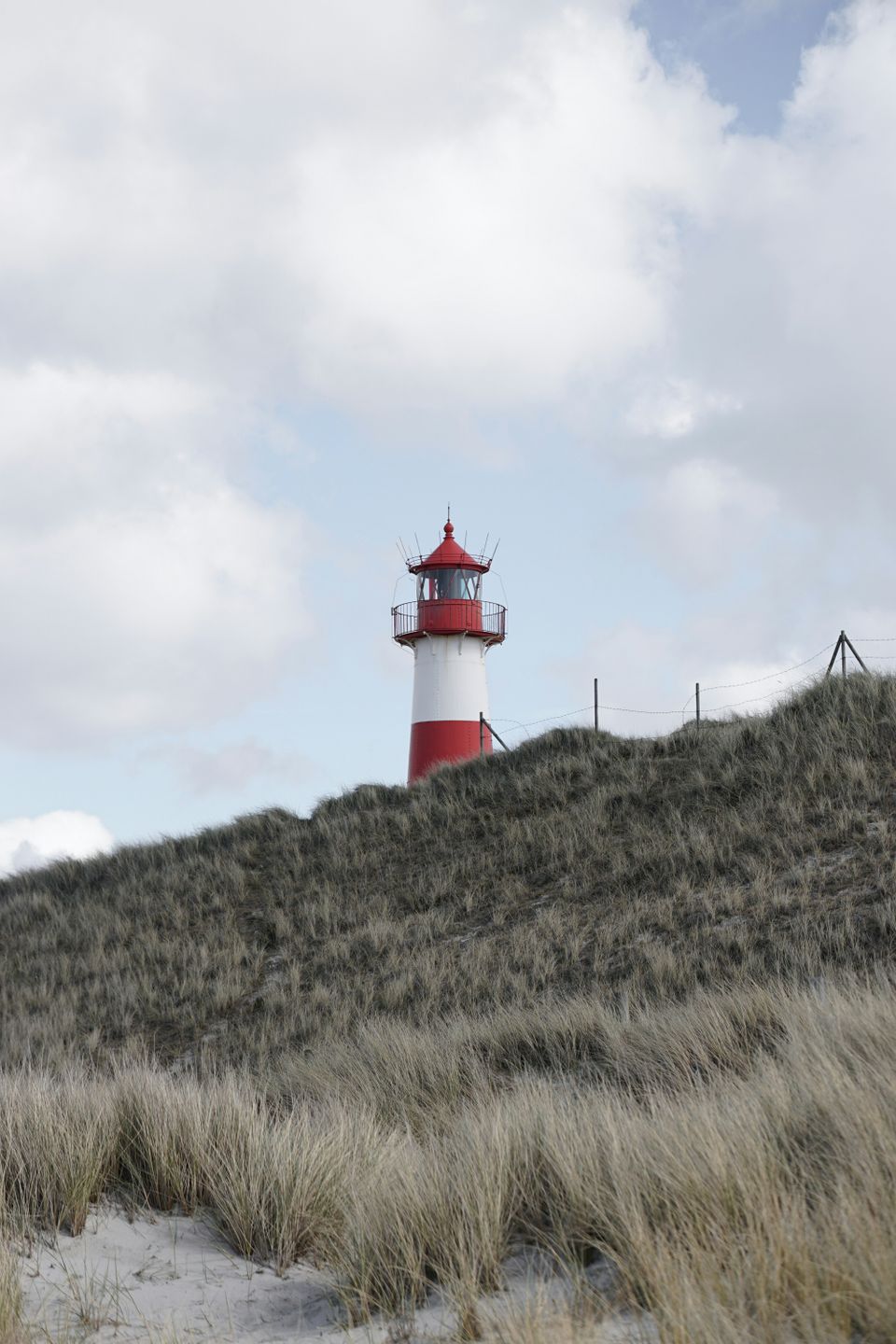
Did you know that Germany also has very beautiful spots on the Wadden Islands? These islands are close to our own Wadden and are perfect for those looking for peace and quiet. From Borkum to Sylt, the German wadden region comprises three national parks that together form the National Park Wattenmeer.
Each island has its own character. For instance, Juist is car-free and ideal for long walks. At low tide, you can walk endlessly across the mud flats, and with a bit of luck you will spot seals on the beach. Don't forget to bring your binoculars! You will also still meet traditional beachcombers on this island.
Unlike Juist, Norderney is completely different. This island is one of the most visited and developed of the German Wadden Islands. You will find luxury hotels, atmospheric restaurants and wellness centres. The Kurtheatre, Kurhaus and Kurhotel are architectural eye-catchers that reflect Norderney's rich bathing history. You can experience this history in the Bademuseum, where you will learn more about the tradition of spas.
2. Eifel National Park - A young volcanic nature reserve
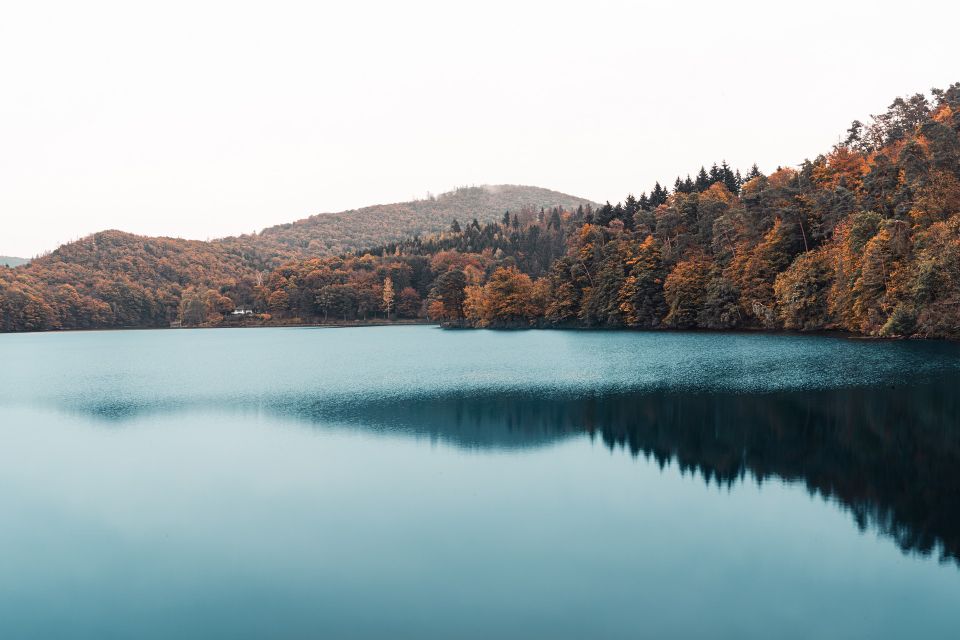
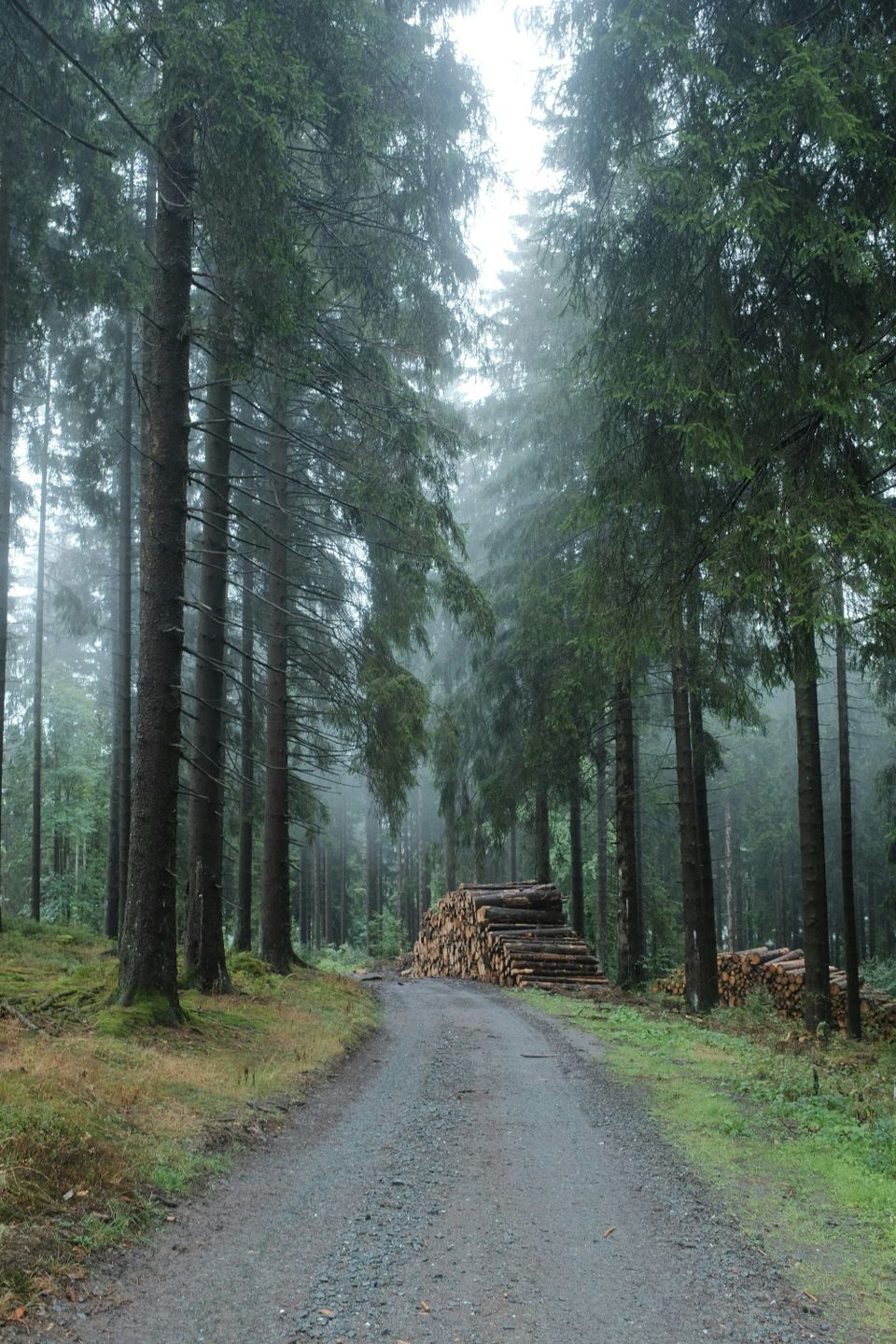
Eifel National Park offers a rugged landscape with dense forests, deep blue lakes and colourful flowers. The Eifel is known as Germany's youngest volcanic region. The volcanoes are relatively recent in geological terms, with the last eruptions about 10,000 years ago. This activity has resulted in beautiful crater lakes that form a unique ecosystem.
The park is also called a 'National Development Park' because it does not yet fully meet the international criteria for national parks. Certain areas are given 30 years to return a significant part of their space to nature. This gives thousands of endangered animal and plant species a chance to return. Animals you regularly spot here are the black stork, the wild cat and the eagle owl.
Tip: hike the Wildnis-Trail. This trail lasts no less than four days and stimulates all your senses. The trail is 85 kilometres long and starts in Monschau-Höfen, where you hike towards the northern summit at Hürtgenwald-Zerkall. Per day, you cover about 18 to 25 kilometres. Accommodation will be arranged for you.
3. Hunsrück-Hochwald National Park - Myths and nature in harmony
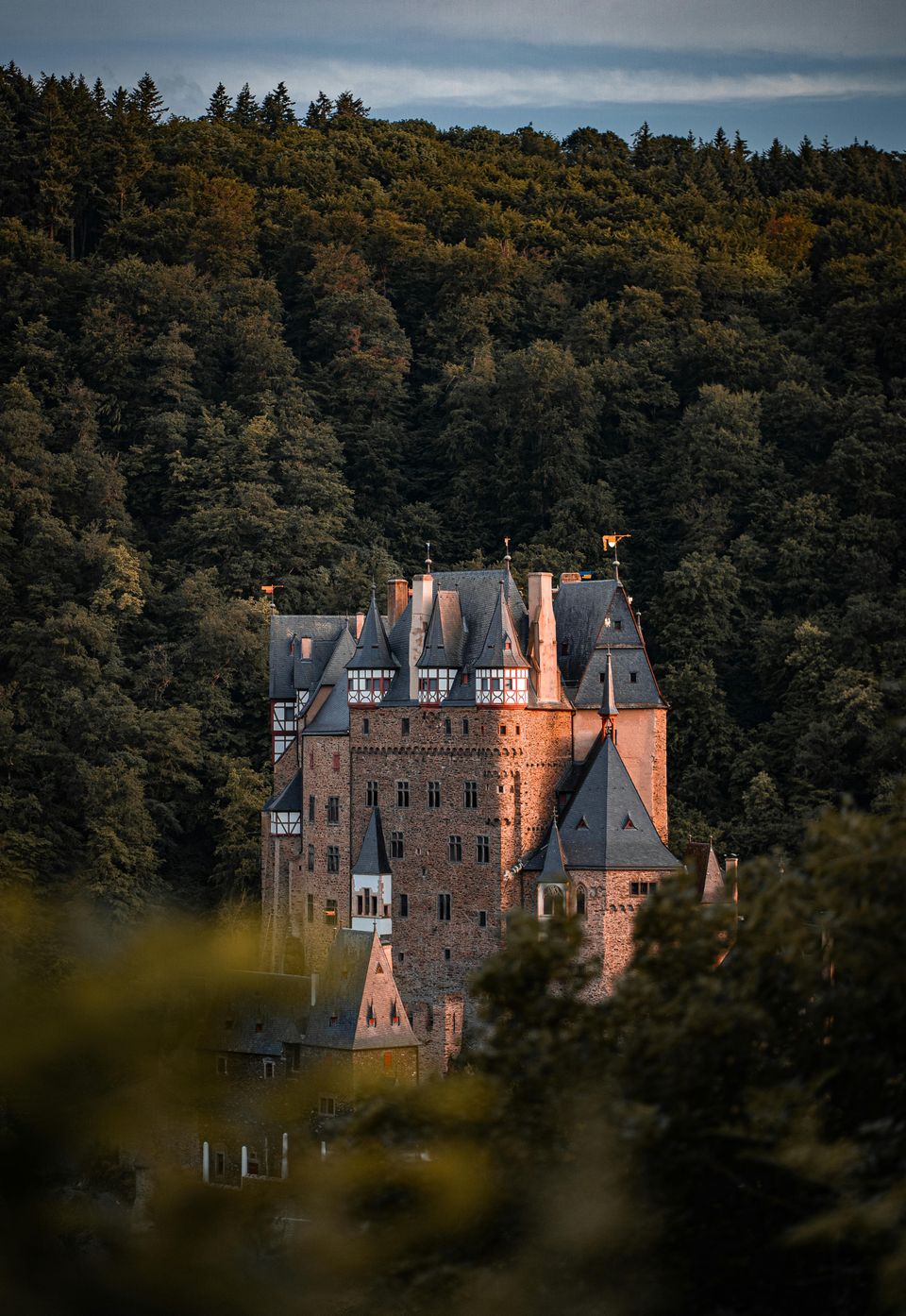
From the Eifel, we move on to Hunsrück-Hochwald National Park, also one of the more beautiful places in Germany. This area lies between the Saarland and Rhineland-Palatinate. Here you will find beech forests, unusual moors and Celtic history. Visit the Celtic Wall in Otzenhausen for a fascinating journey back to a time of myths and legends.
Choose a walking route between 7.5 and 14 kilometres and discover the beautiful landscape. There are six so-called 'Traumschleifen' (dream loops), certified as premium hiking trails. The park also has several barrier-free options. For example, there are tours especially for people with walking difficulties or visual and cognitive impairments.
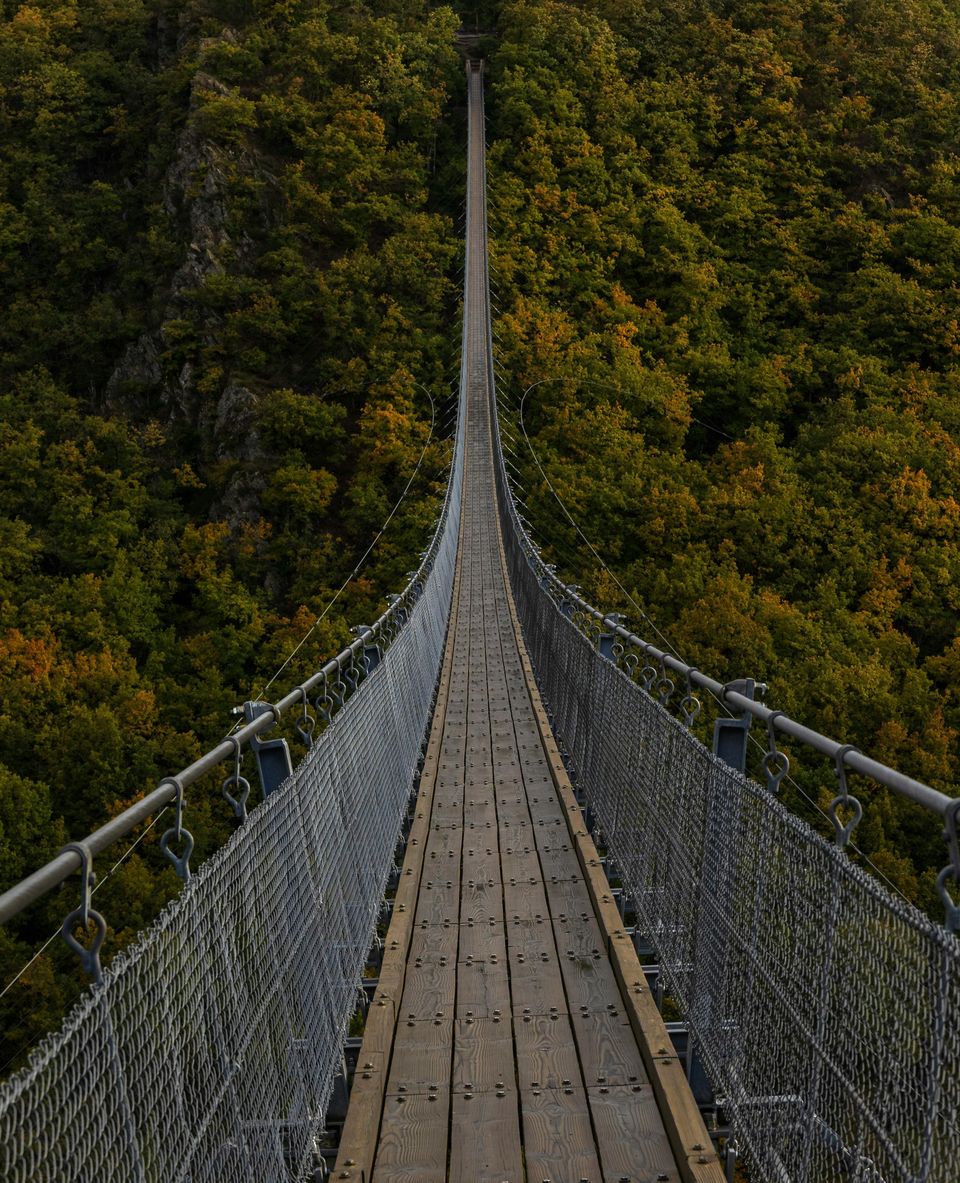
For daredevils, there is the Geierlay suspension bridge. This impressive bridge hangs 100 metres above the ground and challenges you to make the 360-metre crossing. From here, you have a fantastic view over one of Germany's most beautiful natural areas.
4. Sauerland - From industrial history to natural splendour
Sauerland is just a few hours' drive from the Netherlands. This region is beautiful all year round. Of course, in winter it is ideal for skiing in Winterberg, but also in the other seasons it is a lovely place to be. The landscape consists of medium-high mountains, reservoirs, caves and historic towns.
Once upon a time, Sauerland was an industrial region where a lot of iron was mined. Today, traces of this heritage are still visible. Especially in the Ramsbeck mining system, which now serves as a museum. Here you discover the life of the miners, and not just anywhere, but deep underground. A little train takes you first into the mountains, after which you explore the museum.
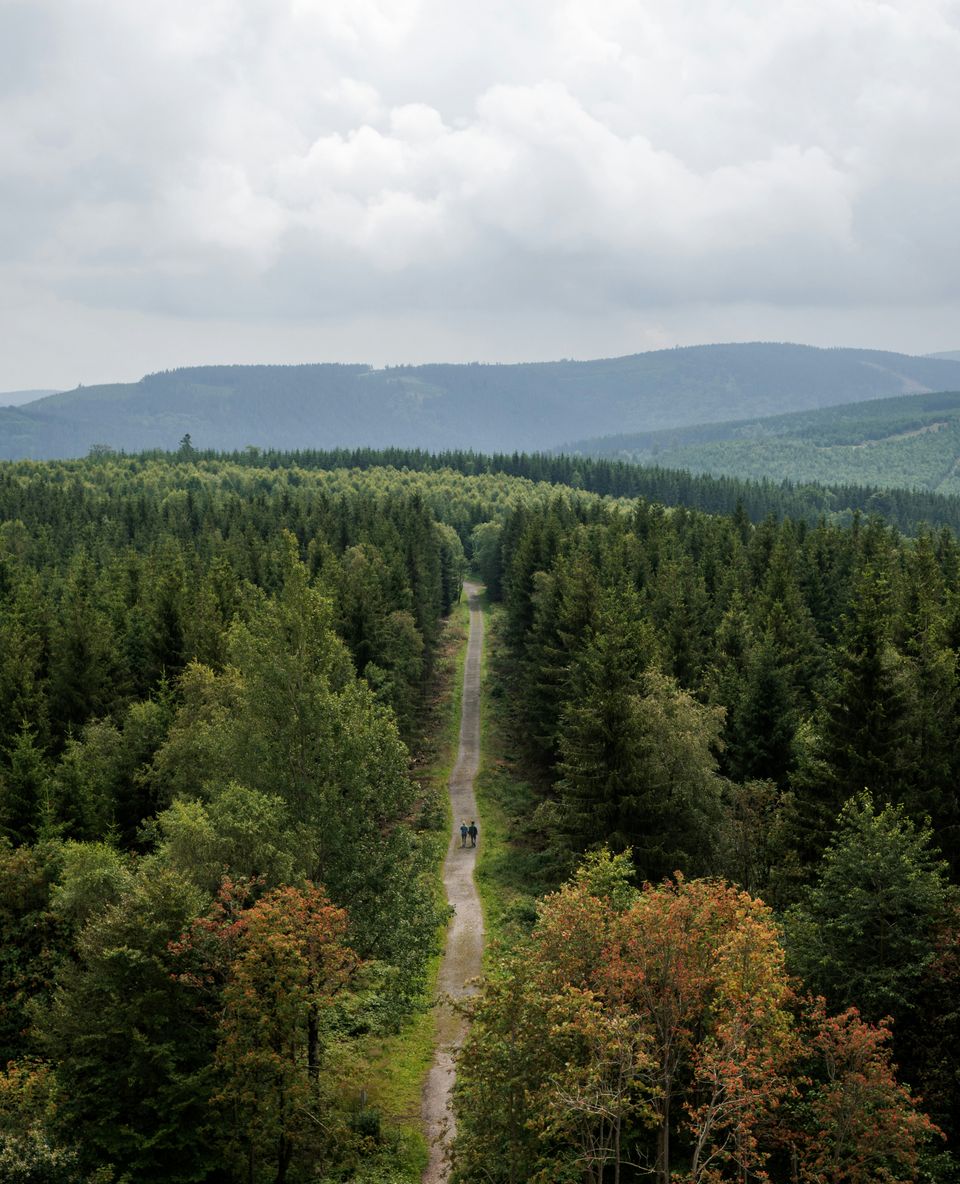
Tip: follow the Gorge and Bridge Trail in Winterberg. This 4.1-kilometre trail leads you through dense forests and over narrow paths full of bridges.
Respect nature - Stick to the rules
It is important to let nature take its course and respect it. Bring back your own rubbish, stay on the footpaths and keep it quiet. Do not pick flowers, plants or herbs and leave the animals you encounter alone. Check in advance whether dogs are allowed. If so, keep your faithful four-legged friend on a leash.
Have you ever visited any of the above nature reserves in Germany, such as the Eifel? Let me know by using @honeyguide.co.uk or #heyhoneyguide on Instagram.
Love,
Discover more in Germany - More blogs
-
9x what to do in Aachen, Germany
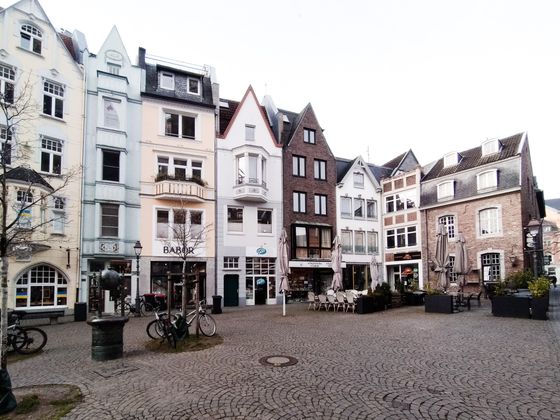
Aachen (or Aachen in German) is a vibrant student city. It is therefore the perfect destination for a city break in Germany, just across the border.
-
On a city break abroad: what to do in Münster
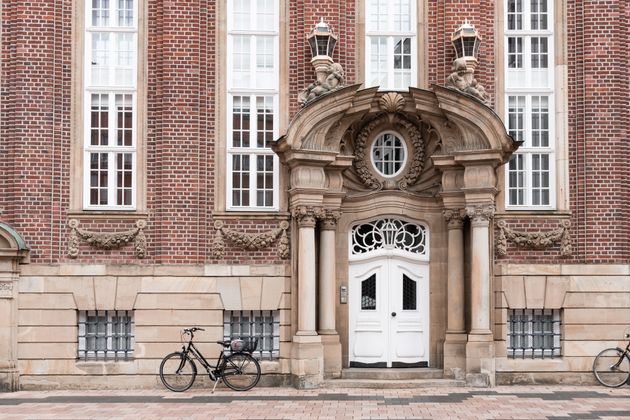
No place was probably as defined for Dutch history as Münster. Today, the past lives very well with the present.
-
6x things to do in Kleve across the border near Nijmegen
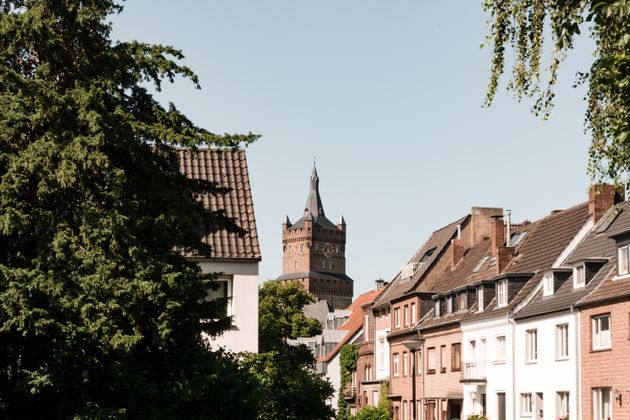
A stone's throw from Nijmegen is Kleve in Germany. Enjoy German breakfast culture, go zero waste shopping or sleep in a lotus house.