

From the beach at Ouddorp, I look out over the sea. Grey sky, white foam heads and wind force 4. I have rarely experienced the North Sea differently. Yet it is a day I will not forget in my life. Just beyond the surf, a tiny seal pup pokes its head above the waves to look back for a moment. After three months of rehabilitation at the seal sanctuary, Honey -our adopted seal- is heading for his second chance.
Seals in the Netherlands
With clammy hands and butterflies in my stomach, I stand in front of the entrance to A Seal seal sanctuary in Stellendam, near Ouddorp on Goeree-Overflakkee. Today a childhood wish is coming true; I am going to release a seal on behalf of the conscious travel platform Honeyguide.
At the visitor centre, I’m welcomed by Vincent, the head seal keeper. A cheerful Flemish man who has turned his passion into his profession and commutes weekly between the Netherlands and Belgium for his work.
“In the Netherlands, we have two species of seal,” he explains. “The harbour seal and the grey seal. More than 2,000 seals live in the area covered by our seal sanctuary, from IJmuiden to Cadzand. But you’ll also come across them in other parts of the Netherlands, such as the Wadden Sea. Seals love to sleep and sunbathe on sandbanks. There’s a good chance you’ll spot them there in the wild.”
“ The Netherlands has three seal rescue centres: A Seal near the Zeeland Delta and Pieterburen, and Ecomare near the Wadden Sea. ”
Chief caretaker Vincent | A Seal Stellendam
Rehabilitation in the seal shelter
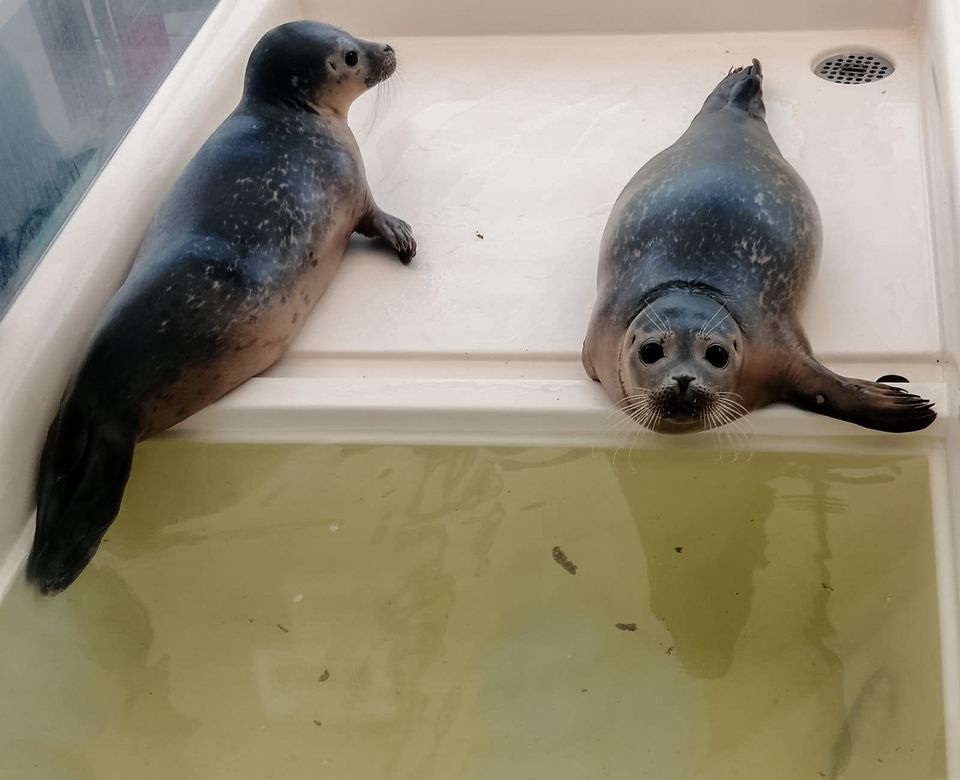
In the small visitor centre, I look through the windows behind which seals lie, swim and play in their enclosure. “Now that winter has arrived, the grey seal pup season has begun. In the first few weeks and months, it’s mainly pups that are brought in, and they’re often weak. This is often because they lose their mothers, or because mothers abandon their pups after 2.5 weeks – on a sandbank, in the dunes or on a very busy beach.”
We walk past the area where sick seals are in quarantine; the first stage of rehabilitation at the seal sanctuary. Vincent continues his story: “After that, we get young seals with lungworms. Every wild animal has parasites. During a cold winter, or a period of storms at sea, when food is scarce because fish migrate to warmer waters, it’s difficult for a young seal to survive. Parasites, such as lungworms, then quickly take hold.”
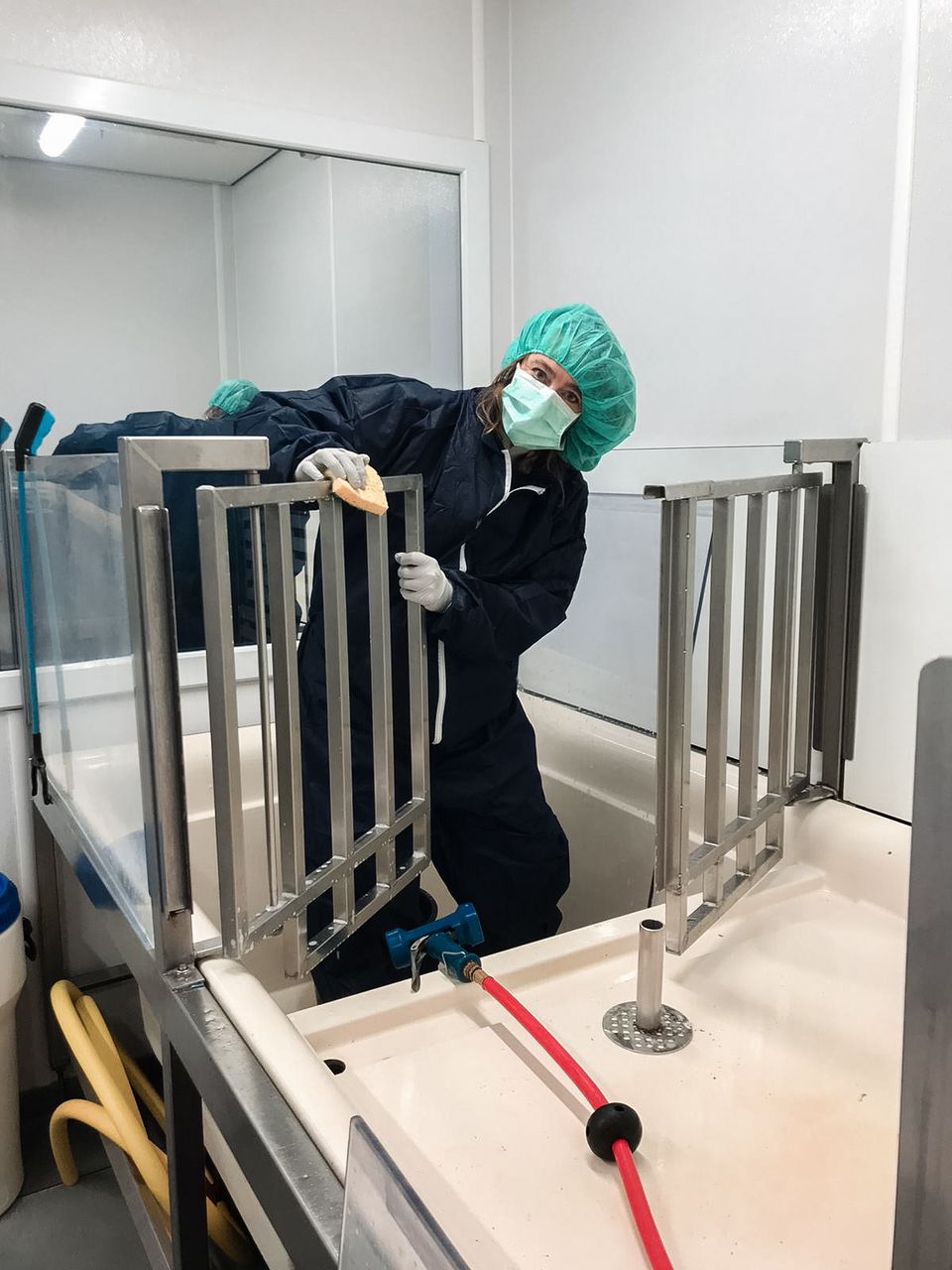
Adopt a seal at A Seal
When we walk past the outdoor pools, the contrast between inside and outside is like night and day. Whereas inside the seals were clearly still weak, outside they are curious and full of energy. Two seals swim towards us and romp for a spot in front of the glass. My admiration for Vincent and all the people at A Seal seal sanctuary grows by the minute. What a wonderful job.
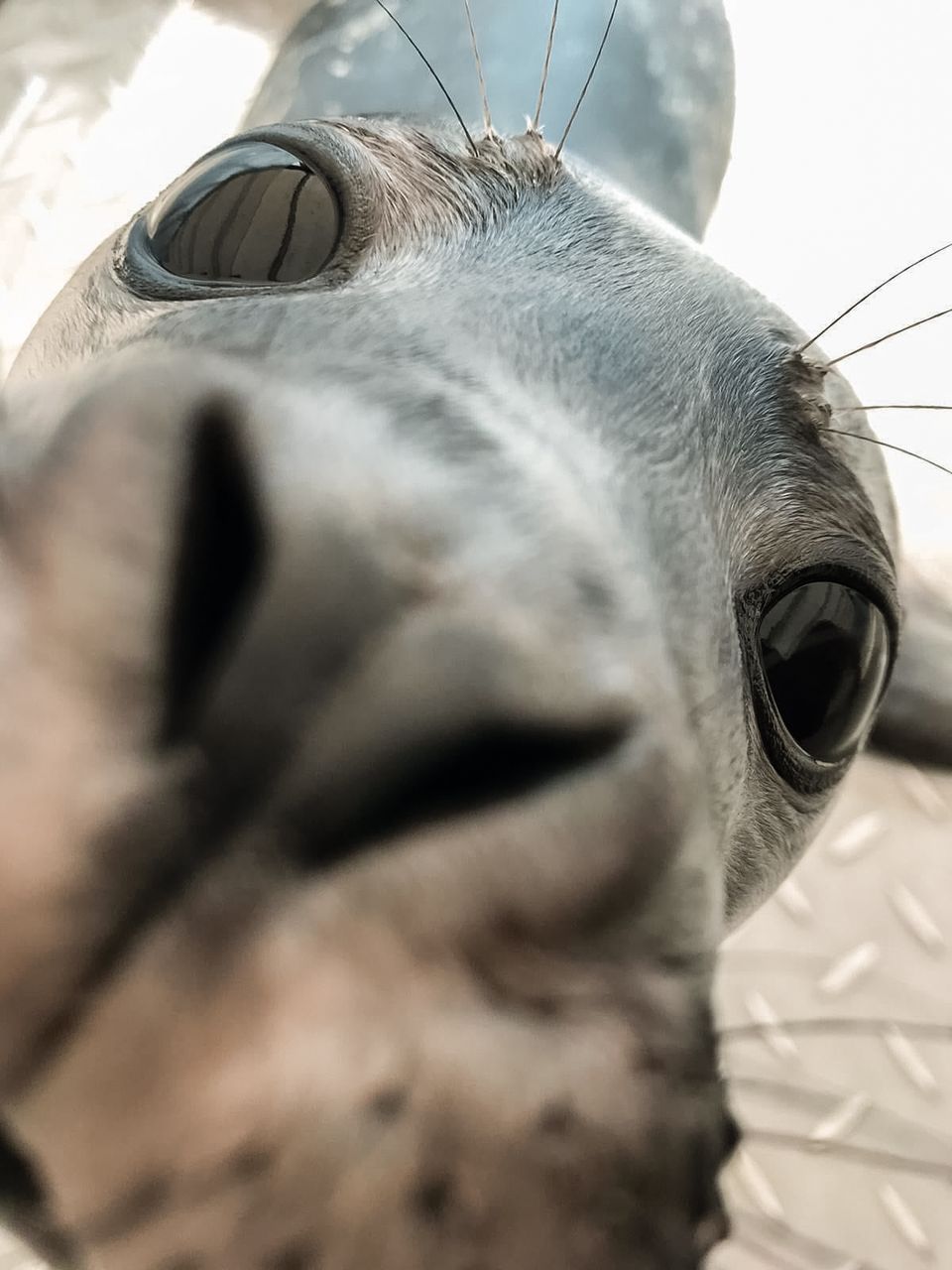
"The one up there, that's 810," says Vincent. "An 'ordinary' seal. He was found on Renesse beach with lung worms a few months ago and is now completely healthy again. You can release that one today." The little seal stares at us curiously. "810?", I ask in surprise. "Yes, I thought you must have wanted to name him yourself." I am silent. How big this small gesture feels to me. I don't have to think for long. "Honey," I say. "His name is Honey."
Back to the North Sea
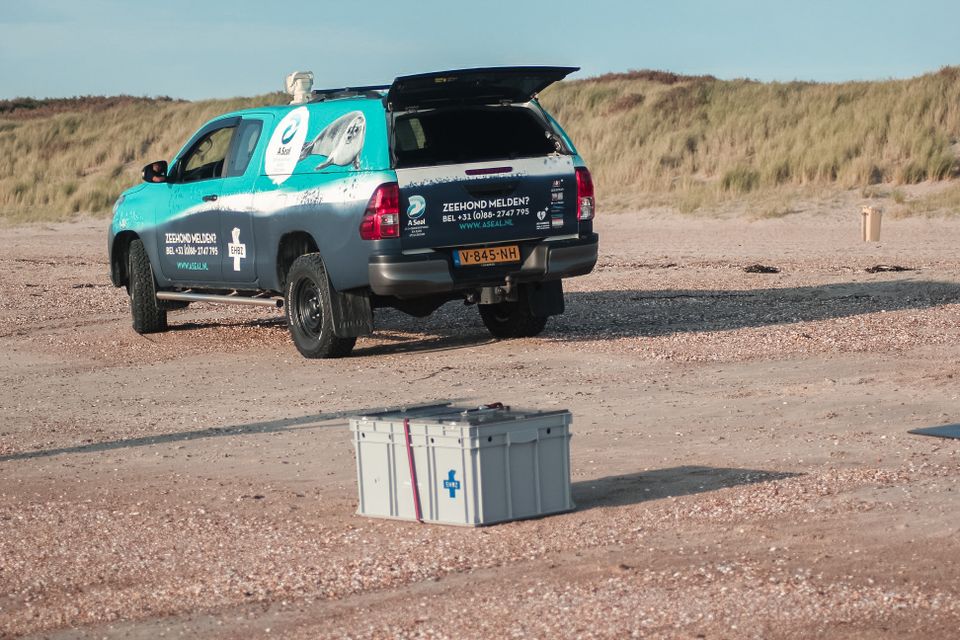
After the volunteers of A Seal Honey 'scoop' Honey into a basket as elegantly as possible, we leave for the sea. The weather is cooperative, the beach of Ouddorp is almost deserted because of the rain. Vincent plants the crate with Honey in it firmly in the sand and gestures me to stand behind it.
"Make sure you keep your hands on the side of the basket. He looks cute, but he is still a wild animal." I nod. We count down. "In 3, 2, 1..." Together, we tip the basket over and lift off the lid. A few seconds pass before Honey shows himself. He sets off twice with his front flippers and bobbing -yes, that's really what this is called- towards the sea. It is beautiful and hilarious at the same time. Halfway out, he stops to look back for a moment, then disappears into the waves.
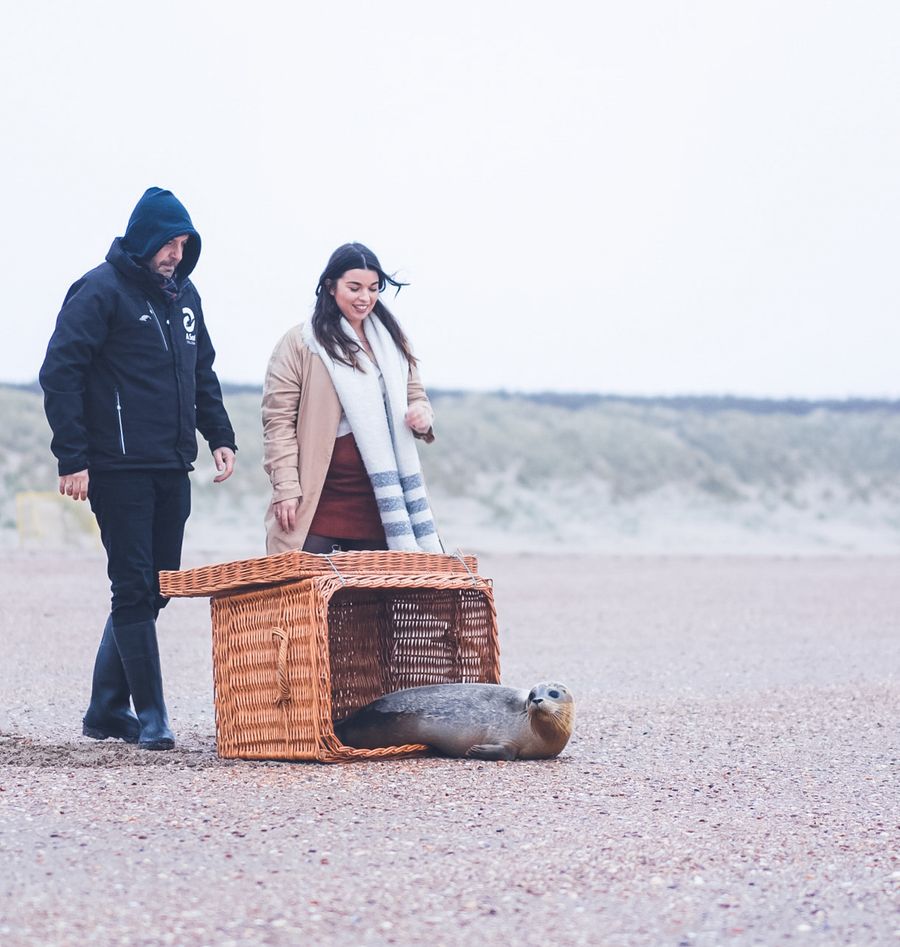
Seal released on Ouddorp beach
In the minutes that follow, a grey snout can still be seen poking out of the sea from time to time. It seems that seals often linger near the coast for a while after being released, looking back.
“These seals have spent most of their short lives at the sanctuary. They don’t immediately know where to go, or what to do.” Yet it feels like a farewell. Good luck, Honey, and may you – in Vincent’s words – grow up to be a ‘big, fat and happy seal’.
Love,
Amanda
“ Did you know that the seal sanctuary is funded by donations and income from the visitor centre? Pay a visit to the sanctuary yourself and help support A Seal. ”
Excursions with seals - Discover micro adventures
-
Wadop tours
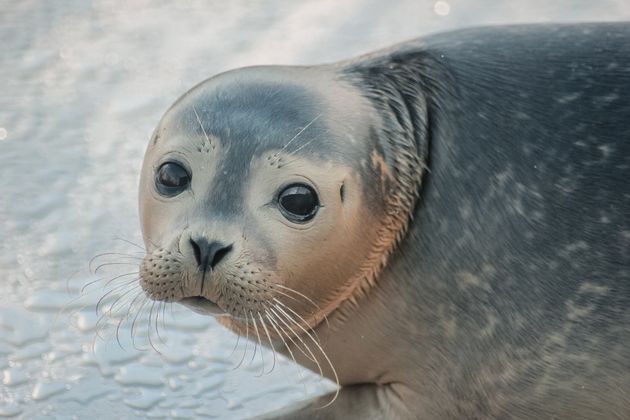
Seal spotting on the Wadden Sea.
-
One day seal keeper
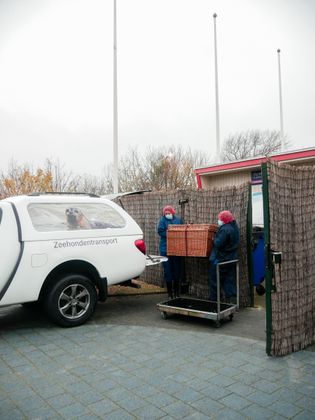
Spend a day as a seal carer at the A Seal sanctuary in Stellendam.
-
Seal Safari
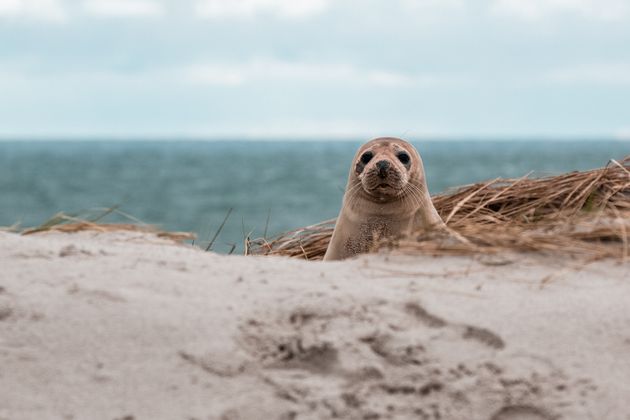
Spot seals on the sandbanks of the Oosterschelde.